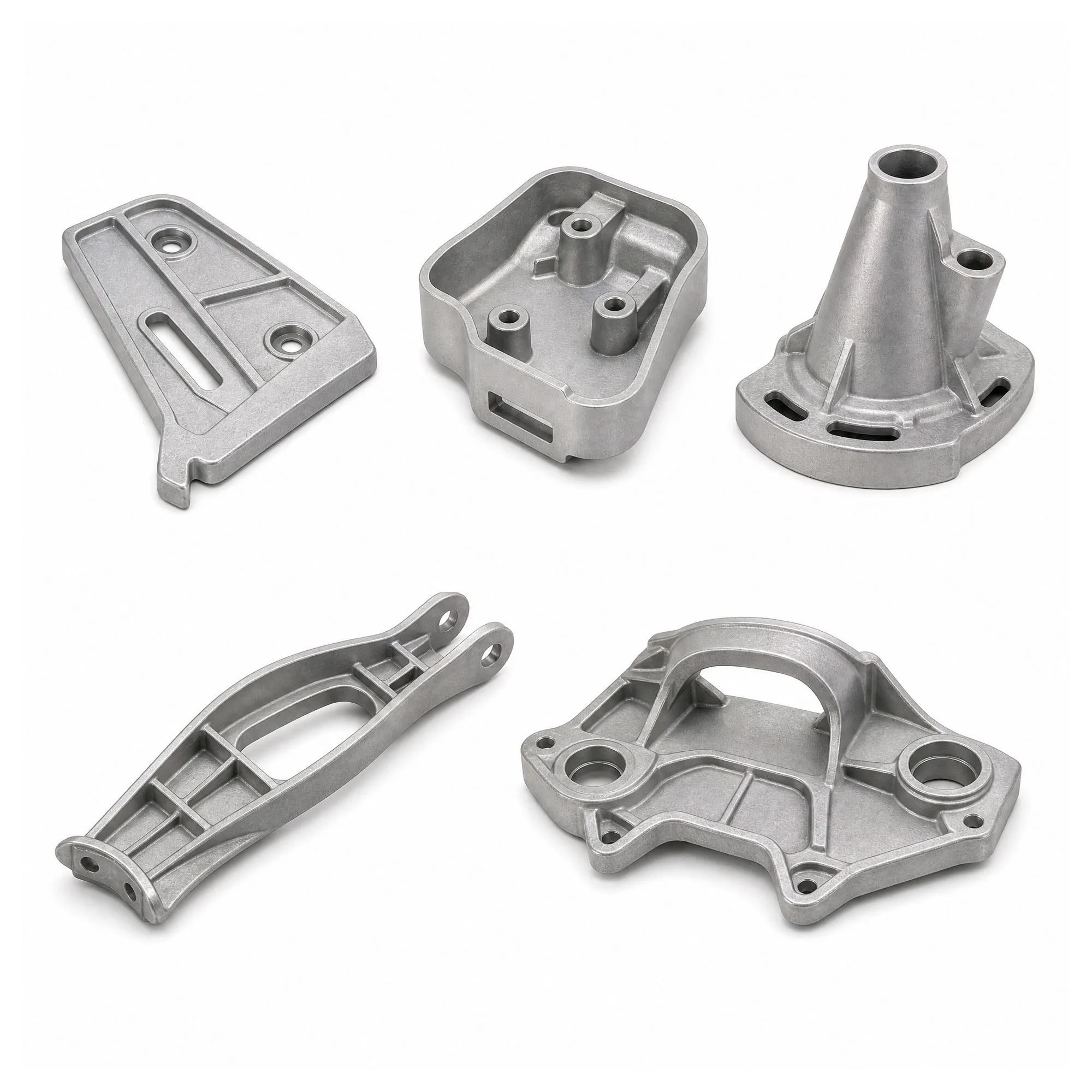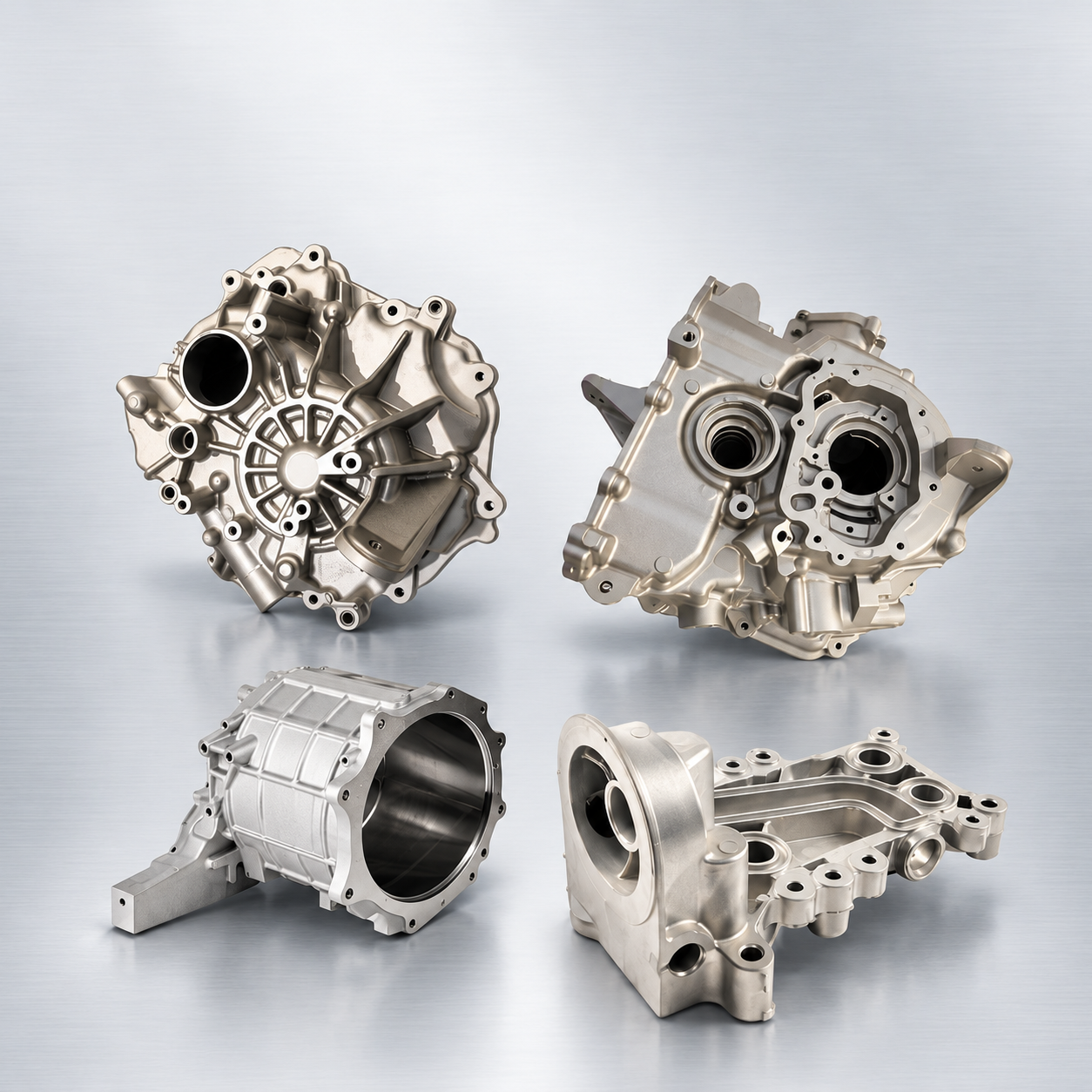
OEM A380/ADC12 Aluminum Die Cast Housings with Machining for Industrial and Auto Parts
Let’s define your requirement
Send a product link, drawing or short brief. We’ll work through the details with you.
- Confirm the specificationGrade or model, size and intended use.
- Define your orderQuantity, finish or configuration, and samples.
- Agree the quotation scopeIncluded work, key checks and delivery needs.
-
Component FormHousing / EnclosureSurface FinishPowder Coated , Sandblasted
-
Alloy GradeADC12
-
Surface TreatmentSandblasting ,Powder Coating, Painting, Anodizing
-
MaterialsAluminumA380/ADC12MaterialAluminum
-
ProcessDie Casting + MachiningServiceCustomized OEM
-
KeywordDie Casting Aluminum Products PartsMOQ500pcs
-
Lead Time30-45daysSurface FinishCustmized
-
InspectionCMM CheckingPackingCustomers'requirement
-
ApplicationAuto Parts
These custom OEM aluminum housings and parts combine die casting with machining for industrial and automotive-part projects. A380 and ADC12 are the aluminum material directions, with customized finishing, CMM checking and a minimum order of 500 pieces.
Choose the housing material before the surface
Select the aluminum grade with the component geometry and intended assembly in mind. A380 and ADC12 requests should identify the chosen grade clearly on the housing brief. For a zinc-material project, agree the exact zinc grade and supply configuration separately, so the requirement is not confused with the aluminum housing selection.
Connect machined interfaces to CMM acceptance
The die-cast shape and machined areas need a common dimensional reference. Show the interfaces that control assembly and identify the tolerances that will be evaluated by CMM checking. This makes the inspection requirement useful for the particular housing, rather than treating the inspection method as a universal precision value.
Four directions for the finished surface
Sandblasting, powder coating, painting and anodizing are available surface-treatment choices. Decide which finish belongs on the selected component and specify its appearance and finished condition. Where a surface also controls assembly fit, include that requirement when agreeing the treatment so the final housing can be judged consistently.
Organize the custom housing brief
Bring the alloy, housing geometry, machined interfaces and selected finish together with the intended quantity. State whether the requirement concerns an industrial housing or another automotive part, and identify the actual assembly it must suit. This gives the OEM inquiry a concrete scope while retaining flexibility for the custom dimensions and surface requested.
A completed requirement should make the material choice and acceptance dimensions easy to find. Those decisions provide a useful basis for discussing the cast and machined part before approving its final condition.