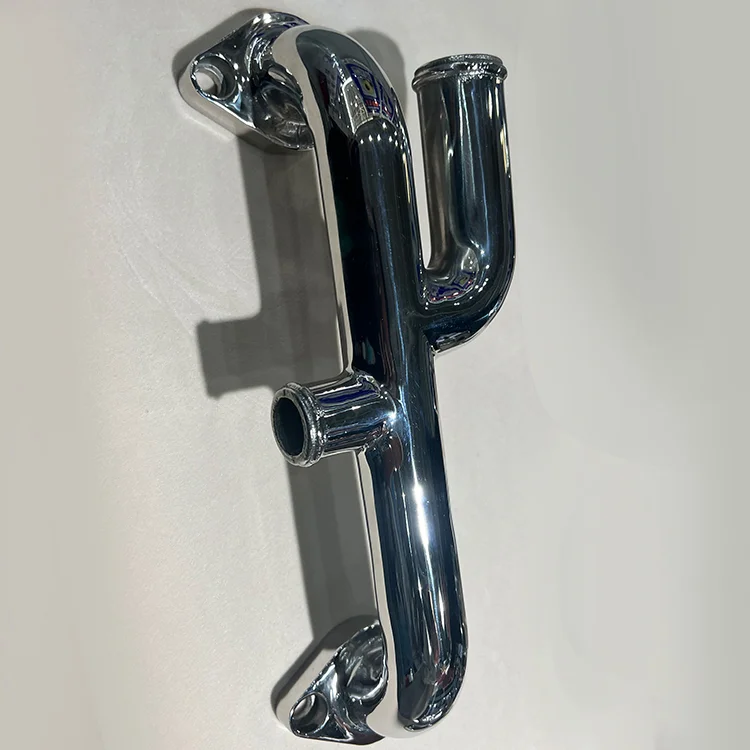
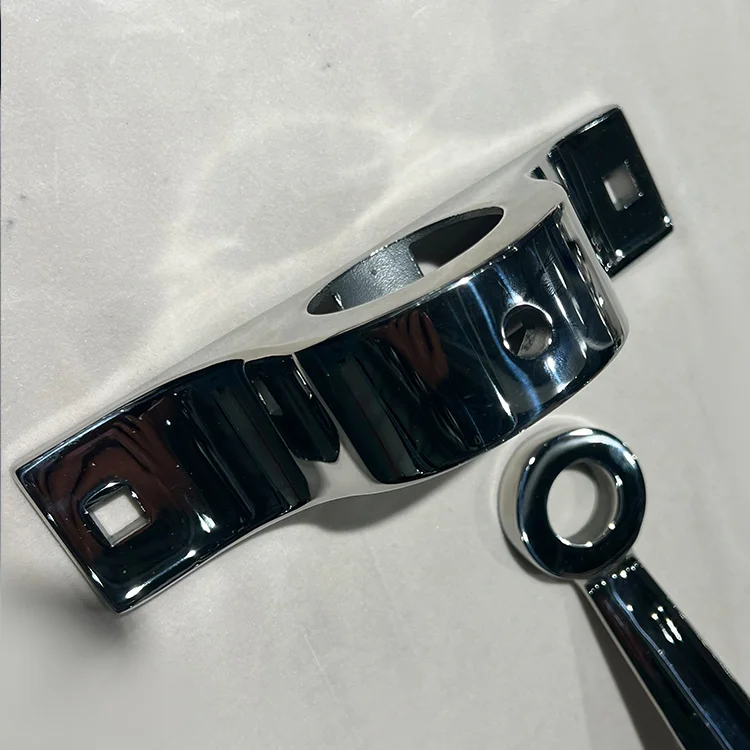
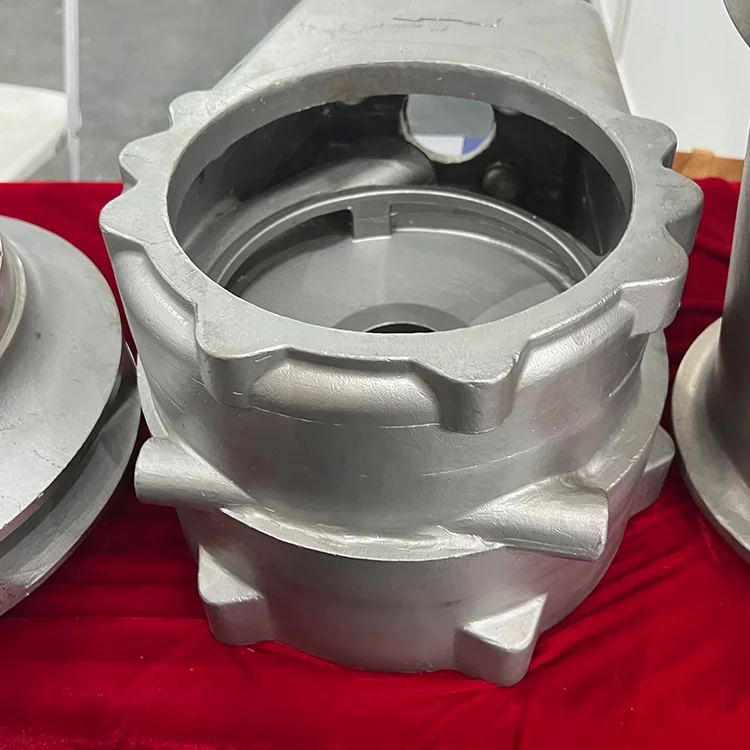
OEM 316L Stainless Steel Investment Castings with CNC Milling and Turning
Let’s define your requirement
Send a product link, drawing or short brief. We’ll work through the details with you.
- Confirm the specificationGrade or model, size and intended use.
- Define your orderQuantity, finish or configuration, and samples.
- Agree the quotation scopeIncluded work, key checks and delivery needs.
-
Surface FinishPowder Coated , PolishedAlloy Grade316L
-
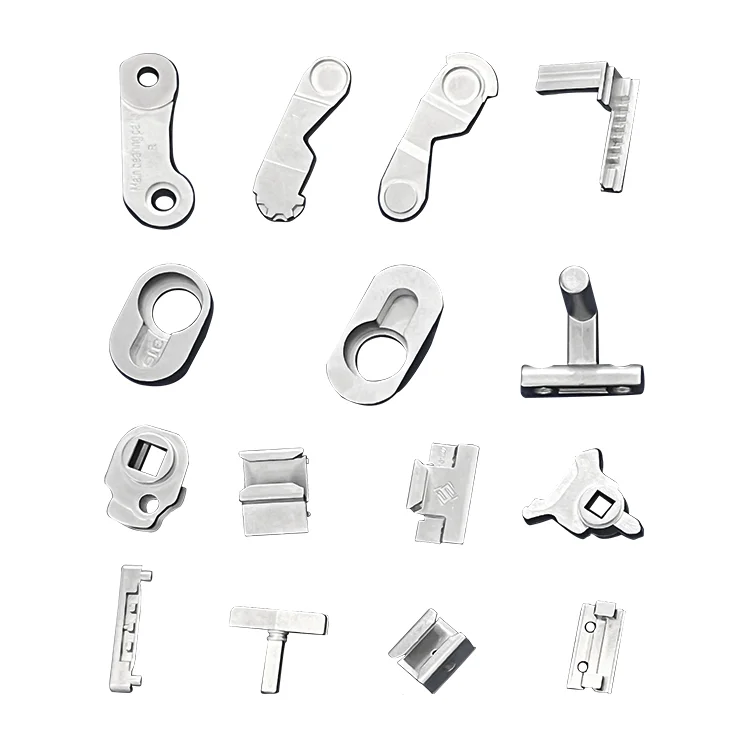
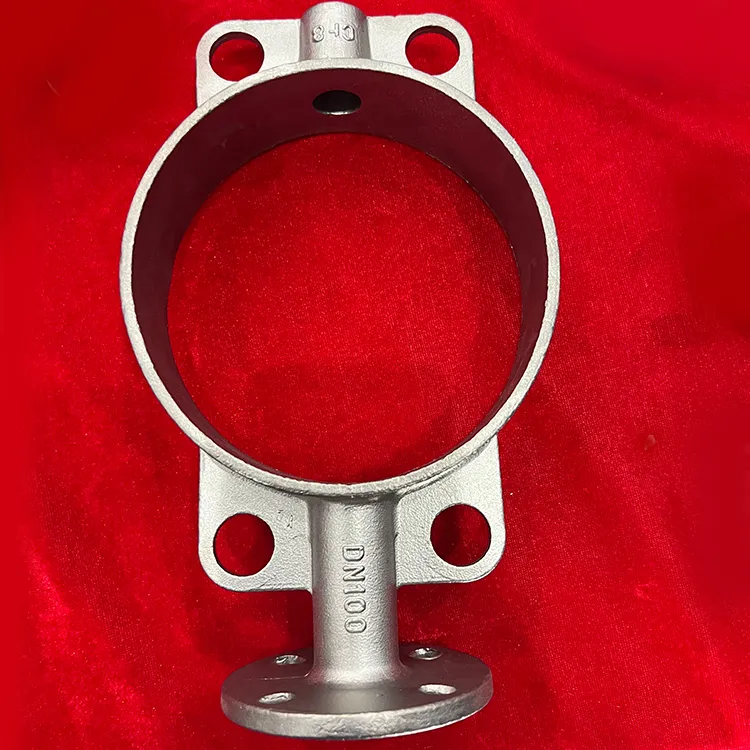
Product nameCustom Casting Parts
-
Material316LProcessCnc Machining+deburrs
-
Surface treatmentPainting\Powder Coating\Plating\PolishingDrawing Format2D/(PDF/CAD/DWG/DXF)3D(IGES/STEP/VDA)
-
OEM/ODMOEM ODM CNC Milling Turning Machining ServiceServiceCustomized OEM
-
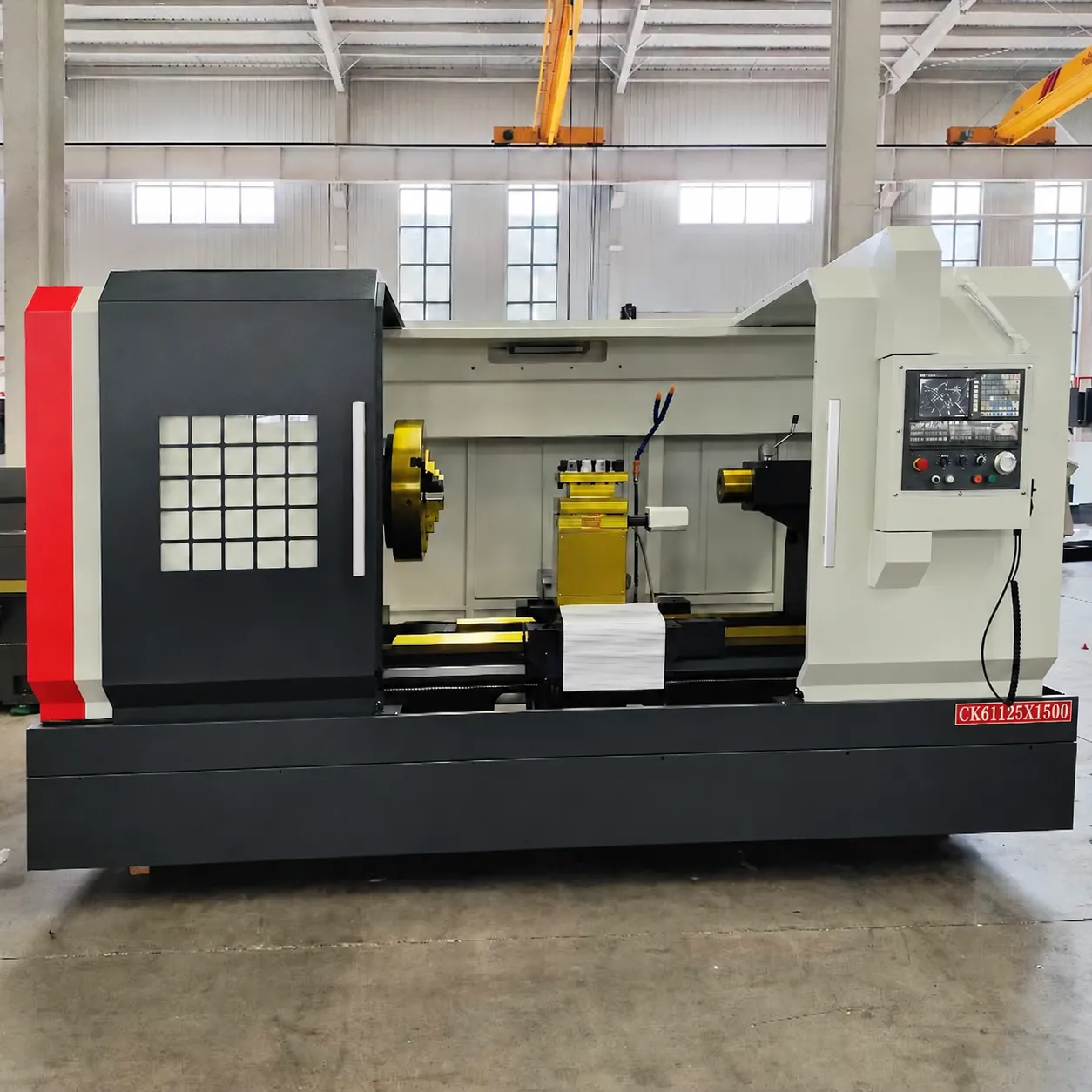
EquipmentCNC Machining CentresApplicationIndustrial Equipment
-
Delivery Time7-15 Days
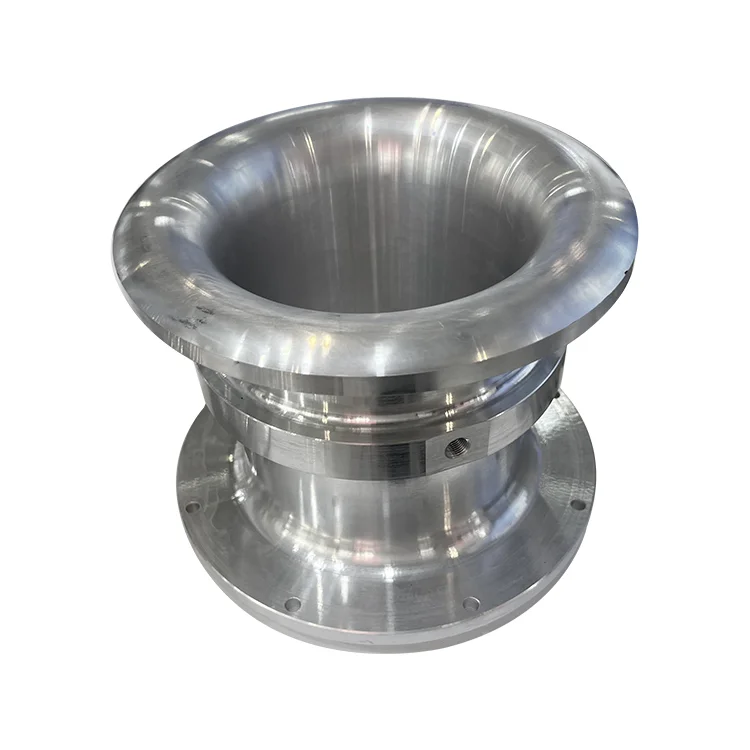
Custom 316L stainless steel investment cast components are supplied for industrial equipment, with OEM/ODM CNC milling and turning available within the service. Deburring is included in the process scope, and CNC machining centres support the machining work. The component enquiry can combine its cast geometry, machined faces and chosen surface treatment in one drawing package.
Connect the casting with the machined interfaces
Define the 316L part around the dimensions and faces that matter in the equipment assembly. Mark the areas requiring CNC milling or turning and state the dimensional limits for those operations. A shared drawing revision helps keep the casting geometry, machining requirements and intended final condition coordinated when the industrial component is reviewed.
Deburring and the required surface condition
Deburring forms part of the manufacturing scope, with the desired edge condition to be defined for the part. Painting, powder coating, plating and polishing are available treatment choices. Identify the relevant faces and acceptance requirements for the selected finish, and explain how those surfaces are used in the assembly so the finish discussion stays tied to the component.
Drawing inputs for industrial equipment enquiries
Accepted 2D formats are PDF, CAD, DWG and DXF, while 3D inputs include IGES, STEP and VDA. Provide consistent files identifying the 316L grade, geometry, machined dimensions, edge requirements and surface selection. Describe the equipment's operating exposure and functional acceptance conditions alongside the drawing. These details give the OEM/ODM casting and CNC discussion a clear basis for assessing the specific industrial part.