
OEM 304/202/316 Stainless Steel Lost-Wax Castings with Custom Surface Treatment
Let’s define your requirement
Send a product link, drawing or short brief. We’ll work through the details with you.
- Confirm the specificationGrade or model, size and intended use.
- Define your orderQuantity, finish or configuration, and samples.
- Agree the quotation scopeIncluded work, key checks and delivery needs.
-
Surface FinishAnodized , Powder CoatedAlloy Grade316 , 304
-
MaterialStainless steel304/Stainless steel202/Stainless steel316/steel
-
ProcessCasting +Machining(if Need)+surface TreatmentSurface treatmentAnodizing/Powder coating/painting/electroplating
-
ColorCustomized ColorCertificationISO9001/TS16949/RoHS
-
PackageCustomer RequiryPAYMENTT/T/wire transfer/L/C
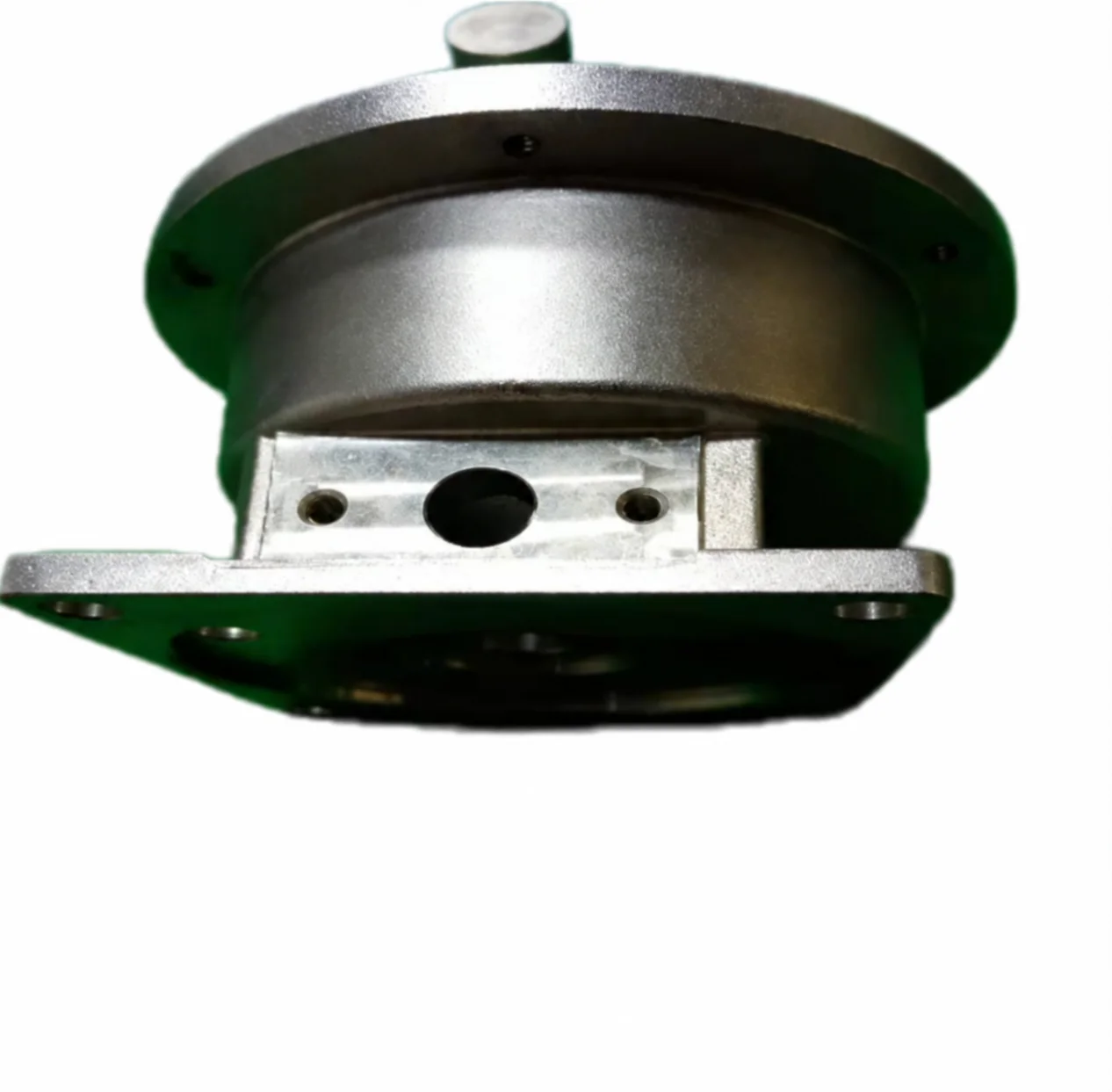
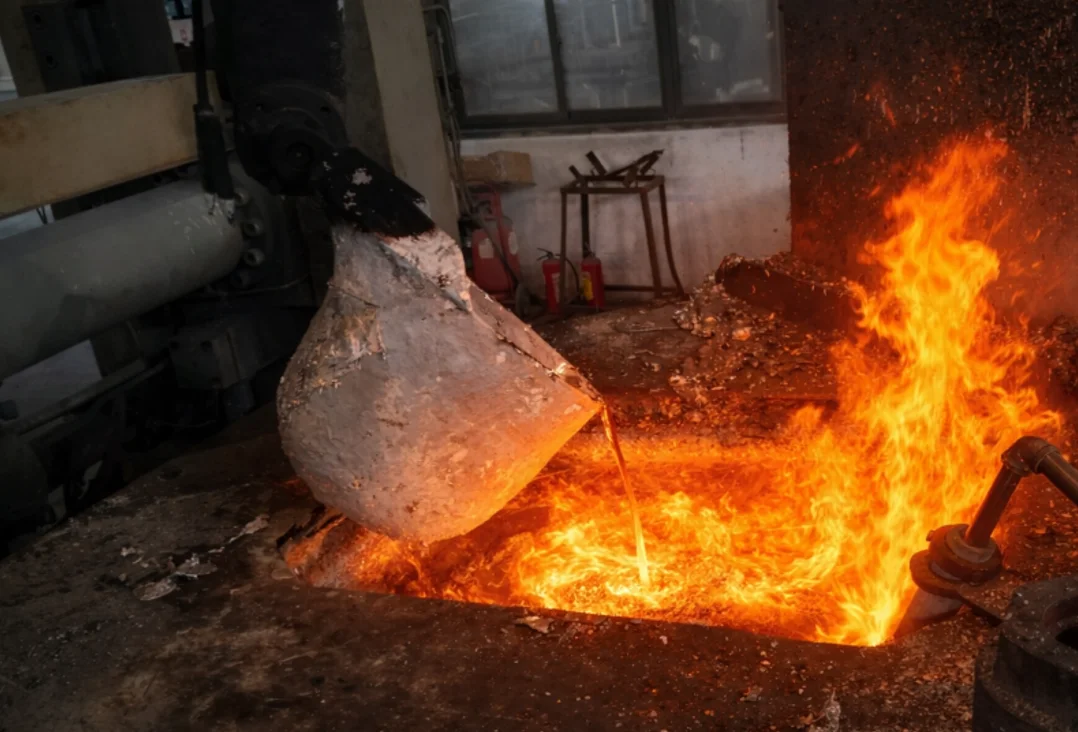
OEM lost-wax cast parts are available within a stainless-steel 304, 202 and 316 or steel material scope, with custom color and surface treatment. Production includes casting and machining when needed. Select the exact grade and component definition before agreeing the machining, finish and final acceptance required by the part.
Choose the material and finished geometry
Identify the actual stainless grade or steel specification for the component, together with its service conditions and functional geometry. Define which dimensions belong to the casting and which details require further machining. A clear part definition connects material selection to the finished interfaces, dimensional requirements and accepted condition of the OEM casting.
Connect the treatment route to the color
Surface enquiries include anodizing, powder coating, painting and electroplating. Select the process that is compatible with the actual material and component requirements, including confirmation of the treatment route for an anodizing enquiry. Agree the custom color, relevant surface areas and final appearance as part of the selected process.
Review the finished surface alongside the dimensions and mating relationships that matter to the part. Define how color and surface acceptance will be assessed after the selected casting, machining and treatment sequence, keeping the appearance requirement specific to the actual component.
Confirm the system and component acceptance scope
Review the applicable ISO9001 and TS16949 certificate scope and the relevant RoHS scope for the selected material and finished part. Agree the component's dimensional and surface acceptance alongside those requirements. Approve the chosen grade, manufacturing sequence and finished result together, giving the OEM enquiry a clear technical basis before production.








