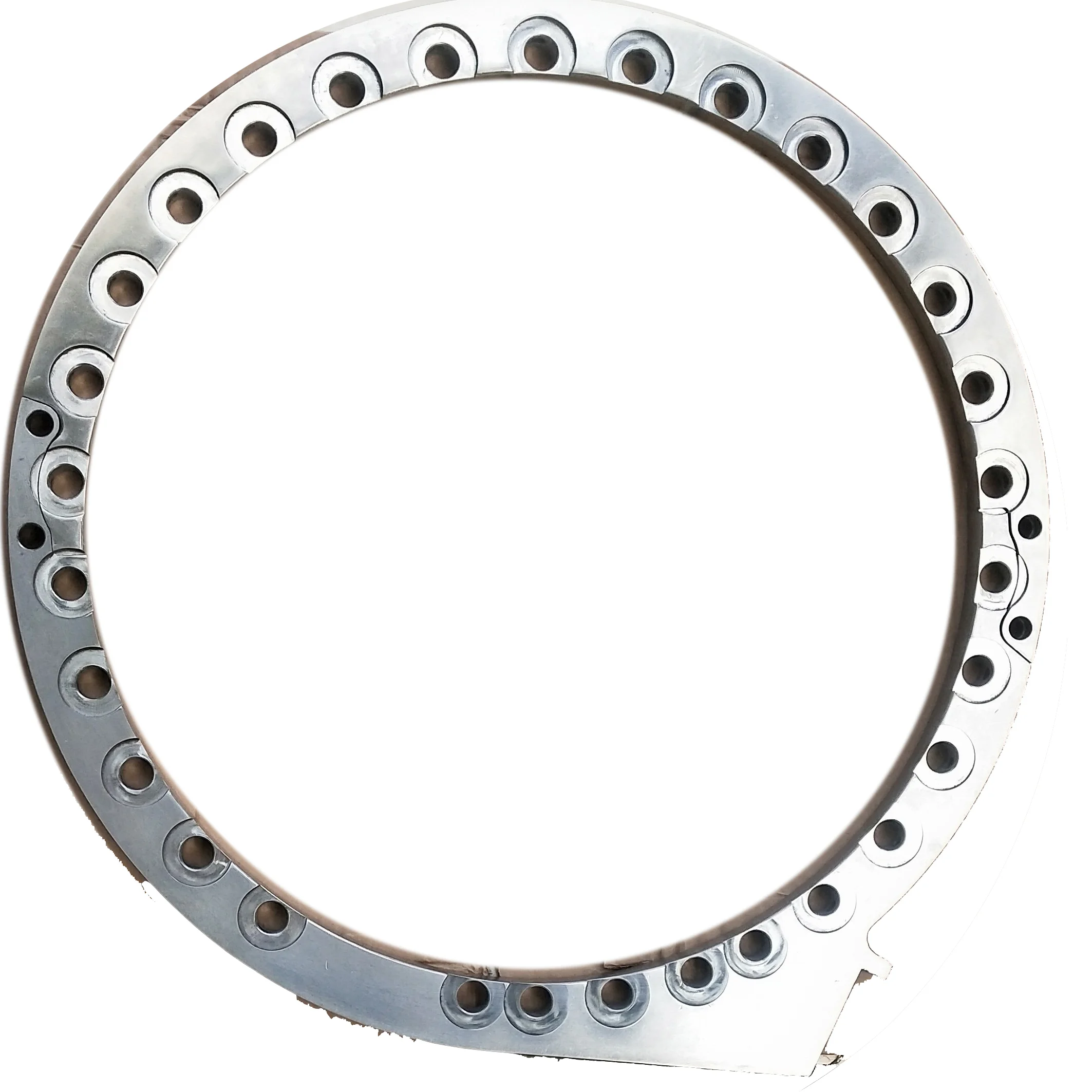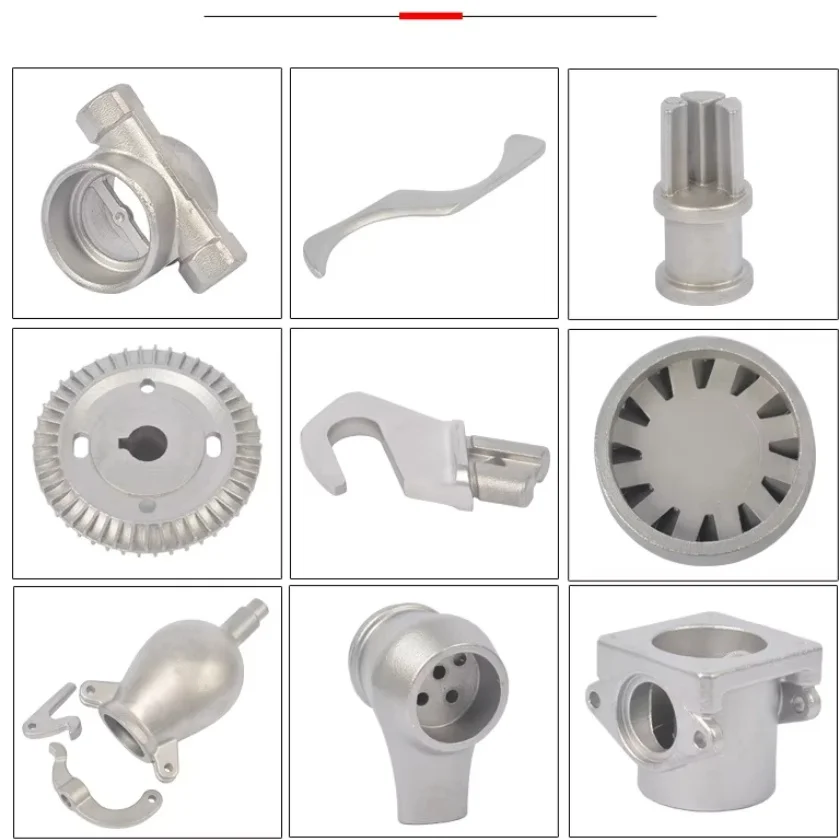
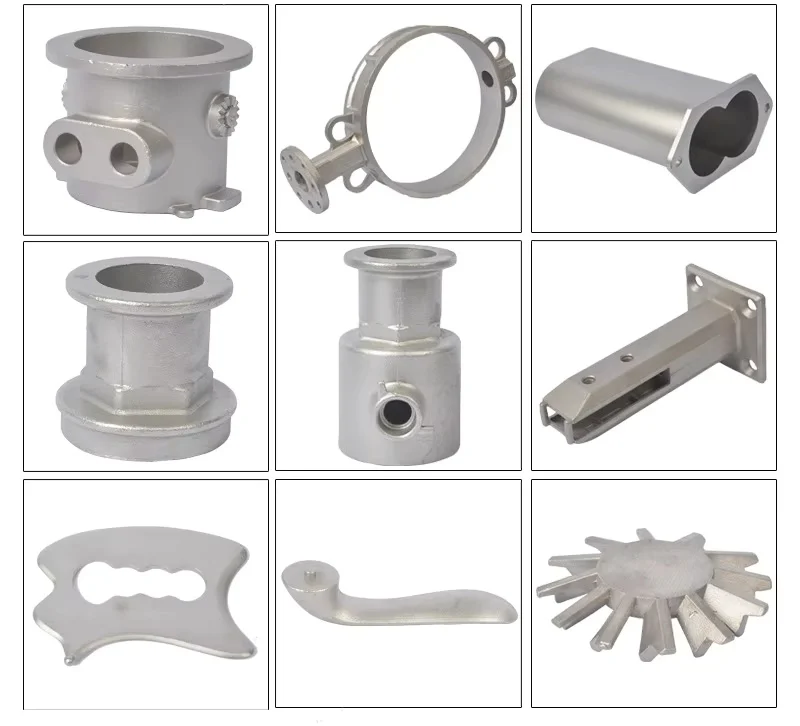
OEM 201 316 Stainless Steel Investment Castings | Silica Sol Sand and Die Enquiries
Let’s define your requirement
Send a product link, drawing or short brief. We’ll work through the details with you.
- Confirm the specificationGrade or model, size and intended use.
- Define your orderQuantity, finish or configuration, and samples.
- Agree the quotation scopeIncluded work, key checks and delivery needs.
-
Surface FinishMachined
-
SizeCustomized SizeSurface Finishing ProcessCasting +Machining(if Need)+surface Treatment
-
Sand Casting TypeGreen Sand CastingDimensional Accuracy±1mm
-
Processable MaterialsStainless Steel Casting, Stainless Steel 201, 316 Stainless SteelApplication AreasMetallurgy, Robotics, Aerospace, Pump & Valve Parts,
-
Casting ProcessSilica Sol Precision Casting, Silica Sol CastingMachinable Surface Roughness0.05μm
Custom OEM stainless steel casting enquiries include 201 and 316 grades with silica sol precision investment casting. Green sand casting and die casting are also process enquiries to review against the selected material and geometry. Sizes are customized, with machining if needed and surface treatment defined for the component.
Choose the grade and a suitable casting route
Identify whether the component requires 201 or 316 stainless steel and provide its geometry and intended function. Confirm the forming route for that particular material and part. Applications include metallurgy, robotics, aerospace, pump parts and valve parts, so explain the actual operating conditions and component acceptance requirements when discussing the manufacturing scope.
Separate dimensional accuracy from surface roughness
The dimensional accuracy reference is ±1 mm and needs a controlled feature and relevant production stage. A separate machinable surface roughness reference is 0.05 μm, with the roughness parameter, surface and measurement basis to be confirmed. Define these requirements independently on the drawing so dimensional limits and the required finished surface are each evaluated on an agreed basis.
Coordinate the custom component specification
The enquiry should connect the selected grade, casting route, dimensions and any machining or surface-treatment requirements. Mark the faces that control assembly or application acceptance, then state the intended condition for those areas. Including the operating requirements and relevant acceptance criteria gives the OEM casting review a component-specific basis, especially where the part is being considered for pump, valve, robotic or aerospace equipment.