
Nickel Aluminum Bronze Castings for Mining and Extraction Equipment, Custom Machining and Plating
Let’s define your requirement
Send a product link, drawing or short brief. We’ll work through the details with you.
- Confirm the specificationGrade or model, size and intended use.
- Define your orderQuantity, finish or configuration, and samples.
- Agree the quotation scopeIncluded work, key checks and delivery needs.
-
Surface FinishPlated
-
TypeOther Machining ServicesMaterial CapabilitiesAluminum, Nickel
-
Product nameNickel Aluminum Bronze Parts
-
MaterialNickel AluminumSurface treatmentPlating
-
SizeCustomized SizeStandardHIGH QUALITY
-
MOQ10
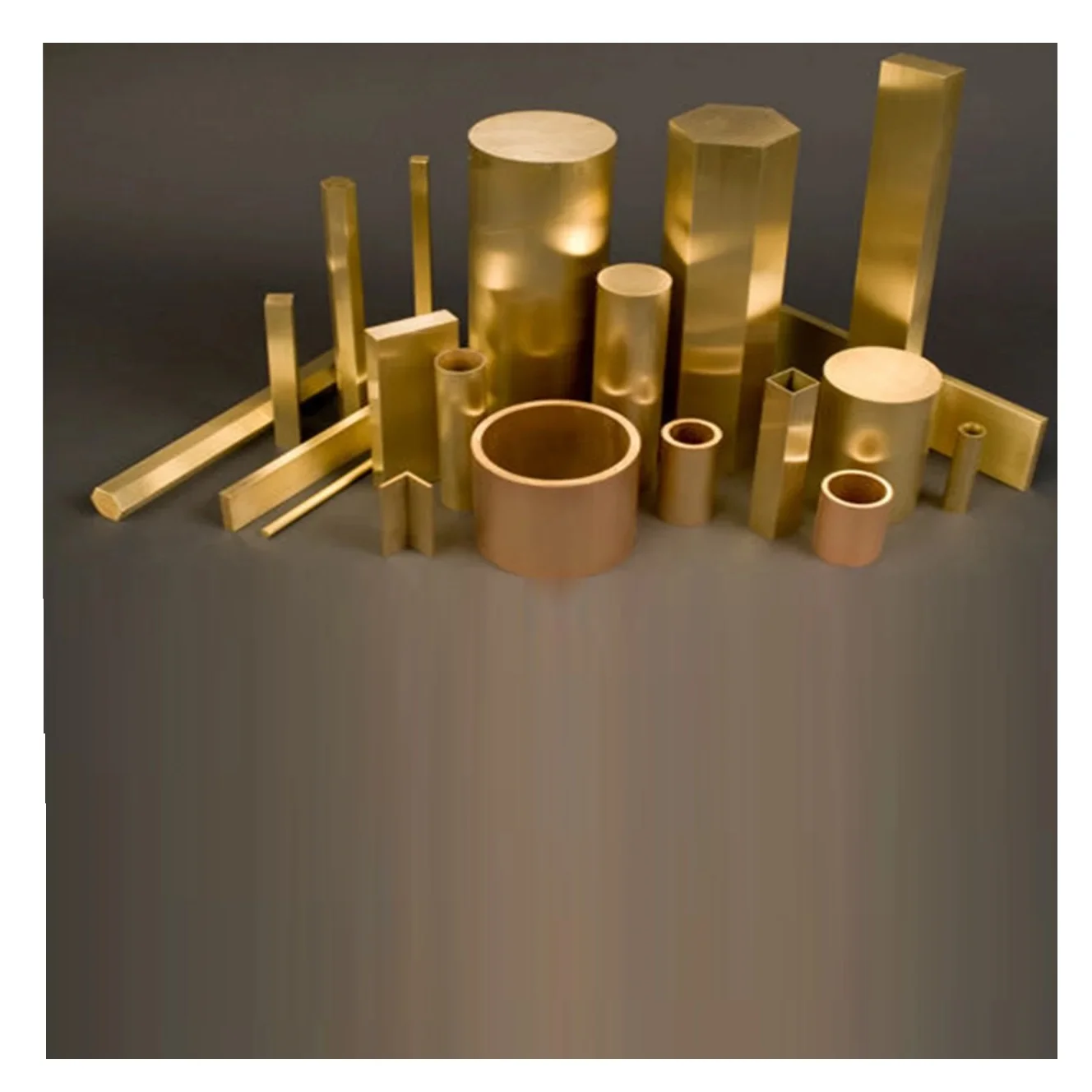
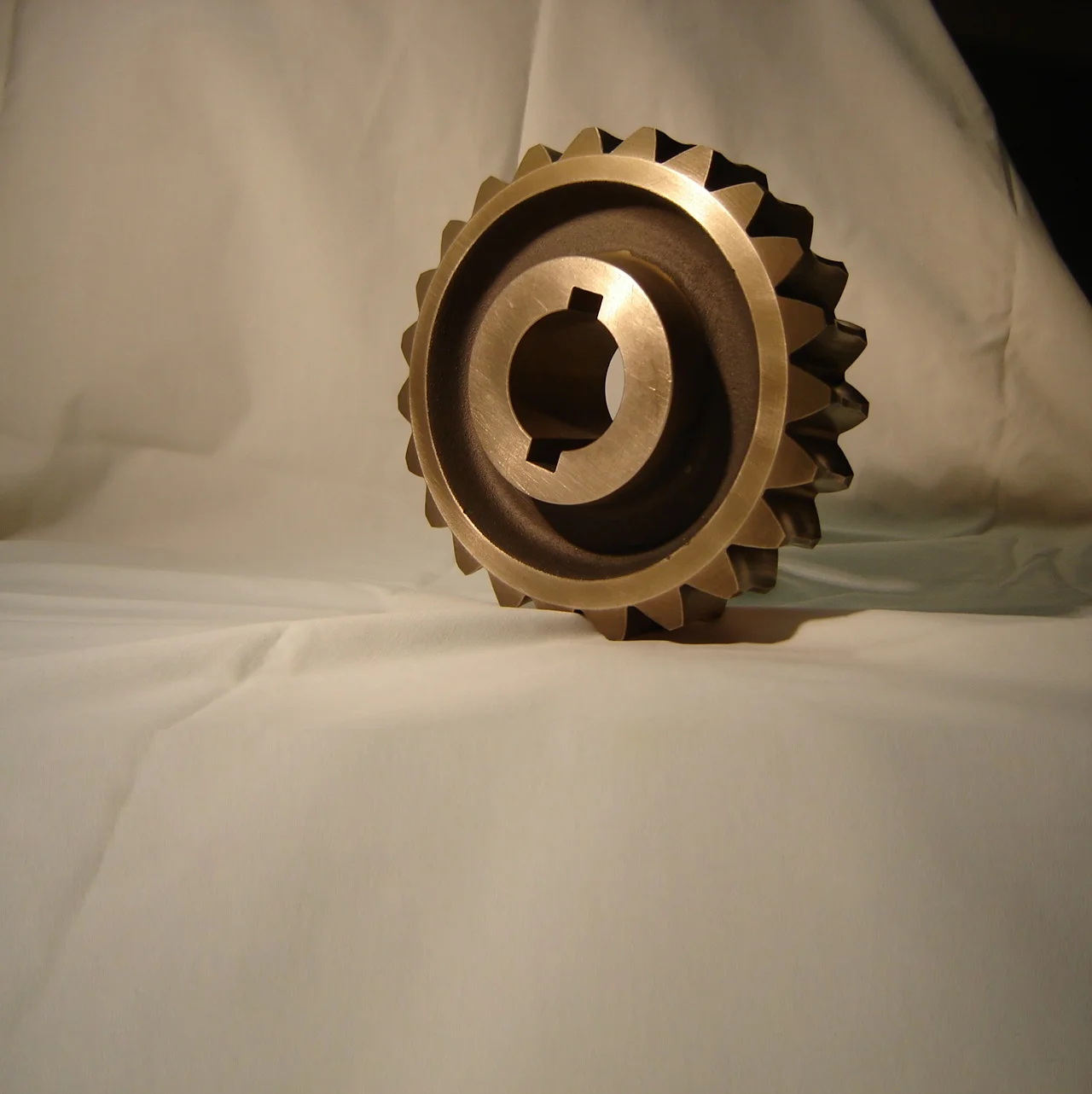
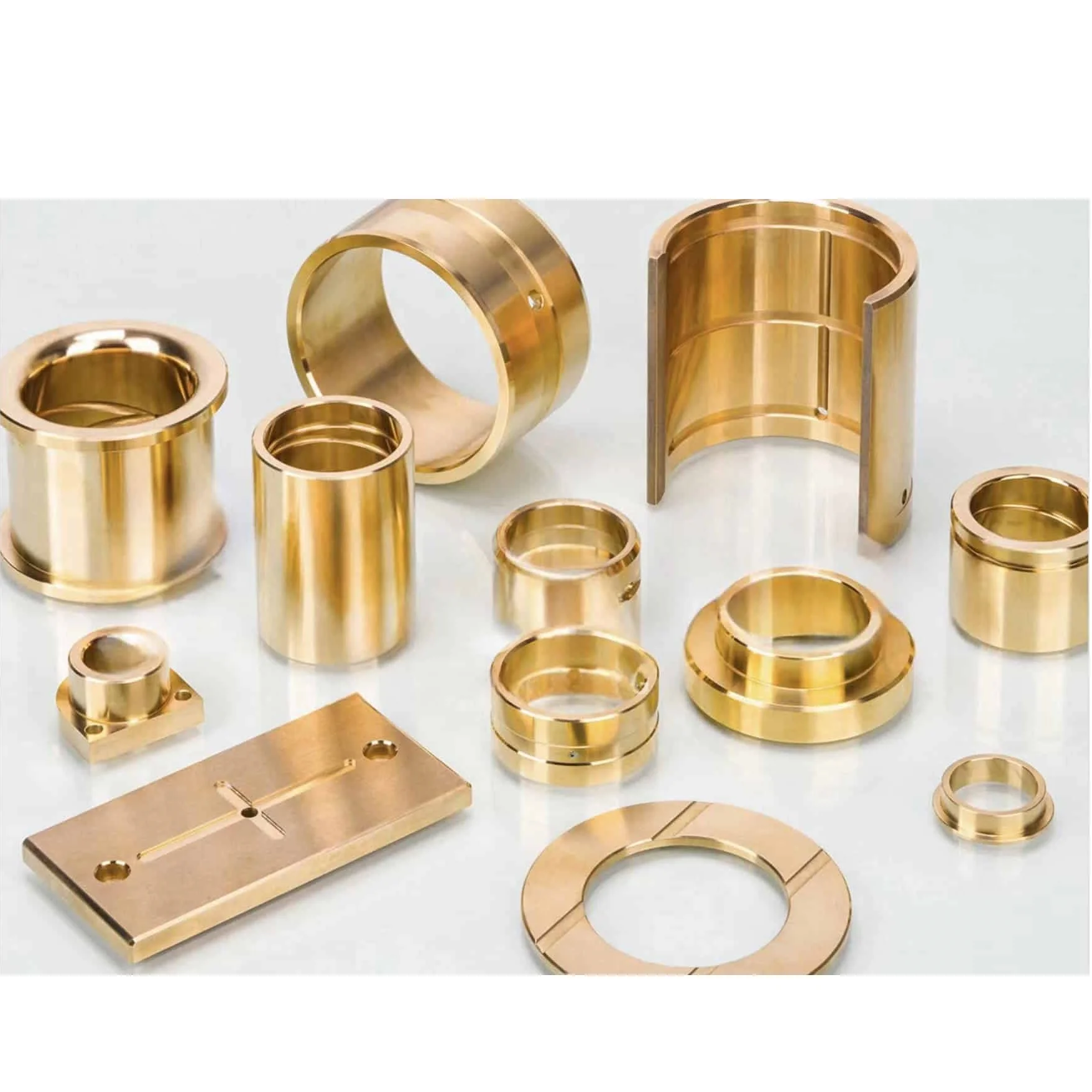
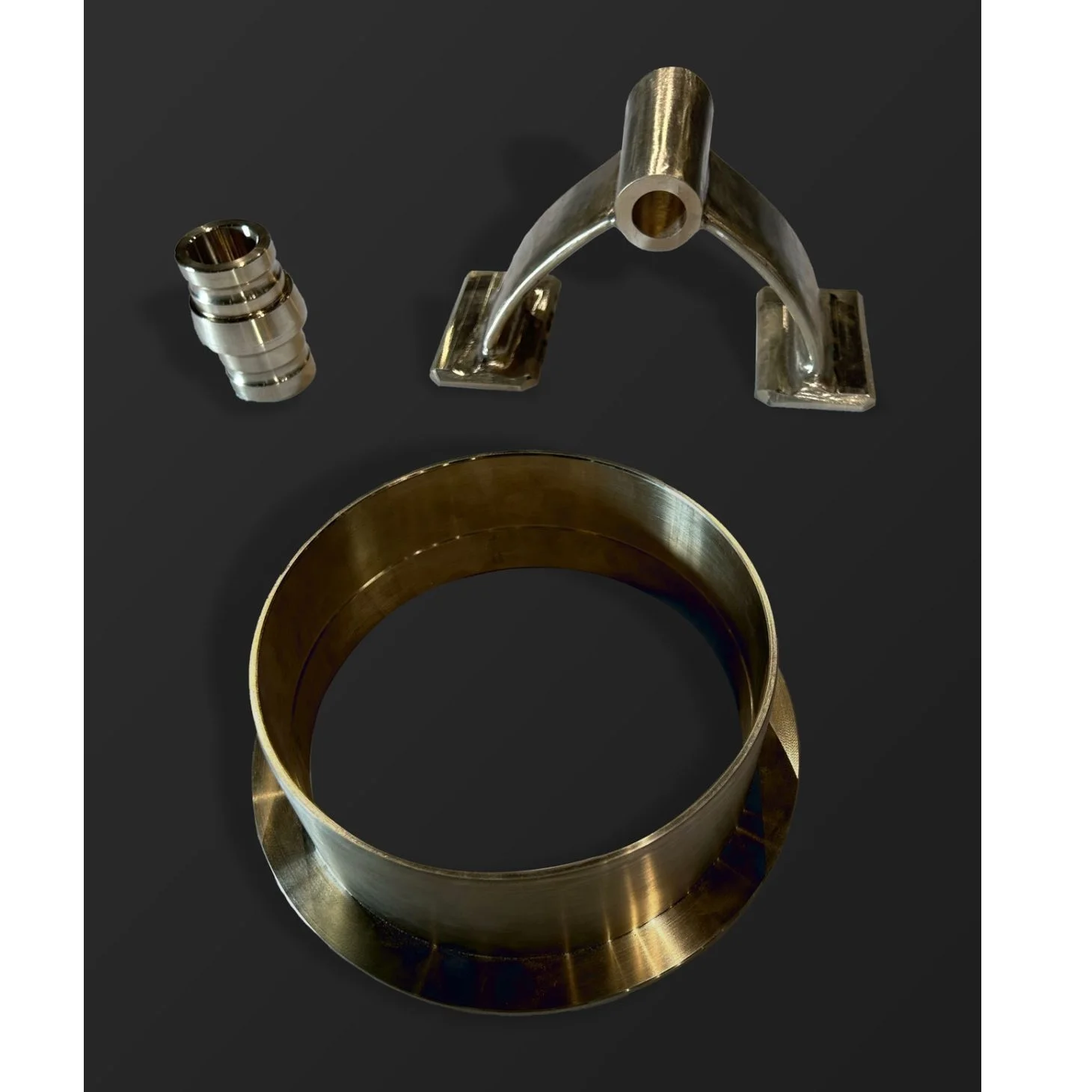
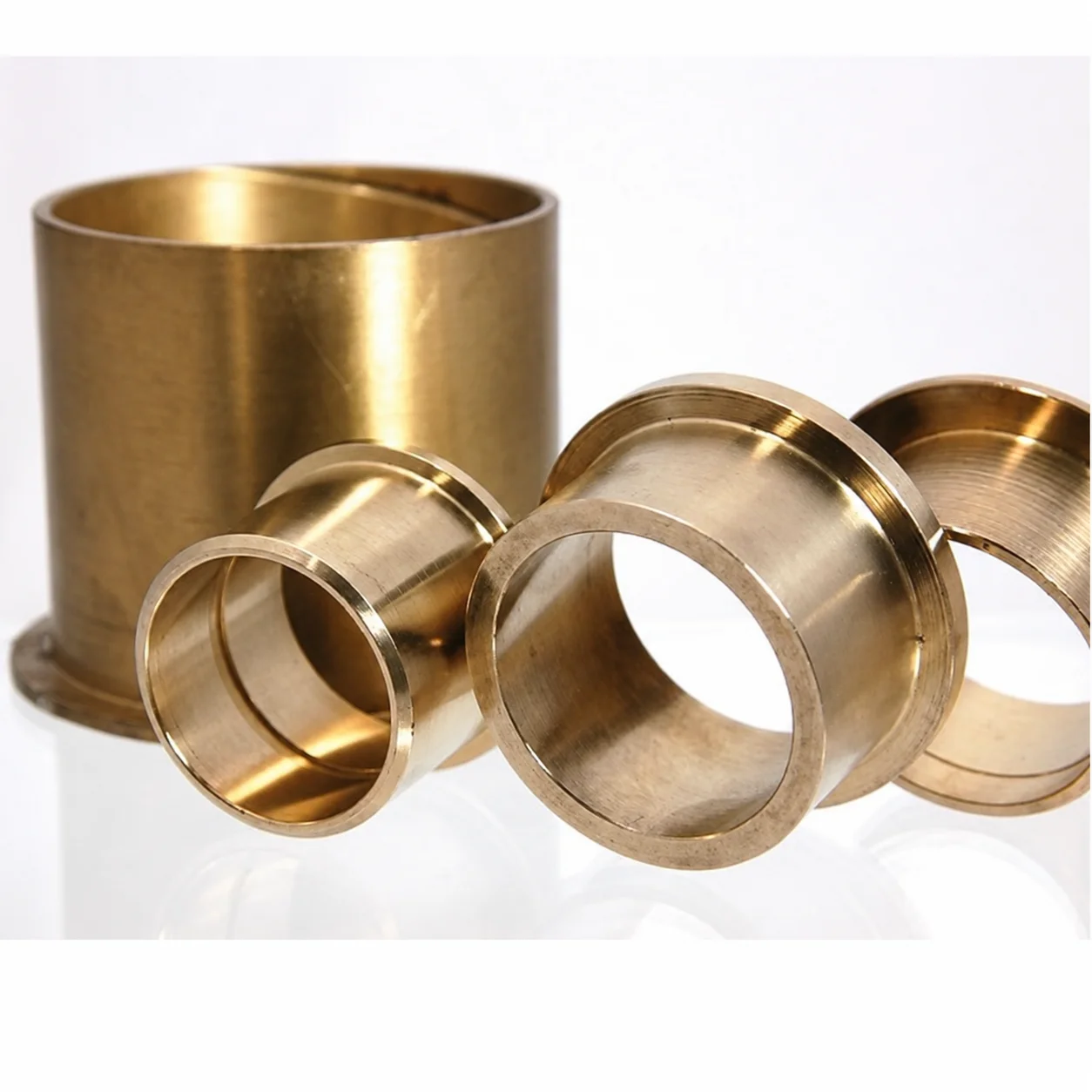
Nickel aluminum bronze castings and parts support mining and extraction equipment enquiries with customized sizing, machining services and plating. The component can be defined around the geometry and finished condition required by the actual equipment. Its exact alloy grade and material standard form part of that technical definition.
Select the bronze grade for the equipment part
The nickel aluminum bronze family identifies the material enquiry, while the ordered component needs a specific grade and governing standard. Aluminum and nickel material-capability enquiries also require their own exact alloy definition. State the material needed for the selected part alongside its shape and interfaces. This keeps the enquiry focused on the required component rather than a broad combination of metal names.
Connect custom size and machining scope
Customized dimensions should identify how the casting meets the intended equipment assembly. Mark the areas requiring machining and define their finished dimensional condition. The operating duty and relevant equipment requirements should accompany those interfaces. These details give the machining discussion a clear component and acceptance target within the mining or extraction application.
Define the plated and inspected condition
Plating is the named surface treatment, with the required plated condition specified for the actual part. Identify the surfaces involved and the dimensional or visual criteria needed after treatment. Agree the inspection acceptance for the selected alloy, machined areas and finish. A consistent material and geometry definition makes it easier to review the casting, machining and plating work as one finished equipment component.








