
Low-Volume Alloy Steel Sand Casting for Mechanical Parts | Custom CT4–CT6 and CNC Service
Let’s define your requirement
Send a product link, drawing or short brief. We’ll work through the details with you.
- Confirm the specificationGrade or model, size and intended use.
- Define your orderQuantity, finish or configuration, and samples.
- Agree the quotation scopeIncluded work, key checks and delivery needs.
-
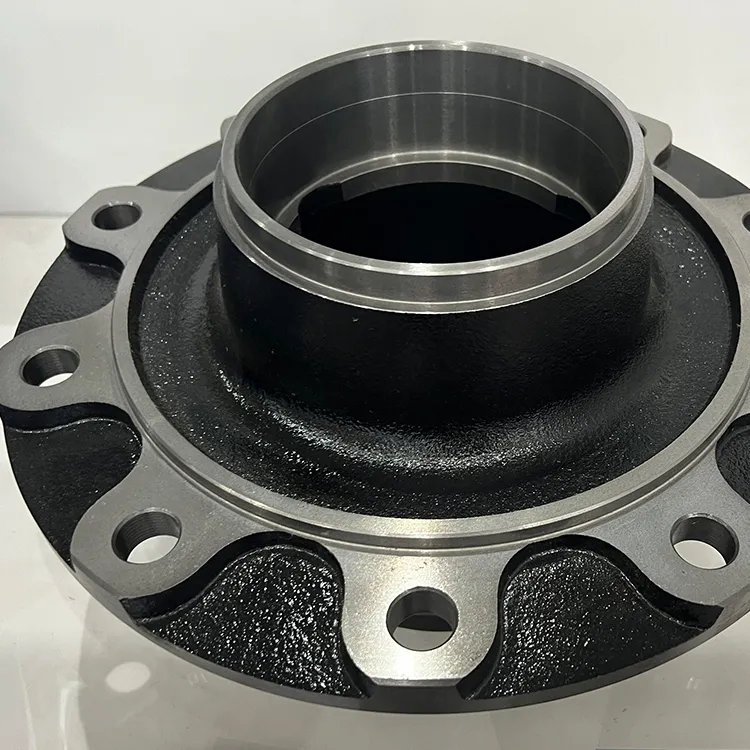
Surface FinishPainted , Polished
-
Product nameCustom Casting Parts
-
Materialgrey iron, ductile iron, steel, stainless steel, aluminum, copperApplicationIndustry, automotive, agriculture, aviation, construction, electrical
-
Surface treatmentPainting, oxidation, polishing, electrophoresis, electroplating, etcDimensionsCustomized Sizes
-
ToleranceCT4-CT6Quality ControlISO9001
-
PackingCarton Wooden BoxProcessCasting, CNC, turning, milling, 5 Axis
-
Drawing format2D(PDF/DXF/DWG)3D(STEP/IGS/PRT)
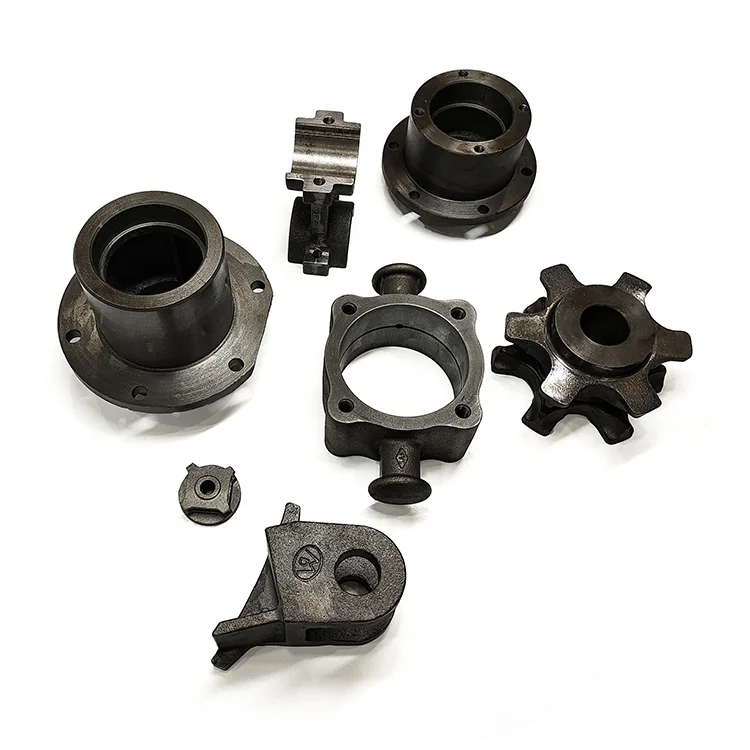
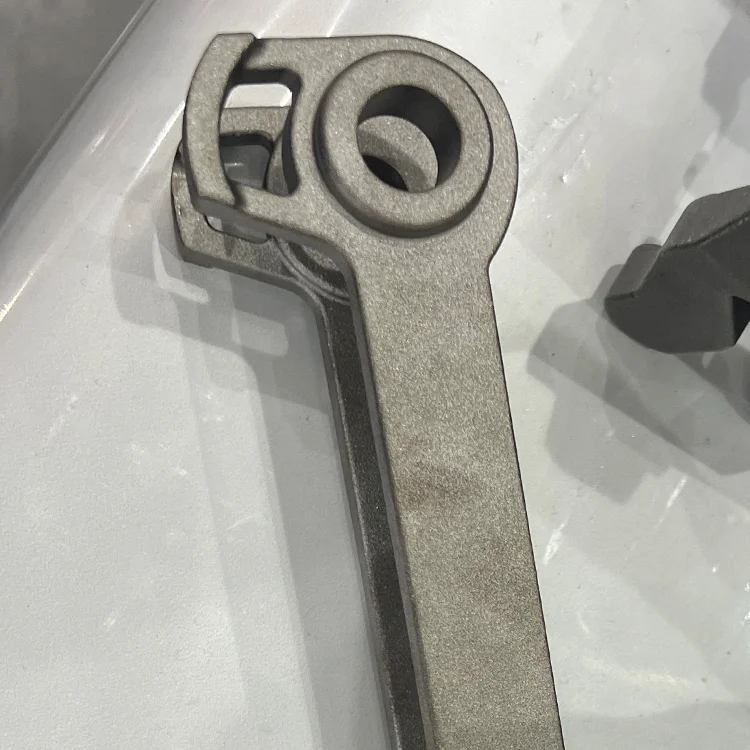
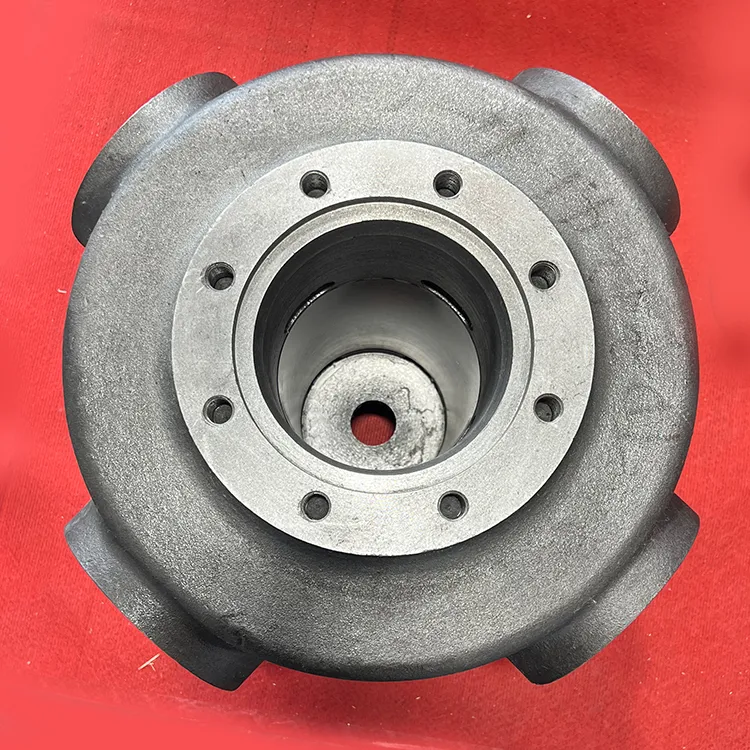
Shape a low-volume mechanical-part enquiry around the required material, quantity and finished geometry. Alloy steel sand casting is a service direction, with customized sizes, a CT4–CT6 tolerance reference and machining work agreed for the component.
Define what the low-volume batch needs to establish
State the quantity and purpose of the requested mechanical parts. Identify the steel grade and the geometry that needs to be manufactured, then agree the casting route for that requirement. A batch definition connected to the actual part keeps the custom enquiry specific without assuming a fixed minimum quantity.
Allocate the casting and machining requirements
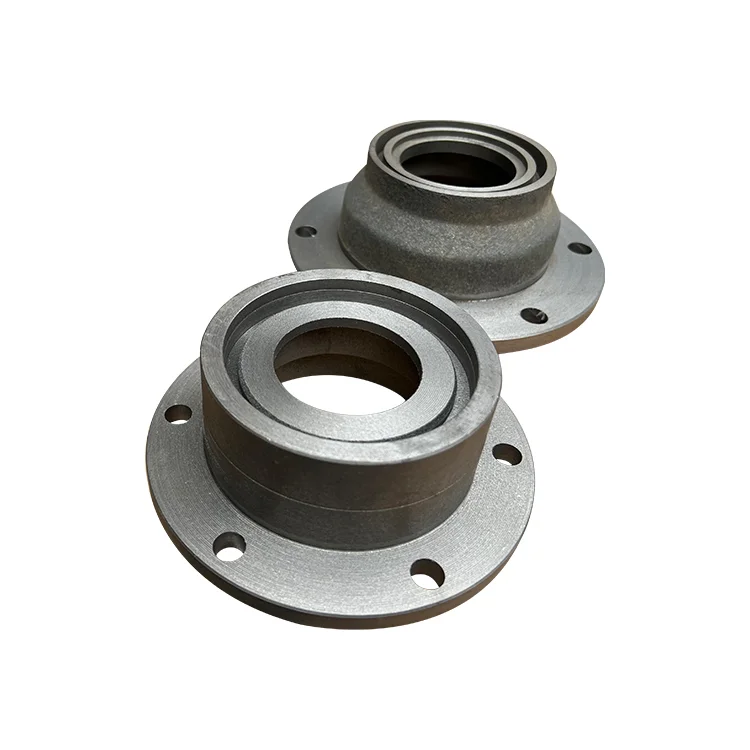
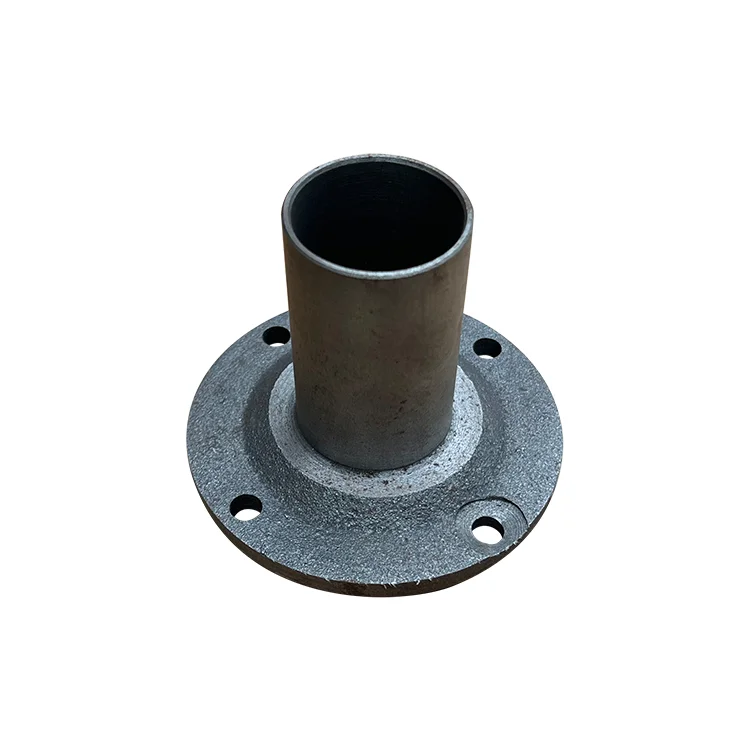
Casting, CNC, turning, milling and 5-axis work are process choices to discuss. Define the casting dimensions and where CT4–CT6 is required, then identify the features needing additional machining. Broader material enquiries also cover grey iron, ductile iron, stainless steel, aluminum and copper, with the grade and route selected for each part.
Connect the finish to the component's duty
Painting, oxidation, polishing, electrophoresis and electroplating are treatment directions for the service. Select the applicable finish for the chosen metal and the surfaces it needs to address. Industrial, automotive, agricultural, aviation, construction and electrical applications each require a clear component duty and any relevant qualification requirements.
Bring the drawing and quality scope together
Drawing options include PDF, DXF and DWG in 2D, and STEP, IGS and PRT in 3D. Identify the controlling drawing revision and its acceptance requirements for the batch. Where ISO9001 is needed for the order, establish the relevant certificate scope alongside the material, casting and machining agreement.








