Jewelry/3D Hand-Casting Kit/Service Scope | OEM/ODM STL Casting and Rapid Prototyping
Let’s define your requirement
Send a product link, drawing or short brief. We’ll work through the details with you.
- Confirm the specificationGrade or model, size and intended use.
- Define your orderQuantity, finish or configuration, and samples.
- Agree the quotation scopeIncluded work, key checks and delivery needs.
-
CNC Machining or NotNot CNC MachiningTypeOther Machining Services, Rapid Prototyping
-
Material CapabilitiesAluminum, Brass, Bronze, Copper, Hardened Metals, Precious Metals, Stainless Steel, Steel Alloys, PlasticMicro Machining or NotNot Micro Machining
-
Processing Typedie casting, vacuum casting, Investment Casting
-
Materialmetal, plastic etc.Surface treatmentDepends
-
OEM/ODMSupportQuality controlSupport
-
Product TypeCustomized serviceFile Format.stl
-
Keywordcasting services
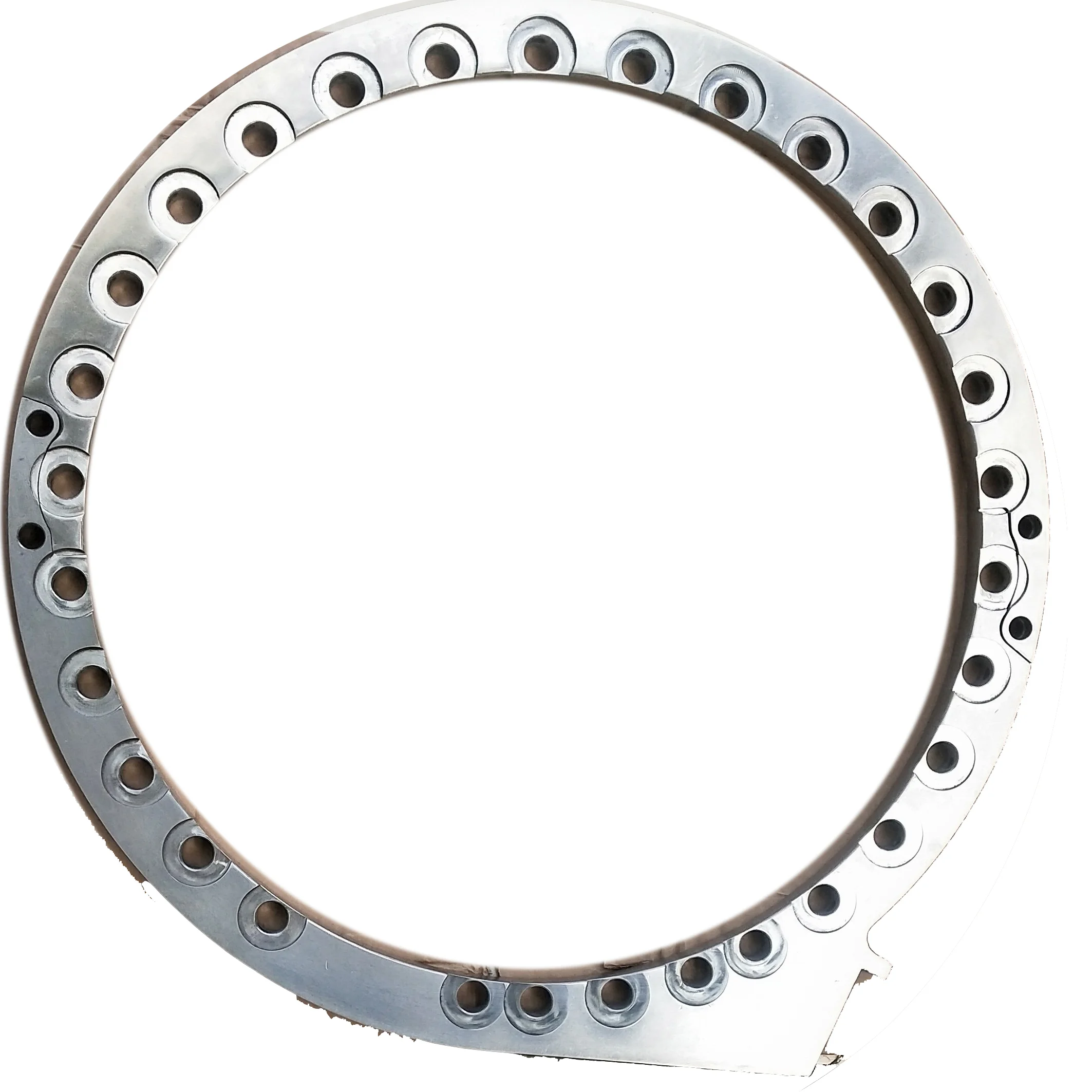
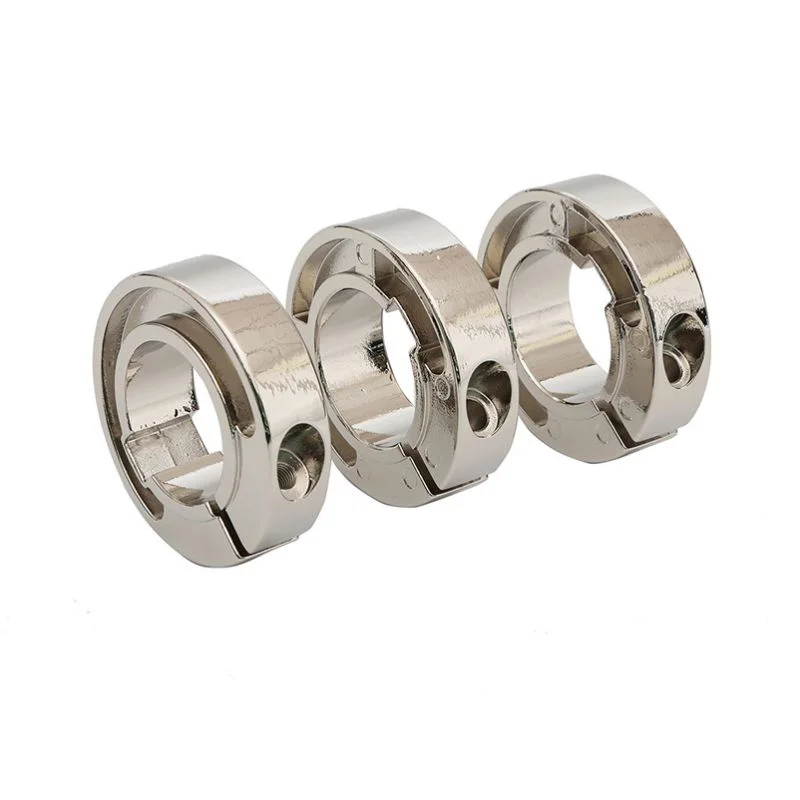
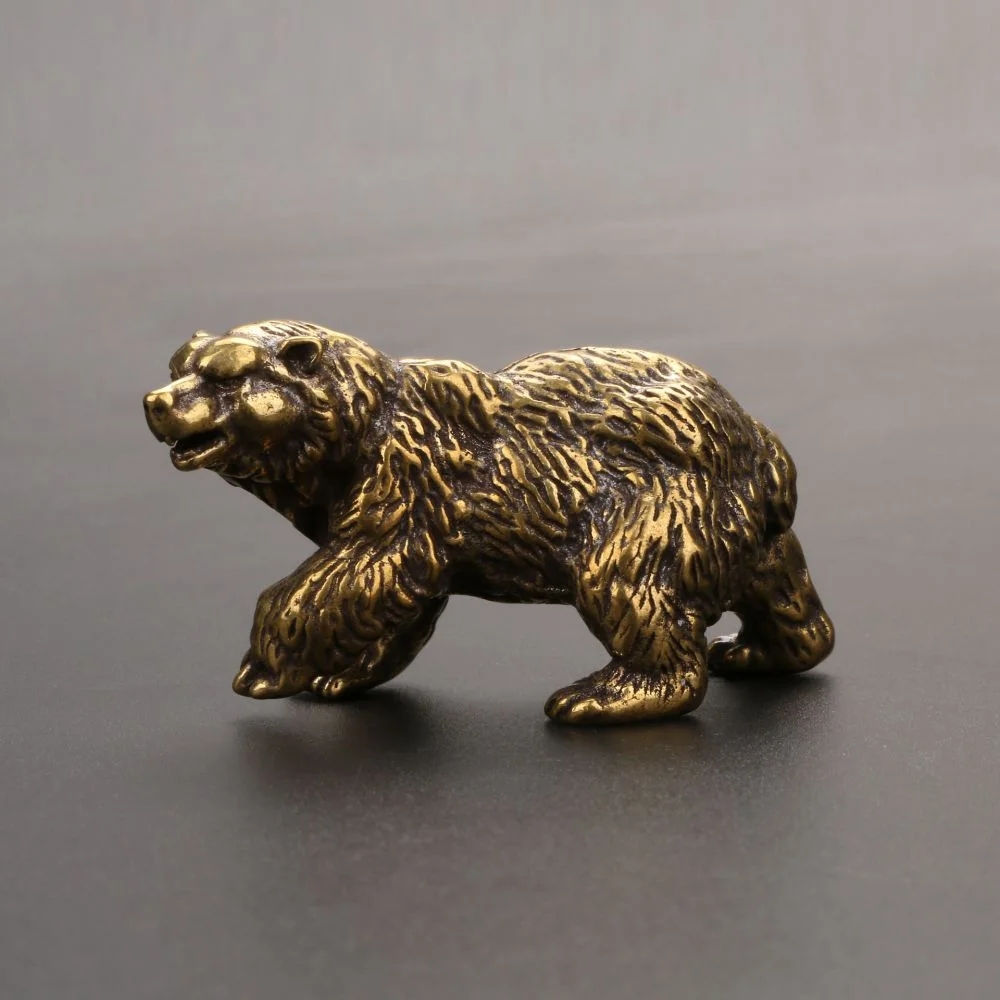
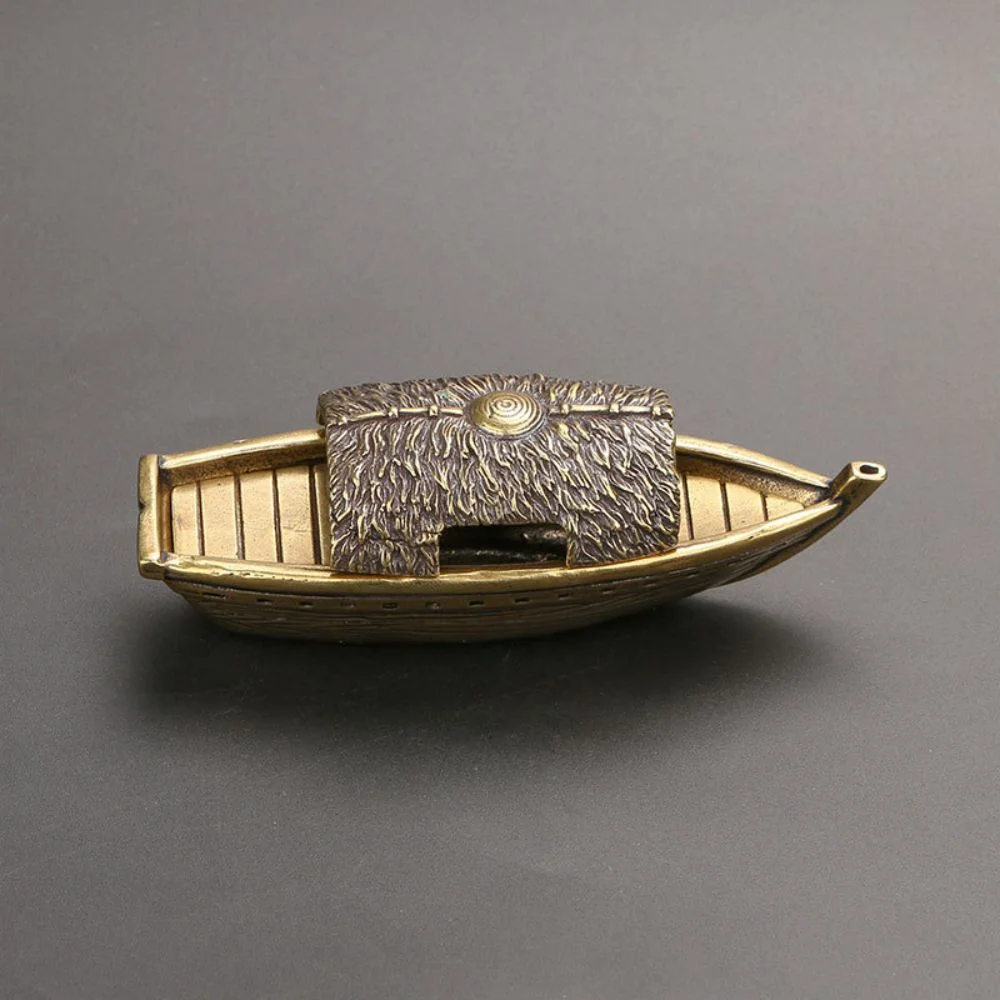
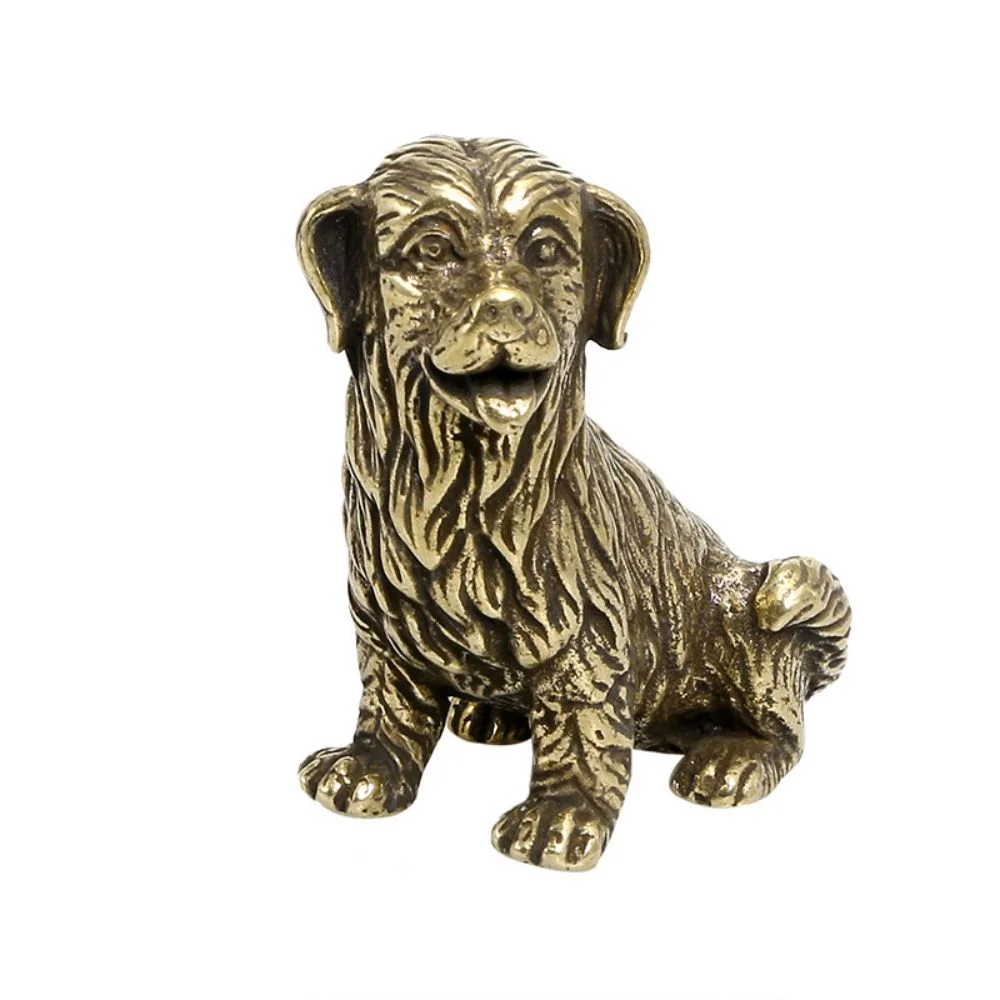
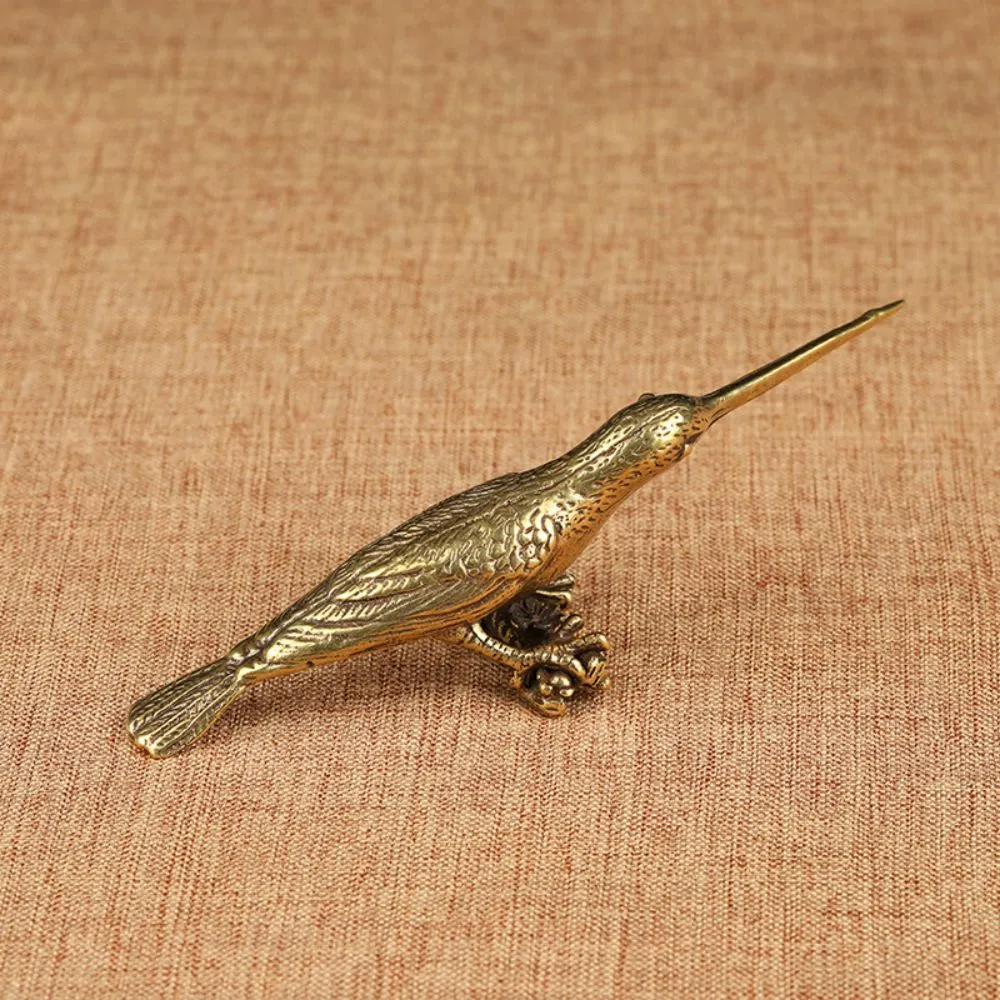
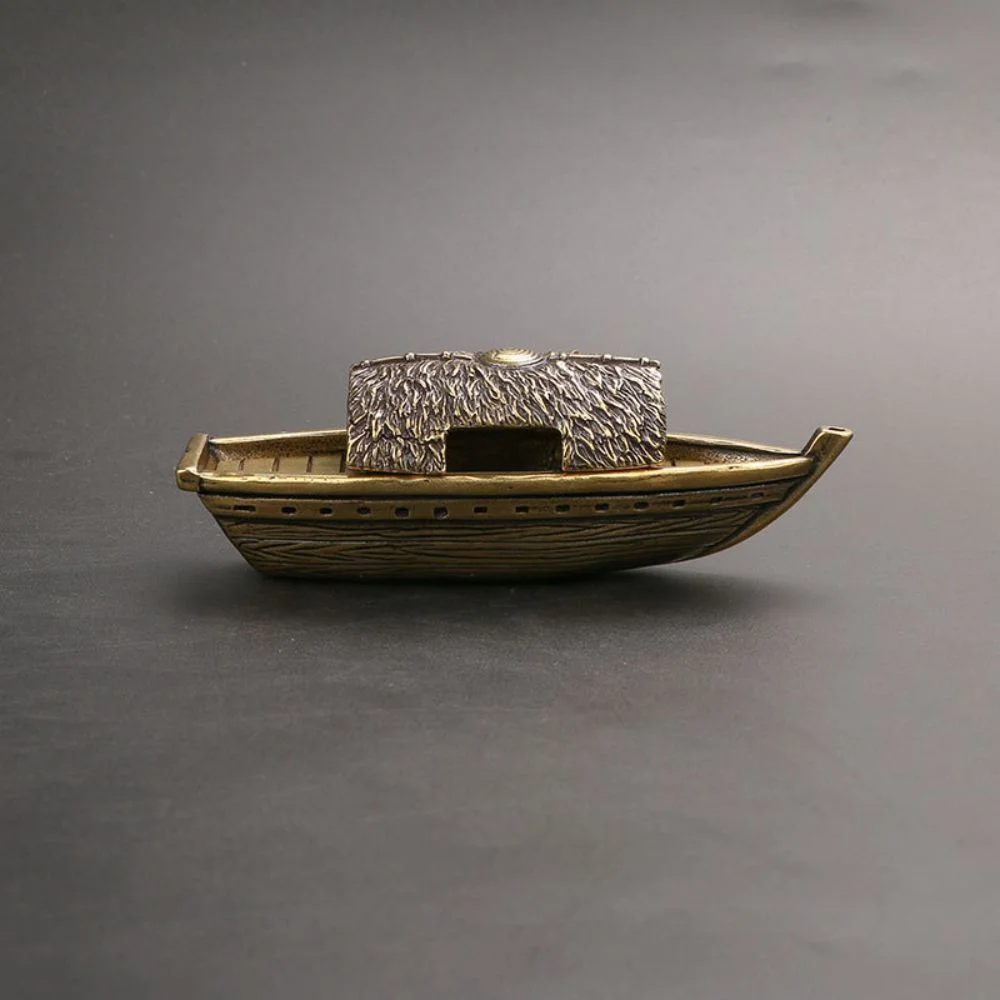
Jewelry and 3D hand-casting work has a kit/set direction alongside customized casting and rapid-prototyping services. Confirm the actual supplied object and inclusions for the request. OEM/ODM and quality-control support are available, with STL inputs and other machining-service scope. The work is non-CNC and non-micro machining.
Define the kit or customized service requirement
Identify whether the request concerns a defined kit/set, custom casting work or an agreed combination of supplied items and services. Describe the actual geometry and the operations required for the jewelry or 3D hand-casting task. Agree the inclusions before treating the broad kit direction as a complete component set.
Select the material and casting route
Material directions are aluminum, brass, bronze, copper, hardened metals, precious metals, stainless steel, steel alloys and plastic. Processing directions include die casting, vacuum casting and investment casting. Choose the actual material and suitable route for the requested geometry, keeping the non-CNC and non-micro scope explicit. Surface requirements depend on the selected work and should be agreed for that component or supplied item.
Use STL geometry to agree acceptance
STL inputs support the customized request and its rapid-prototyping scope. Define the intended use, dimensional requirements and finished-surface condition for the chosen material and operations. Agree the quality-control support and acceptance needed for the actual supplied object, so that the kit/service definition, geometry and casting requirements remain connected throughout the request.