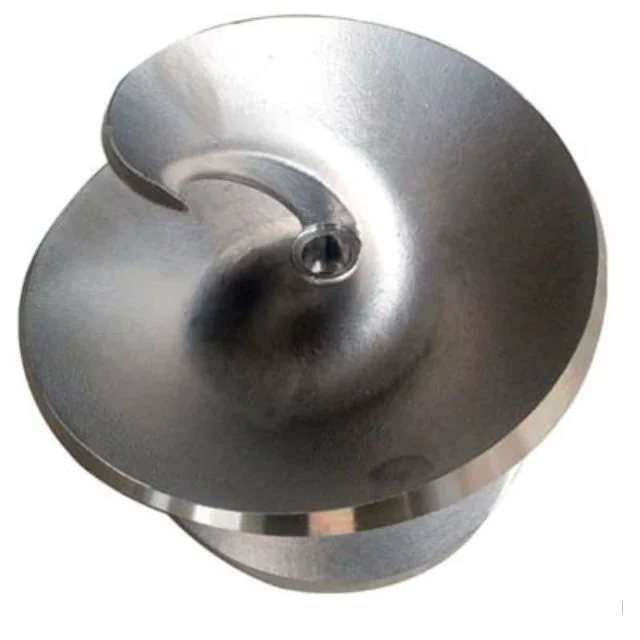
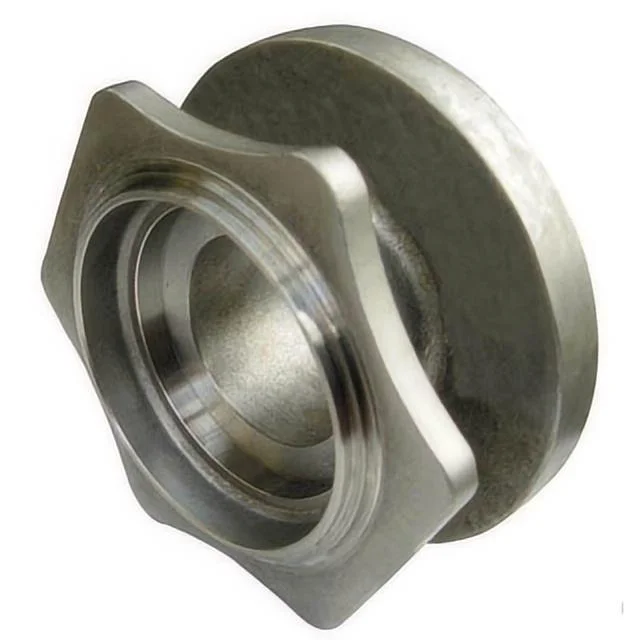
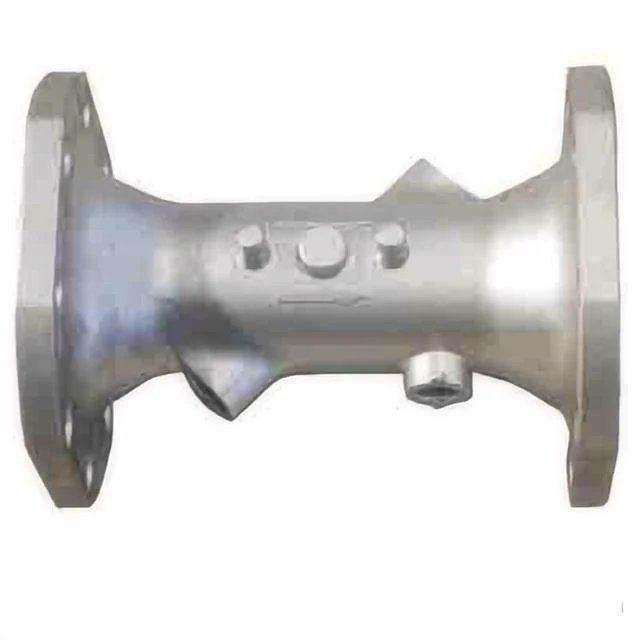
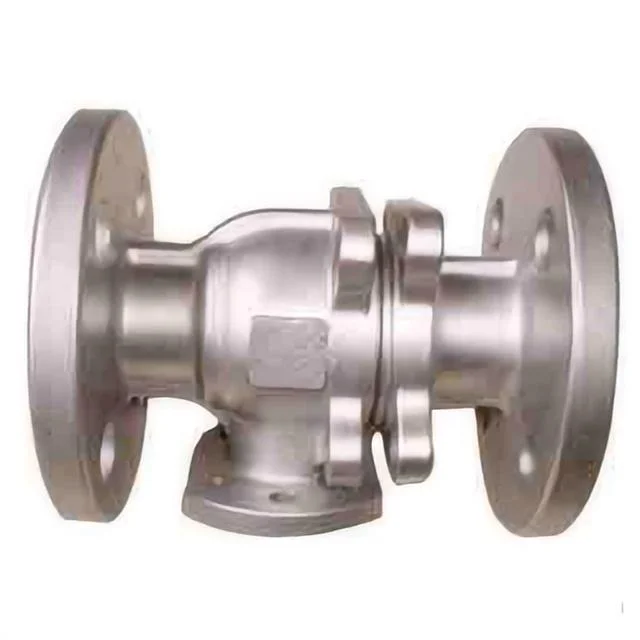
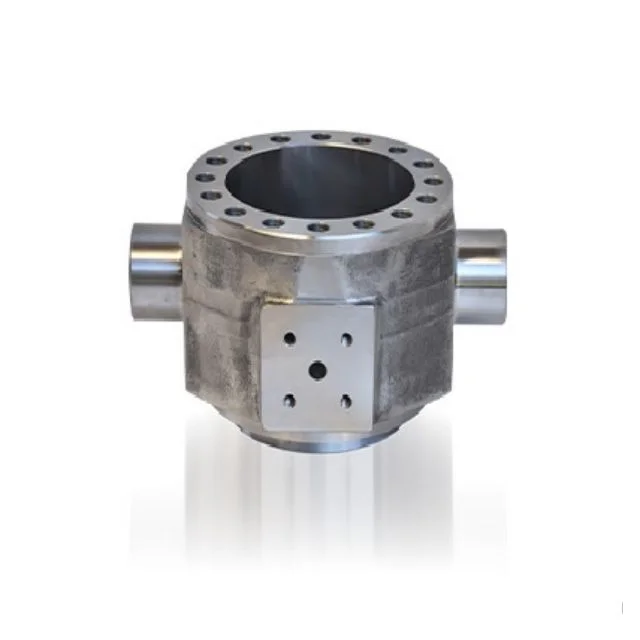
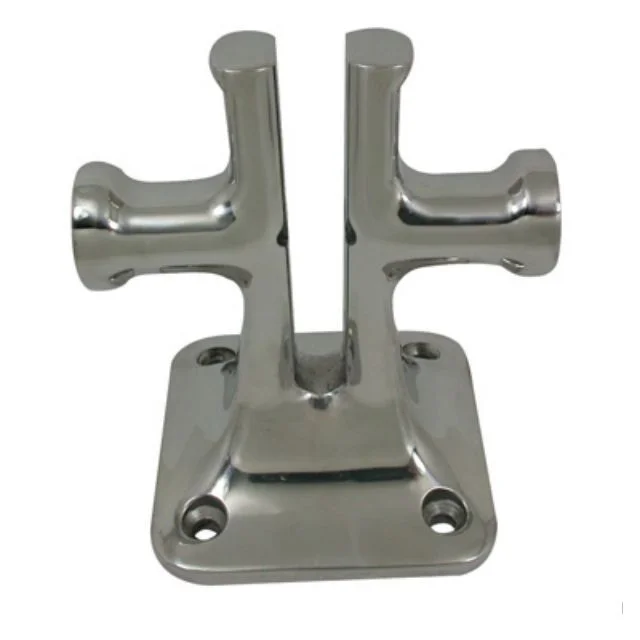
High-Precision SS304/SS316/SS316L Stainless-Steel Lost-Wax Casting | Custom Industrial Component Manufacturing
Let’s define your requirement
Send a product link, drawing or short brief. We’ll work through the details with you.
- Confirm the specificationGrade or model, size and intended use.
- Define your orderQuantity, finish or configuration, and samples.
- Agree the quotation scopeIncluded work, key checks and delivery needs.
-
Materialstainless steel
-
ProcessLost wax castingHeat TreatmentQT
-
Surface TreatmentCustomers' DemandStandardASTM. AISI. DIN. BS. JIS. NF. AS.
-
CertificationISO9001:2015NameCustomized stainless steel parts made in Lost Wax Casting Process
Custom industrial stainless-steel parts are directed to high-precision lost-wax casting, with SS304, SS316 and SS316L material references. Surface treatment follows the customer's requirement. QT is the heat-treatment reference, with its exact operation and applicability to the chosen grade to agree for the actual component.
Three stainless grades and the industrial geometry
Select the actual SS304, SS316 or SS316L material requirement for the part and its intended industrial function. Define the geometry and the interfaces whose dimensions matter to that work. The qualitative high-precision direction should be connected to those selected dimensions and their inspection criteria for the actual component.
QT operation and the selected material
Establish what the QT heat-treatment reference means for the chosen grade and component requirement. Agree the actual operation and treatment acceptance within that selected manufacturing scope. Keep the grade and intended function with the treatment discussion, so the requested thermal work and its inspection address a defined stainless-steel part.
Customer surfaces, standards and finished acceptance
Surface treatment is defined to customer demand for the selected areas. ASTM, AISI, DIN, BS, JIS, NF and AS are standard references to choose for the actual material and acceptance. Relate the selected surface condition and standard to the part's geometry, operating conditions and important interfaces. Agree dimensional, surface and treatment inspection requirements together when defining the finished industrial component and the lost-wax casting scope.