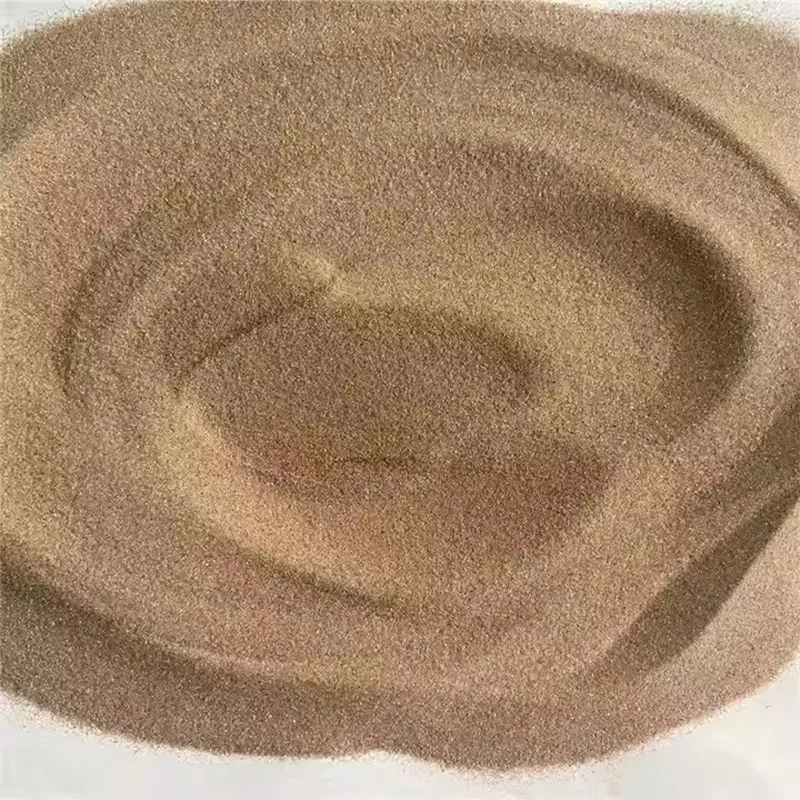
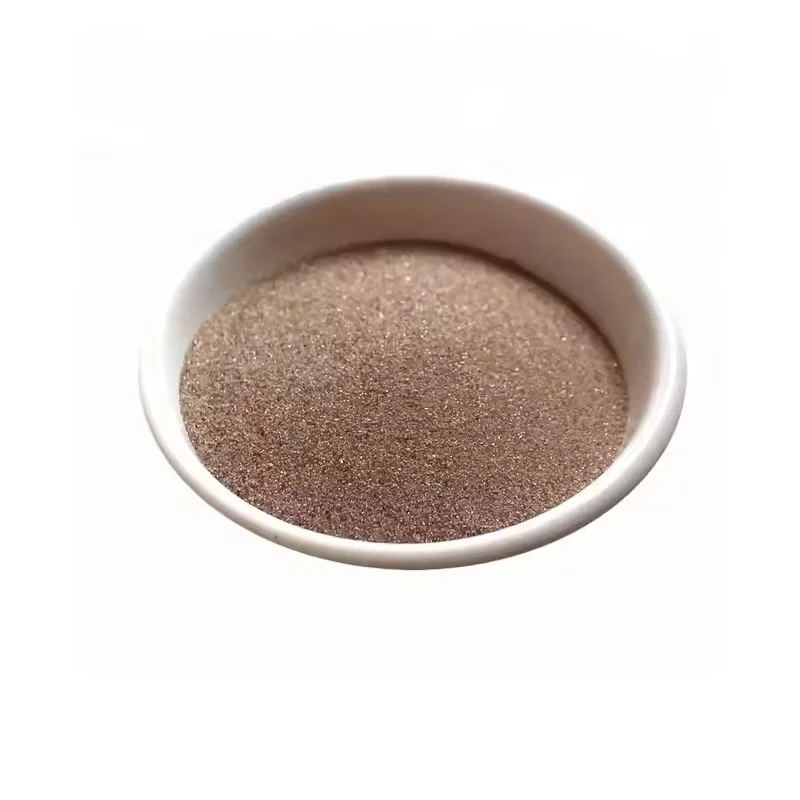
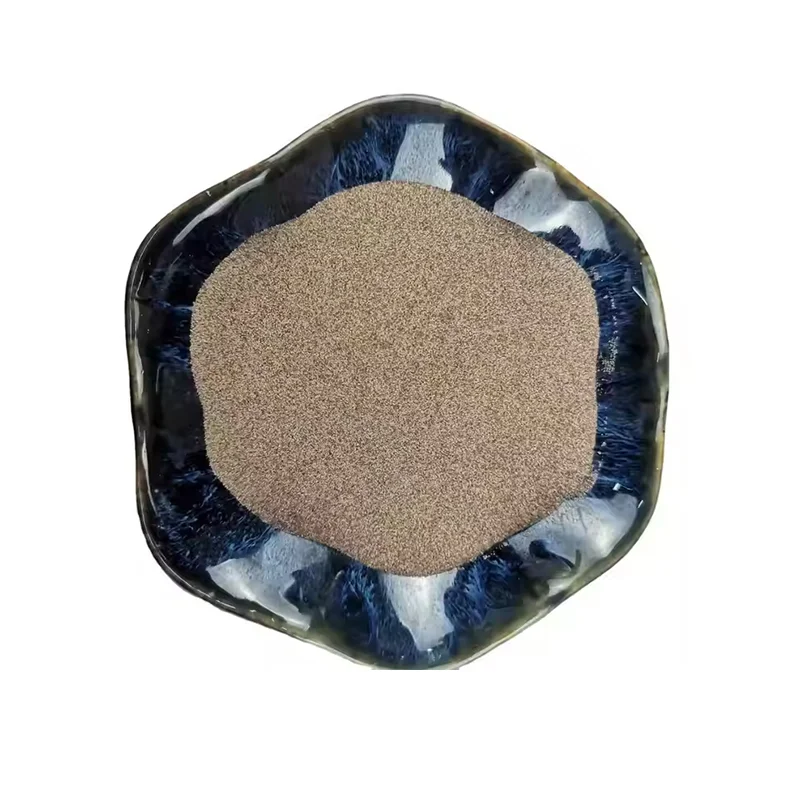
High-Grade Zircon Sand/Flour for Investment Casting/Precision Moulds | 80–180 Mesh, Low Thermal Expansion
Let’s define your requirement
Send a product link, drawing or short brief. We’ll work through the details with you.
- Confirm the specificationGrade or model, size and intended use.
- Define your orderQuantity, finish or configuration, and samples.
- Agree the quotation scopeIncluded work, key checks and delivery needs.
-
Al2O3 Content (%)0.22%CaO Content (%)0.08%
-
CrO Content (%)customizedMgO Content (%)0.01%
-
SiC Content (%)customizedSiO2 Content (%)32%~42%
-
Refractoriness (Degree)Super High Refractory (Greater Than 2000 °C)ShapePowder
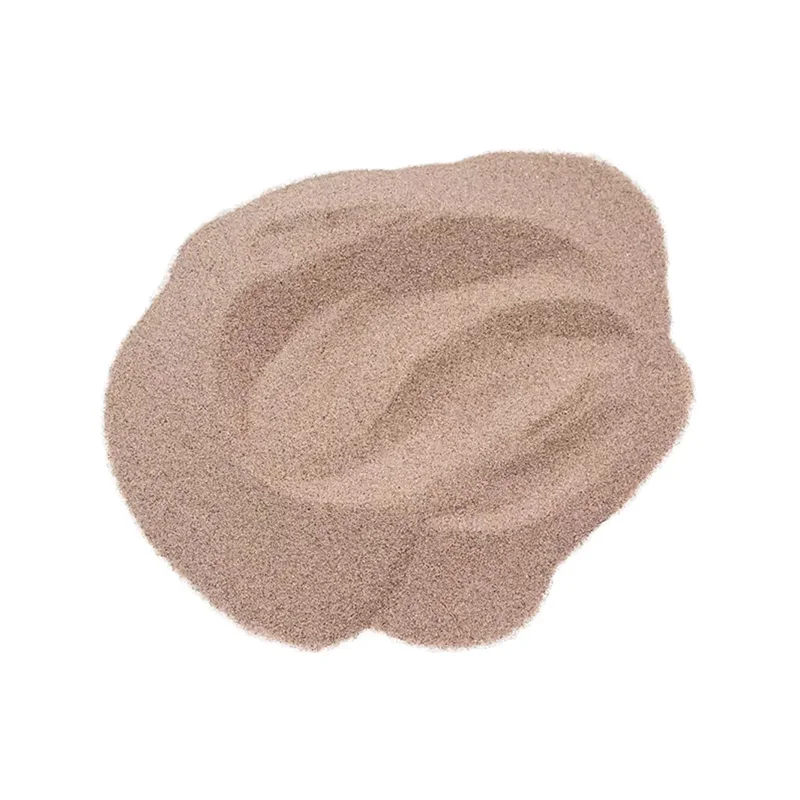
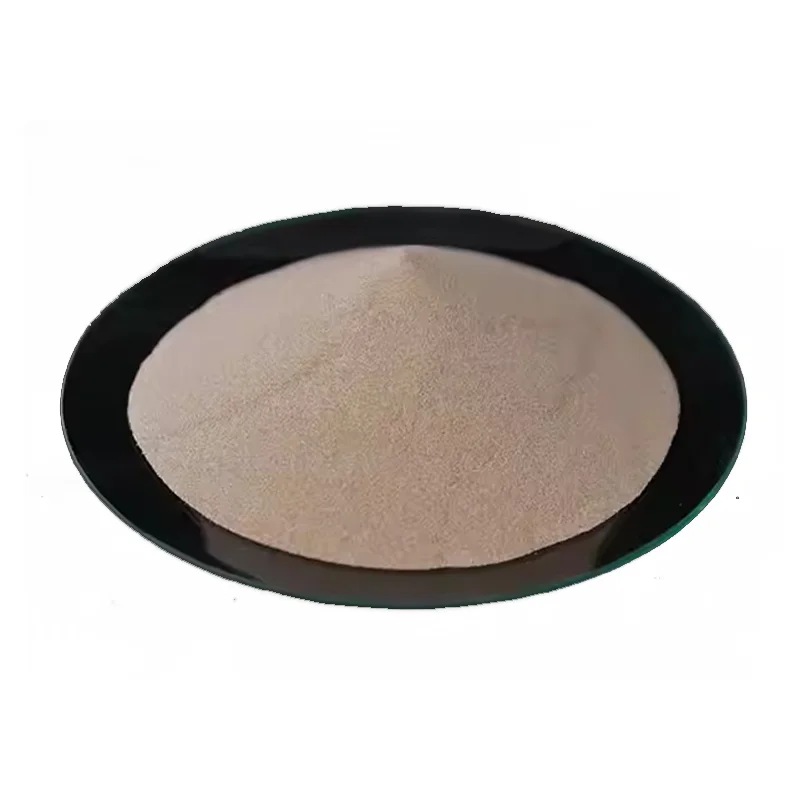
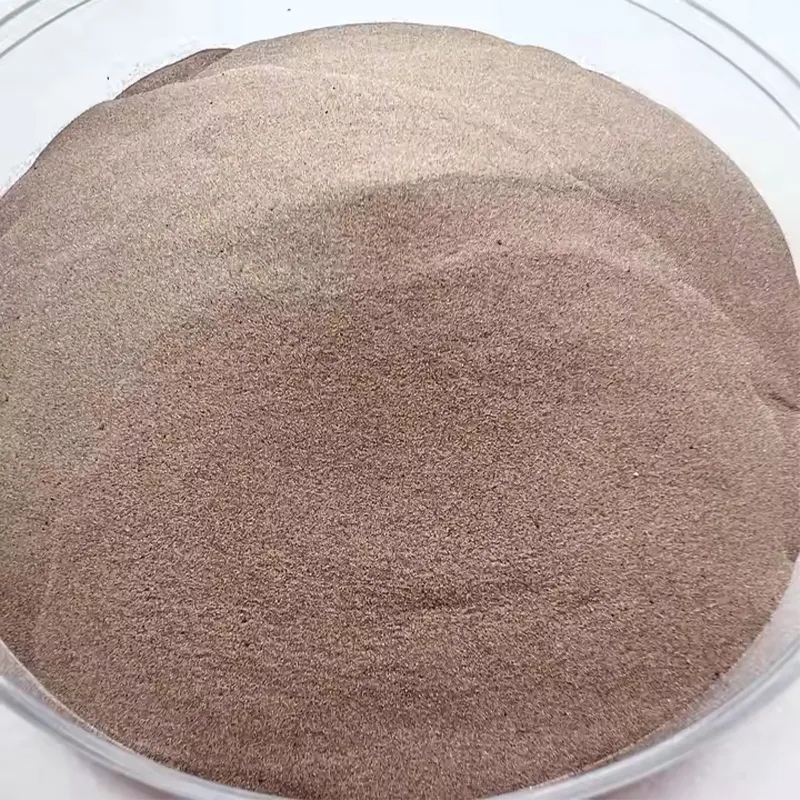
High-grade zircon sand/flour powder is intended for investment casting and precision moulds. Fine-mesh references span 80–180, with low thermal expansion as a material characteristic. Refractoriness is above 2000°C, providing a specific thermal reference to consider alongside the actual mould process and working conditions.
Select the mesh and mould requirements
Define the actual grade and mesh standard for the selected investment-casting or precision-mould request. Agree the particle-size distribution required within the 80–180 mesh direction and the low-expansion requirement for the process. Keep those requirements associated with the material to be supplied and the mould acceptance being used.
Review the composition and customized contents
Composition references cover four numerical contents, while CrO and SiC content can be customized. Identify the actual composition targets required for the chosen grade and review them together with the particle-size requirement.
- Al2O3 content
- 0.22%
- CaO content
- 0.08%
- MgO content
- 0.01%
- SiO2 content
- 32–42%
- CrO and SiC contents
- Customized targets to agree for the selected material.
Separate refractoriness from the working schedule
The above-2000°C refractoriness reference should be considered with the actual operating thermal conditions for the mould process. Agree the working schedule and the material acceptance needed for that application. Review the selected grade, particle-size distribution, composition and low-expansion requirements together so that the powder request is defined by the precision-mould or investment-casting work it will support.