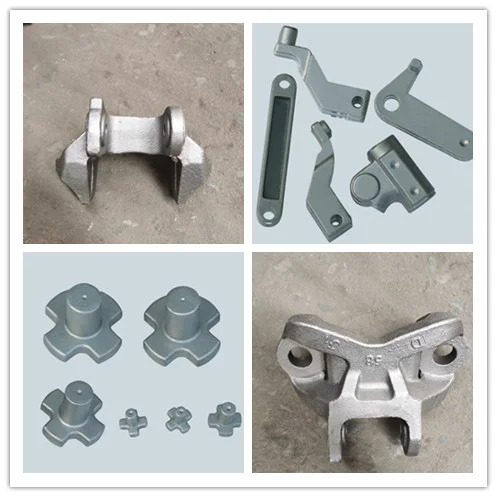
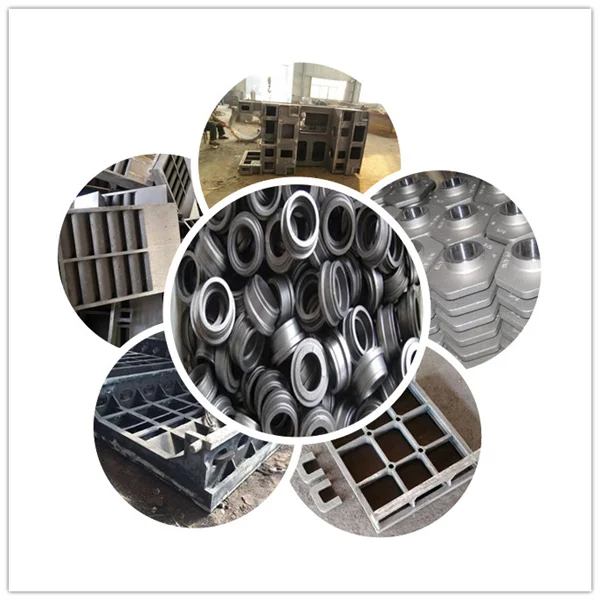
Heat-Resistant Stainless Steel Custom Casting Parts, Silica-Sol Lost-Mold/Lost-Wax Services with OEM/ODM and CNC
Let’s define your requirement
Send a product link, drawing or short brief. We’ll work through the details with you.
- Confirm the specificationGrade or model, size and intended use.
- Define your orderQuantity, finish or configuration, and samples.
- Agree the quotation scopeIncluded work, key checks and delivery needs.
-
MaterialStainless Steel
-
ApplicationIndustrySurface treatmentThe customer request
-
Product nameCustom Casting PartsQuality Control100% Inspection
-
ServiceOEM ODM CustomisedProcessCasting +Machining(if Need)+surface Treatment
-
processInvestment mold, silica sol, lost waxNameHeat Resistant Cast Steel
-
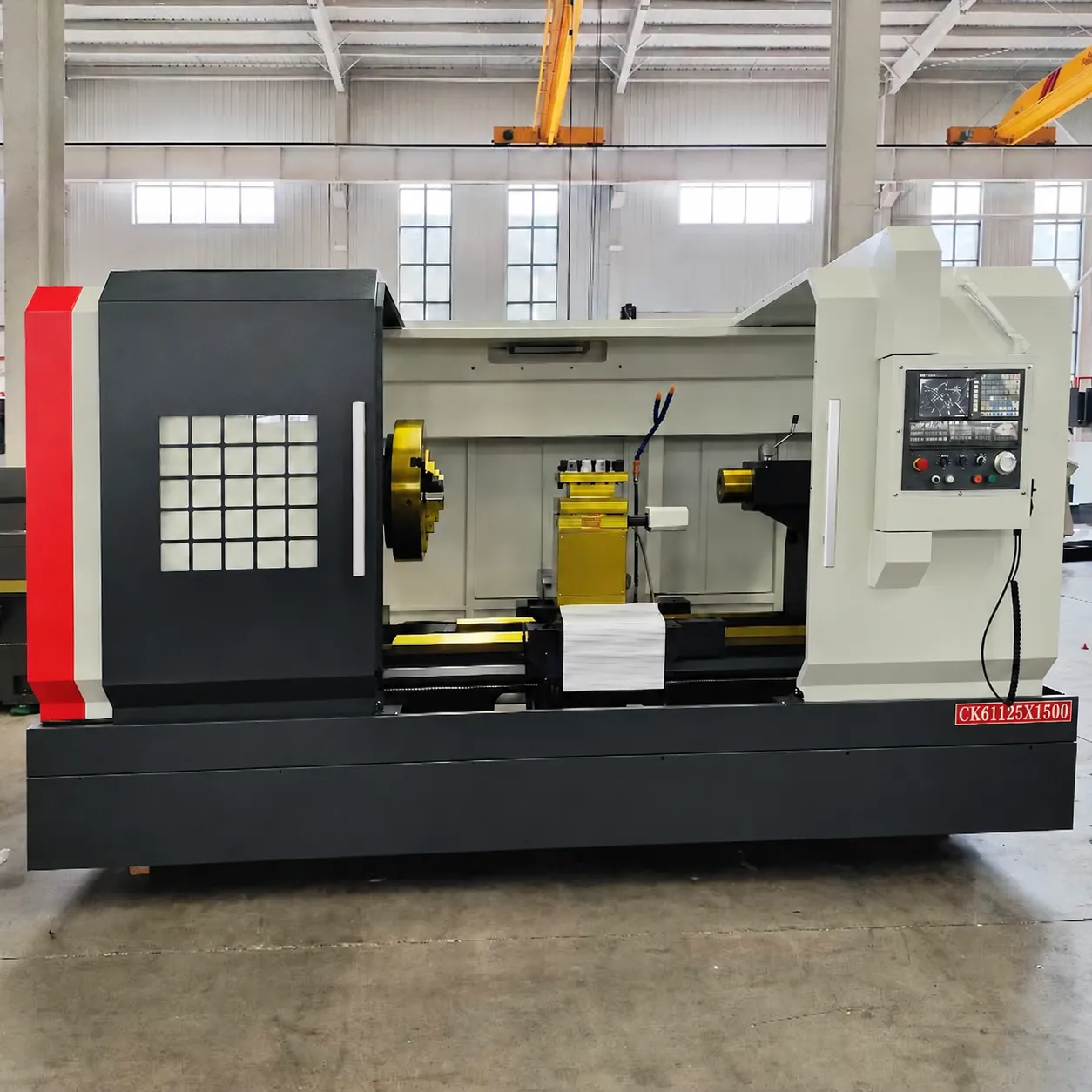
Machining ProcessLost Wax+CNC Mechining
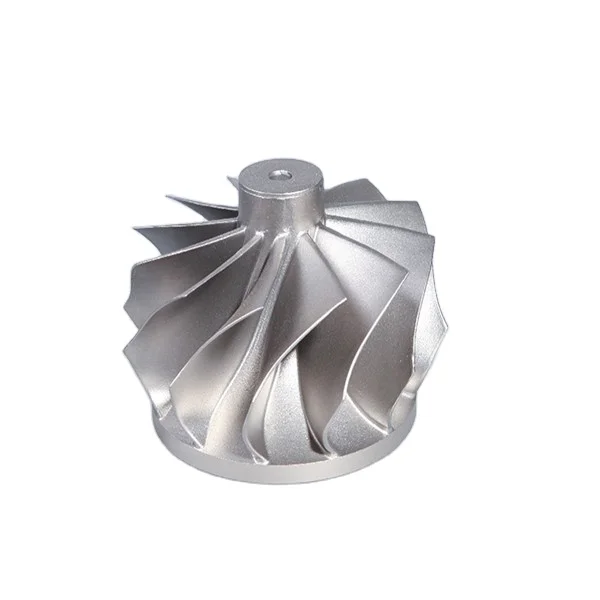
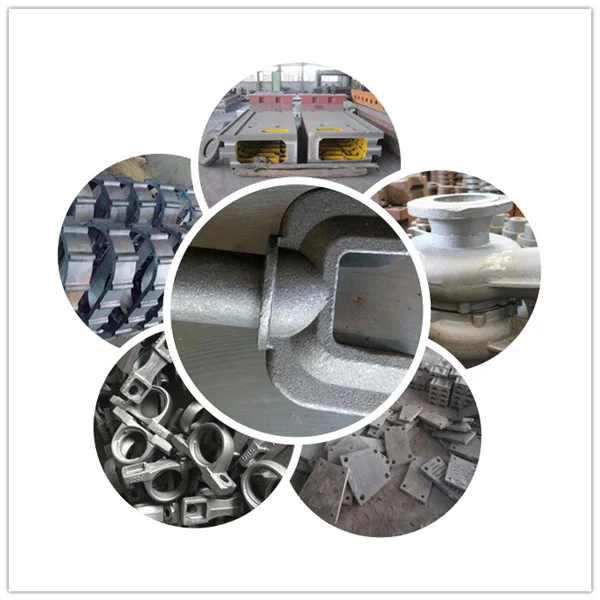
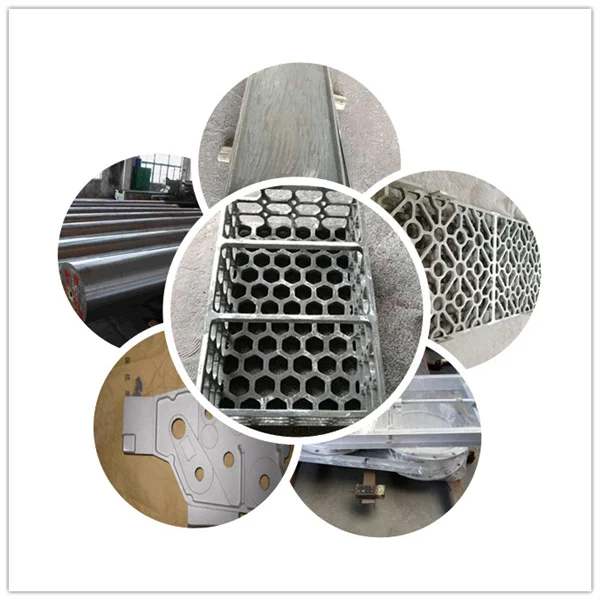
Heat-resistant stainless-steel custom castings are available for industrial OEM/ODM work. The process directions include investment mold, silica sol and lost wax, with CNC machining within the selected manufacturing scope. Surface treatment follows the customer's request, and the work includes full inspection.
Thermal duty around the selected stainless grade
The heat-resistant casting direction should be matched to the actual component and operating environment. Specify the required grade, operating temperature and exposure conditions, then define the acceptance needed for that duty. These details connect the stainless material choice to the industrial role of the finished casting and give the inquiry a component-specific thermal requirement.
Silica-sol form and the selected CNC work
Define the cast geometry, its mating interfaces and the dimensions requiring machining. The lost-wax and CNC directions can then be considered together for that particular design. Agree the selected casting route and subsequent operations against the component's finished requirements, with the requested surface treatment assigned to the areas it affects.
Inspection for the heat-resistant component
Each heat-resistant custom casting is covered by the 100% inspection scope. Establish the material, dimensional and surface checks required for the chosen part. Include the relevant thermal-use acceptance in that discussion so the inspection plan addresses the intended component and its operating conditions. The OEM/ODM request can then connect the selected grade, cast shape, CNC work and requested surfaces through a defined acceptance basis.