Custom Steel Investment/Lost-Wax Casting Services | AISI/ASTM and Drawing/Sample Size Requirements
Let’s define your requirement
Send a product link, drawing or short brief. We’ll work through the details with you.
- Confirm the specificationGrade or model, size and intended use.
- Define your orderQuantity, finish or configuration, and samples.
- Agree the quotation scopeIncluded work, key checks and delivery needs.
-
processinvestment casting
-
standardsAISI,ATSM,UNI,BS,DIN,JIS,GB etc.sizeas drawings or samples
-
Servicelost wax castingMaterialSteel
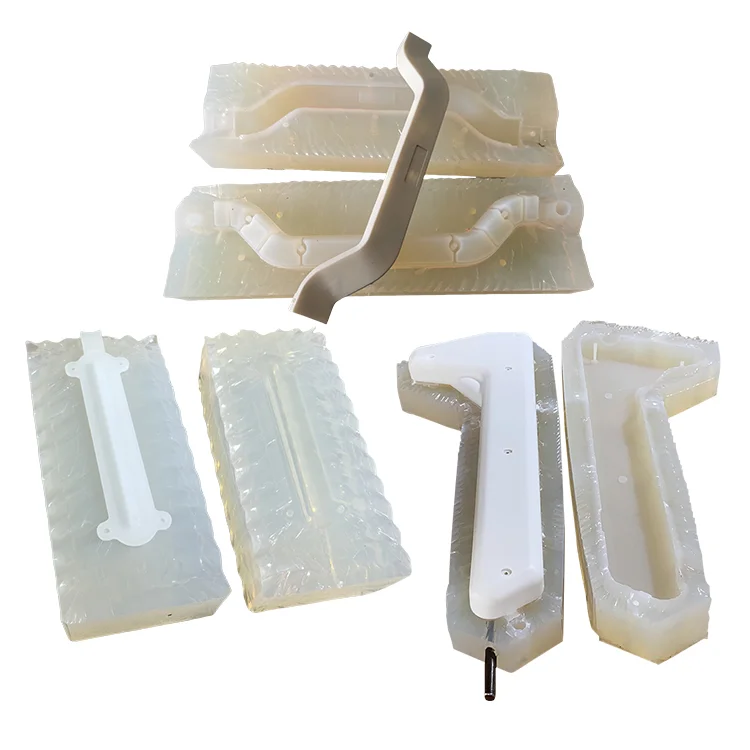
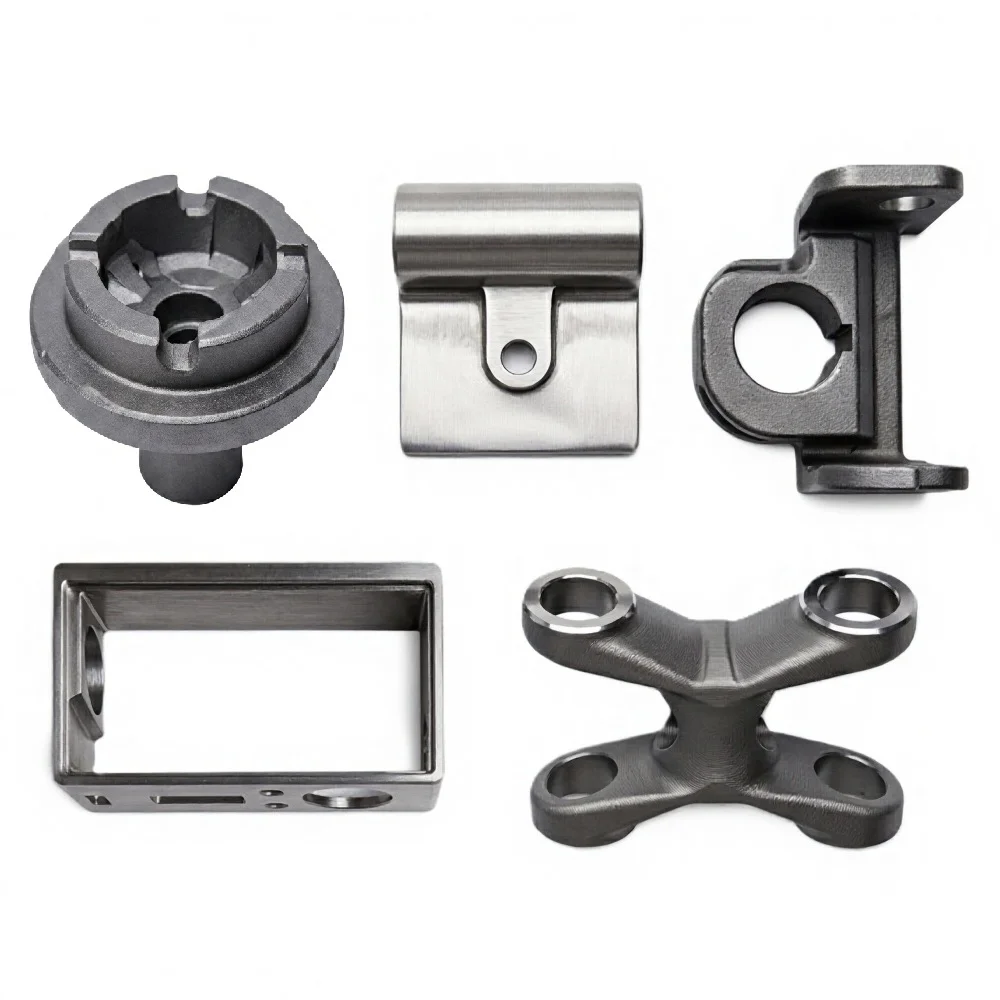
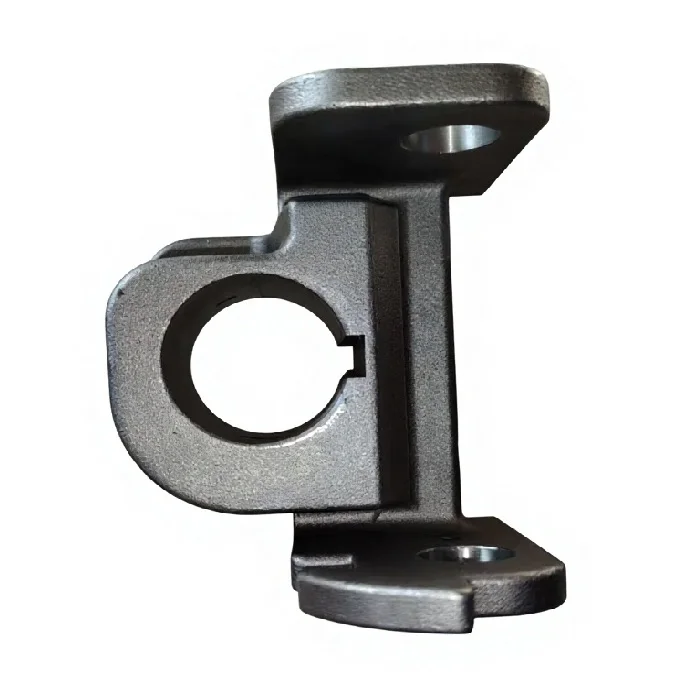
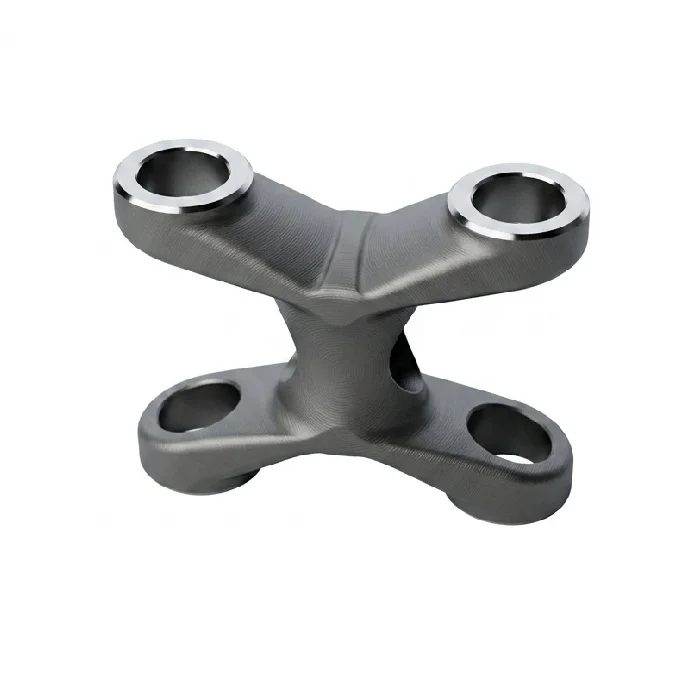
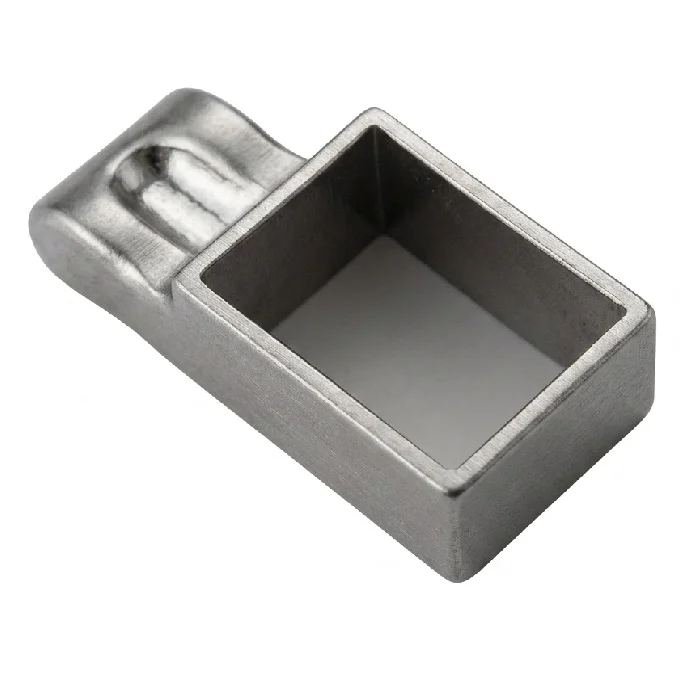
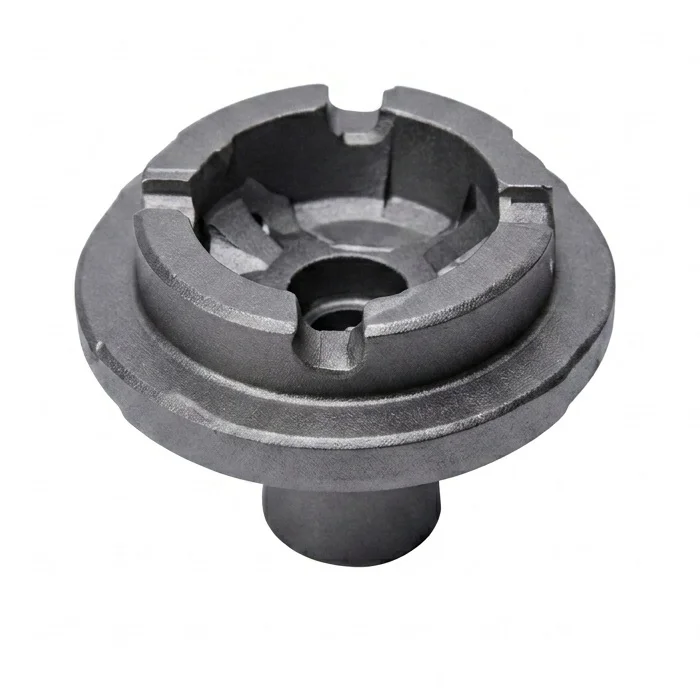
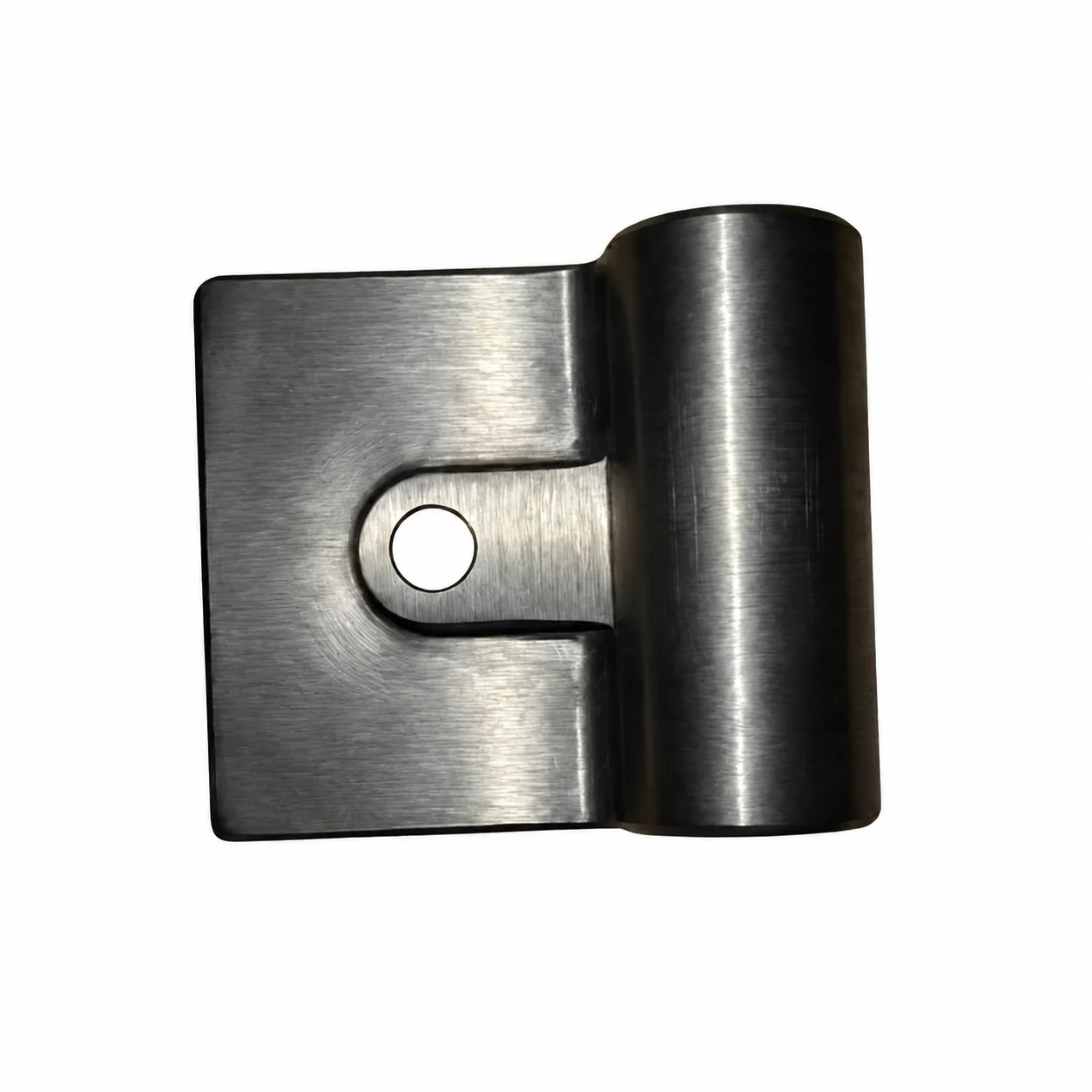
Steel components are offered through custom investment/lost-wax casting services. Drawings or customer samples establish the size requirement, while standard references help define the actual material selection. The chosen steel grade, component geometry and finished acceptance give the casting inquiry a concrete basis.
Geometry from drawings or customer samples
The size direction follows drawings or samples supplied as the design basis for the part. Use that geometry to identify the dimensions and interfaces important to the component's intended function. Establish the required cast shape and finished dimensional acceptance with the actual steel selection, so the manufacturing discussion addresses the component that is needed.
AISI/ASTM and the actual standard designation
Standard references include AISI, ASTM, UNI, BS, DIN, JIS and GB, with an additional ATSM reference to clarify for the selected requirement. Choose the actual designation and steel grade that apply to the component. Relate the material condition and acceptance requirements to that selection, keeping the standard discussion connected to the drawing or sample geometry.
Cast-part acceptance and intended duty
Investment/lost-wax casting provides the process direction for this steel-part inquiry. Define the surface condition and inspection acceptance needed for the selected geometry, alongside its important dimensions. The component's function, mating interfaces and operating conditions should also be established before the custom scope is finalized. Those details connect the steel choice and casting work to a specific finished-part requirement.