Custom Steel Engine Parts | Precision Machining, Investment and Lost-Wax Casting in 304/316/316L Stainless
Let’s define your requirement
Send a product link, drawing or short brief. We’ll work through the details with you.
- Confirm the specificationGrade or model, size and intended use.
- Define your orderQuantity, finish or configuration, and samples.
- Agree the quotation scopeIncluded work, key checks and delivery needs.
-
Surface FinishPassivated , PolishedAlloy Grade316L , 316 , 304
-
ItemMachining Investment Casting Lost Wax Cast Steel Engine Parts
-
MaterialSteel casting, or stainless steel 304, 316, 316L etc.Manufacturing ProcessInvestment casting, option Lost wax casting
-
Casting ToleranceCT4-8 for Steel Casting PartsMachining ProcessCNC Machining/ Lathing/ Milling/ Turning/ Boring/ Drilling etc.
-
Machining TolearnceUp to IT7, Ra 0.8~3.2 , according to customer requirementSurface TreatmentGalvanized, surface Passivatin, Polish. As customer request
-
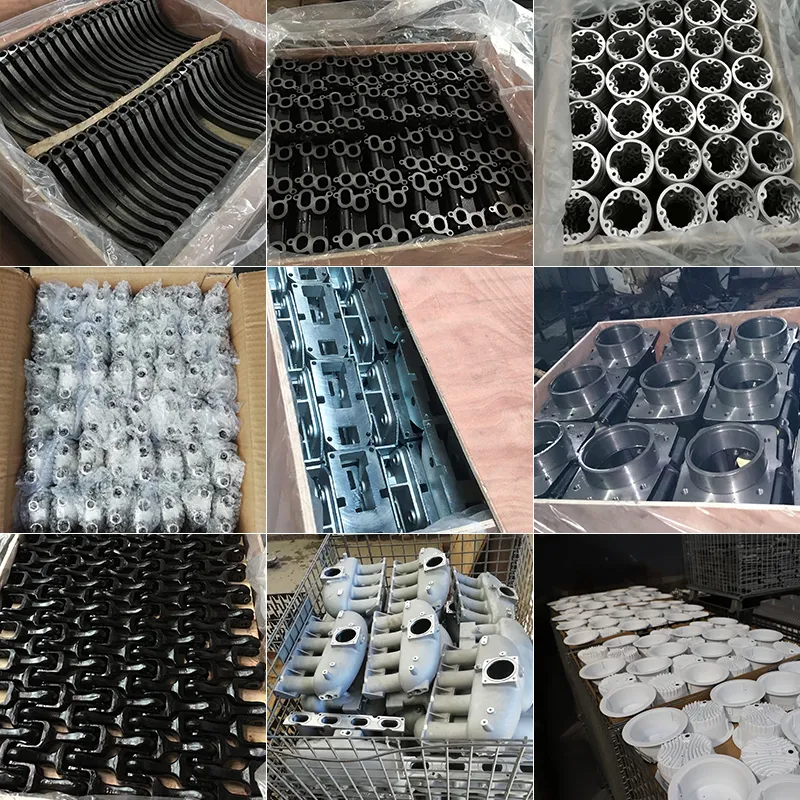
Package of Casting Steel partsMulti-layer wooden box/pallet, with big plastic bag insideLead Time45 days for Cast Steel Engine Parts
-
Our ServiceCustom Make Cast Steel Engine Parts
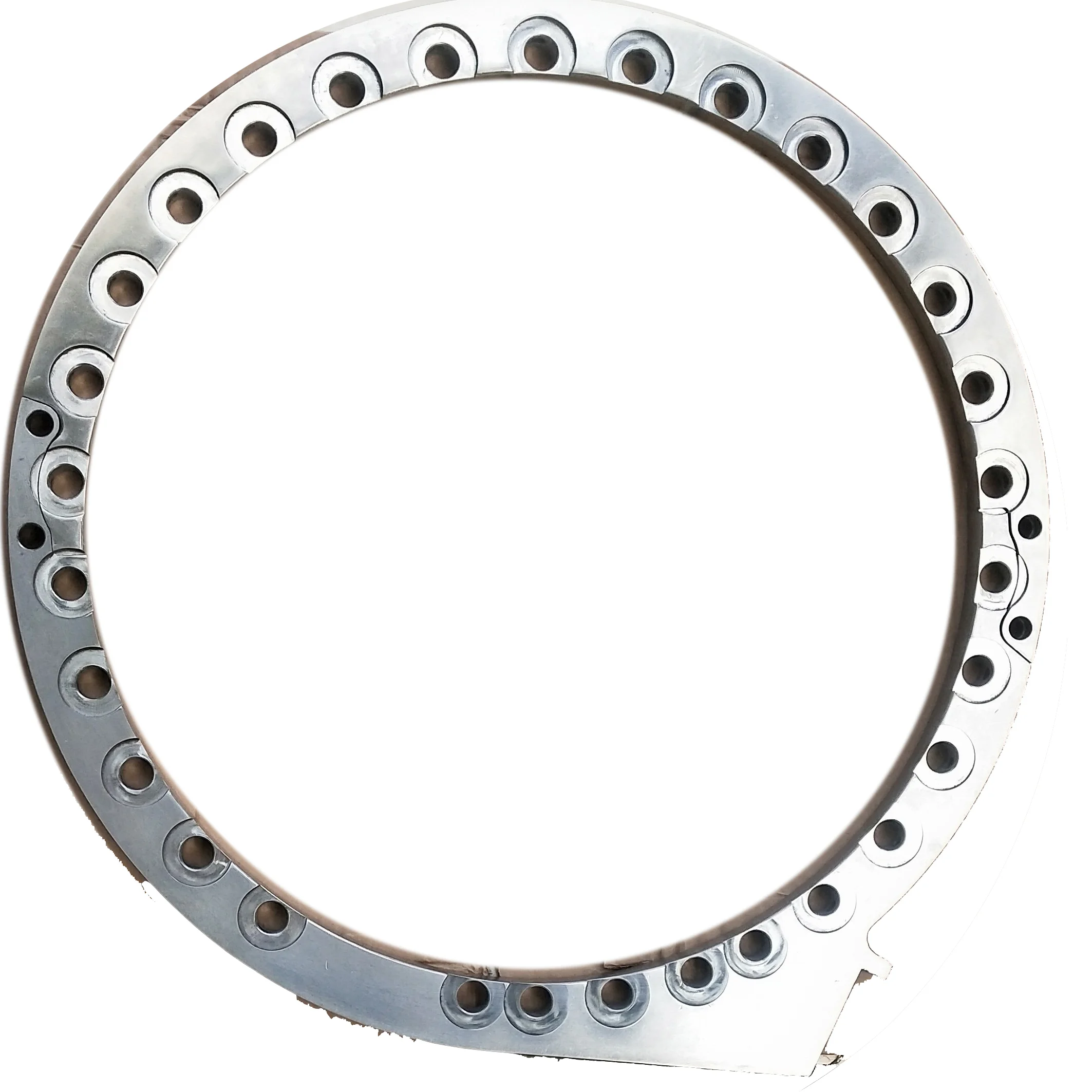
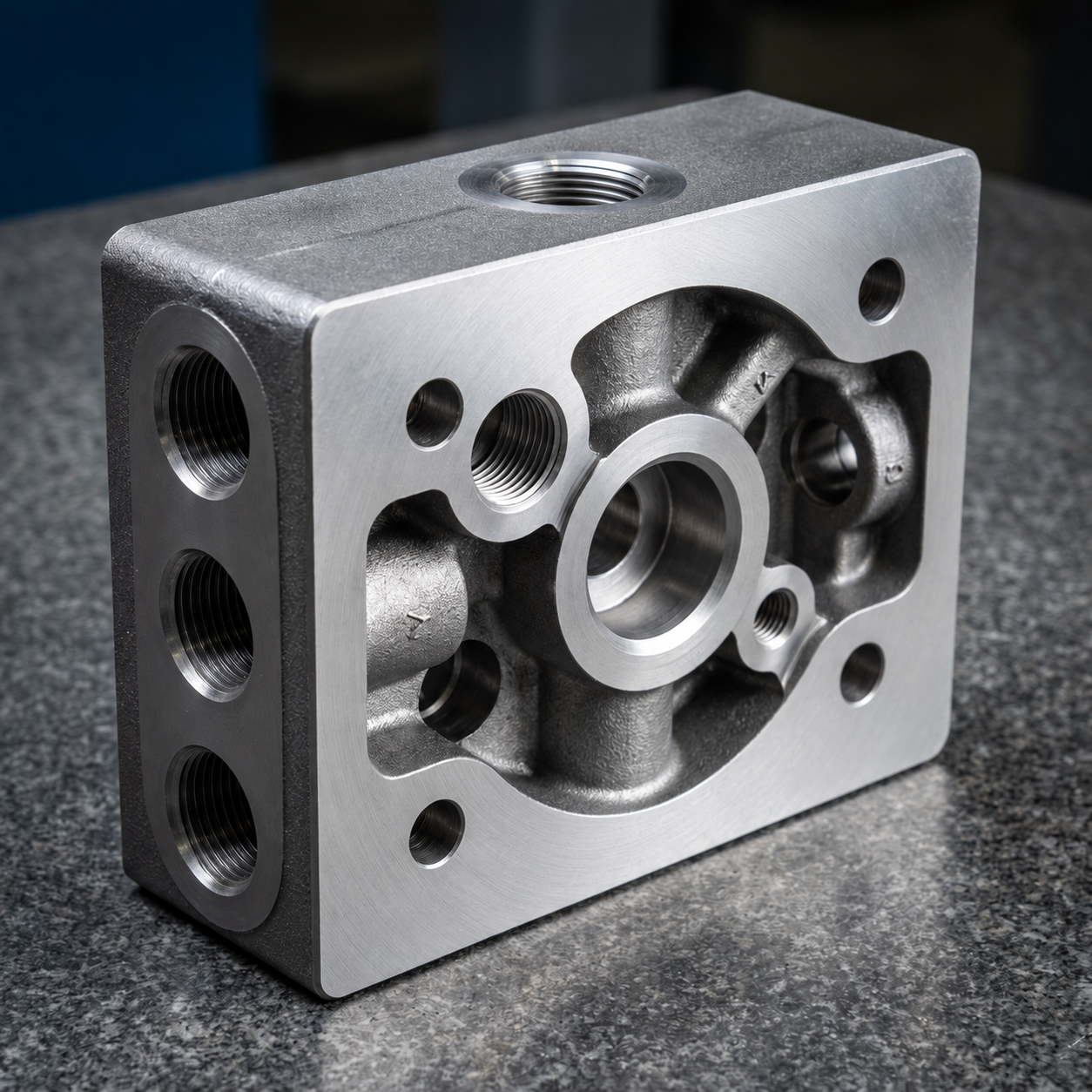
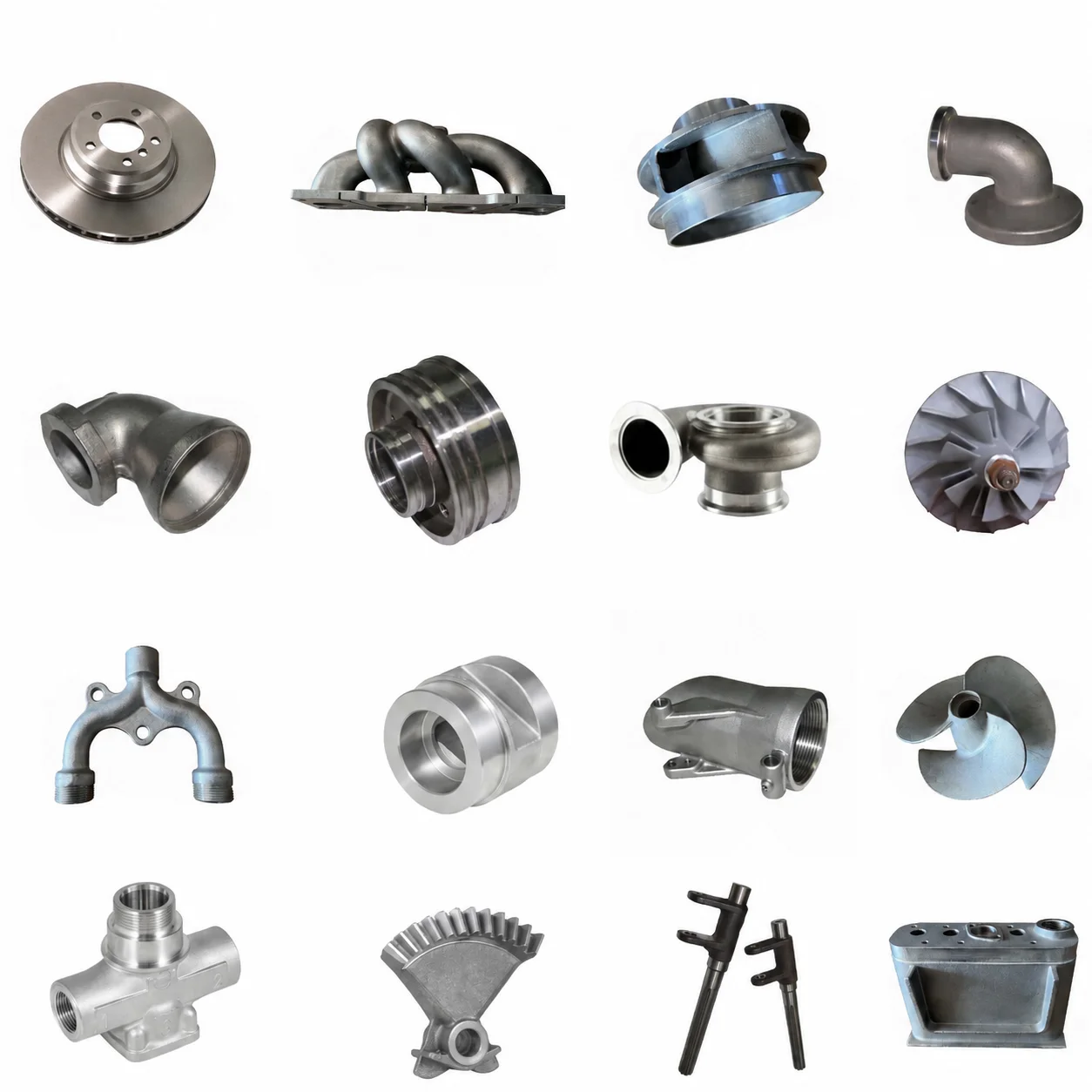
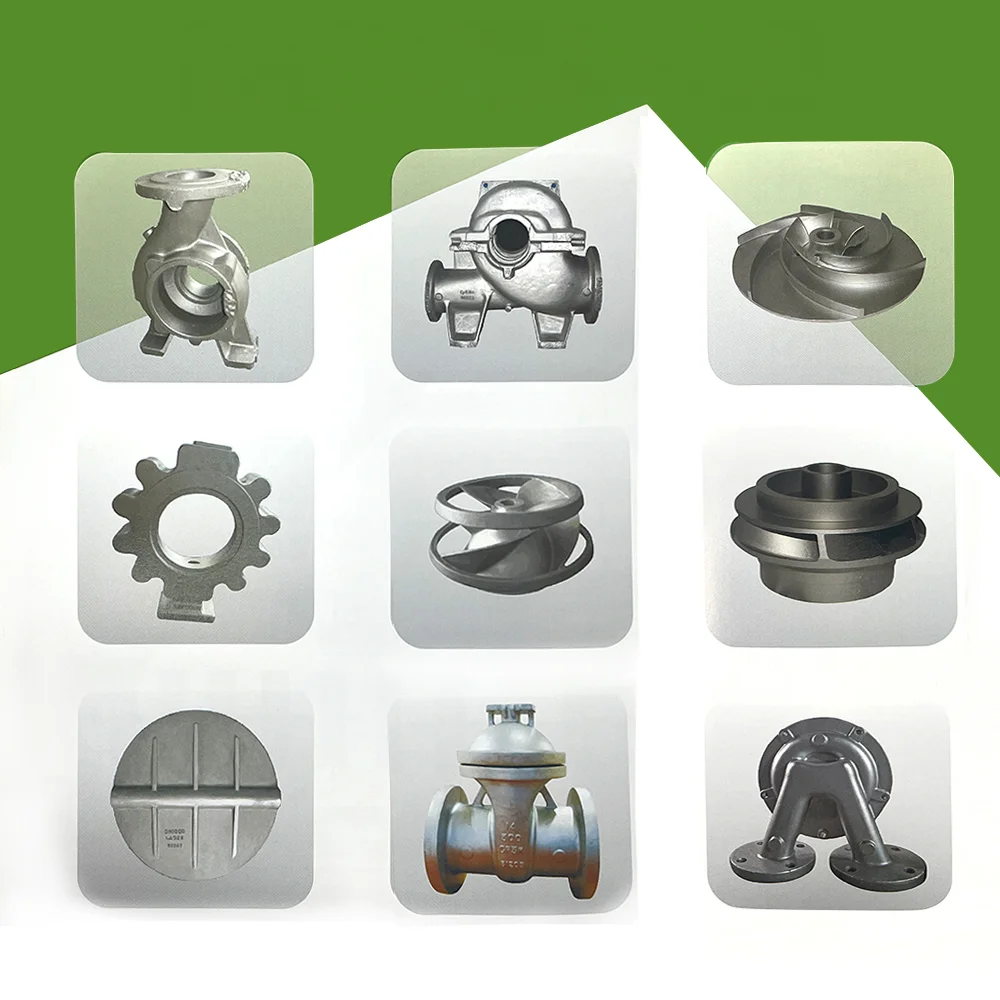
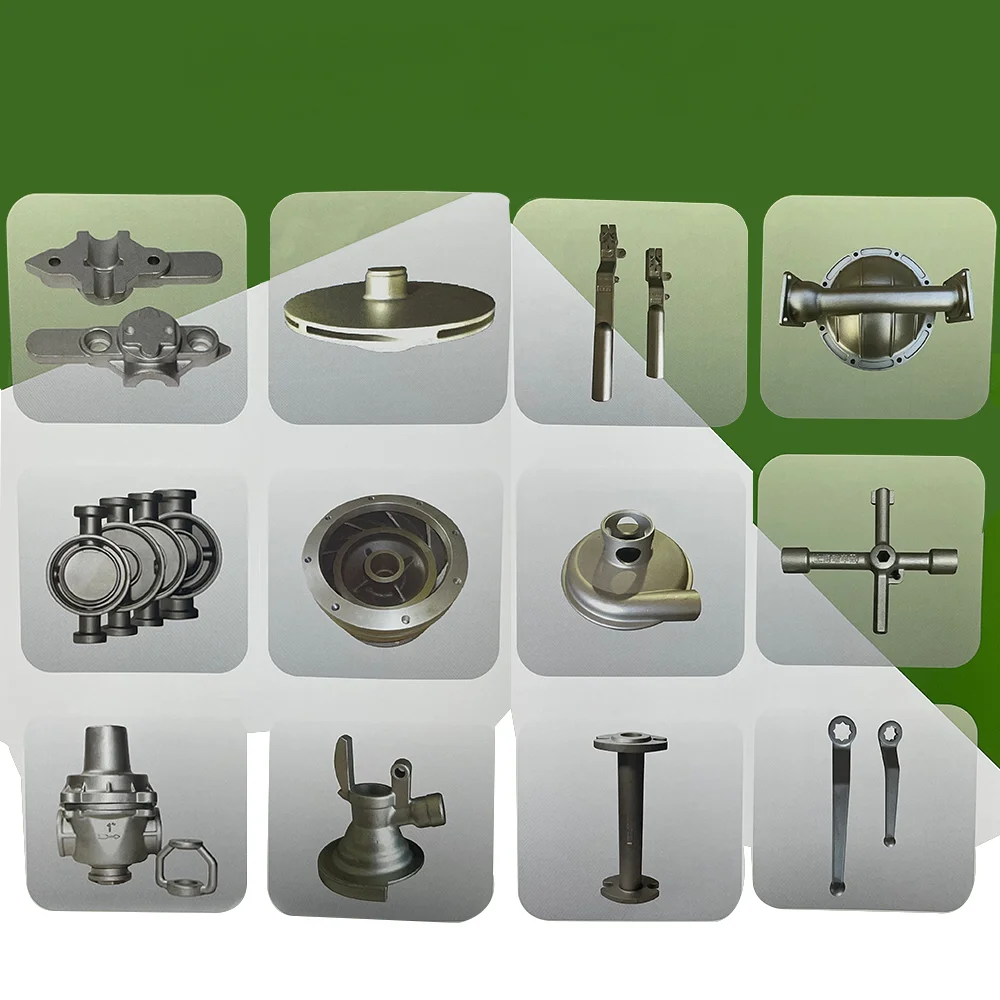
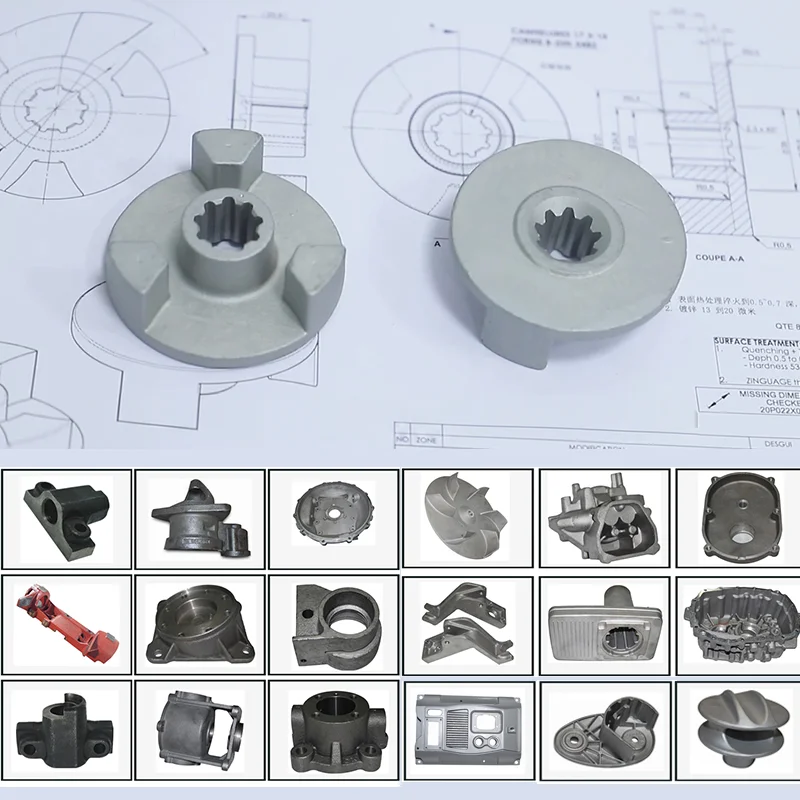
Combine the cast engine-component shape with the machining needed for its finished features. This custom service covers investment and lost-wax steel casting, with steel and 304/316/316L stainless material directions selected for the engine part.
Give casting and machining separate acceptance criteria
CT4–CT8 is the tolerance reference for steel casting parts. Machining is offered up to IT7, with Ra0.8–3.2 according to the customer's requirement. Define the relevant casting dimensions, finished features, surface roughness unit and acceptance method so each requirement has its proper place in the part specification.
Identify the work needed on the cast component
CNC machining, lathing, milling, turning, boring and drilling are process choices for the service. Identify which features need those operations and the final dimensions they must achieve. This lets the machining enquiry address the actual engine component rather than treating every operation as necessary for every part.
Select the requested surface condition
Galvanizing, passivation and polishing are surface-treatment directions to discuss. Agree the appropriate treatment for the selected steel or stainless material and mark the areas it should cover. Keep the finished surface requirement connected to the component geometry and any machined surfaces that need a defined condition.
Establish the engine interface for a custom part
Describe the engine component and provide the controlling geometry for its interfaces. Agree the selected grade and the casting, machining and surface scope for that specific request. A clear interface definition and feature acceptance establish what the custom-manufactured part needs to fit and perform within the intended assembly.