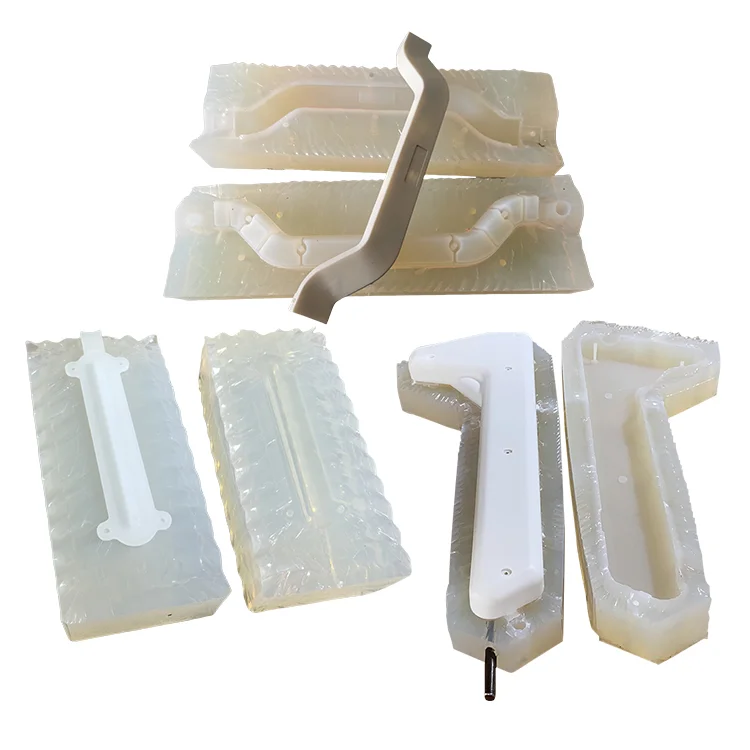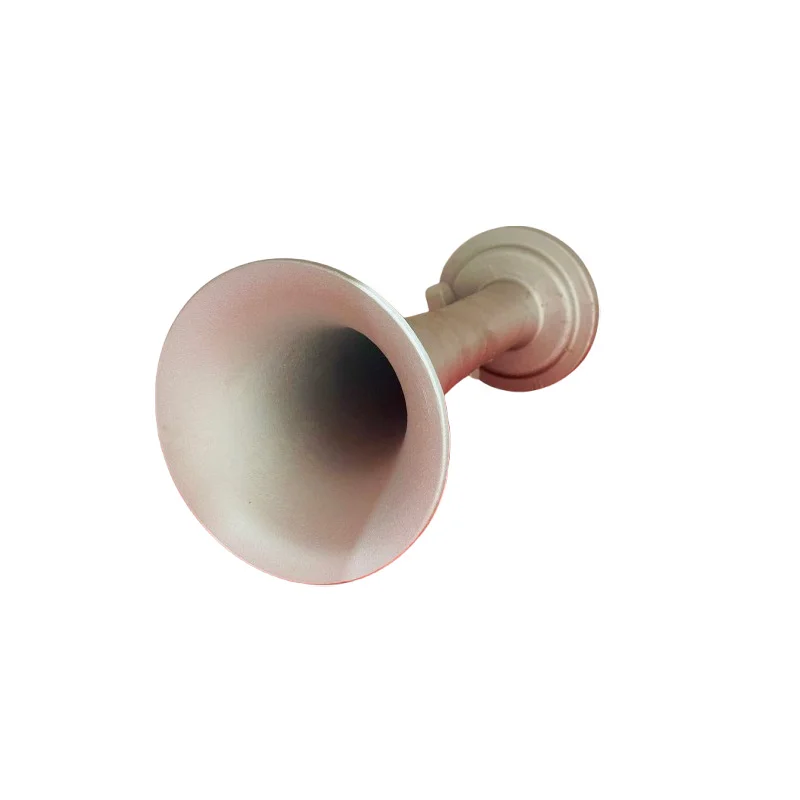
Custom Steel and Iron Precision Lost Wax Casting with Optional Machining and OEM/ODM Service
Let’s define your requirement
Send a product link, drawing or short brief. We’ll work through the details with you.
- Confirm the specificationGrade or model, size and intended use.
- Define your orderQuantity, finish or configuration, and samples.
- Agree the quotation scopeIncluded work, key checks and delivery needs.
-
Sizecustomized
-
Surface TreatmentcustomizedMaterialsIron,steel, etc
-
Product nameCustom Casting PartsMaterialIron,steel, etc
-
ProcessCasting +Machining(if Need)+surface TreatmentApplicationIndustry
-
SpecificationAs per drawingsDrawing Format2D/(PDF/CAD)3D(IGES/STEP)
-
PackingCarton Wooden BoxCertificationISO9001/TS16949/RoHS
-
Surface treatmentCustomers' DemandServiceOEM ODM Customised
Custom steel and iron industrial parts are available through lost wax casting enquiries with OEM and ODM customization. Sizes follow the component drawing, with machining included if needed and surfaces made to customer requirements. The selected material, geometry and finished condition define the process scope for the actual part.
Connect the steel or iron grade to the drawing
Identify the required steel or iron grade and describe the component's industrial duty. Drawing inputs can use 2D PDF/CAD and 3D IGES/STEP, with the relevant dimensions and interfaces clearly identified. Keep the material specification and drawing revision together so that the custom size, component geometry and acceptance requirements refer to the same design.
Define the optional machining and surface stages
Distinguish the cast geometry from any interfaces requiring additional machining. Give those finished areas their own dimensional criteria and identify the reference datums used for acceptance. Specify the requested surface treatment and the faces to receive it, agreeing compatibility with the chosen material and the required appearance. This defines when machining is needed and how the final surface relates to the finished dimensions.
Confirm finished acceptance and document requirements
Set the measurable precision, material checks and surface criteria for the selected industrial component. Agree the inspection methods and records needed to evaluate that finished condition. ISO9001, TS16949 and RoHS are certification or compliance references; confirm current documentation and its applicable scope where required. Use those documents with the approved component requirements so that material, optional processing and acceptance form a consistent enquiry.