Custom Stainless Steel Smart-Lock T-Type Clutch with Dewax Precision Casting and CNC Machining
Let’s define your requirement
Send a product link, drawing or short brief. We’ll work through the details with you.
- Confirm the specificationGrade or model, size and intended use.
- Define your orderQuantity, finish or configuration, and samples.
- Agree the quotation scopeIncluded work, key checks and delivery needs.
-
Surface FinishSandblasted , Polished
-
CNC Machining or NotCNC MachiningTypeBroaching, Laser Machining, Milling
-
Material CapabilitiesAluminum, Brass, Stainless Steel, carbon steelMicro Machining or NotMicro Machining
-
Product nameCasting PartMaterialAluminum , Stainless steel, Carbon steel, Brass, Plastic , etc.
-
ProcessCastingSurface treatmentAnodizing/Polishing/Plating/Painting/Sandblasting
-
SizeCustomer's RequstCertificationISO, CE
-
Drawing FormatSTEP(.stp),IGES (igs),SolidWorks(.sldprt),AutoCAD(.dwg/.dxf),PDFPortYantian Port
-
Tolerance0.01mmServiceOEM, ODM
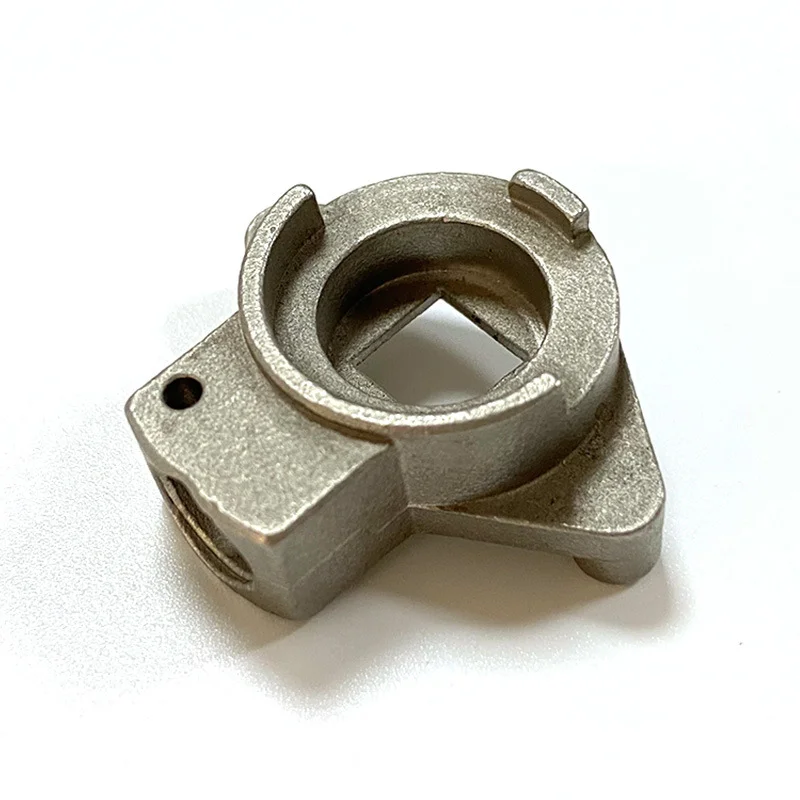
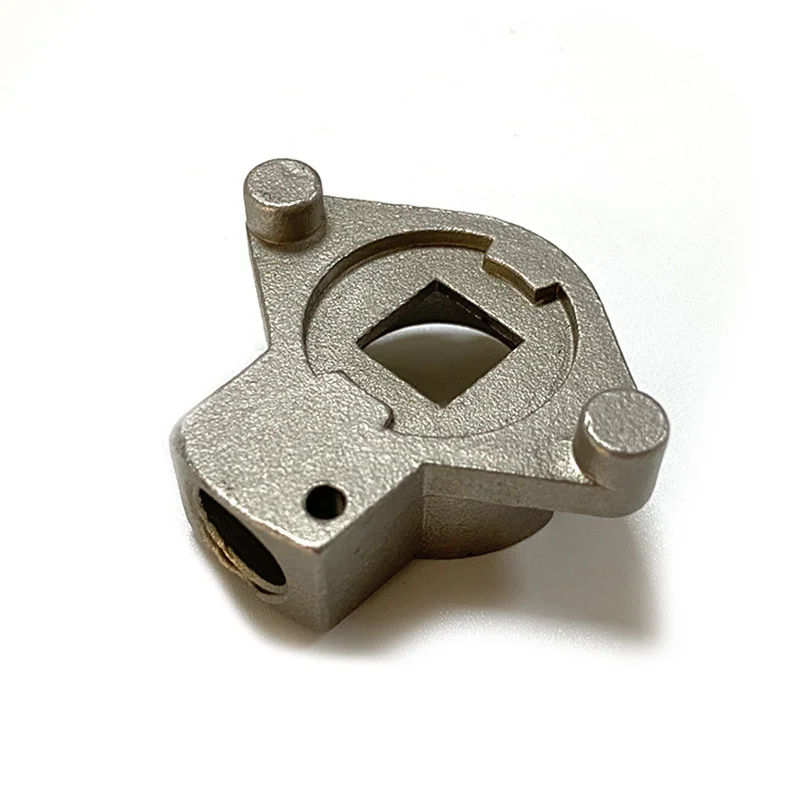
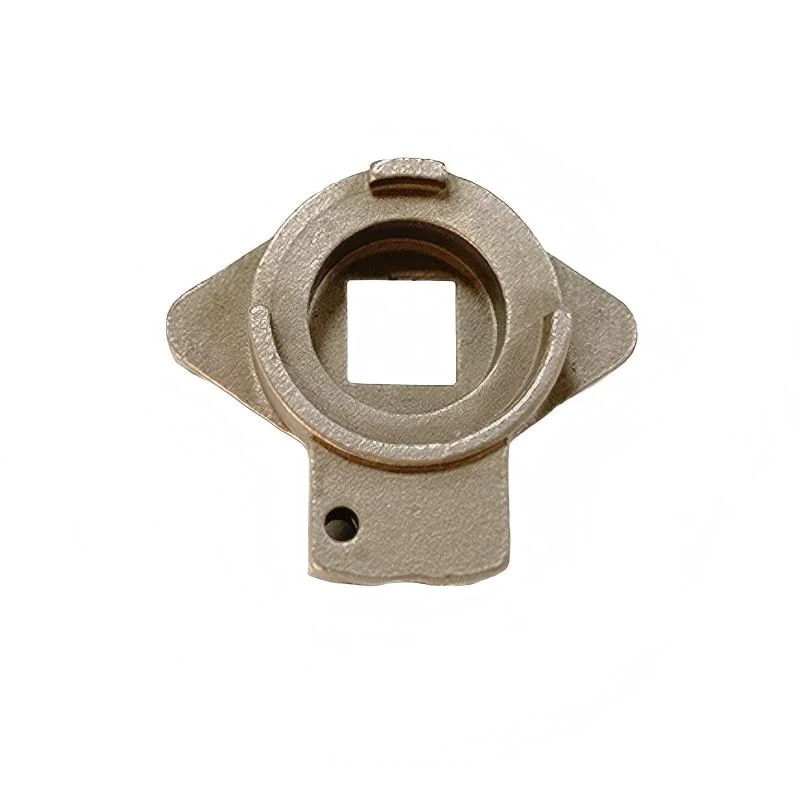
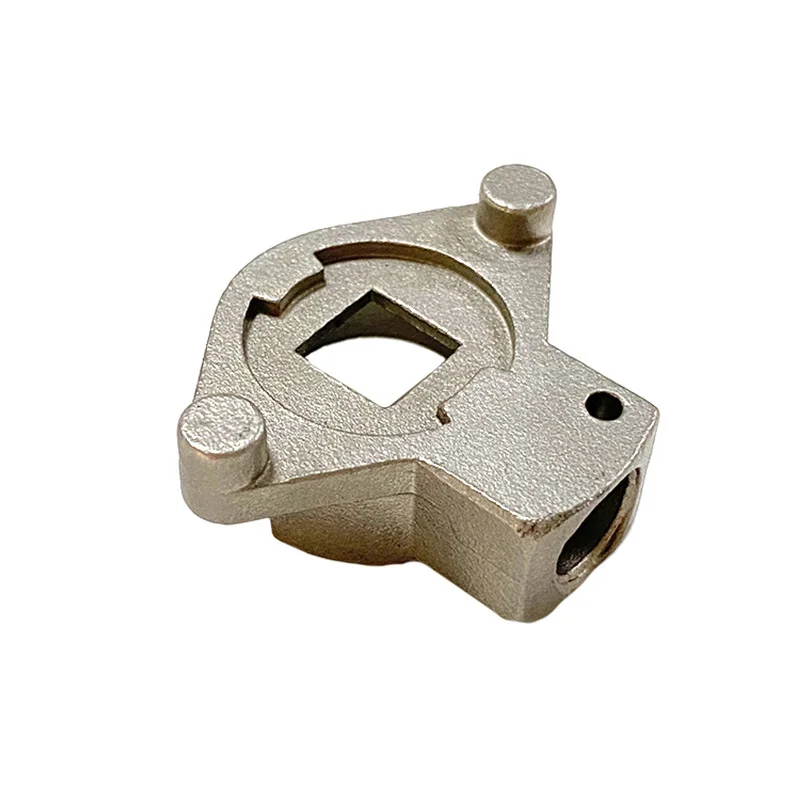
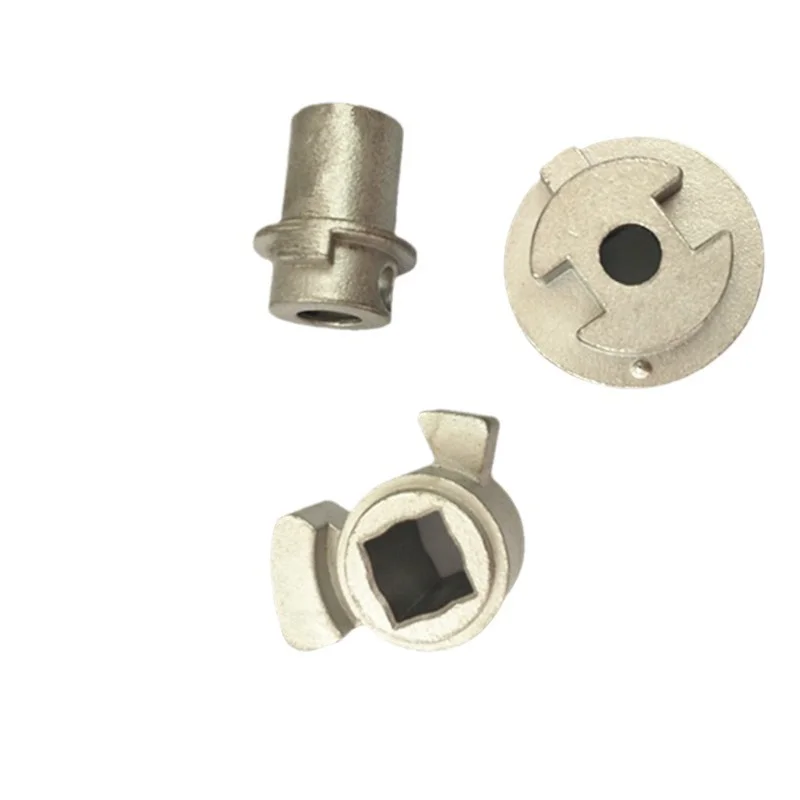
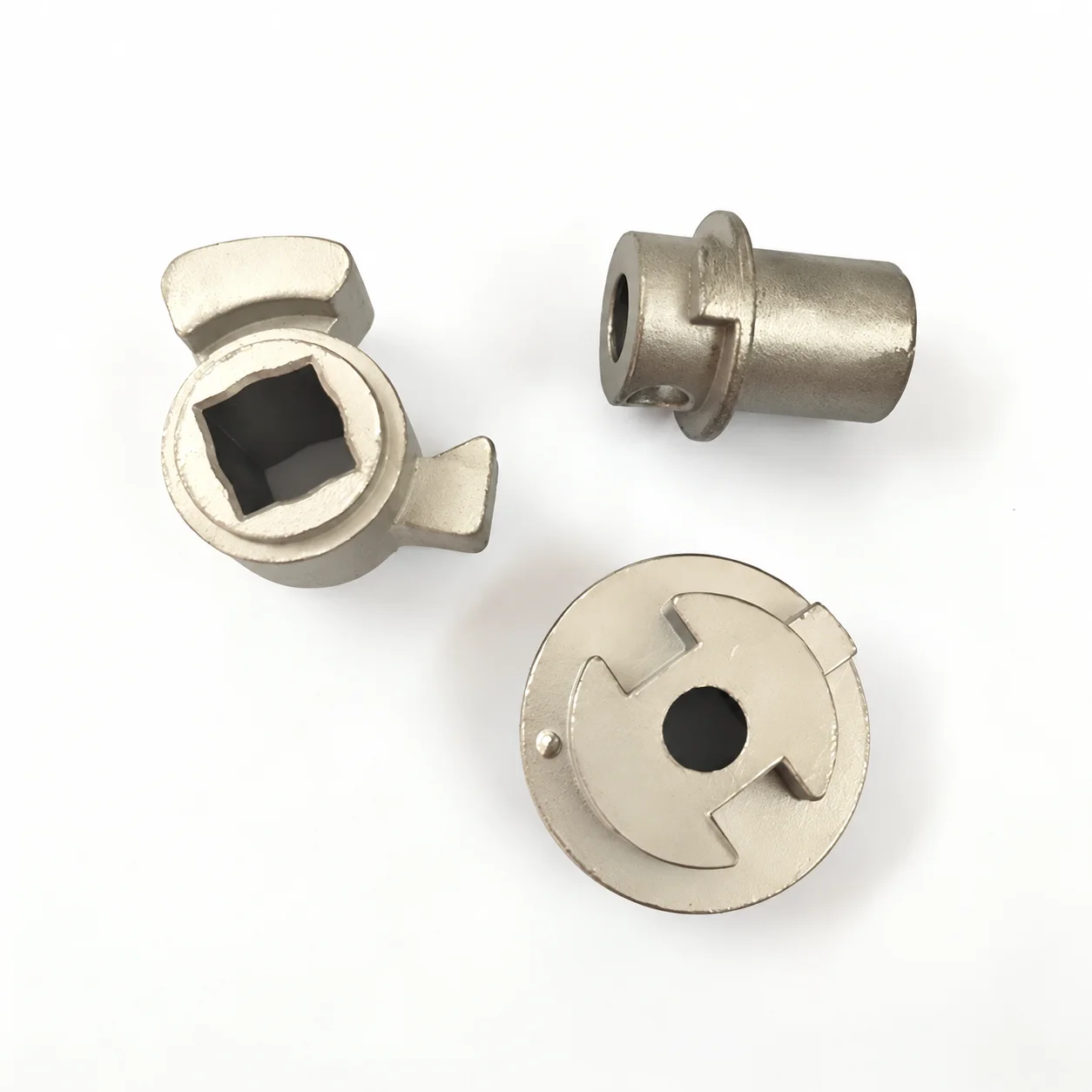
Custom stainless steel precision casting and machining is offered for smart-lock T-type clutches and door-lock accessories. OEM/ODM service supports a component inquiry built around the required lock mechanism. The casting, machining and surface choices can be considered together once the clutch geometry and mating requirements are defined.
Clutch geometry for the lock mechanism
A T-type clutch request should identify the particular component and its relationship to the mating mechanism. Size follows customer requirements, so the drawing needs to define the relevant dimensions and interfaces. This connects the custom casting discussion to an actual lock part without assuming a universal fit across different mechanisms.
Casting and small-feature machining
Processing capabilities include CNC machining, micro machining, broaching, laser machining and milling alongside casting. Select the operations required for the clutch drawing and identify the areas where each is needed. The scope can then address the component's actual details, while keeping the requested operations distinct from an assumed sequence applied to every part.
Material and surface pairing
The specific clutch direction is stainless steel, with broader material choices including aluminum, brass, carbon steel and plastic. Surface options include anodizing, polishing, plating, painting and sandblasting. Agree the material and surface-treatment combination for the requested lock component, since a menu of choices does not itself select the finish for that design.
0.01 mm and the drawing files
The tolerance value is 0.01 mm. Define the drawing dimensions, tolerance convention and inspection criteria to which that value applies before using it for component acceptance. Supported files include STEP, IGES, SolidWorks, AutoCAD DWG/DXF and PDF, giving several ways to communicate the clutch geometry and the details that need machining.
The resulting inquiry should identify the smart-lock clutch, its selected material and the required dimensional and surface condition together. This keeps the discussion focused on the accessory being made and the mechanism it must mate with.