Custom Stainless-Steel Machinery Parts | Silica-Sol Lost-Wax Casting and Machining
Let’s define your requirement
Send a product link, drawing or short brief. We’ll work through the details with you.
- Confirm the specificationGrade or model, size and intended use.
- Define your orderQuantity, finish or configuration, and samples.
- Agree the quotation scopeIncluded work, key checks and delivery needs.
-
MaterialSteel
-
processlost wax castingmaterialsteel
-
standardsAISI,ATSM,UNI,BS,DIN,JIS,GB etc.sizeas customer's drawings or samples
-
DimensionsCustomer RequiredApplicationMachinery Parts
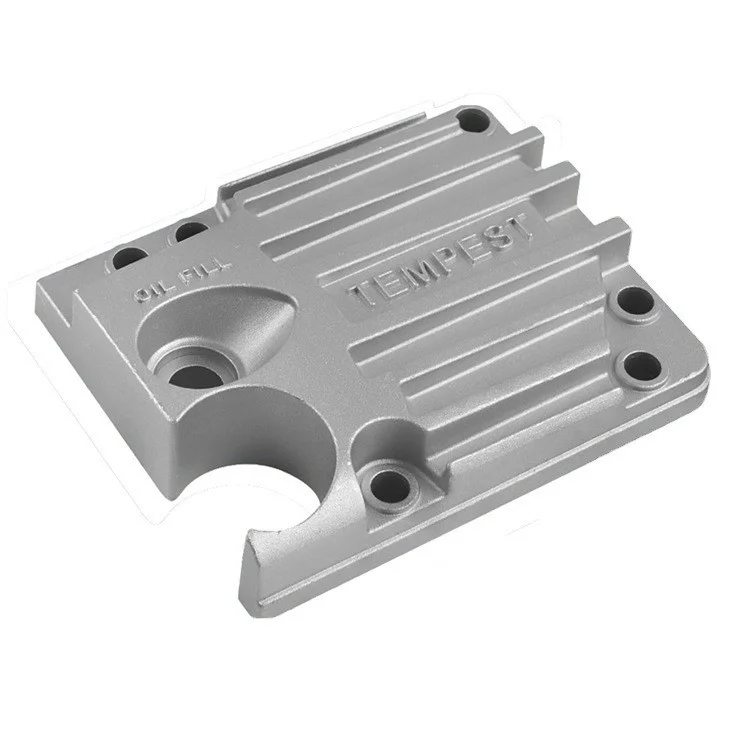
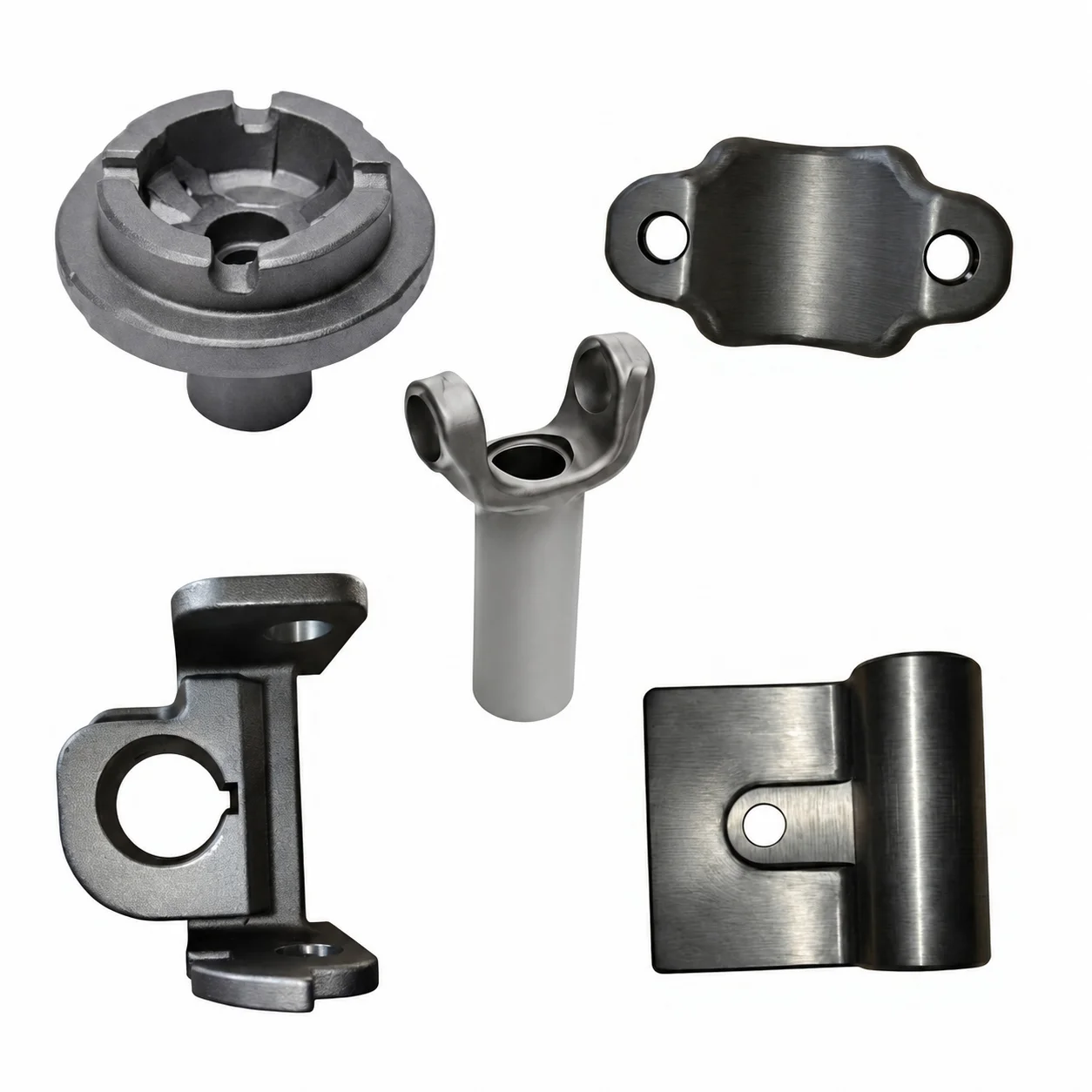
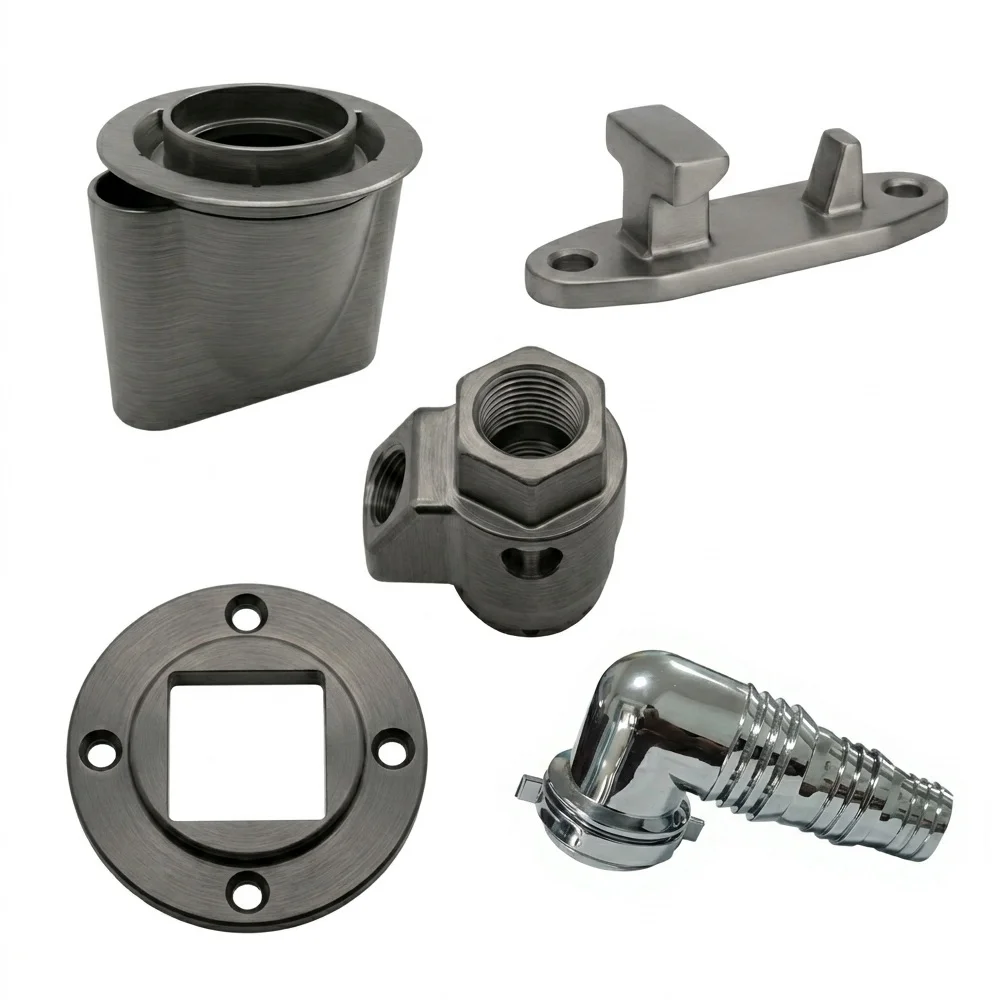
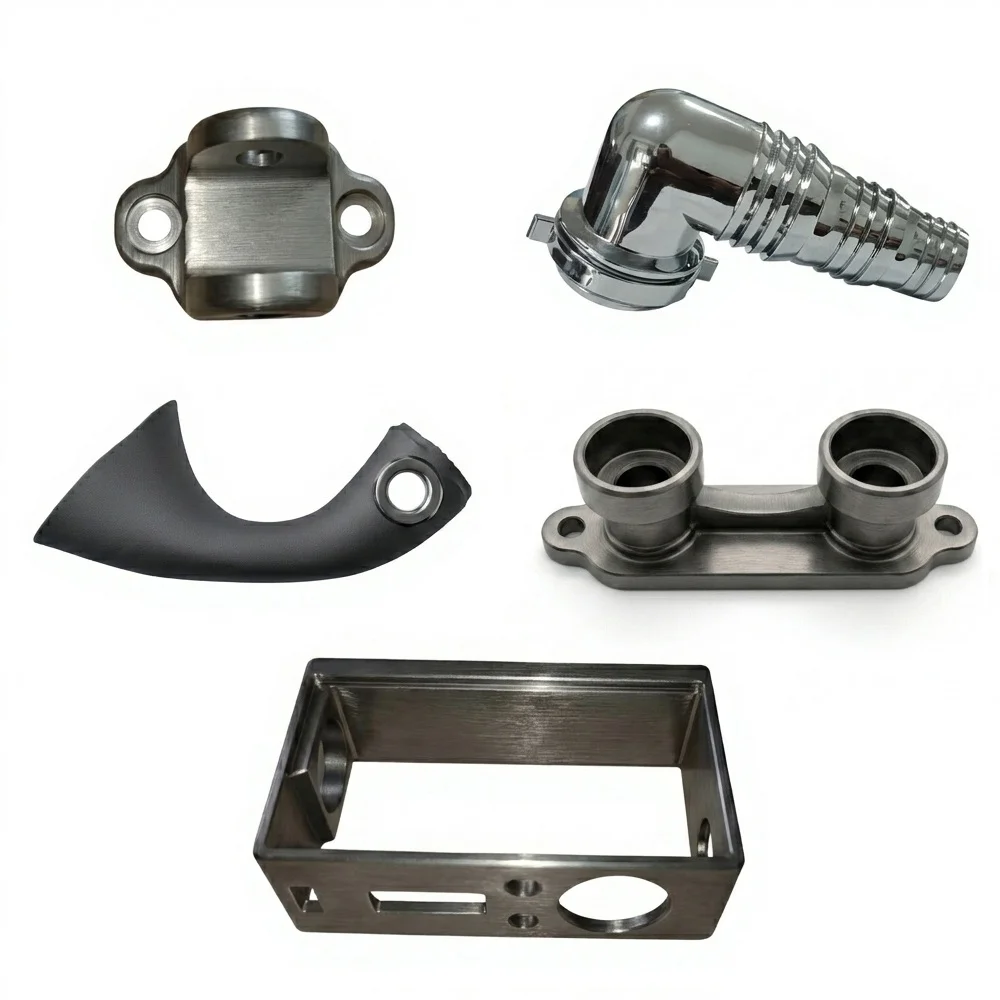
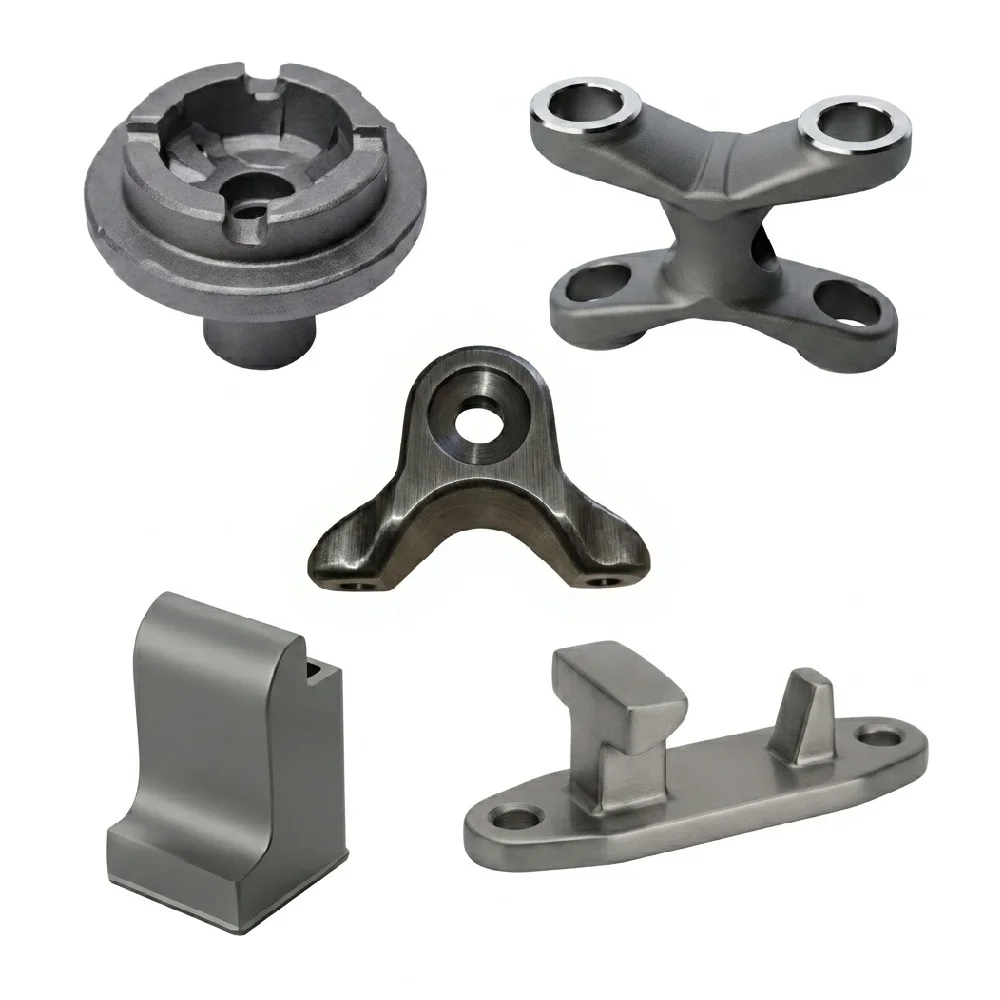
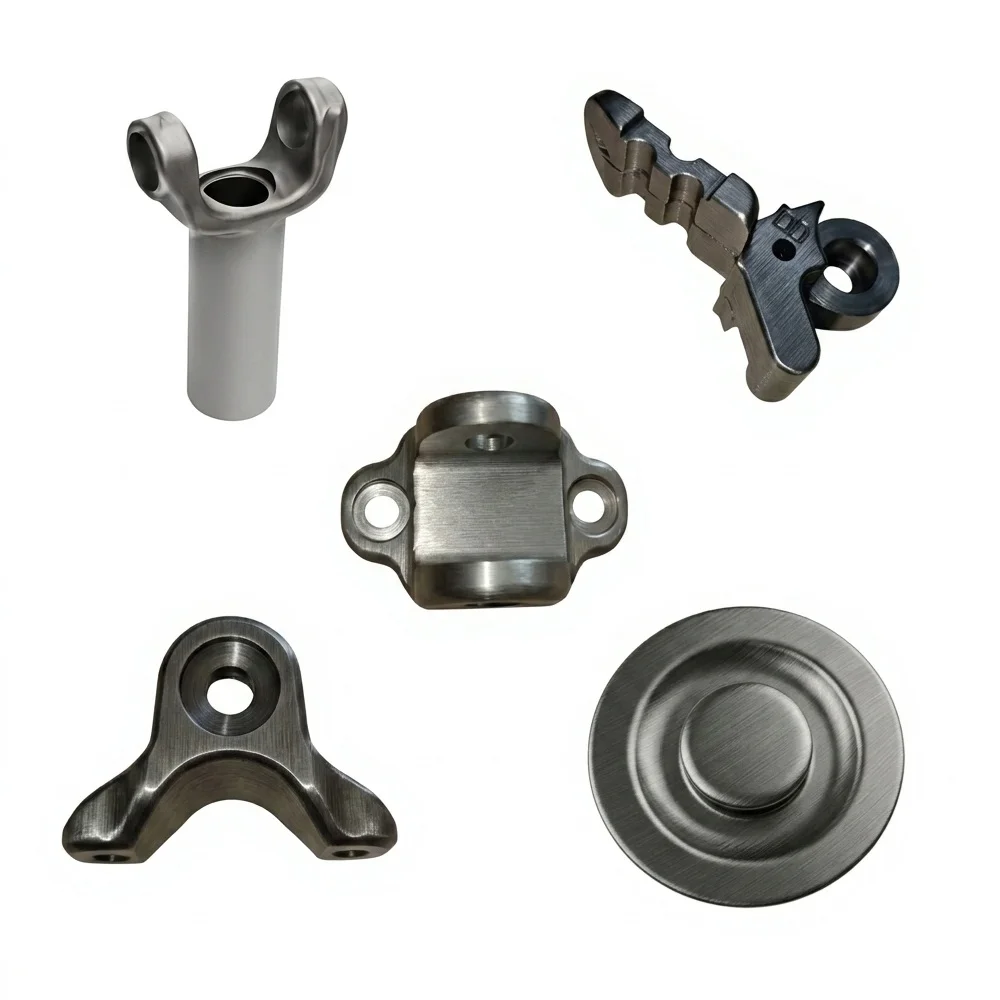
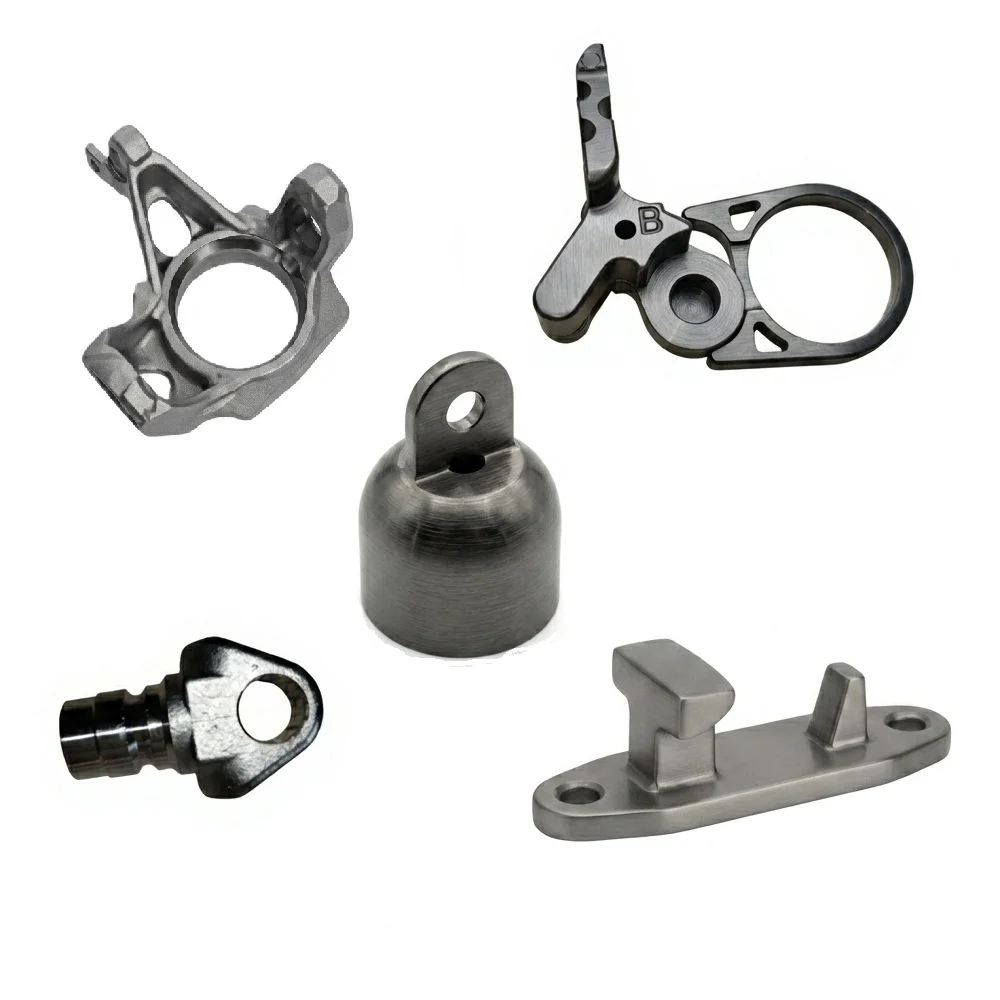
Custom machinery components are offered in steel, with stainless-steel and silica-sol lost-wax casting directions for the selected part. Machining forms part of the manufacturing inquiry. Component size follows the customer's drawings or samples, and required dimensions provide the basis for defining the work.
Choosing steel against the actual standard
The standard references span AISI, ATSM, UNI, BS, DIN, JIS and GB. Choose the exact grade and applicable standard designation for the machinery component, including clarification of the ATSM reference when defining the order. A family name alone does not identify the required alloy or material condition. Relate that selection to the component's intended machinery function and operating conditions.
Drawings or samples establish the geometry
A drawing or customer sample can establish the required size and shape of the casting. Use that input to identify the component's important interfaces, mating geometry and dimensional requirements. The selected part's function should guide which surfaces matter for fit and which dimensions require particular attention. Customer-required dimensions keep the manufacturing discussion tied to the actual machinery component.
Connecting lost-wax casting with machining
Silica-sol lost-wax casting and machining belong in the same part-specific manufacturing scope. Identify the geometry to be cast and the dimensions or surfaces to be completed by machining, then agree the finished dimensional and surface acceptance. The exact steel grade, customer geometry and machinery interfaces provide a practical basis for assessing the component before the manufacturing requirements are finalized.