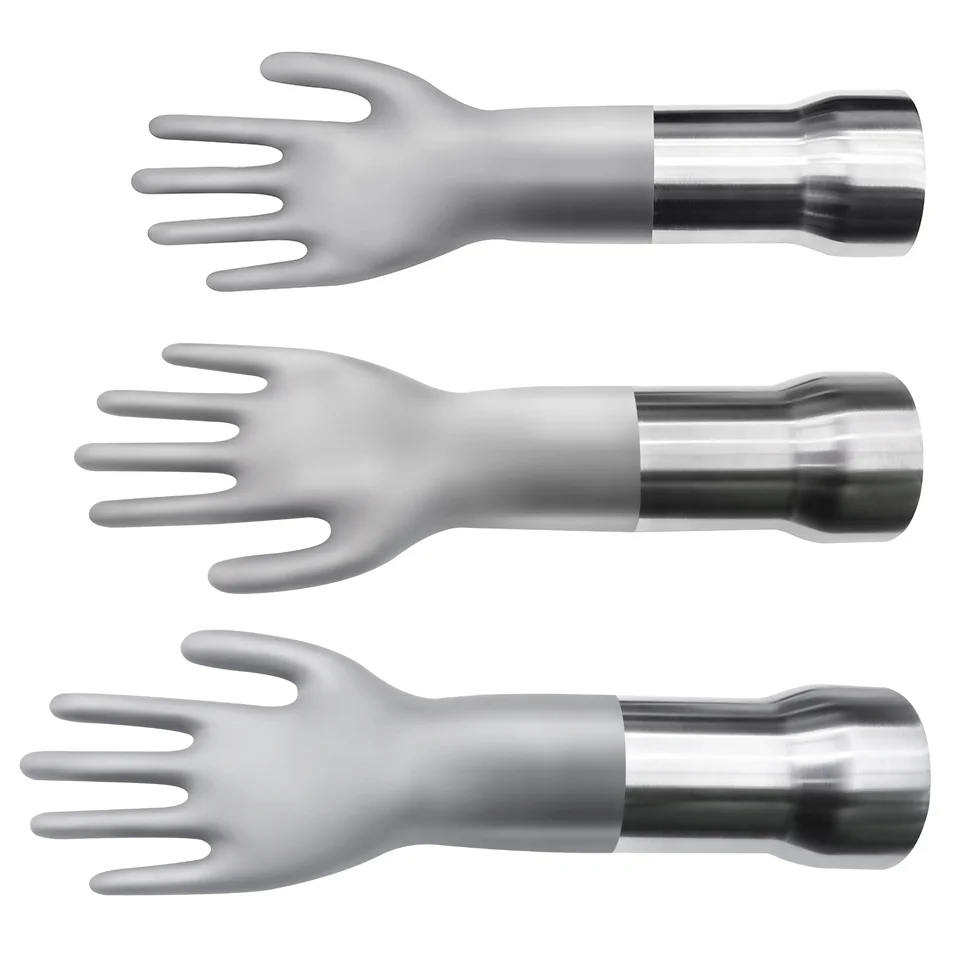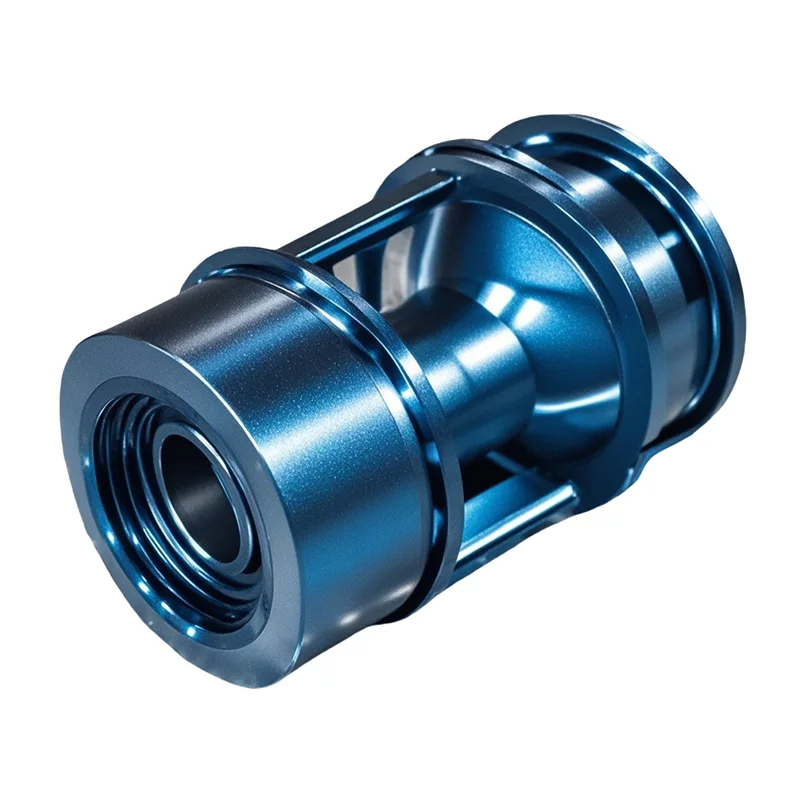
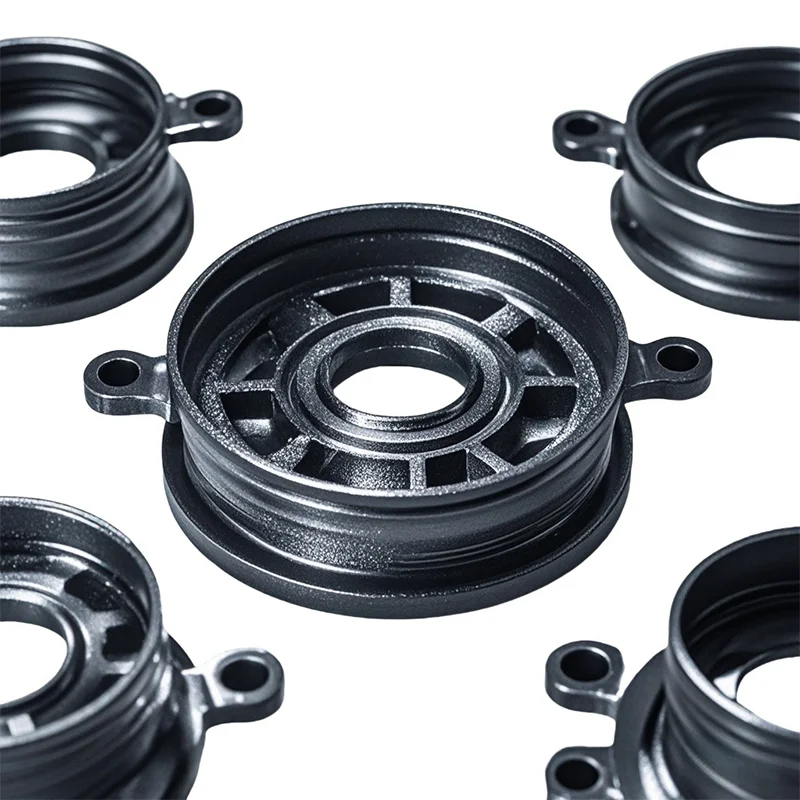
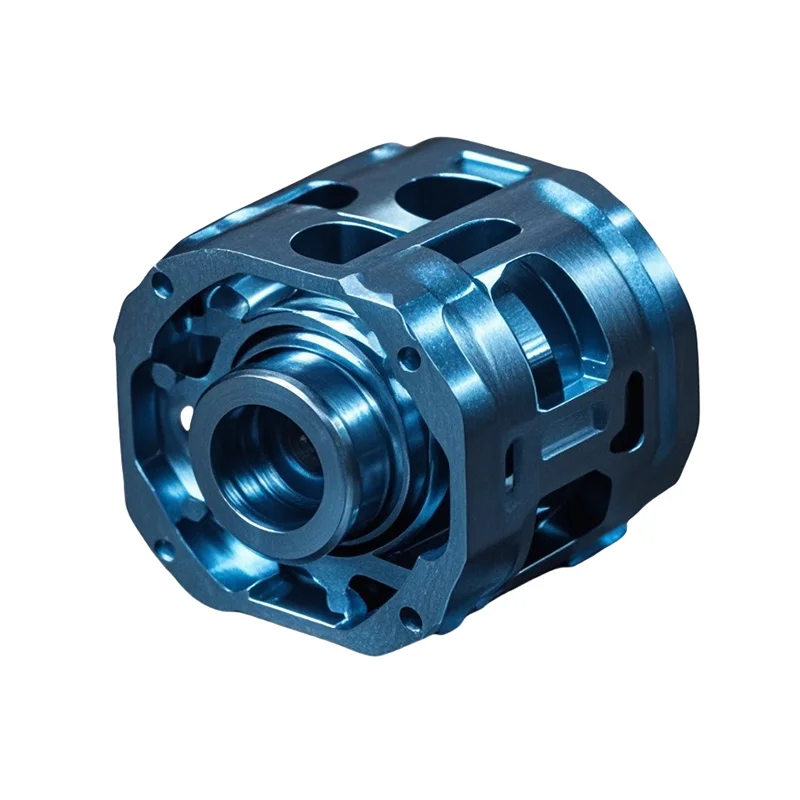
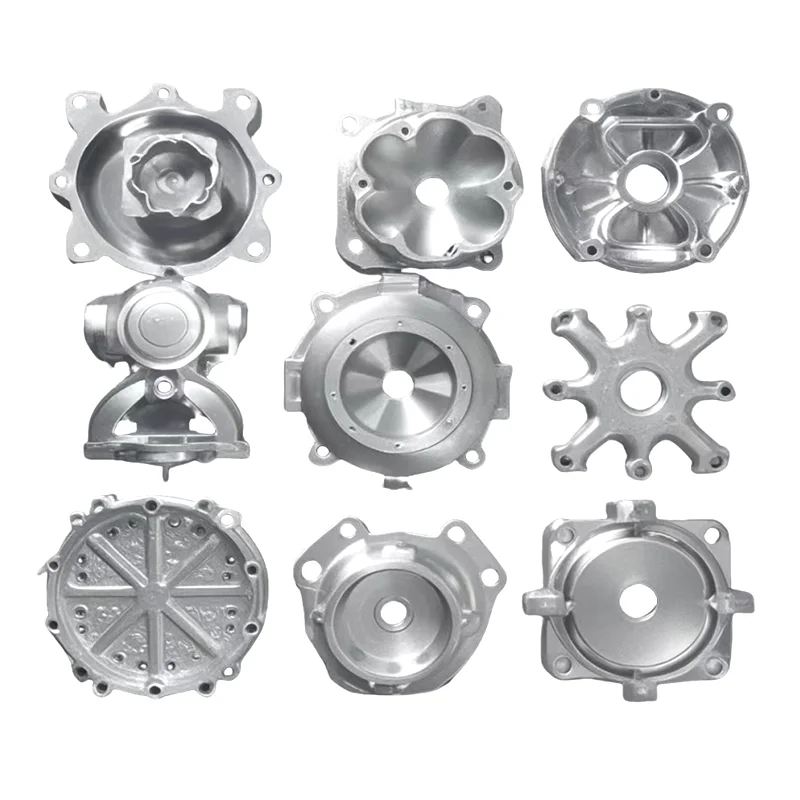
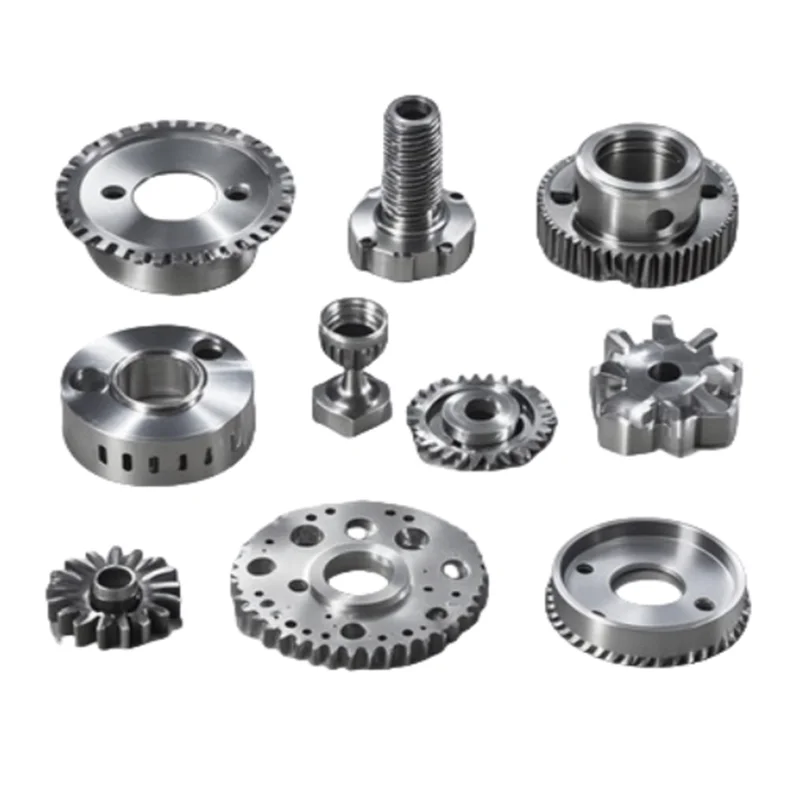
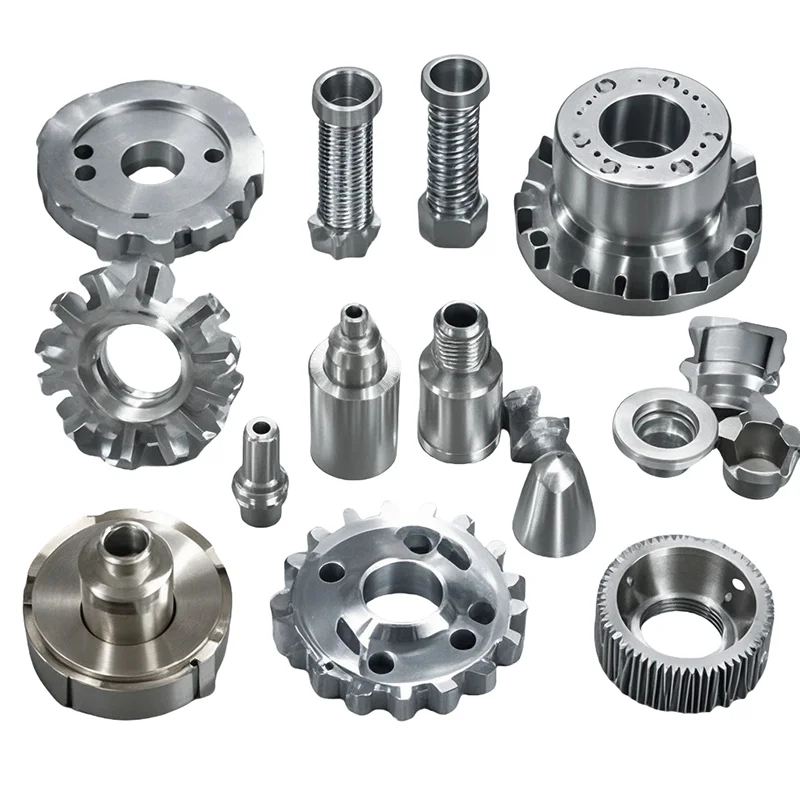
Custom Stainless-Steel/Brass/Aluminum/Cast-Iron Parts | Investment/Die Casting & Machining to Drawings
Let’s define your requirement
Send a product link, drawing or short brief. We’ll work through the details with you.
- Confirm the specificationGrade or model, size and intended use.
- Define your orderQuantity, finish or configuration, and samples.
- Agree the quotation scopeIncluded work, key checks and delivery needs.
-
Product nameCustom Die Cast Parts Casting Service
-
MaterialAluminum,Stainless Steel,lron,Aluminum Alloy,BrassDrawing Format2D/(PDF/CAD)3D(IGES/STEP)
-
CertificationISO9001/TS16949/ROHSSizeCustomer's Drawing Required
-
Surface TreatmentCustomers' DemandToleranceCustomer's Drawing Request
-
Quality ControlStrictly 100% InspectionApplicationIndustry,Medical,Agriculture,etc
-
PackageBubble + Carton + Wooden Case
Define custom metal parts through investment- or die-casting directions with machining. Stainless steel, brass, aluminum and aluminum alloy, cast iron and iron are material directions. The actual grade and compatible process need to be selected for the component, with size, tolerance and surface treatment governed by customer requirements.
Build a consistent component definition from the files
Provide the component in a supported 2D PDF or CAD form, or use 3D IGES/STEP geometry. Identify the dimensions and tolerances that control the finished result. When geometry and dimensional requirements are supplied together, agree which definition governs each characteristic before setting the casting and machining scope.
Choose the metal and its applicable processing
Identify the actual stainless-steel, brass, aluminum or iron grade for the part. Agree the investment- or die-casting route and the areas requiring machining for that selected material. Specify the demanded surface treatment and the result it must produce, rather than assuming that each process and finish applies to every metal.
Set dimensional and surface checks for full inspection
Strict 100% inspection is part of this custom metal-part service. Agree the characteristics to be checked, the inspection methods and the records needed to evaluate the drawing and treated surfaces. Industrial, agricultural and medical component directions should each be assessed against their actual service requirements. For medical uses, define the part-specific approval and acceptance conditions separately from the casting and machining choices.