
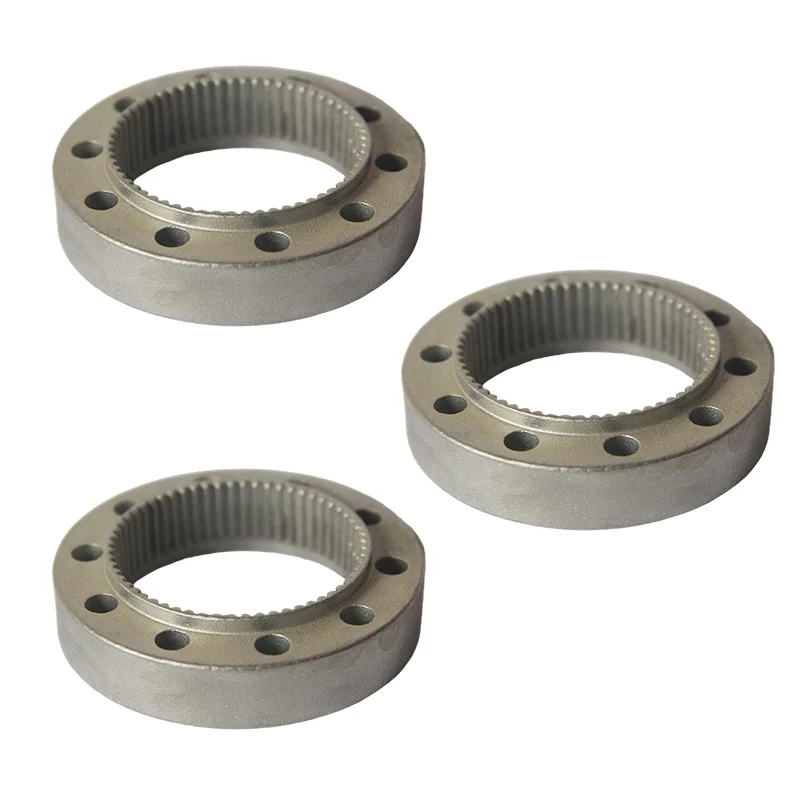
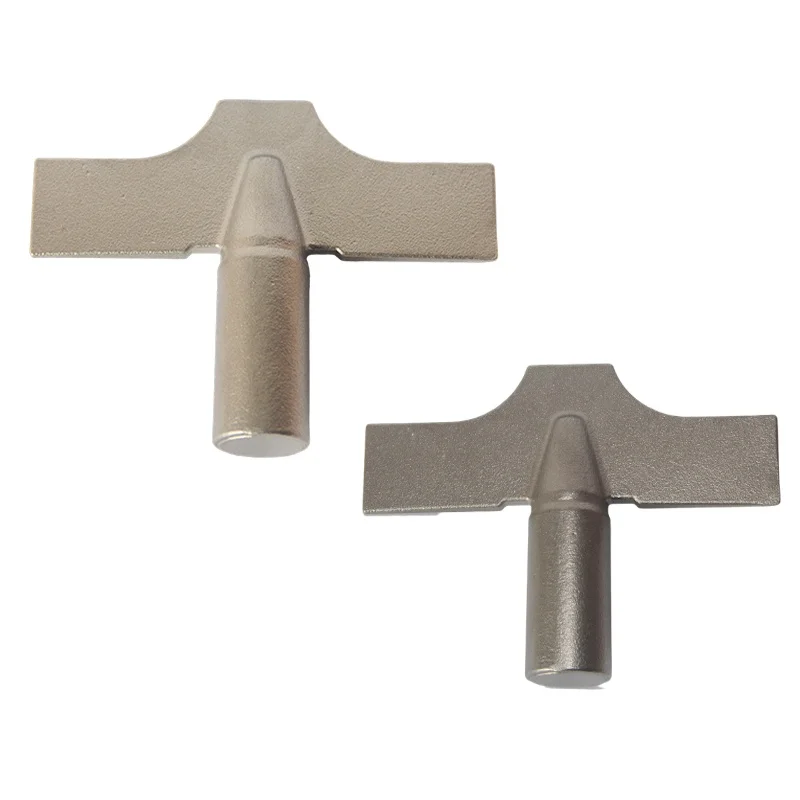
Custom Stainless Steel and Brass Lost Wax Investment or Sand Cast Parts with CNC Machining
Let’s define your requirement
Send a product link, drawing or short brief. We’ll work through the details with you.
- Confirm the specificationGrade or model, size and intended use.
- Define your orderQuantity, finish or configuration, and samples.
- Agree the quotation scopeIncluded work, key checks and delivery needs.
-
MaterialSteelApplicationIndustry
-
SizeCustomized SizeProcessLost Wax Casting
-
StandardInternational Certification StandardsQuality ControlProfessional Inspection
-
ServiceOEM ODM CustomisedProduct nameCustom Casting Parts
-
Surface treatmentLost Wax CastingShapeCustomized Shape
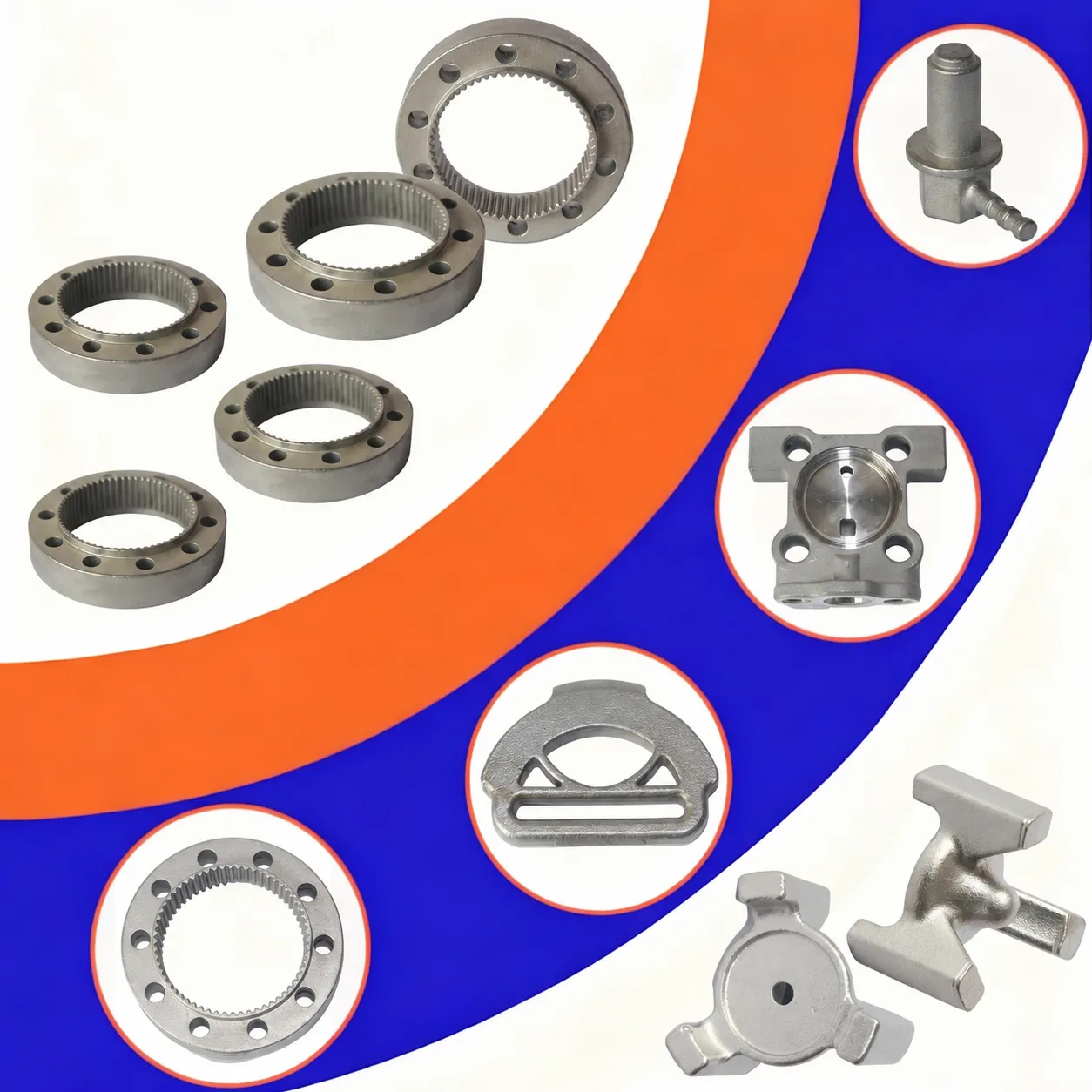
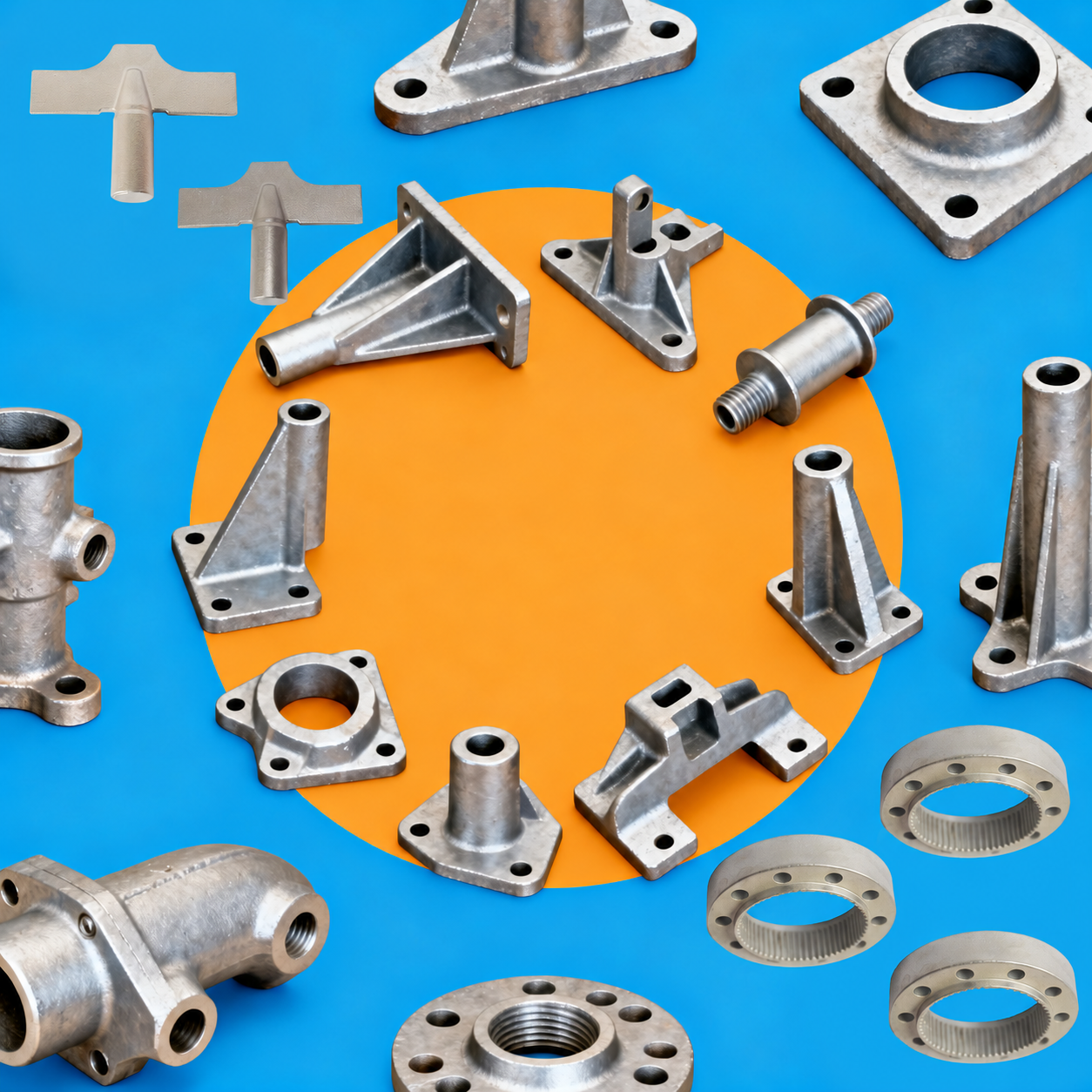
Industrial custom casting enquiries cover steel, stainless steel and brass components with tailored sizes and shapes. Lost wax investment casting, sand casting and CNC machining are options to select for the material and geometry. OEM and ODM service supports the custom part, with professional inspection for the agreed component requirements.
Connect the casting route to the custom shape
Identify the alloy and component geometry before agreeing the lost wax or sand-casting route. Mark the interfaces requiring CNC finishing and distinguish those dimensions from the cast shape. The useful process plan connects the chosen material, casting method and machining requirements to one drawing revision, with the required surface condition described separately from the casting route.
Define the OEM or ODM component scope
For an OEM enquiry, provide the required size, shape and finished interfaces for the industrial part. For an ODM enquiry, explain the component function and design conditions as well as the intended geometry. Specify the selected material and the dimensions that determine assembly fit. That allows the casting and CNC review to address the actual custom component rather than a broad material-and-process menu.
Set inspection and governing-document acceptance
Professional inspection should be connected to the dimensions, material and surfaces that need acceptance on the custom part. Agree the inspection methods and records, together with any sample approval needed for the chosen geometry. Identify the exact standards, editions and certification documents required by the project, and define the applicable scope. Include the surface requirement and compatible material/treatment pairing in that acceptance basis so that the approved configuration covers the finished industrial component.








