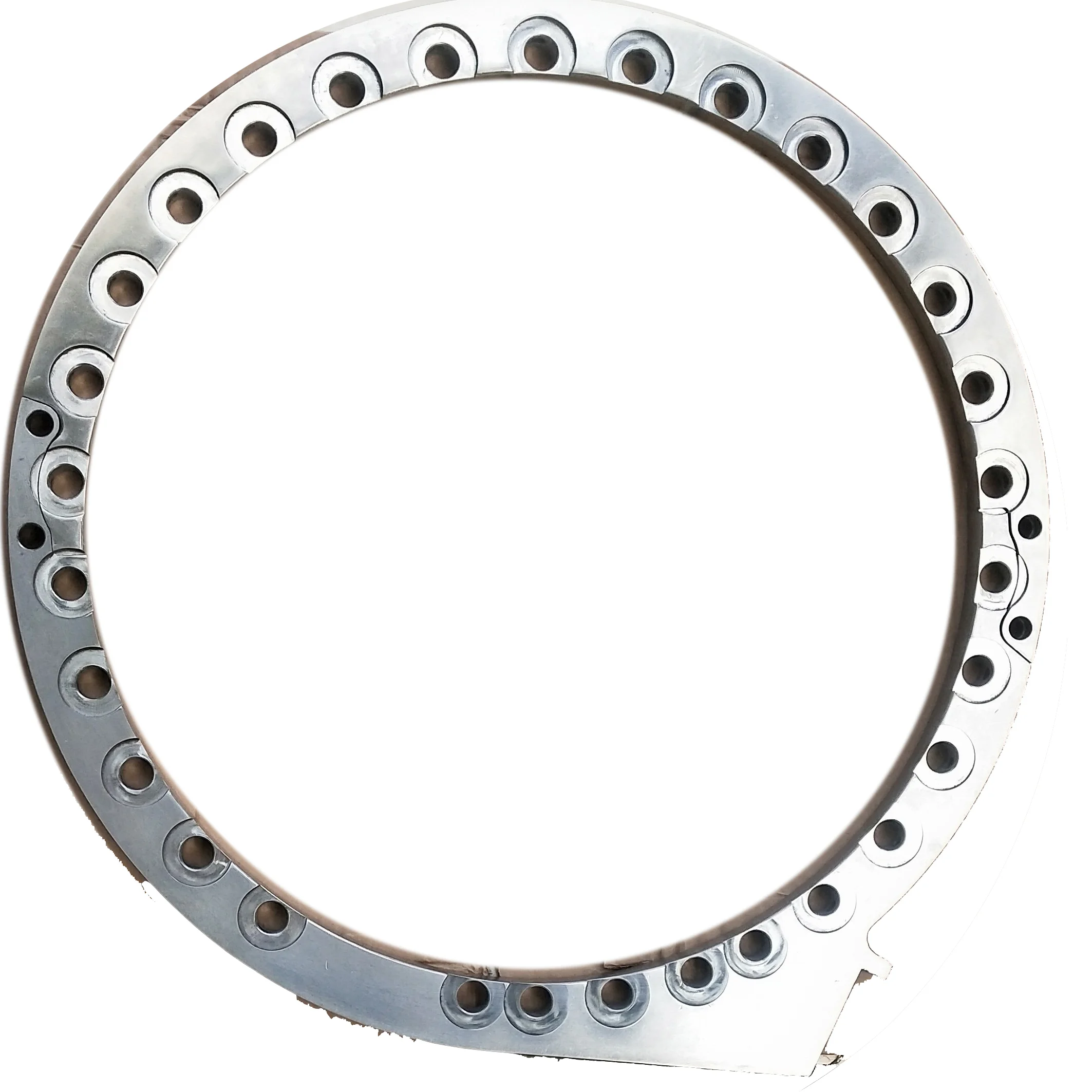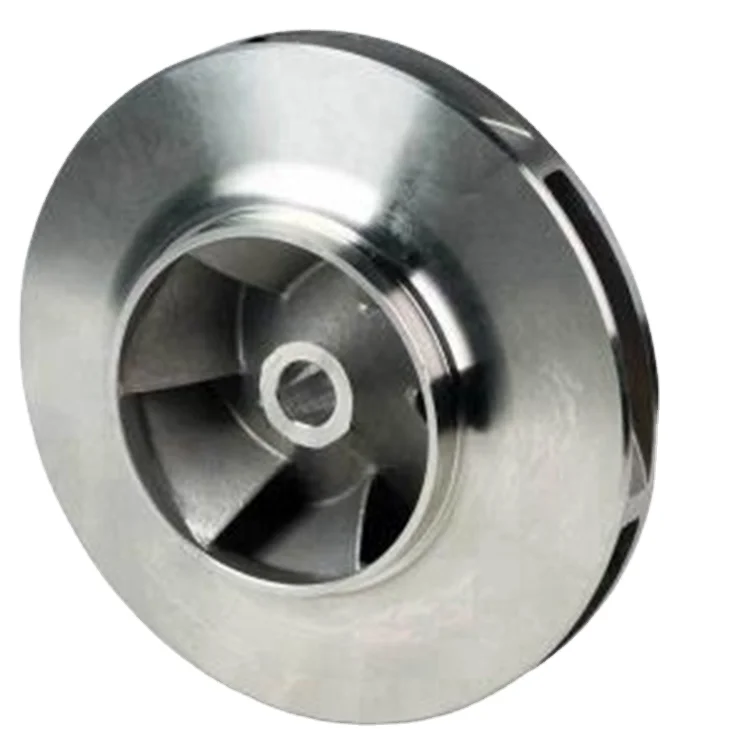
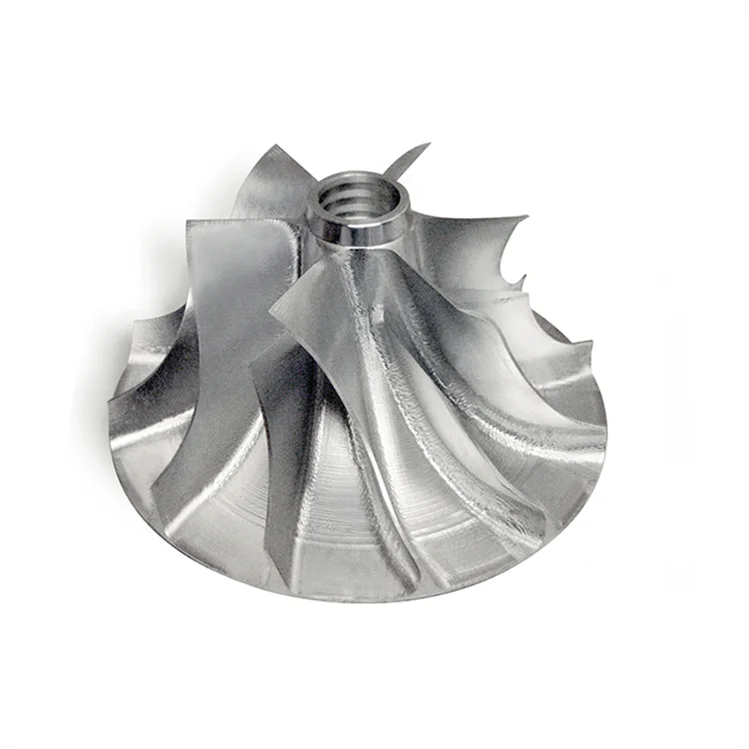
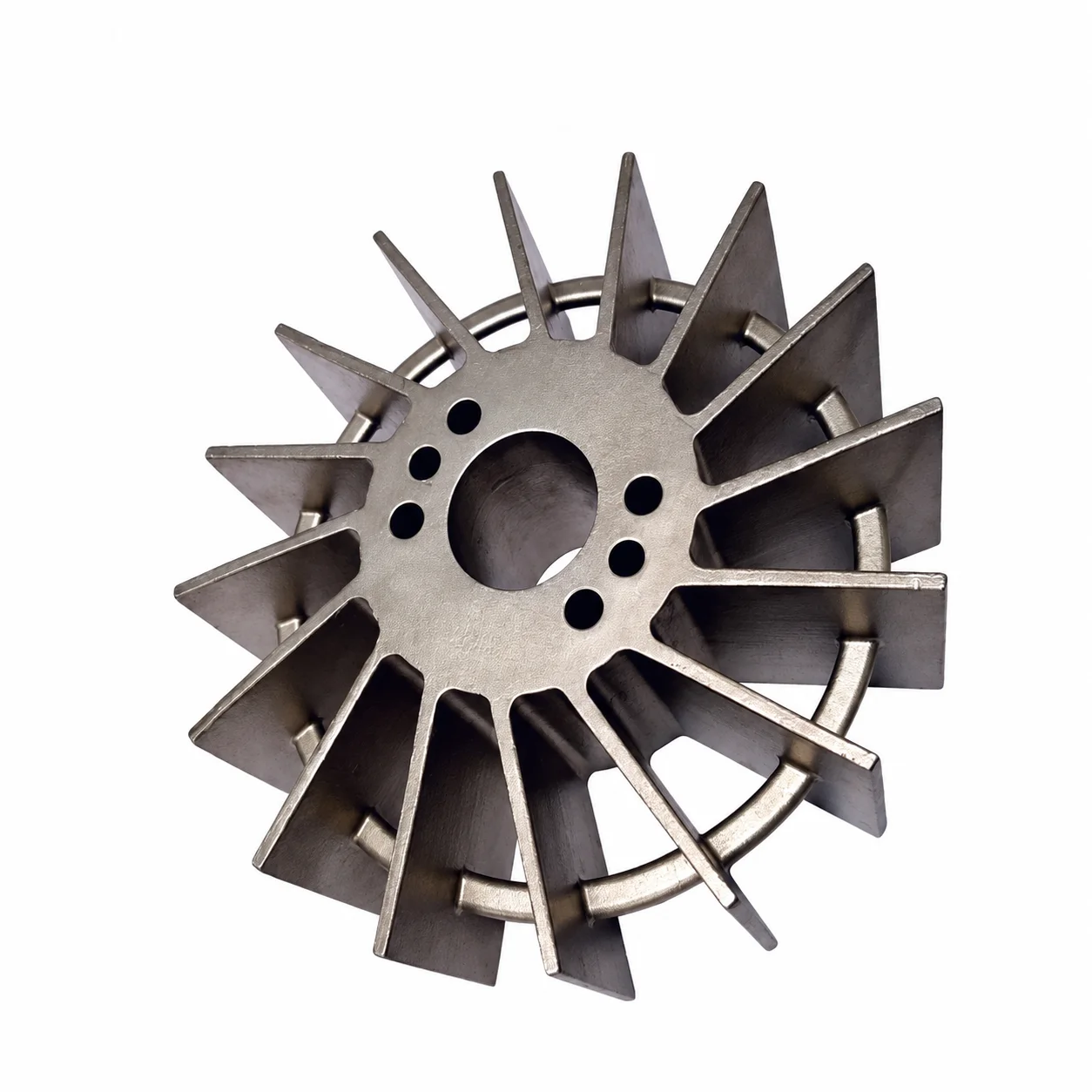
Custom Stainless and Carbon Steel Precision Lost-Wax Investment Casting with Machining
Let’s define your requirement
Send a product link, drawing or short brief. We’ll work through the details with you.
- Confirm the specificationGrade or model, size and intended use.
- Define your orderQuantity, finish or configuration, and samples.
- Agree the quotation scopeIncluded work, key checks and delivery needs.
-
Material:Stainless Steel
-
Product name:Custom Casting PartsProcess:Lost Wax Casting
-
Size:Customer's 3D DrawingWeight:0.05kg~20kg
-
Tolerance:Strictly Casting ToleranceMOQ:Negotiable
-
Type:OEM CustomizedDesign:100% Custom Made
-
Certification:ISO9001
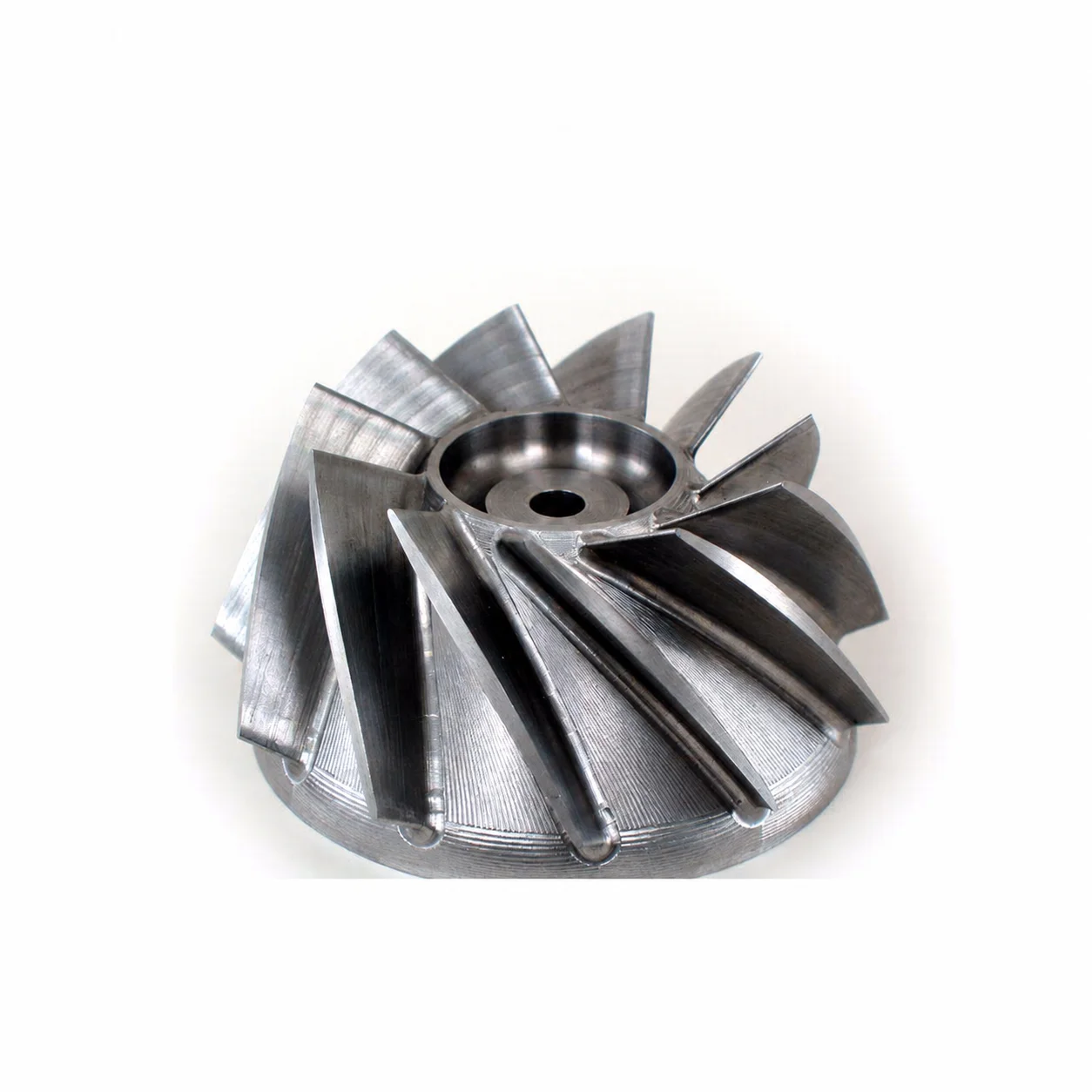
Fully custom steel components can be discussed through lost-wax investment casting with machining. Stainless-steel and carbon-steel directions are available for an OEM inquiry, with component size developed from the customer's 3D drawing and a negotiable minimum quantity.
A steel choice tied to the component
Stainless steel and carbon steel are material directions for selection, rather than one interchangeable grade. Identify the exact steel required for the part and connect that choice to its function, mating surfaces and operating conditions. This establishes a useful basis for discussing the custom casting without assigning an unconfirmed material to the drawing.
The 3D drawing defines the cast form
The design is fully custom made, so the customer's 3D drawing is central to defining size and geometry. Mark the important interfaces and dimensional requirements, including the areas that must be assessed after casting. Agree the applicable casting-tolerance requirement for that particular component instead of relying on a general precision description.
Machining after lost-wax casting
Machining is part of the manufacturing direction and should be assigned to the surfaces that require it. Separate the intended cast condition from the finished condition at those locations. The agreed work can then address the actual dimensions and acceptance points without assuming an unconfirmed machining method or numerical accuracy.
An OEM inquiry with a negotiable minimum
Quantity can be discussed alongside the selected steel, custom geometry and required machining scope. Include the intended component role and finished acceptance so that the inquiry describes a specific part. This connects the negotiable minimum to the actual OEM work rather than a generic stock component.