
Custom Reducer-Housing Casting and Machining with Aluminum Die-Casting, Mold and Vacuum-Casting Inquiries
Let’s define your requirement
Send a product link, drawing or short brief. We’ll work through the details with you.
- Confirm the specificationGrade or model, size and intended use.
- Define your orderQuantity, finish or configuration, and samples.
- Agree the quotation scopeIncluded work, key checks and delivery needs.
-
Component FormHousing / Enclosure
-
MaterialGrey Iron
-
ApplicationAutomotiveSurface treatmentElectric coating
-
Product nameReducer housingProcessCasting+machining
-
ServiceOEM\ODMCertificationISO9001:2015
-
DimensionsCustomized DimensionToleranceCustomer's Drawing Request
-
Quality ControlProfessional Inspection
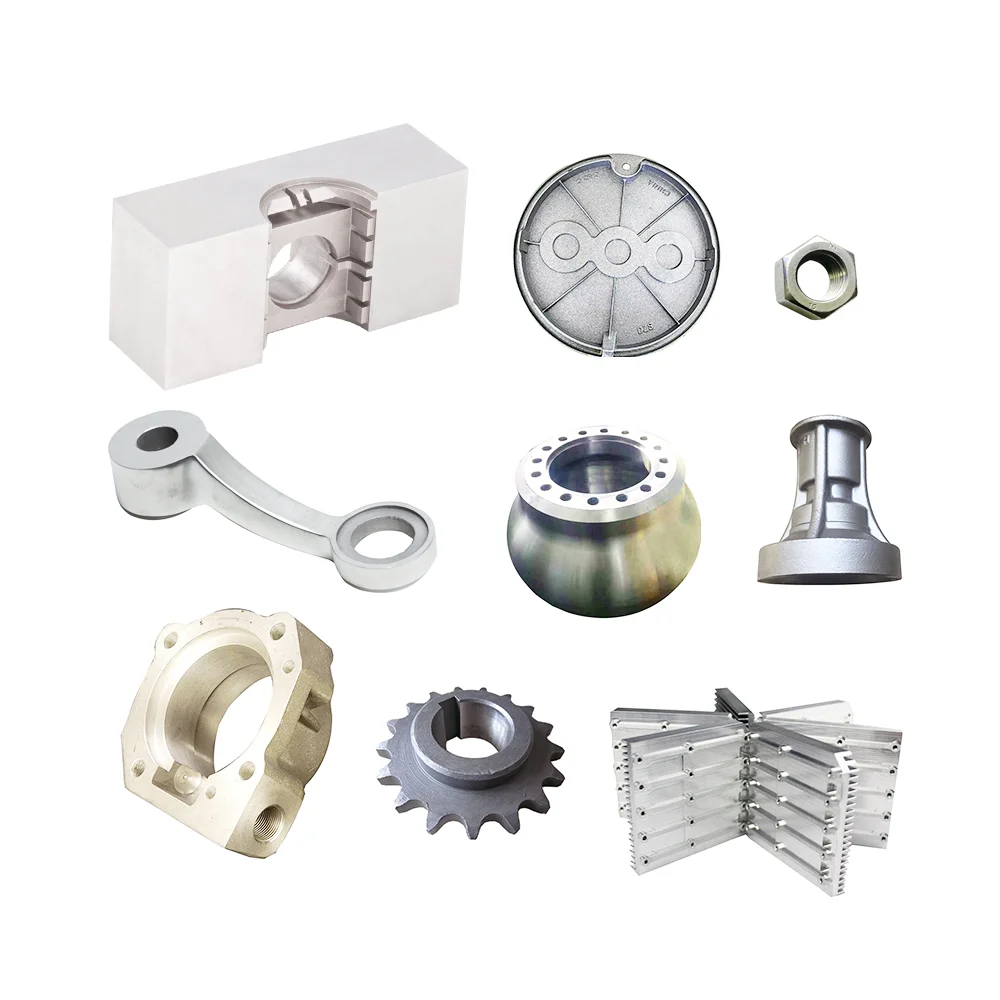
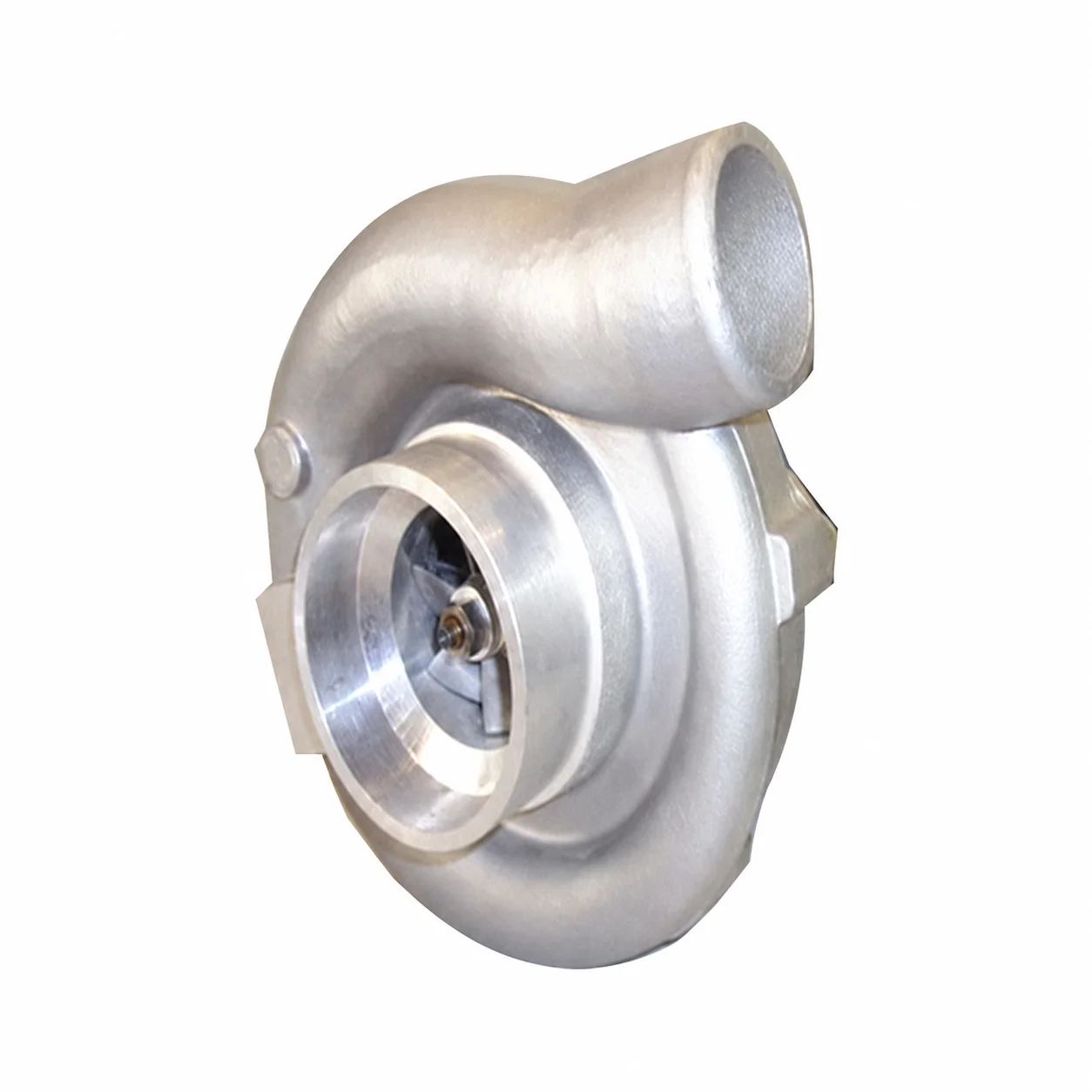
Custom automotive reducer-housing work includes casting plus machining, electric coating and OEM/ODM service. Dimensions are customizable, while tolerance follows the customer's drawing. The housing inquiry should identify the component, its selected material and the actual casting route before the finished-part scope is agreed.
Reducer housing and selected material
For a reducer housing, agree the intended grey-iron or aluminum material and the actual casting method. Aluminum die-casting, mold and vacuum-casting inquiries need the material and method defined for the particular component. That selected route gives the housing design and its machining work a common basis for reviewing geometry, material and delivered condition.
Cast shape, machining and drawing tolerance
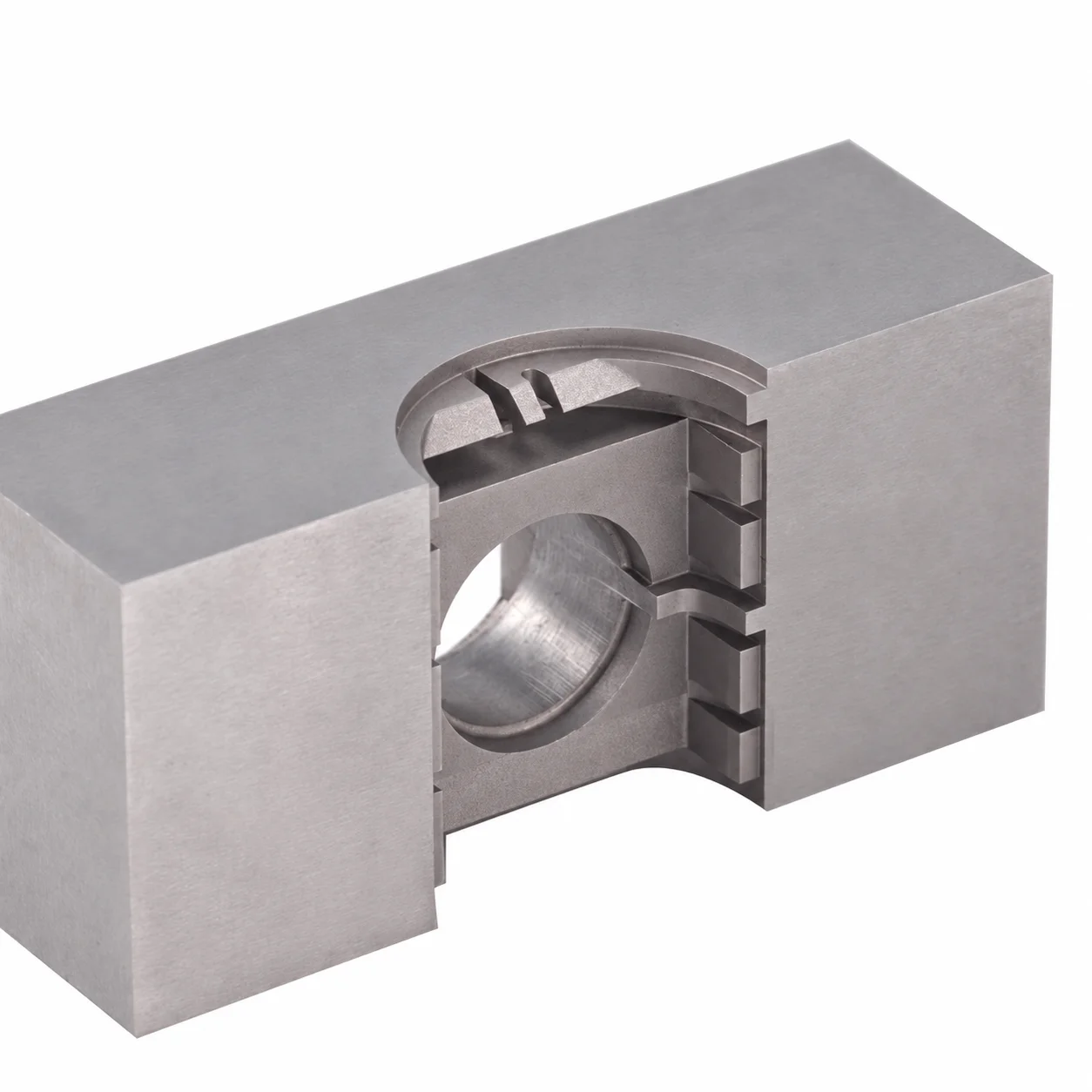
Casting and machining are the concrete production stages for the housing work. Identify the shape and mating dimensions on the customer drawing, then connect tolerance requirements to the component areas that need dimensional control. This supports a custom automotive housing discussion with geometry and acceptance defined for the intended assembly.
Electric coating and professional inspection
Electric coating is the surface-treatment direction, with professional inspection included in quality control. Define the requested coating condition and the housing surfaces to which it applies, together with the dimensional checks for the selected part. The inspection discussion can then address the component's geometry and delivered surface against the customer's drawing and agreed coating criteria.
A useful OEM/ODM scope brings the material, agreed casting method, machined interfaces and electric-coated condition together around the reducer housing. Those choices establish the custom component to be made and the criteria for reviewing it within the automotive assembly.








