
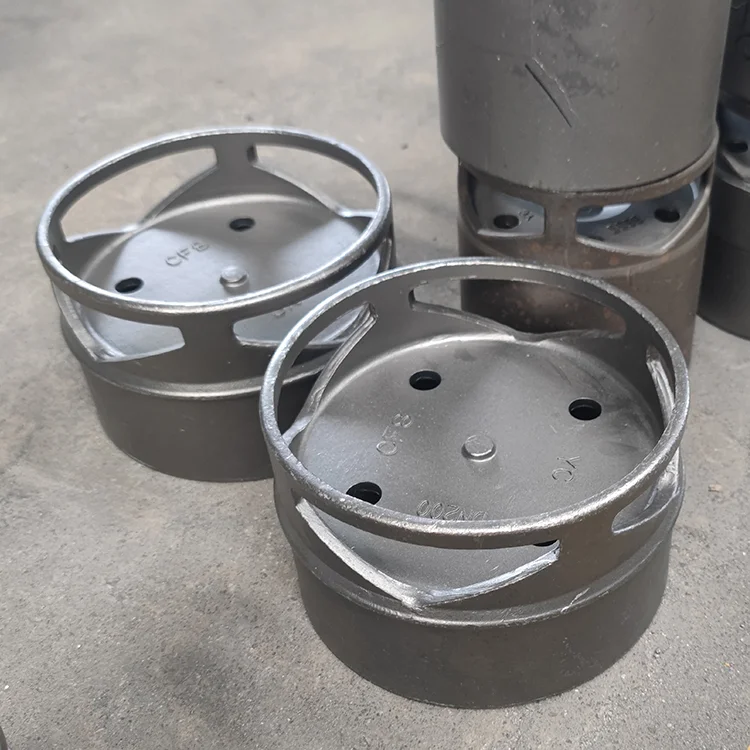
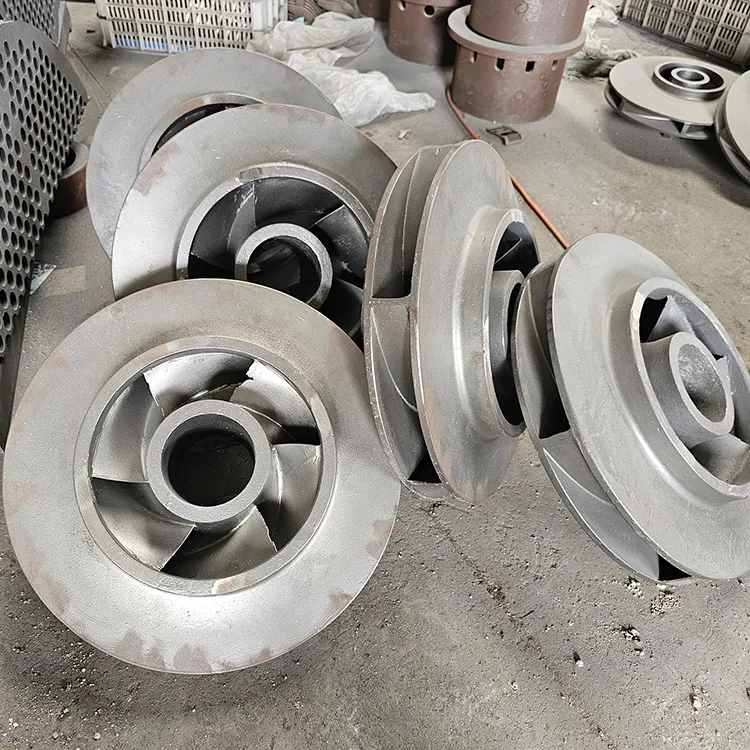
Custom Precision Steel Investment Casting Parts | Foundry and CNC Service for Machinery and Industrial Equipment
Let’s define your requirement
Send a product link, drawing or short brief. We’ll work through the details with you.
- Confirm the specificationGrade or model, size and intended use.
- Define your orderQuantity, finish or configuration, and samples.
- Agree the quotation scopeIncluded work, key checks and delivery needs.
-
Surface FinishPainted , Polished
-
Product nameCustom Casting Parts
-
Materialgrey iron, ductile iron, steel, stainless steel, aluminum, copperApplicationIndustry, automotive, agriculture, aviation, construction, electrical
-
Surface treatmentPainting, oxidation, polishing, electrophoresis, electroplating, etcDimensionsCustomized Sizes
-
ToleranceCT4-CT6Quality ControlISO9001
-
PackingCarton Wooden BoxProcessCasting, CNC, turning, milling, 5 Axis
-
Drawing format2D(PDF/DXF/DWG)3D(STEP/IGS/PRT)
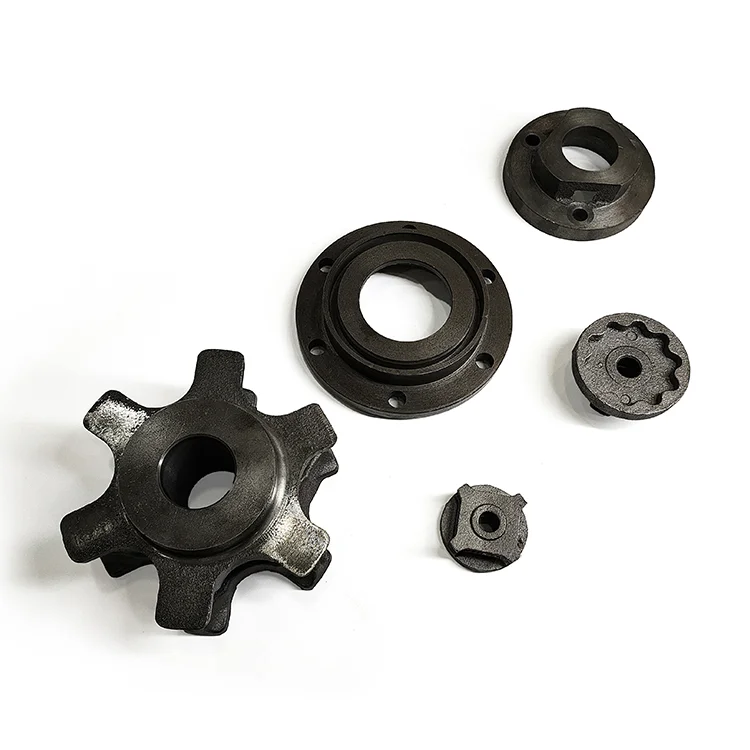
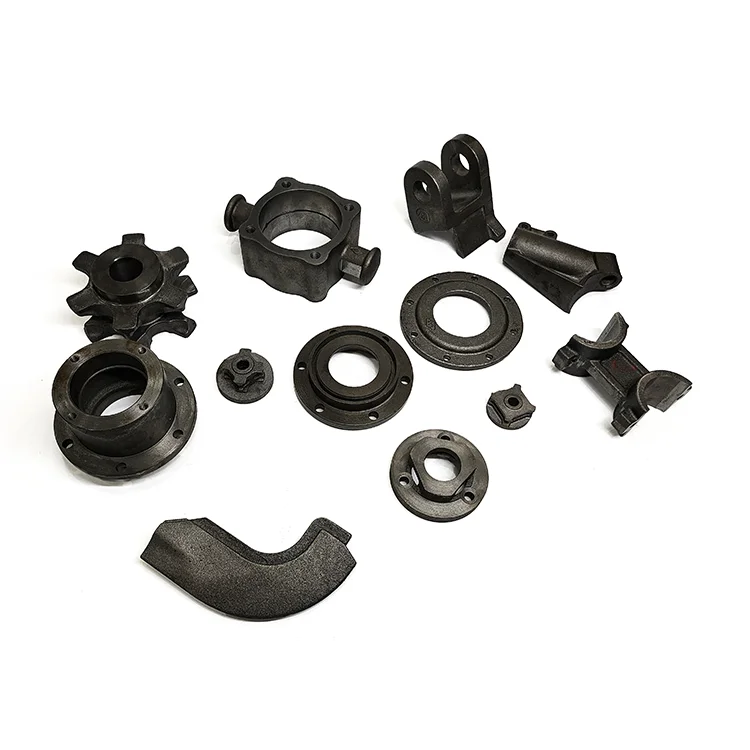
Specify a machinery or industrial equipment component with its steel casting and machining requirements connected. This custom investment casting service supports requested sizes and a wider metalworking scope, including CNC, turning, milling and 5-axis work.
Identify the steel grade and the surfaces requiring machining
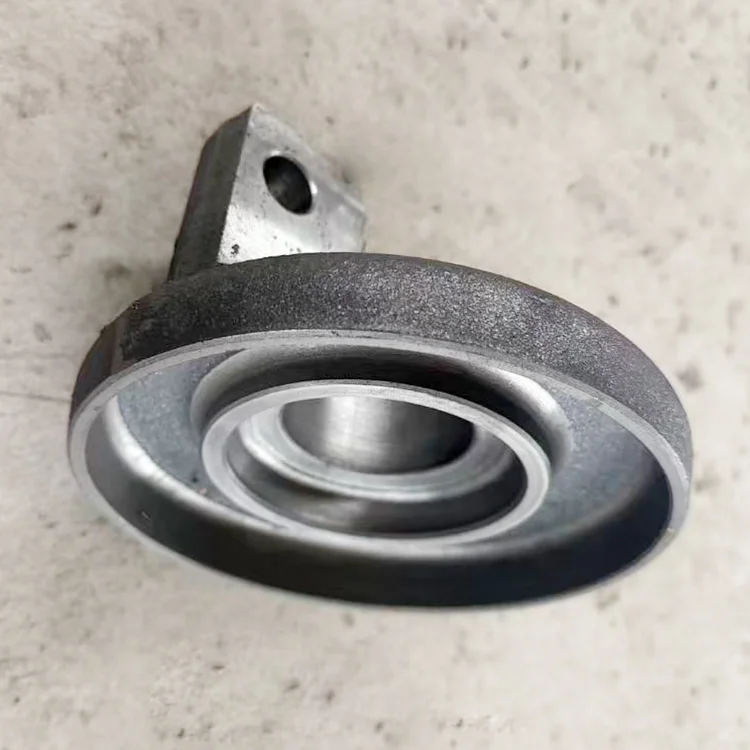
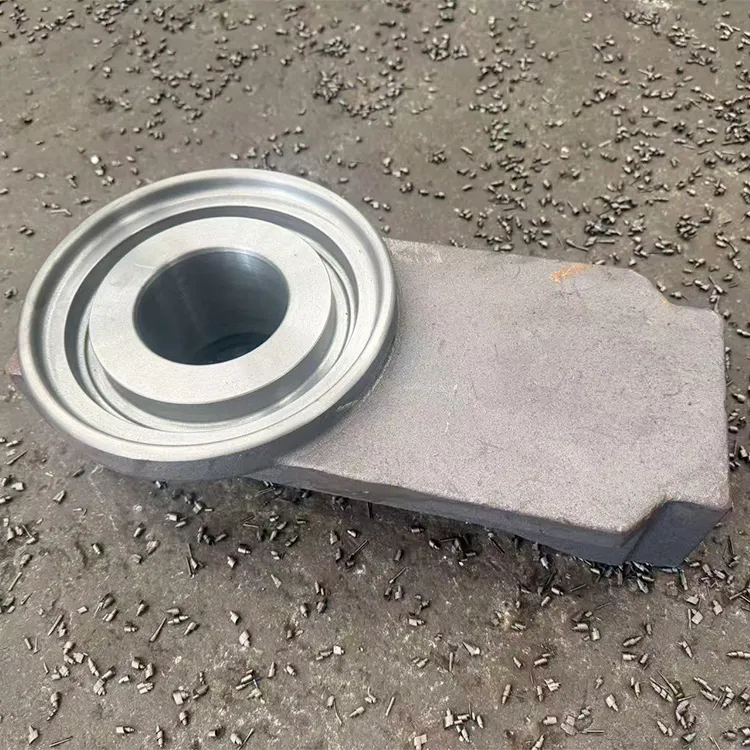
Define the material grade and component geometry before selecting the required operations. Alongside steel, the broader casting range includes grey iron, ductile iron, stainless steel, aluminum and copper. Mark which areas need turning, milling or other agreed machining so the request describes the finished component as well as the casting shape.
Give CT4–CT6 a clear dimensional scope
CT4–CT6 is the stated casting tolerance range. Agree the applicable basis and dimensions for that range, together with any separate finished-machining acceptance. A clear division between casting requirements and machined dimensions helps the enquiry address the actual component interfaces without assuming an unstated tolerance standard.
Choose the treatment for the selected material
Painting, oxidation, polishing, electrophoresis and electroplating are available surface directions. Identify the required surface condition and confirm the appropriate treatment for the chosen metal and component. The intended industrial application should guide that decision rather than leave the finish as an undefined part of the enquiry.
Provide the controlling documents for the part
Drawing inputs include 2D PDF, DXF or DWG and 3D STEP, IGS or PRT files. Keep the selected material, size, machining requirements and surface acceptance attached to the controlling component revision. If quality-system documentation is required, confirm the applicable holder and scope for the proposed work alongside the technical brief.








