
Custom Precision Stainless Steel Aluminum Lost Wax Investment and Die Casting Parts | CT4–CT6 and CNC Enquiries
Let’s define your requirement
Send a product link, drawing or short brief. We’ll work through the details with you.
- Confirm the specificationGrade or model, size and intended use.
- Define your orderQuantity, finish or configuration, and samples.
- Agree the quotation scopeIncluded work, key checks and delivery needs.
-
Surface FinishSandblasted , Polished
-
ProcessCasting
-
KeywordSteel Investment CastingOther ProcessDie casting,CNC machining,Injection molding,Stamping,etc
-
MaterialStainless Steel,Carbon Steel,Aluminum,Brass,etcCustomizedAvailable
-
Surface treatmentPolish,Sand blasting,Powder coating,Painting,Plating,etcMOQ1 Piece
-
RoughnessRa1.6~3.2ToleranceCT4-CT6
-
Drawing formatSTP,STEP,etc
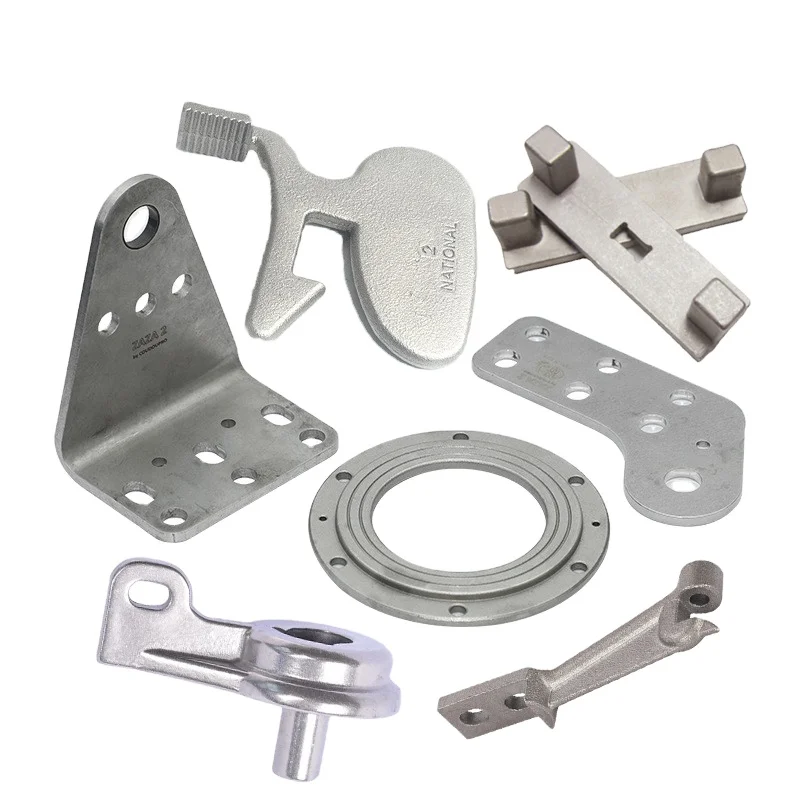
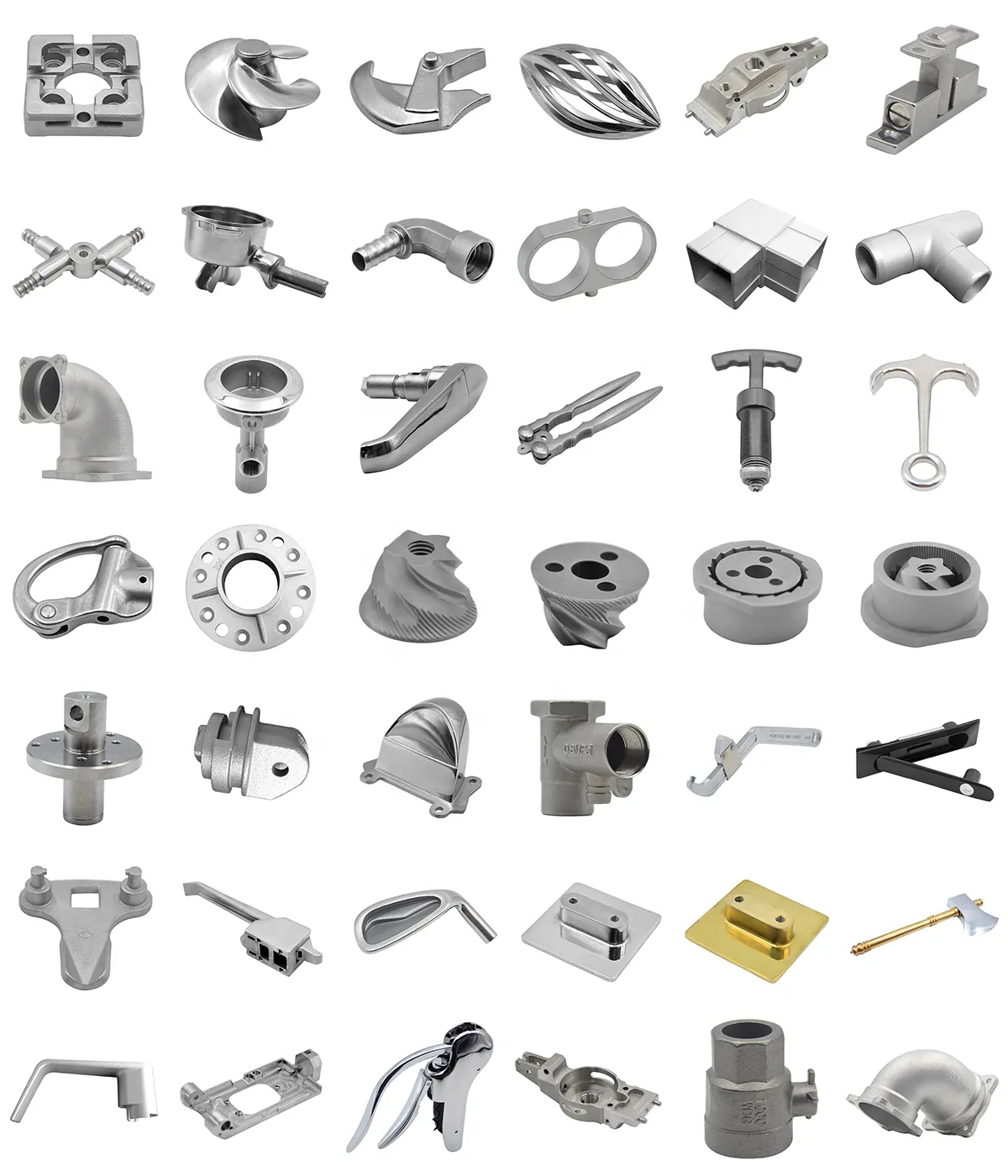
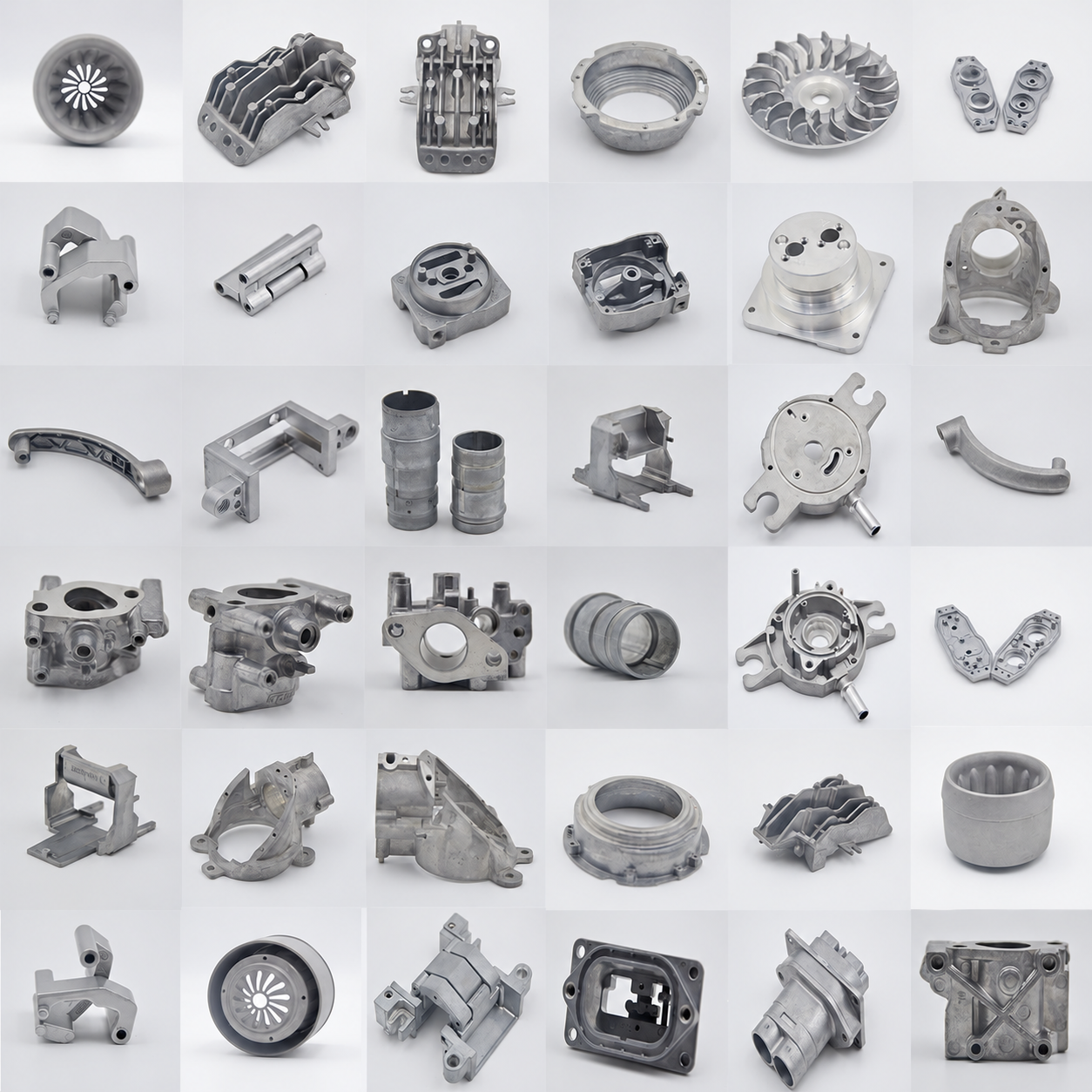
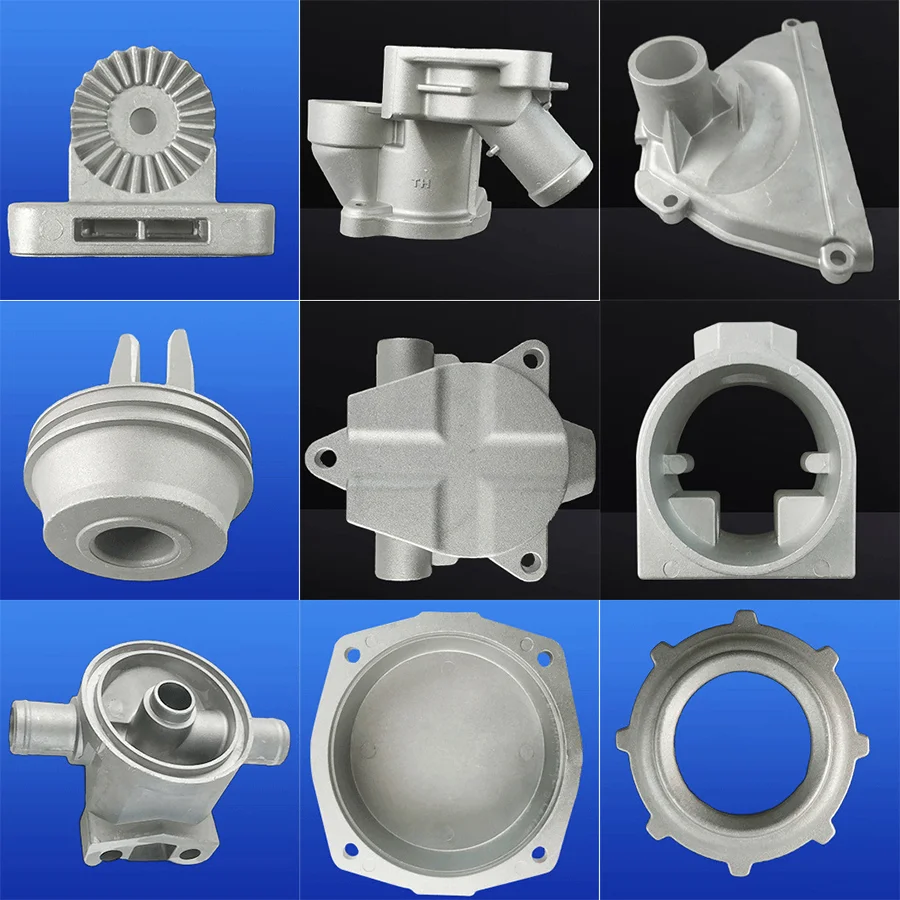
Custom precision lost-wax investment-casting and die-casting enquiries include stainless steel, carbon steel, aluminum and brass material directions. Select the metal grade and component before agreeing the manufacturing route. Customization is available around the actual part requirements.
Component and manufacturing direction
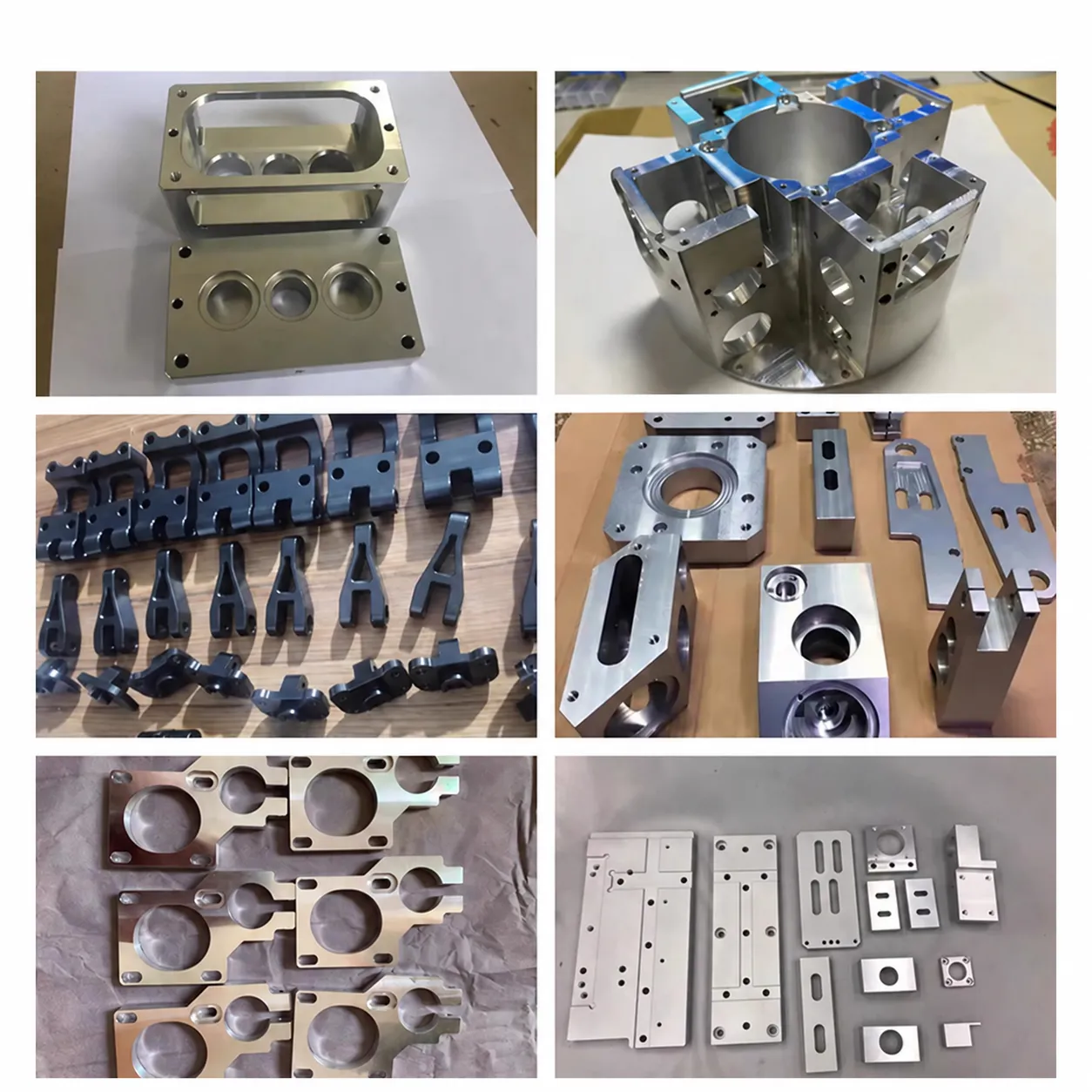
CNC machining, injection molding and stamping are other processing directions. Define their actual object, material and selected operation for the enquiry. Bring the component drawing and intended duty into that choice. The accepted production scope should identify which route and operations apply to the requested part.
CT4–CT6 and surface roughness
CT4–CT6 is the tolerance reference. Ra1.6–3.2 is the roughness reference, with its unit and assessed surfaces to agree. Identify the manufacturing stage, covered dimensions and measurement criteria for the selected component. Use those requirements to define the accepted dimensional and surface result.
Finishes selected for the actual metal
Surface choices include polishing, sandblasting, powder coating, painting and plating. Select the finish around the chosen material and the component's required condition. Specify the covered areas and the dimensional or surface checks after finishing.
STP and STEP drawing inputs
STP and STEP are drawing-format references. Identify the actual file type and drawing revision used for the enquiry. Provide the grade, geometry and intended duty together with the selected process, tolerance, roughness and inspection requirements. These inputs bring the custom casting or other manufacturing request into a defined component scope.








