
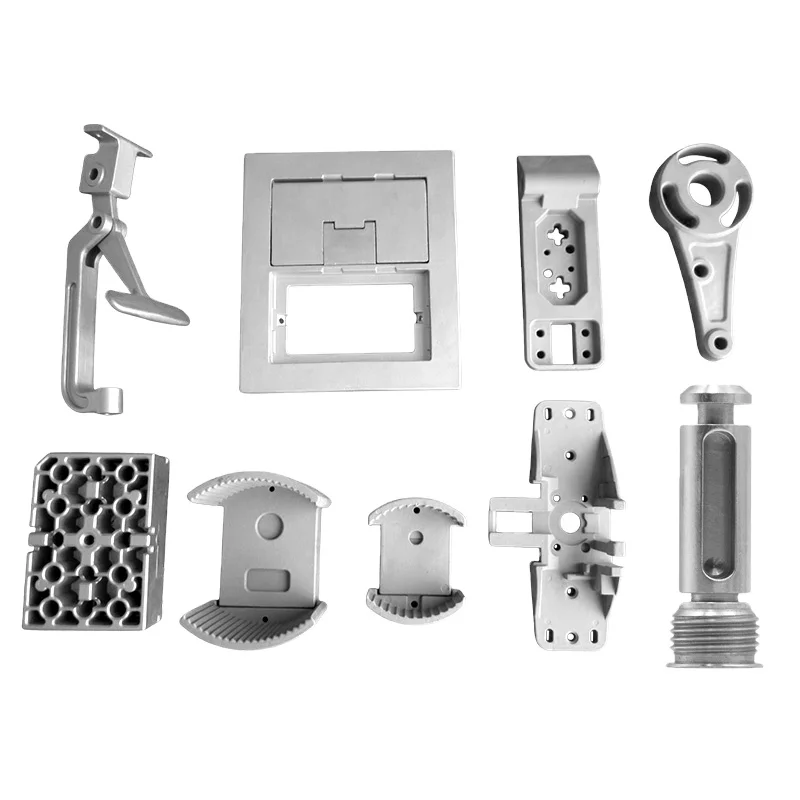
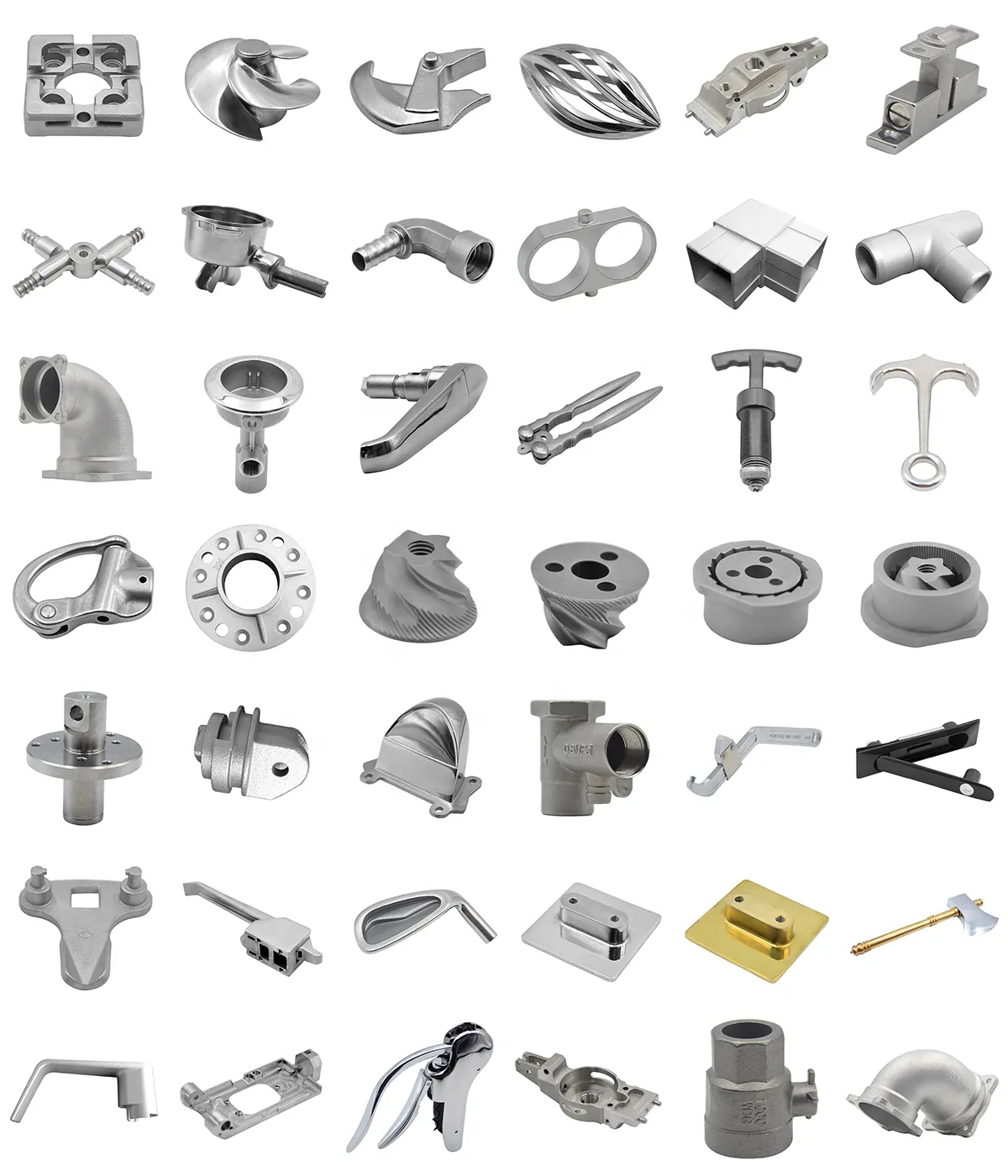
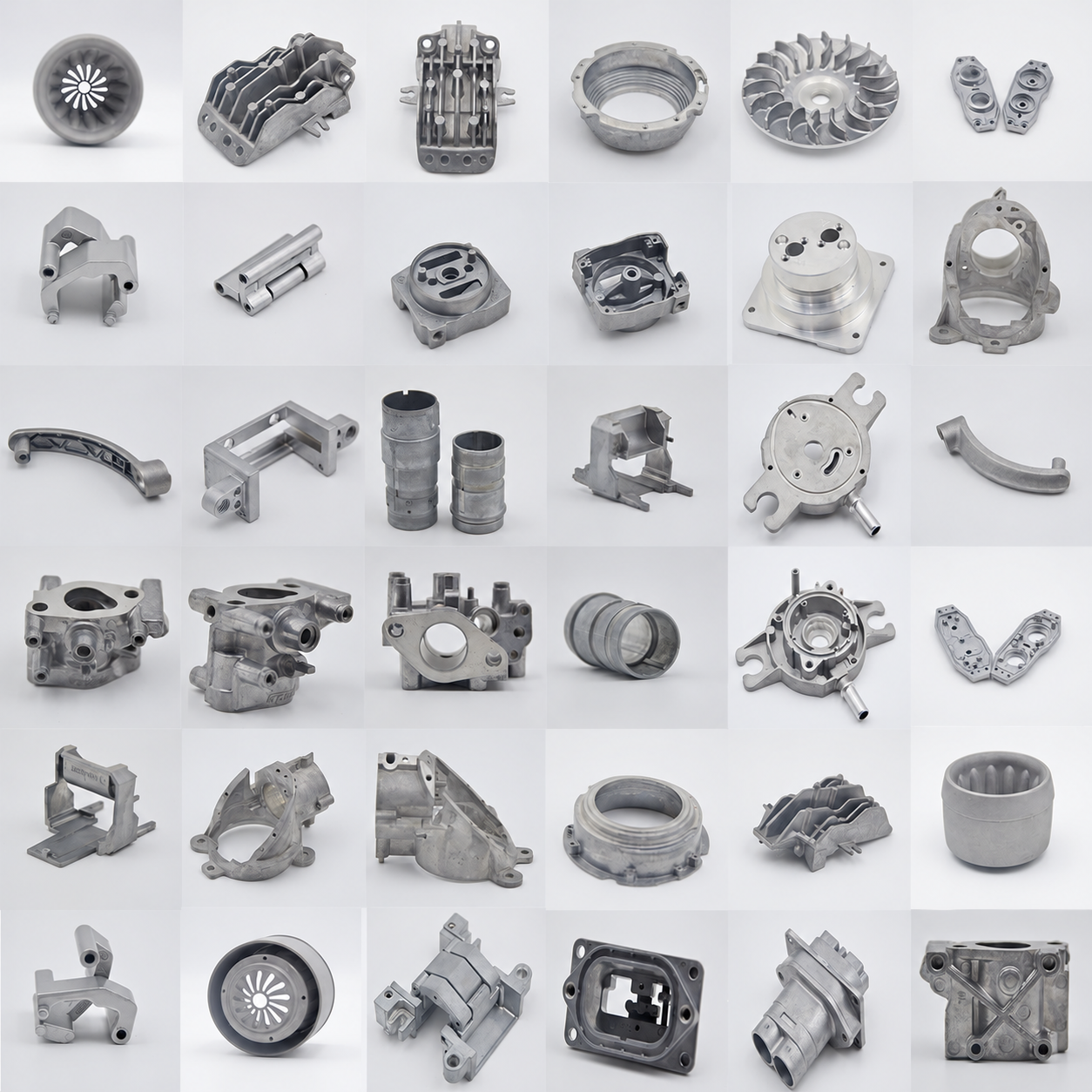
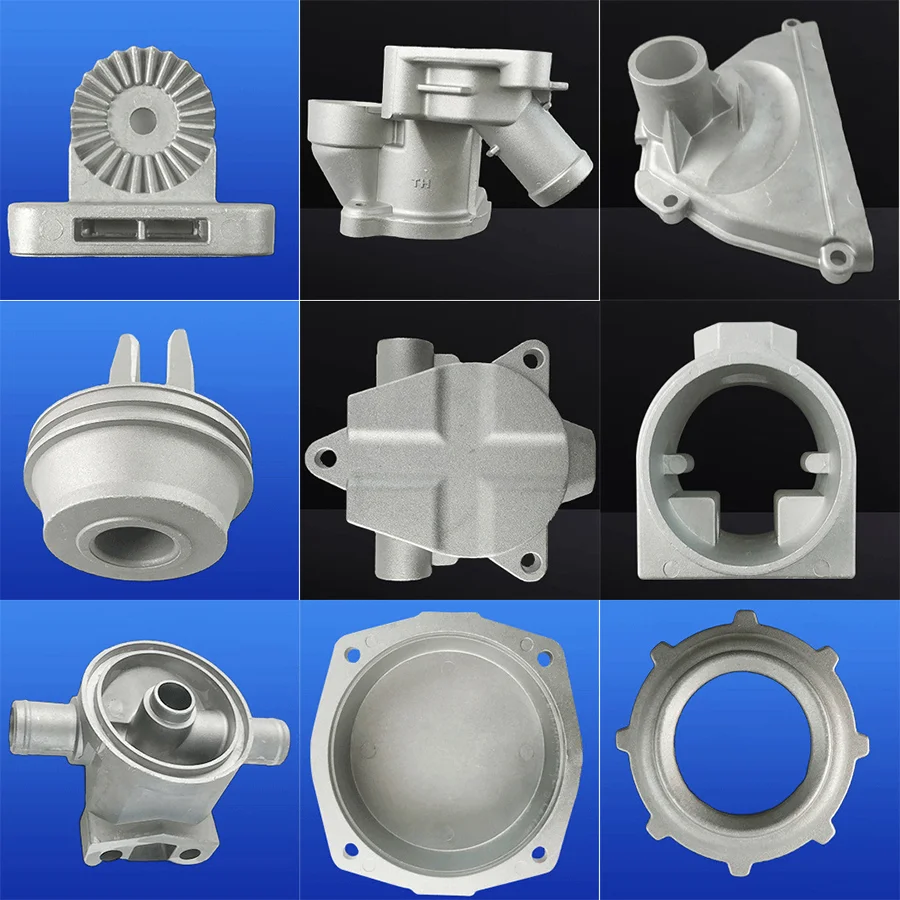
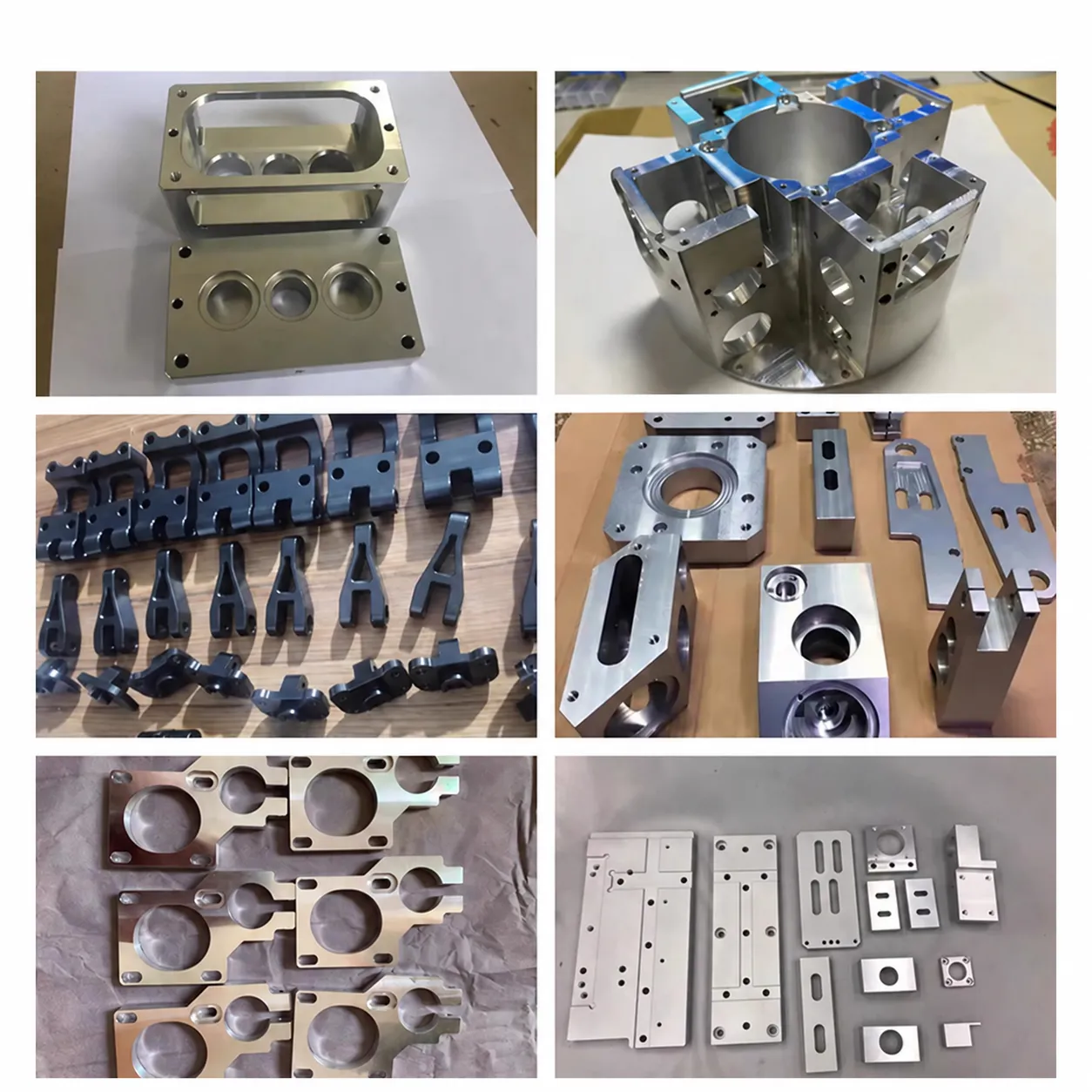
Custom Precision Lost Wax Investment Casting for Magnesium Iron Stainless Steel and Aluminum Parts
Let’s define your requirement
Send a product link, drawing or short brief. We’ll work through the details with you.
- Confirm the specificationGrade or model, size and intended use.
- Define your orderQuantity, finish or configuration, and samples.
- Agree the quotation scopeIncluded work, key checks and delivery needs.
-
Surface FinishSandblasted , Polished
-
ProcessCasting
-
KeywordInvestment CastingOther ProcessDie casting,CNC machining,Injection molding,Stamping,etc
-
MaterialStainless Steel,Carbon Steel,Aluminum,Brass,etcCustomizedAvailable
-
Surface treatmentPolish,Sand blasting,Powder coating,Painting,Plating,etcMOQ1 Piece
-
RoughnessRa1.6~3.2ToleranceCT4-CT6
-
Drawing formatSTP,STEP,etc
Custom precision foundry enquiries cover investment and lost wax casting for magnesium, iron, stainless steel and aluminum parts. Carbon steel and brass are additional material choices. Select the actual alloy and component geometry so the casting route and any later operations are defined for the intended part.
Select the material and the required process
Other process choices include die casting, CNC machining, injection molding and stamping. Each requires its own material and manufacturing definition for the project rather than being assumed as part of every casting sequence. Identify which operations the component needs and the requirements they must meet.
Apply the casting and roughness references
The casting tolerance range is CT4–CT6. Roughness is referenced as Ra 1.6–3.2, with the unit, measurement conditions and applicable manufacturing stage to be agreed. Mark the dimensions and surfaces governed by those requirements on the component drawing so the selected grade and surface criteria have a clear acceptance basis.
Choose a surface treatment for the selected alloy
Polishing, sandblasting, powder coating, painting and plating are available surface choices. Define the required appearance or functional criteria and identify the surfaces involved. Review the selected treatment against the alloy and any machined dimensions before finalizing the finished-part requirements.
Use STP or STEP to define the custom component
Customization is available, with STP and STEP among the drawing inputs. Use a consistent revision and include the selected material, part duty and acceptance requirements. Agree the inspection criteria and records needed for the casting and any secondary operations so the enquiry describes a defined manufacturing project.








