
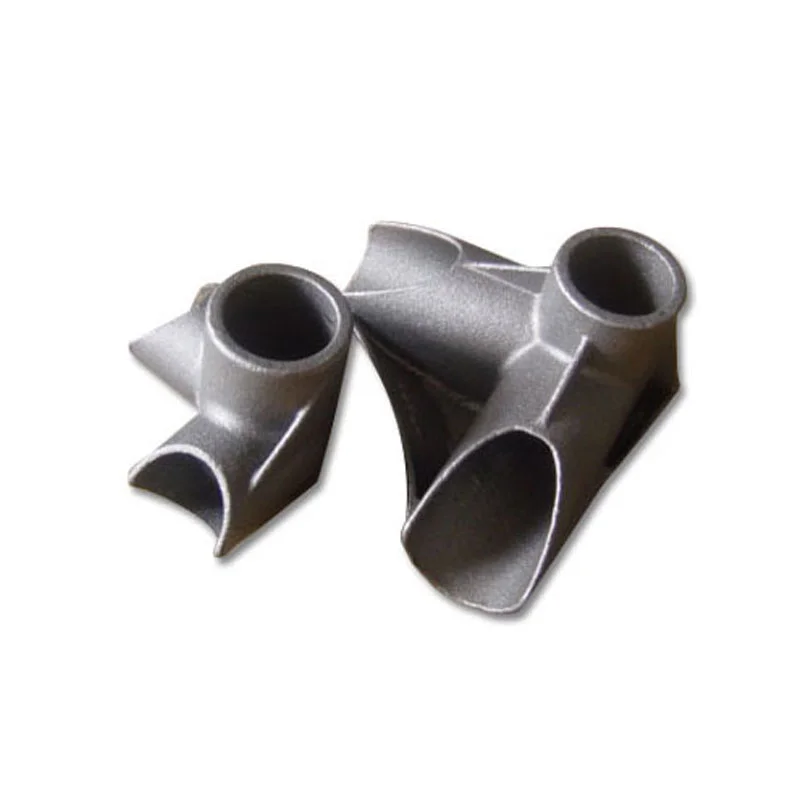
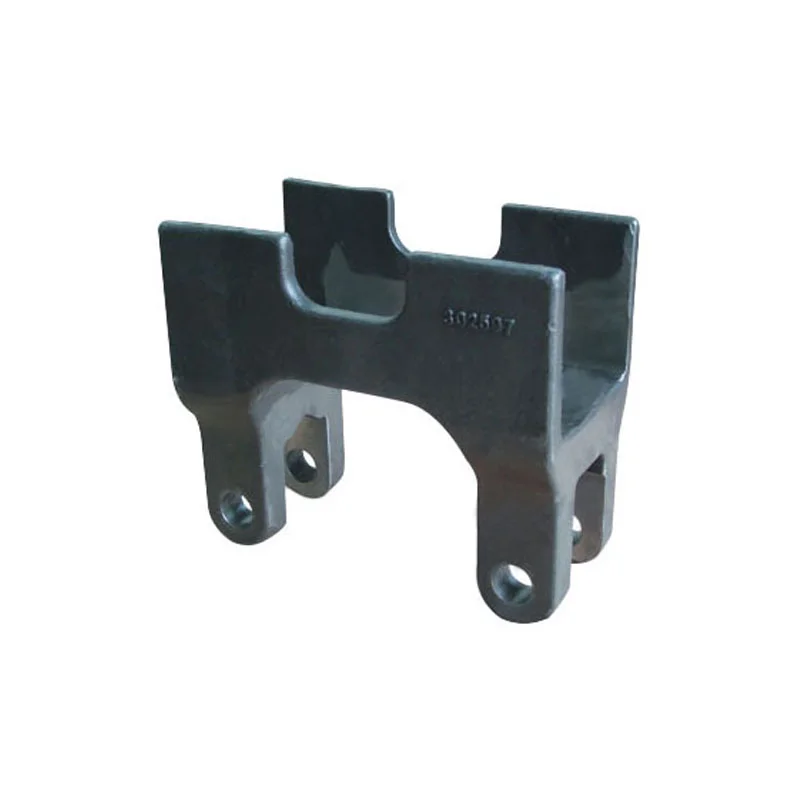
Custom Precision Investment/Sand Casting | CT4–CT8, ±0.02mm Machining, Welding & Forging
Let’s define your requirement
Send a product link, drawing or short brief. We’ll work through the details with you.
- Confirm the specificationGrade or model, size and intended use.
- Define your orderQuantity, finish or configuration, and samples.
- Agree the quotation scopeIncluded work, key checks and delivery needs.
-
Surface FinishSandblasted , Polished
-
MaterialStainless Steel,Steel,Brass,Copper,Aluminum,Iron,Plastic
-
TechnologyInvestment Casting,Sand Casting,Machining,Welding,ForgingMachiningBroaching,DRILLING,Milling,Turning,Tapping,Wire
-
ProcessMolds,Casting,Deburring,Machining,Surface Treatment,PackingWeightAvailable from 0.01 Kg-10T
-
StandardISO,GB,DIN,JIS,ANSI,BSW,ASTM,ASME,BS,API,ENCasting ToleranceCT4-CT8
-
Machining Tolerance+/-0.02mmSurface TreatmentPolishing, Passivating, Sandblasting, Zinc plating, Oxide black
-
CertificationIS09001: 2015,TUV
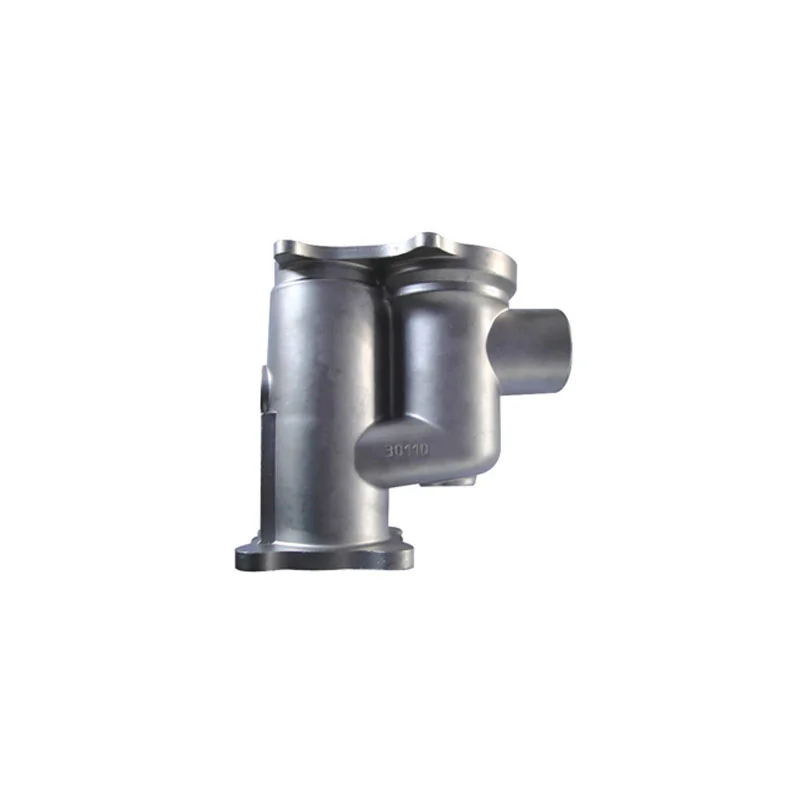
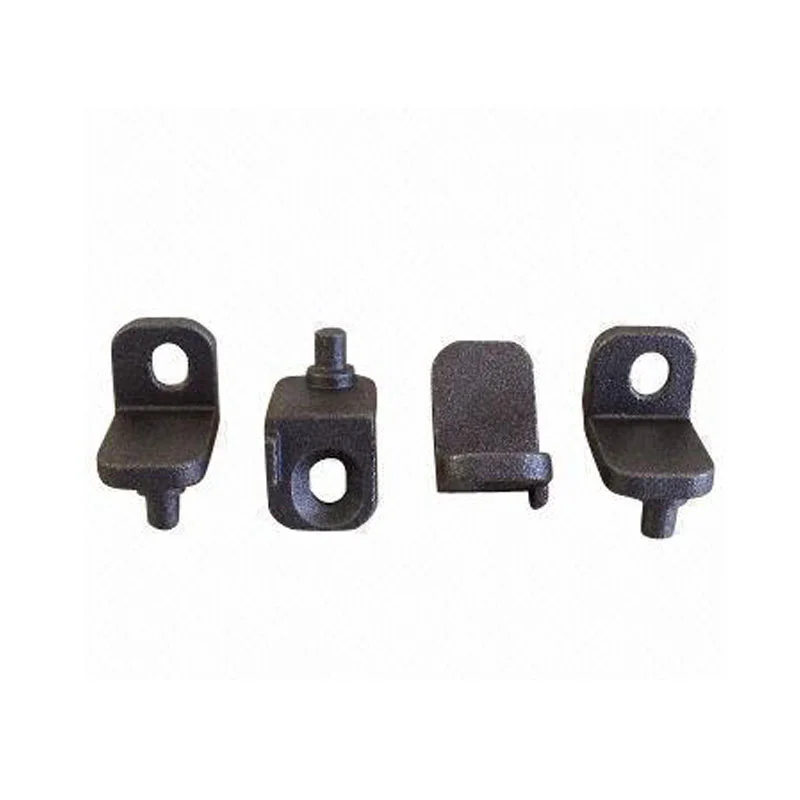
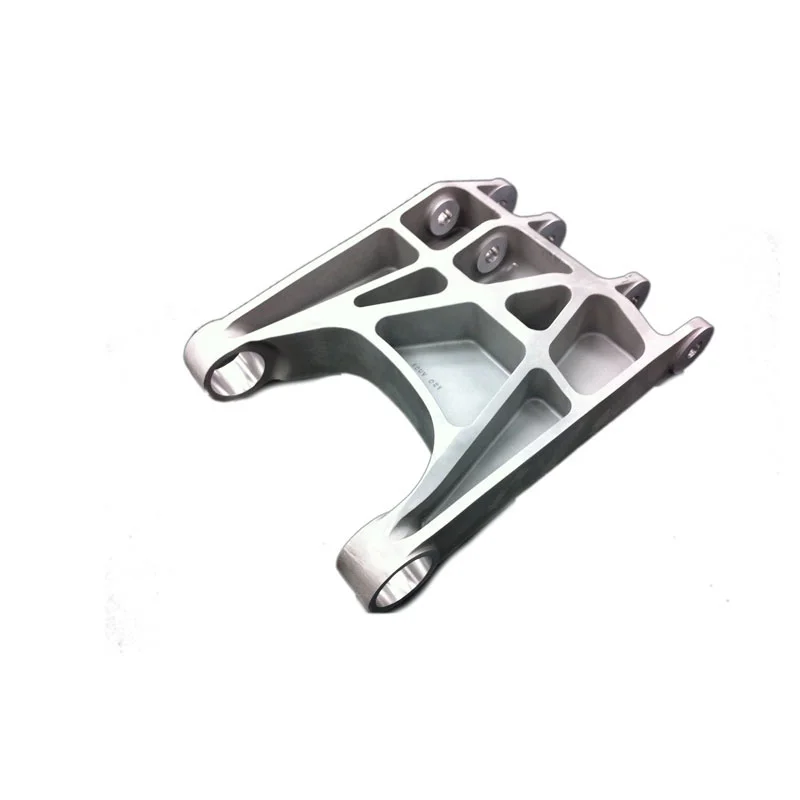
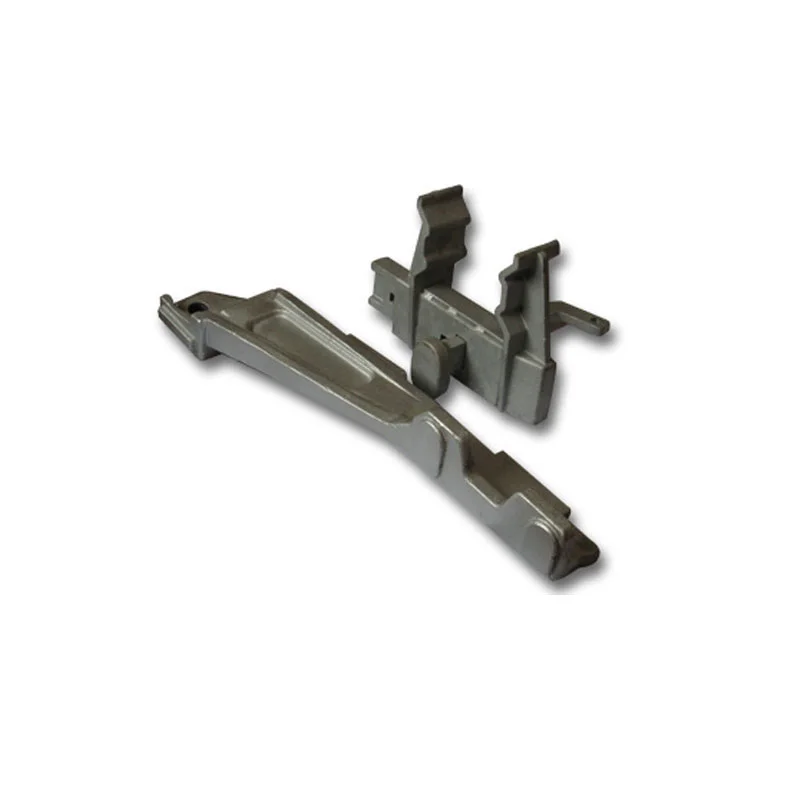
Custom component-processing directions include investment casting, sand casting, machining, welding and forging. Material choices cover stainless steel, steel, brass, copper, aluminum, iron and plastic. Select the actual grade and compatible manufacturing route, establishing plastic-component processing separately from metal casting or forging.
Define the mold and machining operations
Processing stages include molds, casting, deburring, machining and surface treatment. Machining directions include broaching, drilling, milling, turning, tapping and wire processing. Identify the operations needed by the actual component and confirm the scope of any wire operation before defining its resulting geometry and acceptance criteria.
Separate CT4–CT8 casting from ±0.02mm machining
The casting tolerance reference is CT4–CT8, while the machining tolerance reference is ±0.02mm. Mark the controlled cast and machined dimensions separately for the selected material and route. Agree how those requirements apply to the part geometry and how the finished dimensions will be assessed.
Choose the applicable surface treatment
Finish choices include polishing, passivating, sandblasting, zinc plating and black oxide. Select the applicable treatment for the component material and identify the surfaces it covers. Specify the desired result together with the dimensional acceptance requirements after processing.
Identify the relevant numbered standard
Technical standard families include ISO, GB, DIN, JIS, ANSI, BSW, ASTM, ASME, BS, API and EN. Identify the numbered reference and requirements that govern the actual component rather than using a family name alone as its acceptance definition. Align that reference with the chosen material, casting or other processing route, machined dimensions and final surface criteria.








