Custom Precision Investment Casting Parts in Aluminum and Zinc Alloys, 0.01-0.05mm Tolerance Enquiry
Let’s define your requirement
Send a product link, drawing or short brief. We’ll work through the details with you.
- Confirm the specificationGrade or model, size and intended use.
- Define your orderQuantity, finish or configuration, and samples.
- Agree the quotation scopeIncluded work, key checks and delivery needs.
-
Surface FinishAnodized , Polished
-
MaterialAluminum alloy. zinc alloy. Iron. Stainless steel. Brass. Copper
-
Surface treatmentPower coating, Polishing, Anodized, ElectroplatingProcessCasting +Machining(if Need)+surface Treatment
-
ServiceCustomized OEM ODMSizeCustomer's Request
-
ColorCustormer's RequirementsTolerance0.01-0.05mm
-
ApplicationElectrical,Medical,Automotive/Motorcycle,CommunicationSpecial processInlay Casting
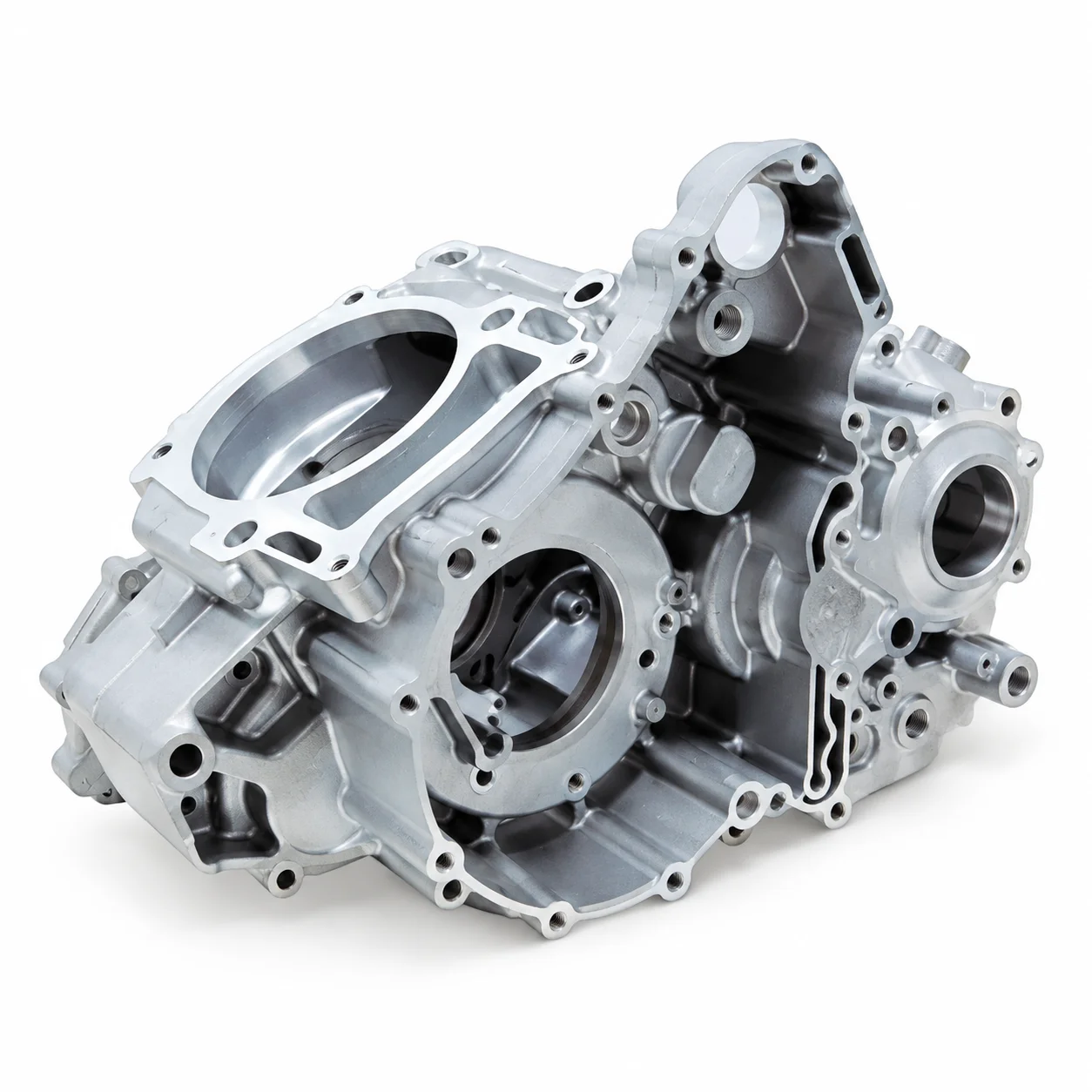
Plan a custom precision metal casting around the chosen alloy, required finished dimensions and surface treatment. Material directions include aluminum alloy, zinc alloy, iron, stainless steel, brass and copper. The process combines casting with machining if needed and a selected treatment, with inlay casting available as a special-process direction.
Assign the tolerance to controlled dimensions
The tolerance reference is 0.01-0.05mm. Agree the dimensions, process stages and inspection criteria to which that range applies. Connect it to the actual finished part drawing rather than treating it as a universal value for every cast surface or material choice.
Plan the inlay and machining scope
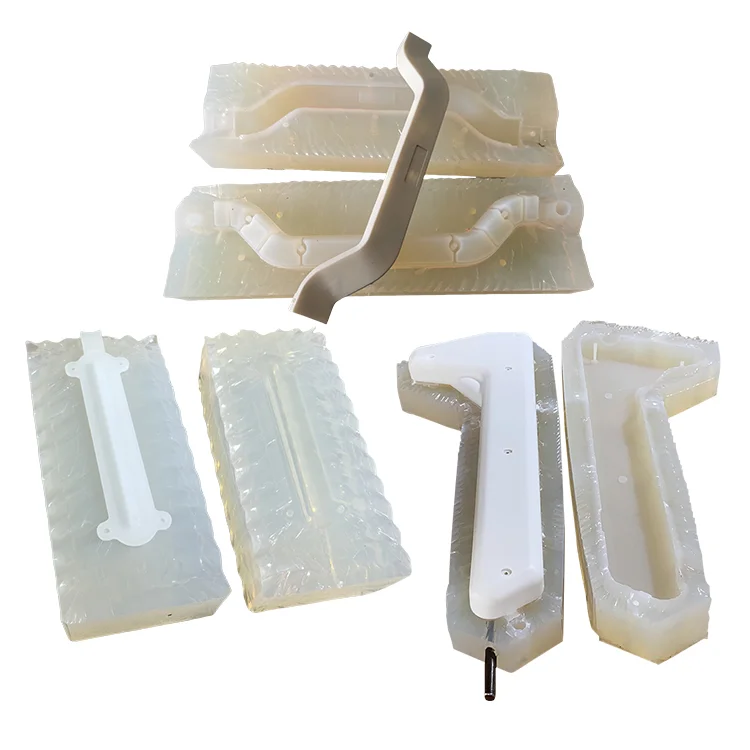
If inlay casting is required, define the inlay arrangement for the component before the manufacturing scope is settled. Identify any dimensions that require machining after casting and the acceptance attached to them. Keep the selected alloy and actual investment-casting request tied to that same component plan.
- Surface choices
- Coating, polishing, anodizing and electroplating are treatment directions, with coating type and material-specific suitability to agree.
- Custom appearance
- Size and color follow customer requirements through OEM/ODM customization.
Match the application and finished condition
Application directions include electrical, medical, automotive/motorcycle and communication parts. Define the component's actual duty and any application-specific requirements for its alloy, inlay and finished surface. Use those criteria with the drawing and tolerance allocation to establish the proposed part's suitability and the inspection needed for acceptance.