
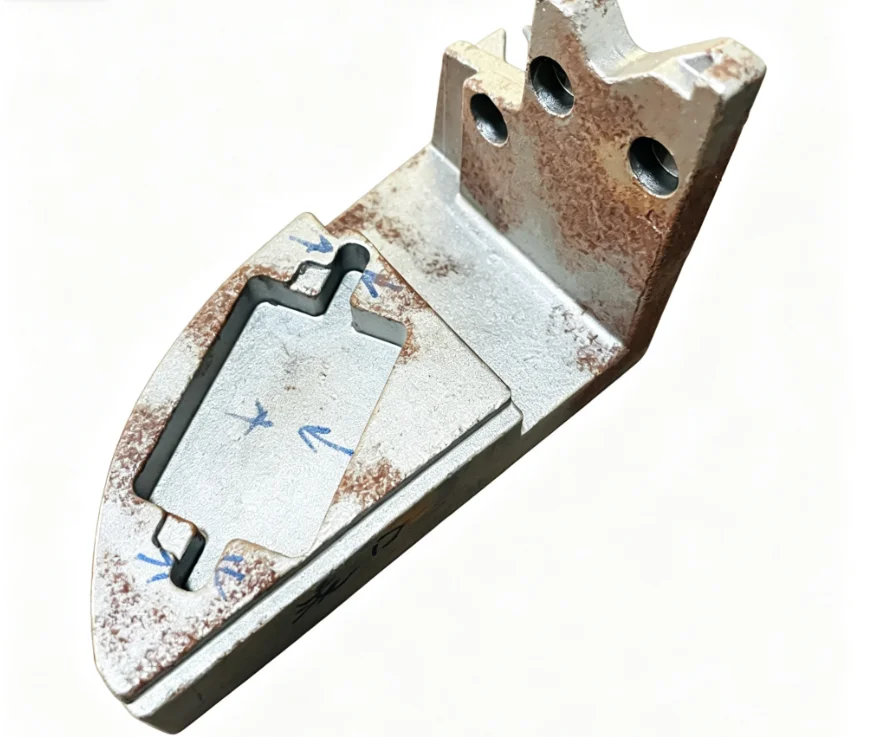
Custom Precision Carbon/Stainless-Steel Machinery Parts | Lost-Wax Investment Foundry Casting, CNC and Micro-Machining
Let’s define your requirement
Send a product link, drawing or short brief. We’ll work through the details with you.
- Confirm the specificationGrade or model, size and intended use.
- Define your orderQuantity, finish or configuration, and samples.
- Agree the quotation scopeIncluded work, key checks and delivery needs.
-
CNC Machining or NotCNC MachiningTypeBroaching, Drilling, Laser Machining, Milling, Other Machining Services
-
Material CapabilitiesBrass, Bronze, Copper, Hardened Metals, Aluminum, Precious Metals, Stainless SteelMicro Machining or NotMicro Machining
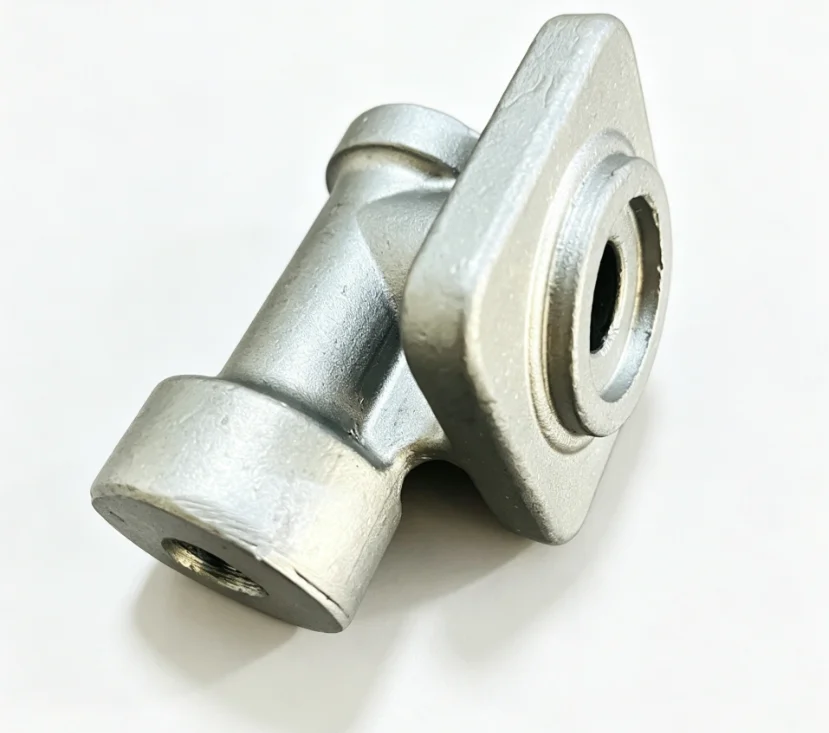
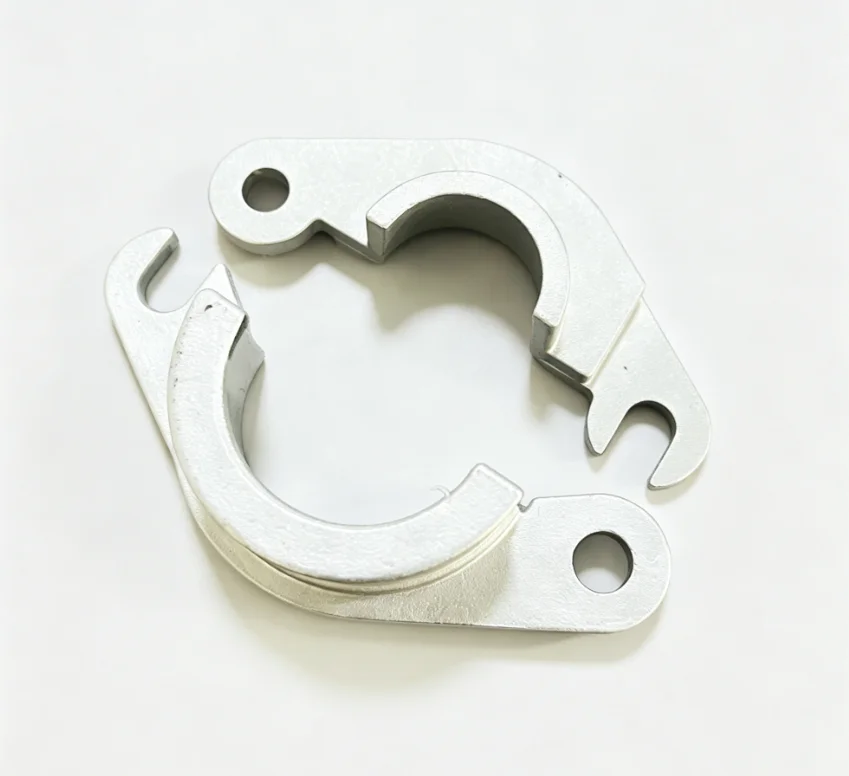
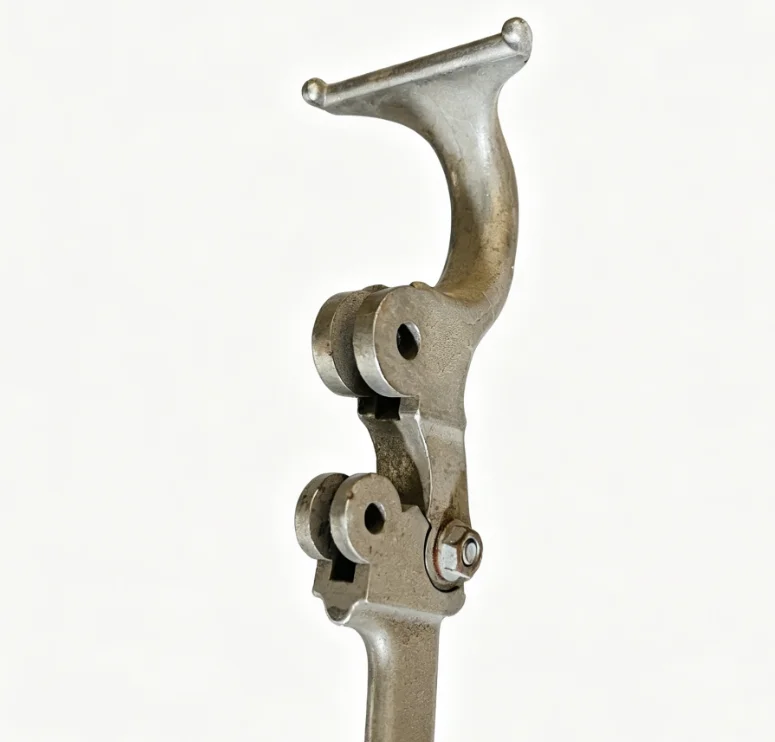
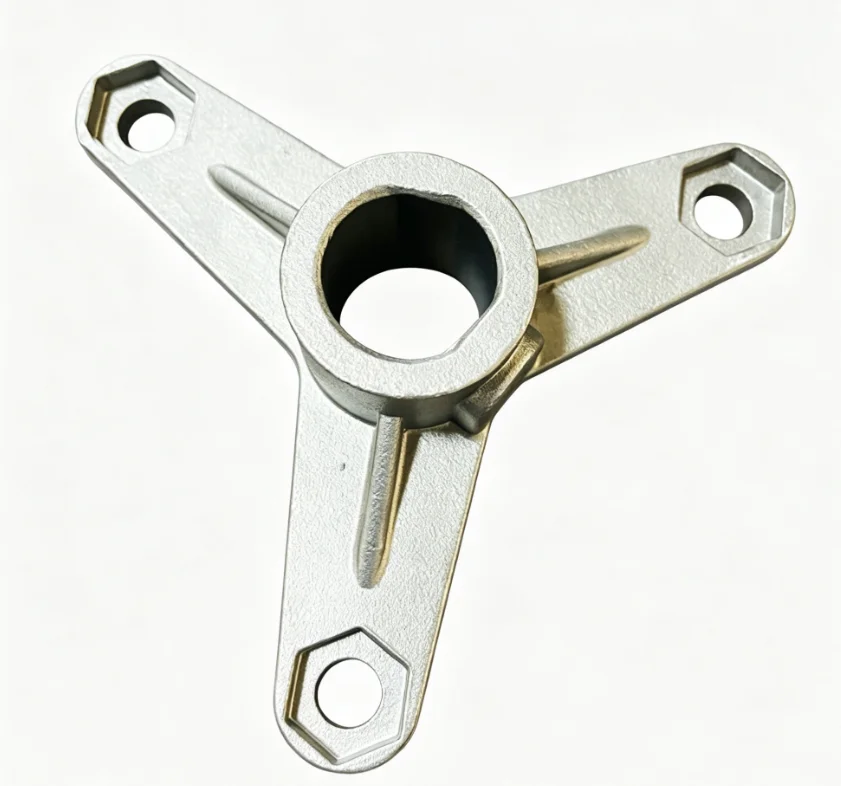
Custom machinery-part inquiries cover precision carbon-steel and stainless-steel lost-wax investment casting, with CNC and micro-machining directions for the selected work. Broader machining material capabilities and named machining methods provide further starting points for defining the actual component. The grade, geometry and required acceptance should be agreed together.
Machinery casting and the actual material route
Select the carbon-steel or stainless-steel requirement for the machinery component, including its actual grade and condition. Define the casting geometry and the dimensions or surfaces requiring machining. The part's function, mating interfaces and operating duty should inform that scope, so the foundry and machining discussion addresses the component that is needed.
Named methods and broader machining materials
Machining directions include the four named methods below, with additional machining services scoped to the actual part. Broader machining materials include brass, bronze, copper, hardened metals, aluminum, precious metals and stainless steel. Assign the selected material and method to the component geometry and required manufacturing route.
- Broaching
- Drilling
- Laser machining
- Milling
Defining the CNC and micro-work requirement
CNC and micro-machining are actual work directions for the inquiry. Identify the geometry, dimensions and acceptance required for the selected micro-work, along with the surfaces or interfaces important to fit. Agree dimensional, surface and inspection criteria for the actual component, connecting its material, chosen methods and machinery duty to a clear finished-part requirement.








