Custom Precision Aluminum Die-Cast Orthopedic Surgical-Instrument Handles with Anodizing and OEM/ODM Service
Let’s define your requirement
Send a product link, drawing or short brief. We’ll work through the details with you.
- Confirm the specificationGrade or model, size and intended use.
- Define your orderQuantity, finish or configuration, and samples.
- Agree the quotation scopeIncluded work, key checks and delivery needs.
-
Component FormHandle / HardwareSurface FinishAnodized
-
SizeCustomized
-
Surface TreatmentAnodizingMaterialsAluminum
-
ApplicationMedicalProcessCasting +Machining(if Need)+surface Treatment
-
ServiceOEM ODM CustomizedColorCustomized Colors
-
DimensionsCustmer's DrawingsTolerance0.01-0.05mm
-
Drawing Format2D/(PDF/CAD/DWG/DXF)3D(IGES/STEP/VDA)PackingPoly Bag + Inner Box + Carton
-
TypeAluninum Die CastingMOQ1000 Pcs
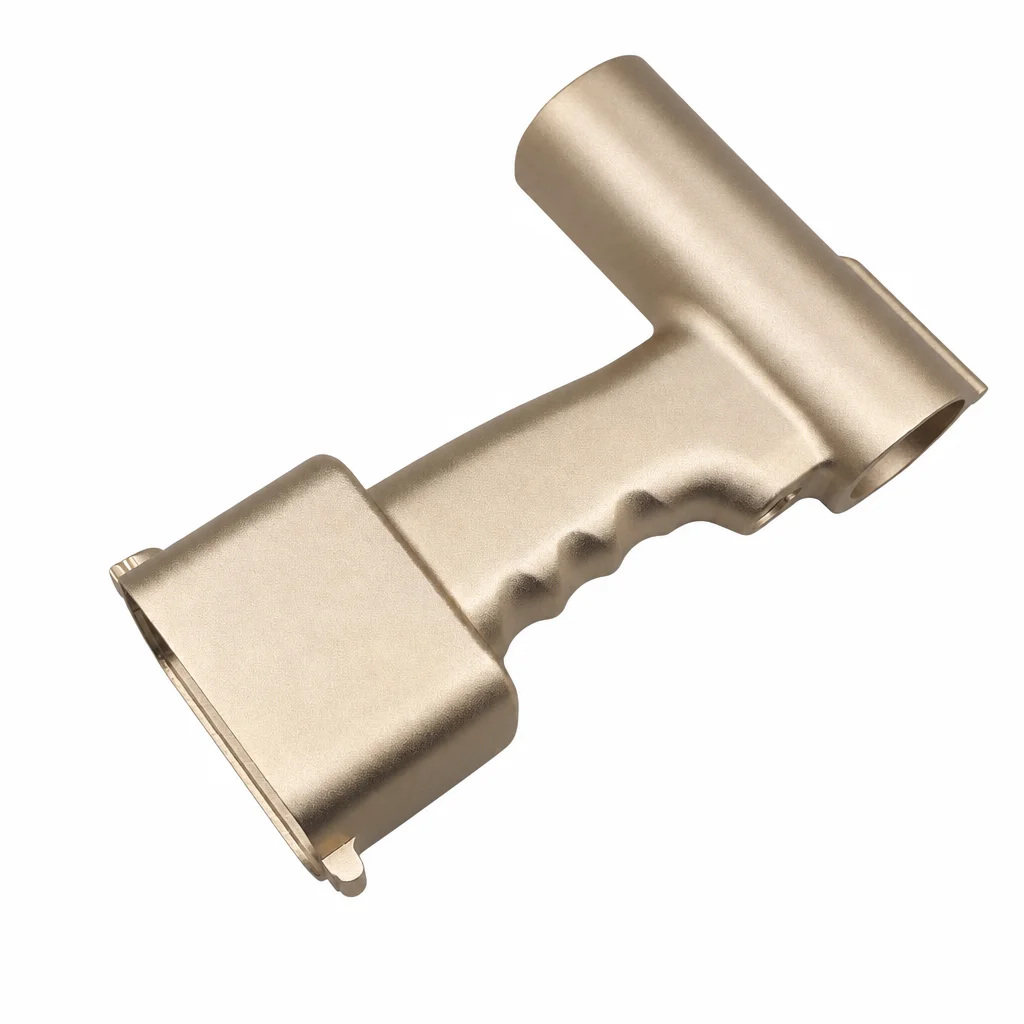
Custom aluminum die-cast handles are offered for orthopedic surgical-instrument component work. OEM/ODM customization follows the customer's drawings, with anodizing and customized colors. The minimum order is 1,000 pieces, making the handle geometry, material and delivered surface important decisions for the component request.
Handle shape and mating dimensions
Dimensions are defined by the customer drawing rather than a fixed handle size. Identify the handle form and the interfaces that join it to the intended instrument. Casting, machining when needed and surface treatment form the production scope, so the drawing can distinguish the cast shape from the areas requiring dimensional machining.
Using the 0.01–0.05 mm reference
The dimensional reference is 0.01–0.05 mm, with the relevant feature and measurement convention to be agreed. Apply that discussion to the particular handle and its mating requirements. This gives precision a specific place in the design review while keeping the chosen aluminum grade and inspection acceptance connected to the actual component.
Anodizing, color and medical function
Anodizing is the surface-treatment direction, and colors can be customized. Define the surface condition and appearance needed for the handle alongside its intended medical function. Any applicable contact, cleaning or conformity acceptance should be agreed for the instrument design, so the delivered component is assessed against the role and conditions it must meet.
Drawing inputs for the custom batch
Accepted 2D formats include PDF, CAD, DWG and DXF, while 3D choices include IGES, STEP and VDA. Use the appropriate file to describe the handle geometry and dimensional requirements for the 1,000-piece minimum order. The selected color, anodized condition and feature-specific acceptance can accompany that same component definition.