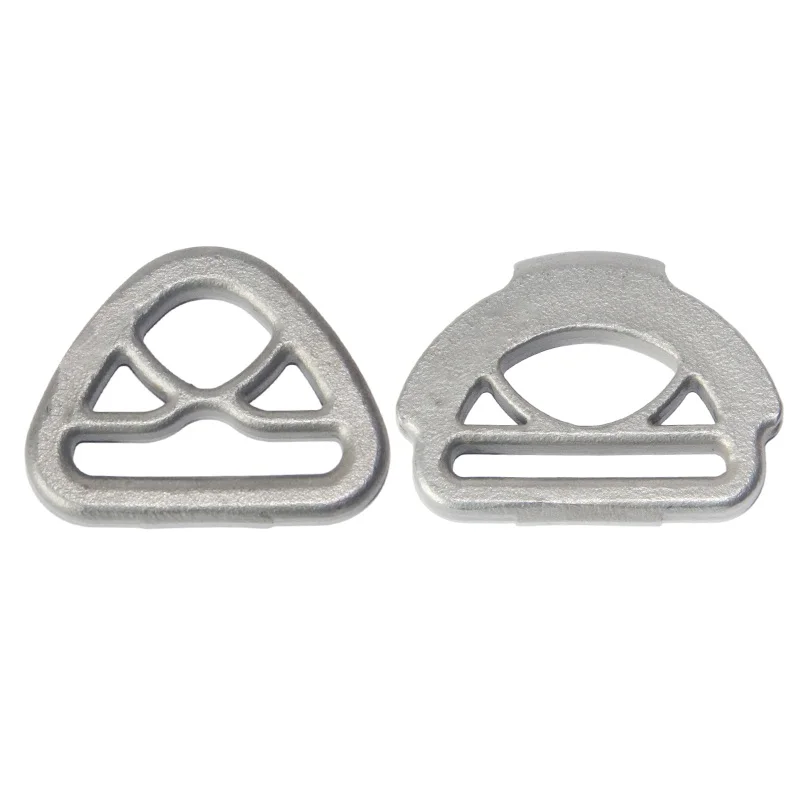
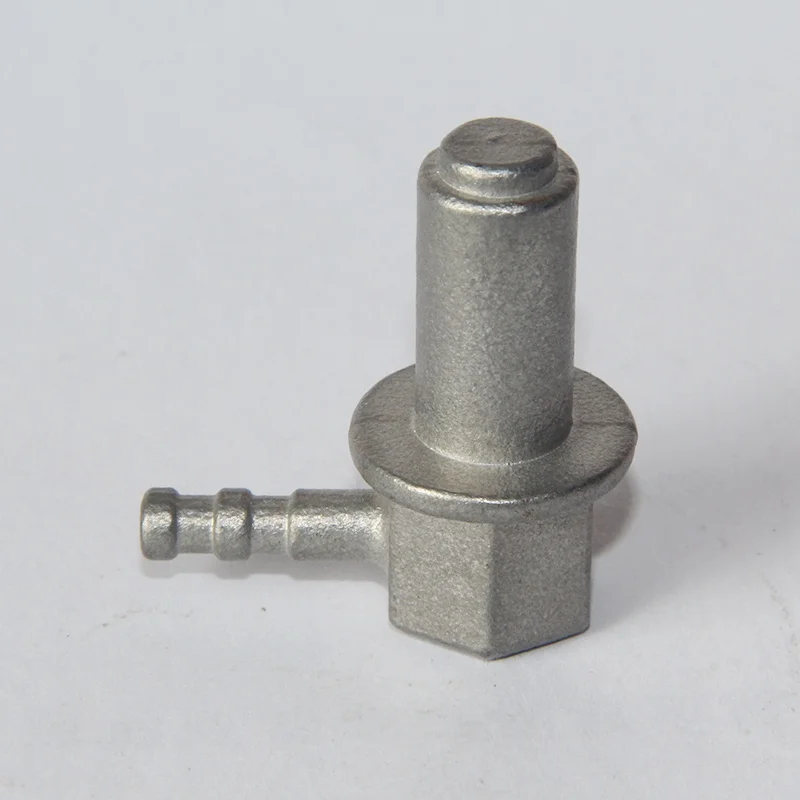
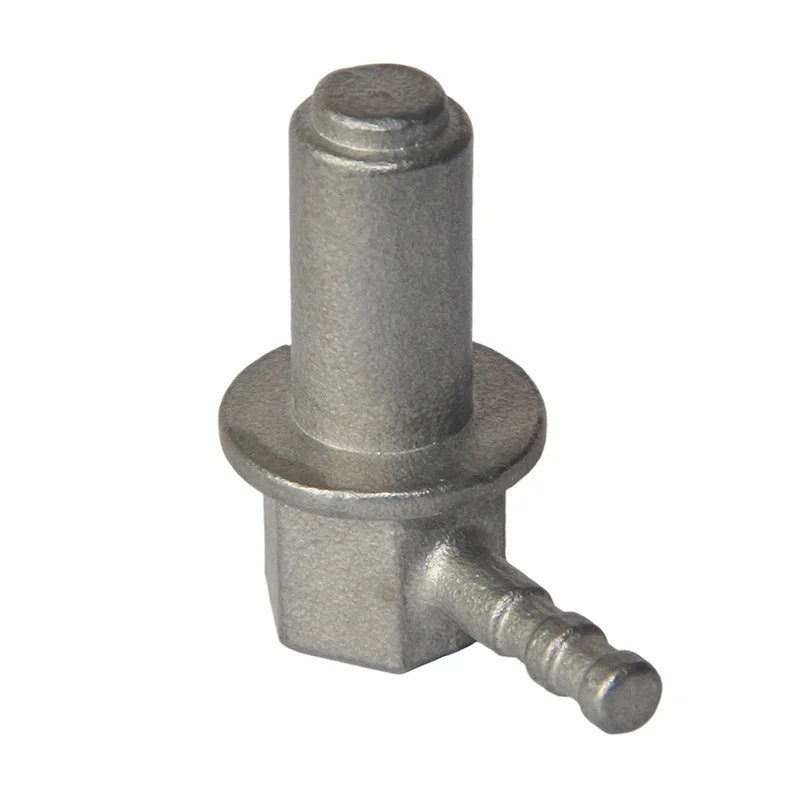
Custom Precision 304/316/2205 Stainless Lost-Wax Castings | Carbon/Alloy-Steel Automotive Enquiries
Let’s define your requirement
Send a product link, drawing or short brief. We’ll work through the details with you.
- Confirm the specificationGrade or model, size and intended use.
- Define your orderQuantity, finish or configuration, and samples.
- Agree the quotation scopeIncluded work, key checks and delivery needs.
-
Surface FinishShot Blasted , PolishedAlloy Grade316 , 304
-
SizeCustom, Customized SizeSurface TreatmentPickling, shot blasting, polishing, powder coating
-
Materials304/316/2205MaterialStainless Steel(304/316/2205)
-
Surface treatmentPickling, Shot Blasting, Polishing, Powder CoatingApplicationRust Prevention, Corrosion Resistance, Casting Parts
-
Product nameStainless Steel CastingsQuality ControlProfessional Inspection
-
ServiceOEM ODM CustomisedShapeCustomized Shape
-
StandardInternational Certification StandardsCasting ProcessLost-Wax Stainless Steel Casting
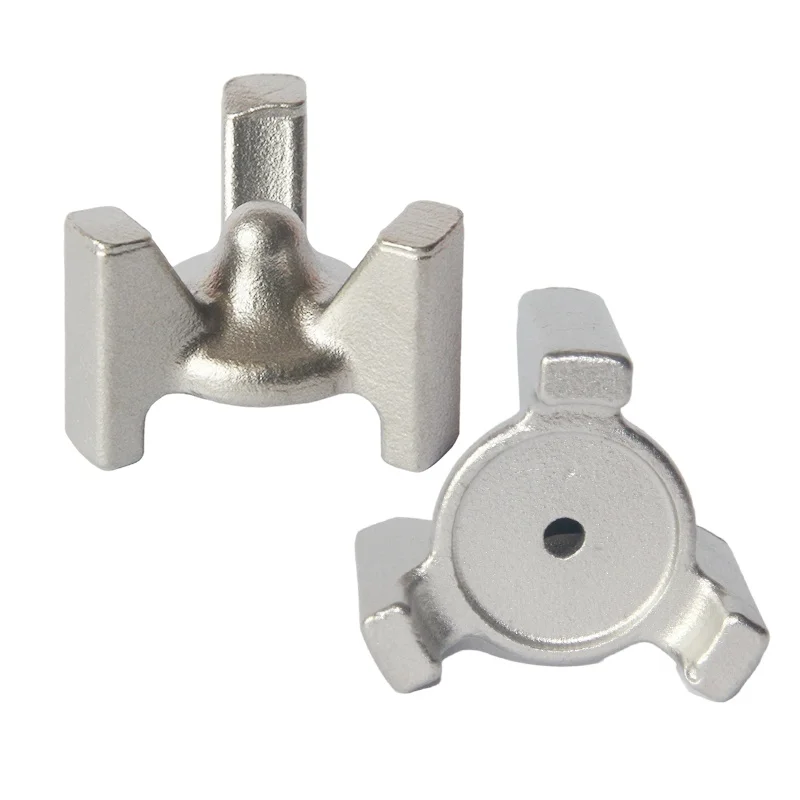
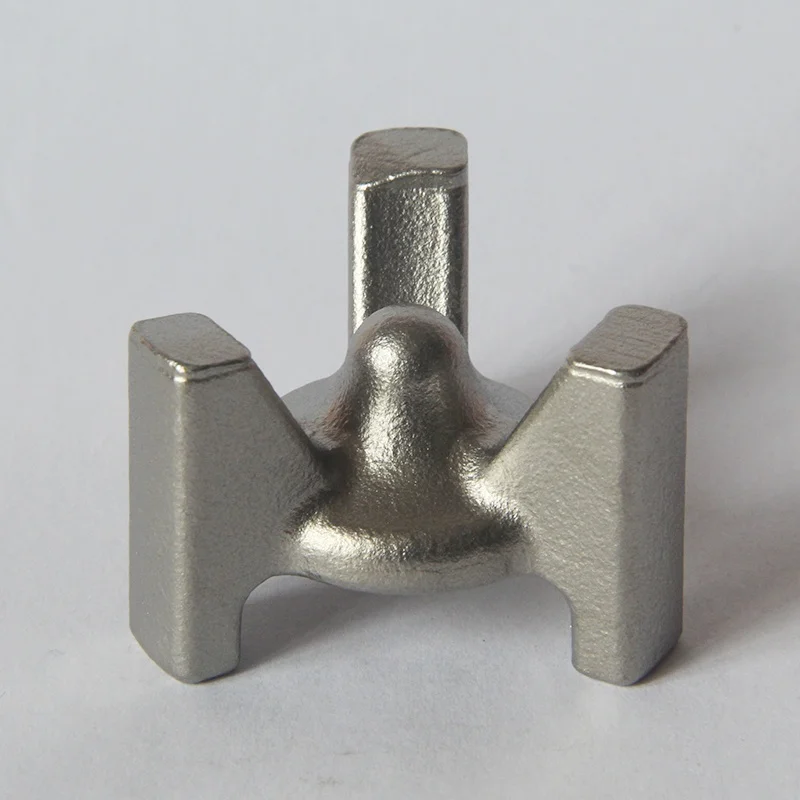
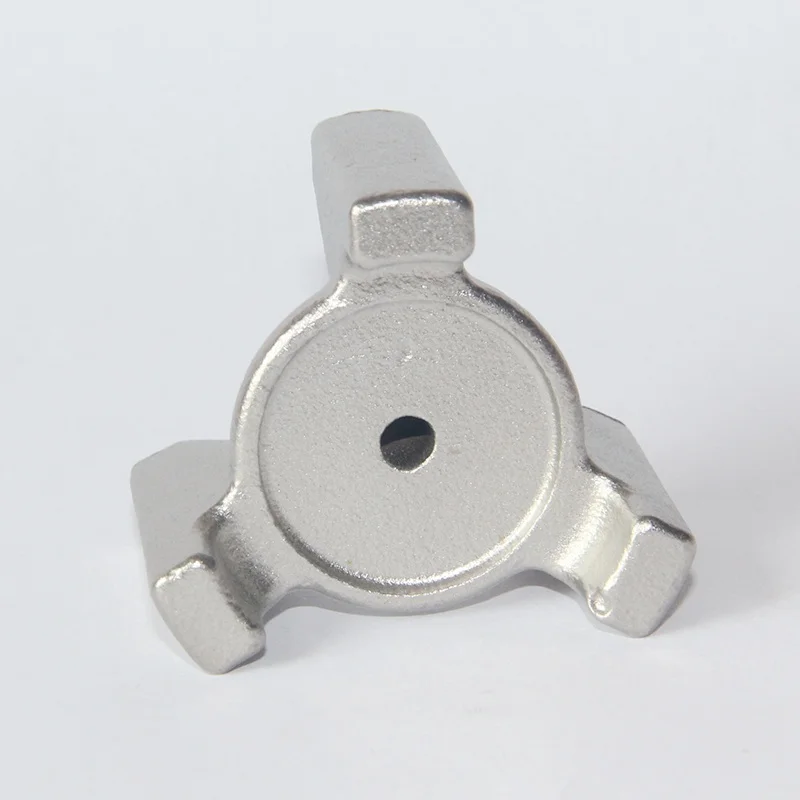
Custom 304, 316 and 2205 stainless-steel castings use the lost-wax process, with OEM/ODM service and professional inspection. Rust-prevention and corrosion-resistance requirements can be reviewed alongside the selected surface treatment. Define the stainless component and its actual environment, with a separate exact-material review for carbon-steel or alloy-steel automotive enquiries.
Select the grade for the exposure
Choose the actual 304, 316 or 2205 specification and describe the conditions the casting must meet in service. Connect the required rust and corrosion performance to the component's geometry and accepted surface condition. This gives the grade decision a practical basis in the actual part and exposure being reviewed.
Choose among four surface processes
Pickling, shot blasting, polishing and powder coating are available surface choices. Select the process compatible with the chosen material and intended result, then define the areas to be treated. Agree the final appearance and relevant dimensional acceptance alongside the corrosion or rust-prevention requirement for that component.
Control the custom shape and inspection
Size and shape are customized for the part. Identify the functional interfaces and critical dimensions, then agree professional inspection methods and acceptance criteria for those characteristics. Confirm the applicable international material or component standard and any required certification scope, keeping the quality review specific to the selected casting.
Review automotive material alternatives independently
A carbon-steel or alloy-steel automotive component enquiry needs its own exact material specification, drawing and duty definition. Agree those inputs before choosing its manufacturing and surface requirements. Approve the actual selected material and finished result together, so that stainless grades and automotive material alternatives each have a clear component basis.