Custom OEM Stainless Investment Castings with ISO2768-MK Drawing Scope and 100% Inspection
Let’s define your requirement
Send a product link, drawing or short brief. We’ll work through the details with you.
- Confirm the specificationGrade or model, size and intended use.
- Define your orderQuantity, finish or configuration, and samples.
- Agree the quotation scopeIncluded work, key checks and delivery needs.
-
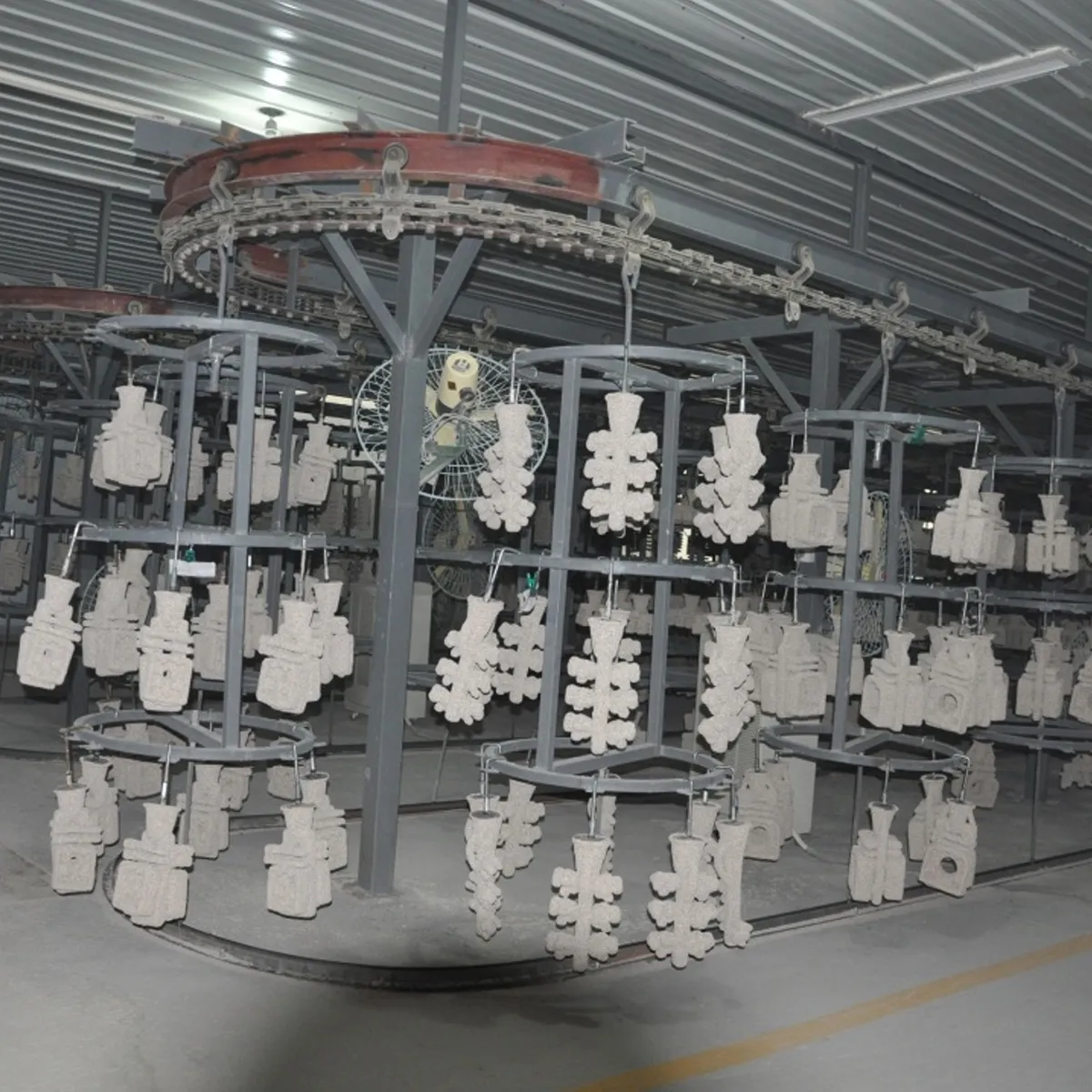
ProcessInvestment Cast Process
-
ServiceCasting +Machining(if Need)+surface TreatmentMaterialSteel
-
SizeCustomer's 2D/3D DrawingMOQSmall Orders Accepted
-
Quality Control100% InspectionLead Time45 Days
-
Casting ToleranceISO 2768 - MK
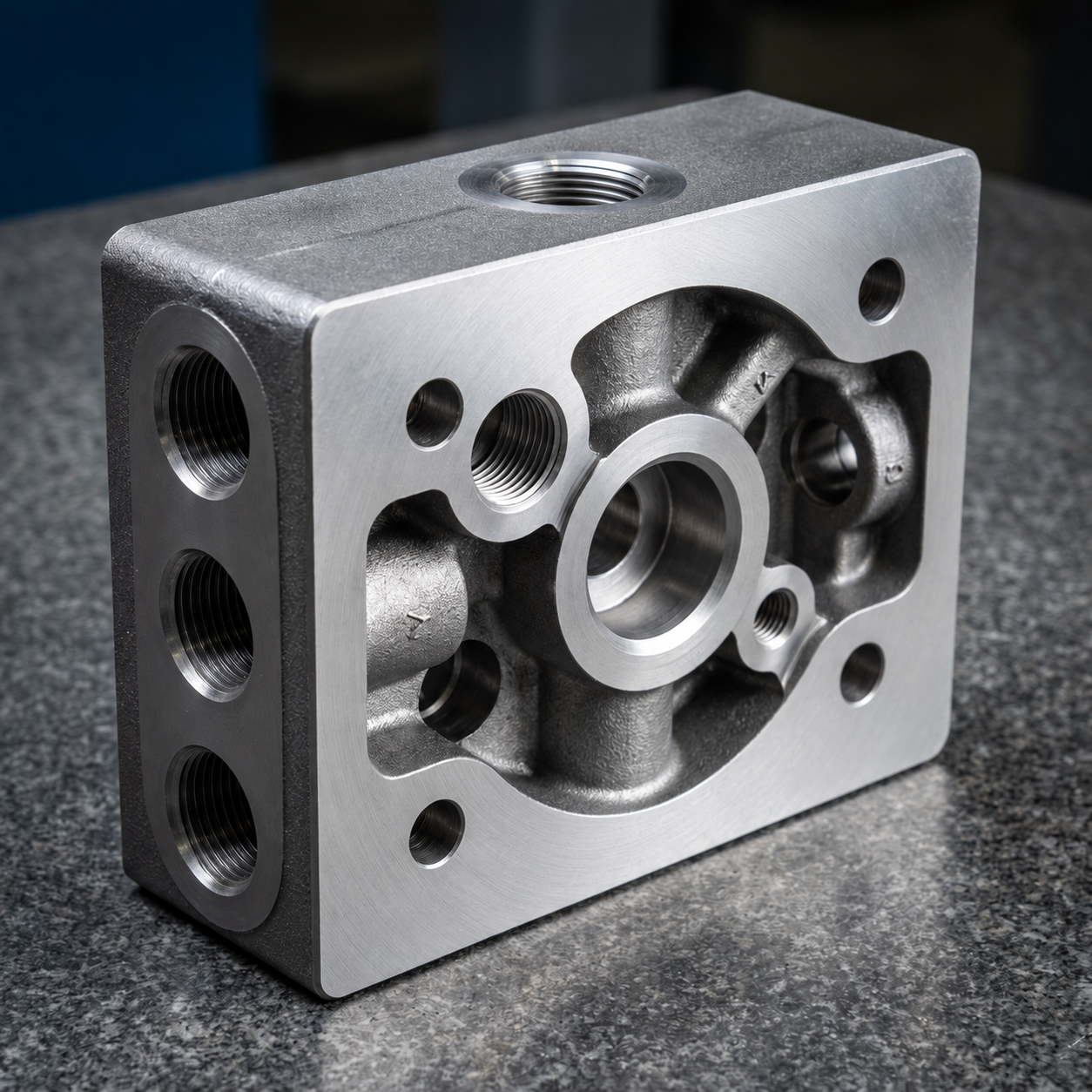
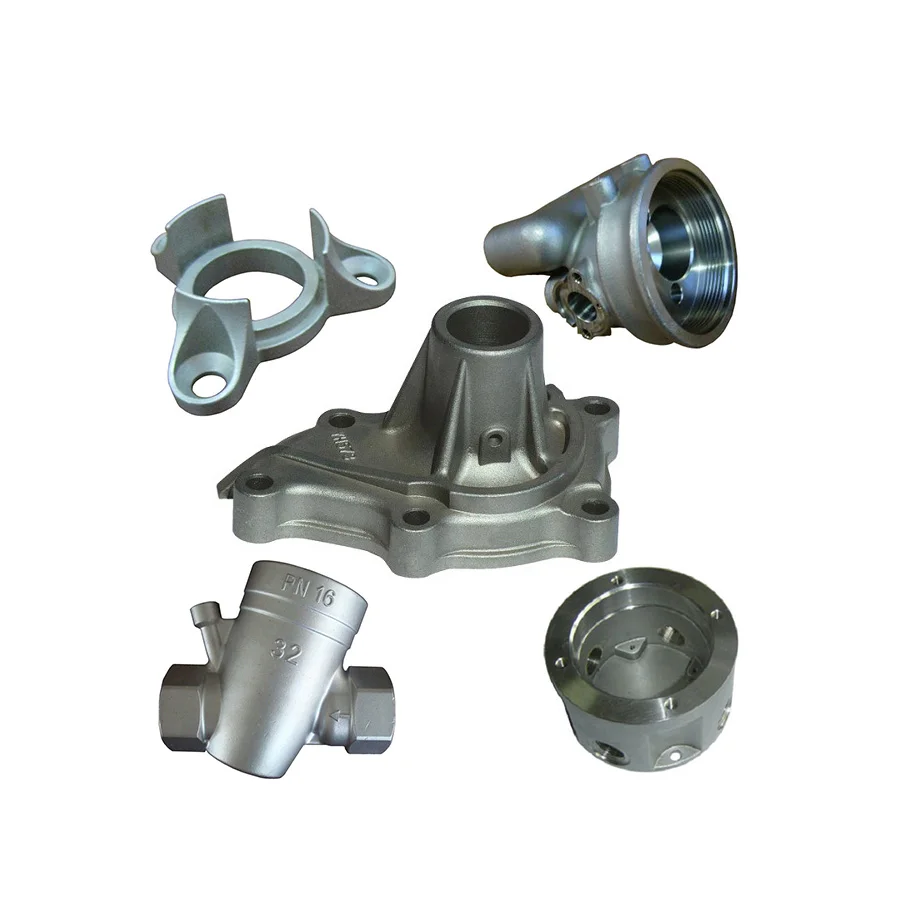
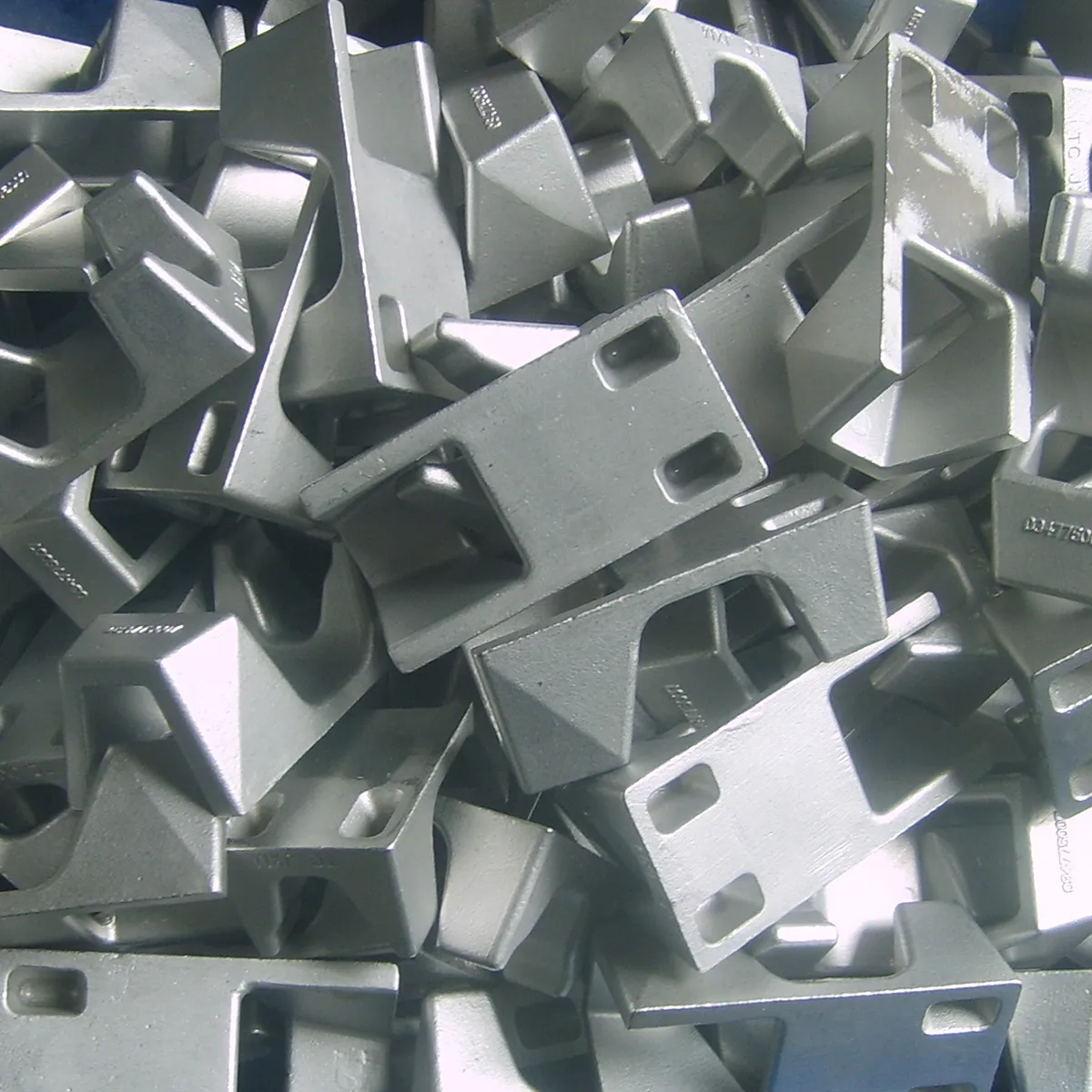
Custom OEM investment-casting work includes stainless-steel/steel components, with machining if needed and selected surface treatment. Size follows customer 2D/3D drawings, while the ISO2768-MK casting-tolerance reference needs actual controlled dimensions and acceptance scope assigned to the part.
2D/3D geometry and the ISO2768-MK reference
Select the supplied steel specification and identify the component geometry on the accepted drawing. Confirm the applicable ISO2768-MK document and edition, then define the relevant feature limits and measurement basis. Allocate cast and machined dimensions so the reference applies to the actual required work. Agree whether the relevant limits are assessed before or after the selected machining and surface-treatment stages.
Optional machining and the selected surface
Machining and surface treatment are work directions to select for the component's interfaces and duty. Define which areas receive the required work and the final dimensional, surface and functional condition. This keeps the casting request connected with its accepted geometry rather than an assumed grade or finishing method.
Inspection scope for small-order OEM work
Small orders are accepted as a service direction, with actual quantity and work scope to agree. Define the material, controlled dimensions and finished-condition characteristics included in 100% inspection, together with the methods and records. Relate those criteria to the actual component duty and selected surface. Agree OEM manufacturing and inspection responsibilities against the accepted material, 2D/3D drawing, casting/machining allocation and final-condition requirements.