
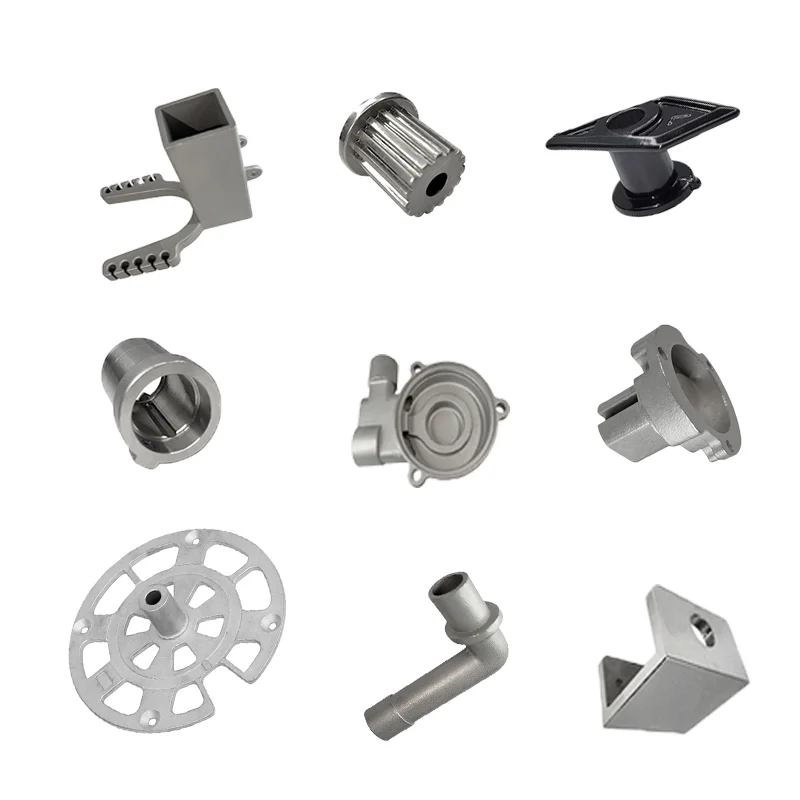
Custom OEM/ODM Stainless Steel Electric Engine and Mechanical Parts, Precision Lost Wax Casting and CNC Machining
Let’s define your requirement
Send a product link, drawing or short brief. We’ll work through the details with you.
- Confirm the specificationGrade or model, size and intended use.
- Define your orderQuantity, finish or configuration, and samples.
- Agree the quotation scopeIncluded work, key checks and delivery needs.
-
NameCasting Services Electric Engine Metal Lost Wax Casting Parts
-
Surface treatmentNo cape burr sand holeKeywordStainless steel precision casting
-
Quality Control100% InspectionTolerance0.2mm
-
Machining ProcessLost Wax+CNC MechiningLead Time15-35 Days
-
SurfacePerfect AppearanceCertificationISO9001/TS16949/RoHS
-
ServiceOEM ODM Customized
Custom stainless steel precision casting serves electric-engine and mechanical metal-part enquiries through OEM and ODM work. Lost wax casting with CNC machining is the offered process direction. Specify the actual component and stainless grade, then connect its working geometry to the required dimensional and surface acceptance.
Mechanical part and interface requirements
Provide the component drawing and identify its interfaces, mating details and intended working conditions. The electric-engine direction describes the component enquiry rather than a complete electrical specification. Agree the actual material and the mechanical result required for the part. This establishes the geometry and service requirements that the casting and machining work must address.
Lost wax form and CNC working details
The tolerance reference is 0.2mm. Define the applicable dimensions and manufacturing stage instead of assigning that value to every feature. Mark the faces, holes or other details requiring CNC machining after the lost wax form is made. Agree those operations and their dimensional acceptance for the selected mechanical component.
Surface appearance and inspection agreement
The stated surface condition is a clean appearance without burrs or sand holes. Define the visual criteria for the actual part together with its 100% inspection reference. ISO9001, TS16949 and RoHS are certification or compliance references; confirm the documents and scope relevant to the component. The material, drawing, interfaces and dimensional and surface criteria should together define the accepted OEM or ODM result.








