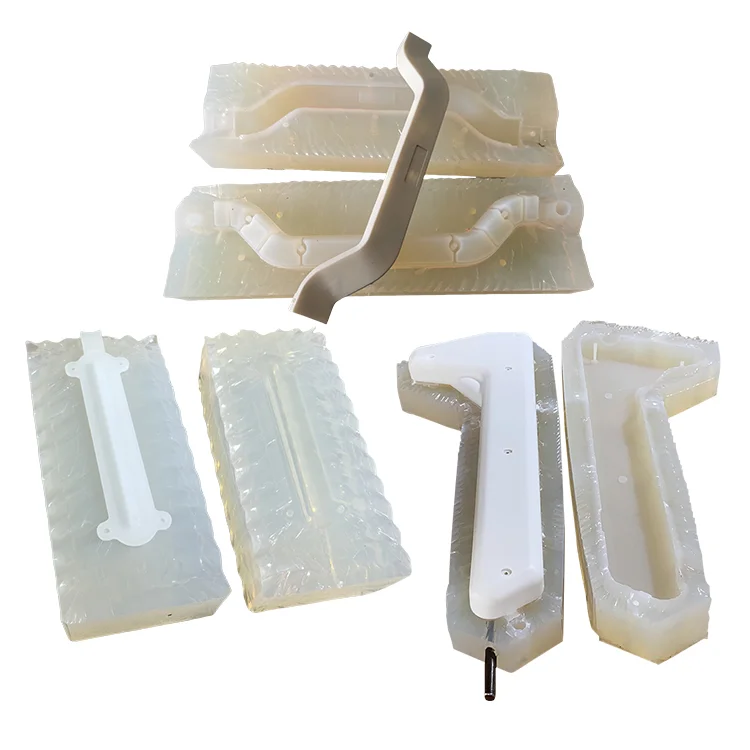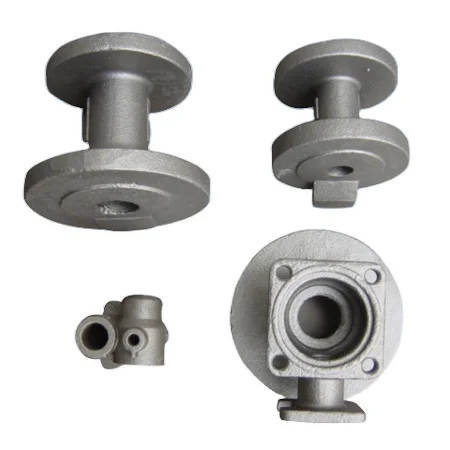
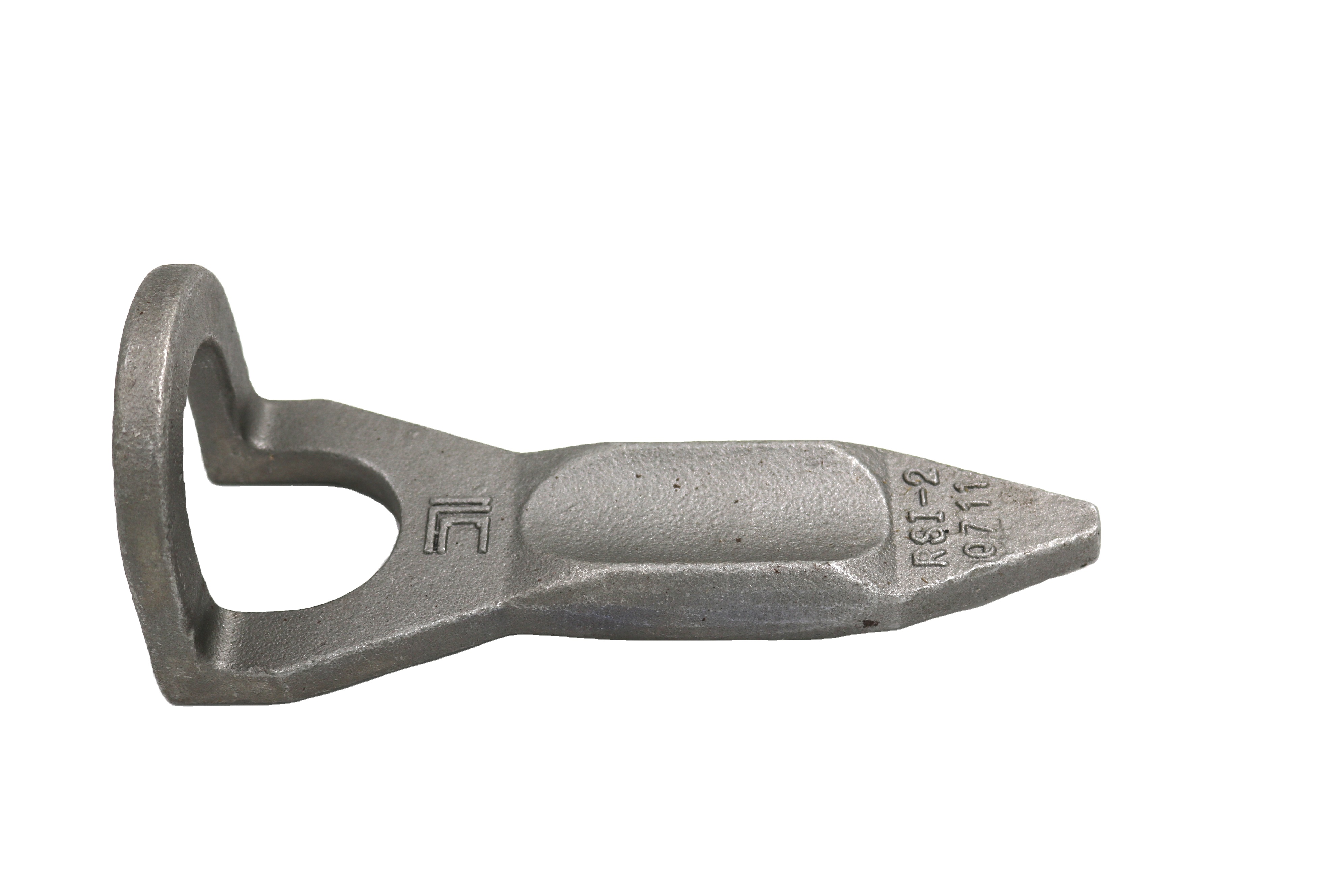
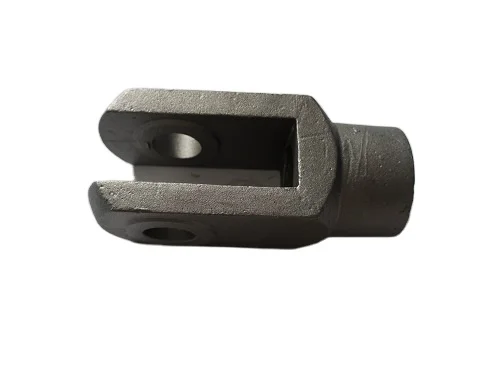
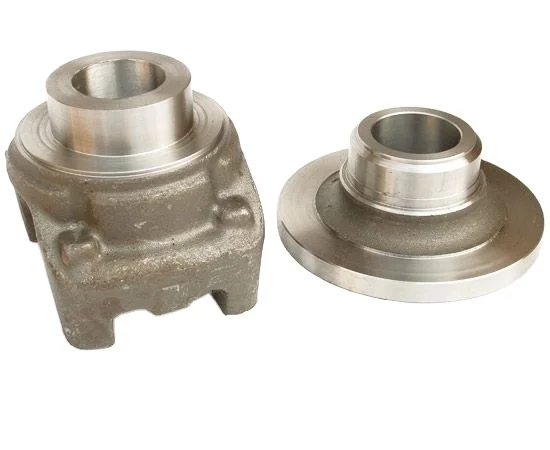
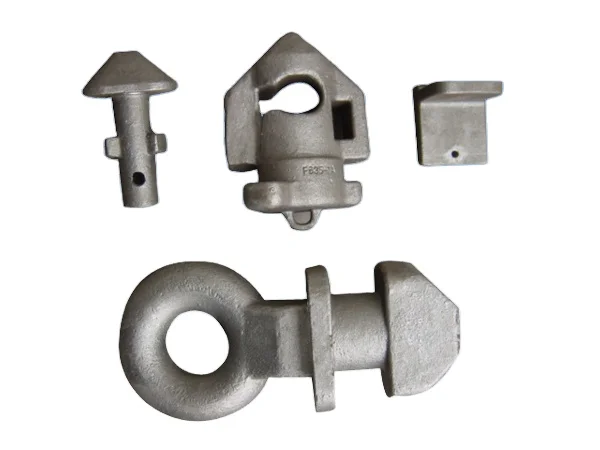
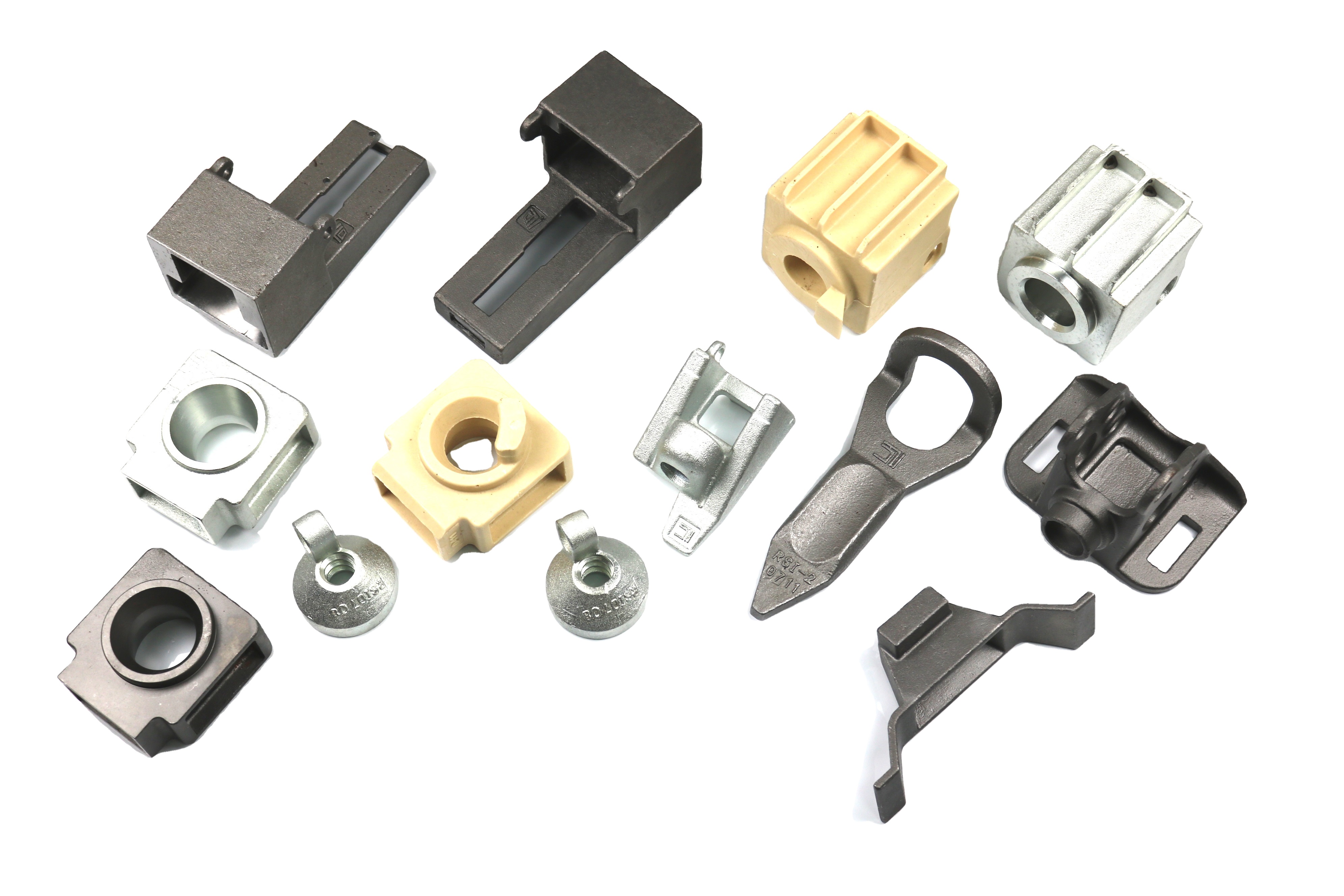
Custom OEM/ODM Metal Investment Castings with Optional Machining and Five Finish Directions
Let’s define your requirement
Send a product link, drawing or short brief. We’ll work through the details with you.
- Confirm the specificationGrade or model, size and intended use.
- Define your orderQuantity, finish or configuration, and samples.
- Agree the quotation scopeIncluded work, key checks and delivery needs.
-
Surface FinishPowder Coated , Polished
-
Product nameCustom Casting Parts
-
StandardGB ASTM AISI DIN BSMaterialMetal
-
CertificationISO9001:2008/TS 16949ToleranceCustomer's Drawing Request
-
ProcessCasting +Machining(if Need)+surface TreatmentSurface treatmentBlasting, Polishing, Powder Coating, Zinc Plating, Chrome plating
-
ServiceOEM ODM
Custom OEM/ODM metal investment-casting work combines drawing-based tolerance, machining if needed and selected surface treatment. Blasting, polishing, powder coating, zinc plating and chrome plating are finish directions for matching the final condition to the actual supplied metal and component.
Metal selection before optional machining
The supplied metal specification and component drawing establish the starting requirements for this custom work. Allocate investment casting and any needed machining to the geometry and controlled dimensions. The customer-drawing tolerance basis allows the accepted limits to follow the actual part rather than an assumed numerical precision or unspecified alloy grade.
Five finishing directions for the component
Blasting and polishing are distinct choices alongside powder coating, zinc plating and chrome plating. Select the actual method, treated areas and final surface condition in relation to the chosen metal and interfaces. For blasting in particular, define the required method instead of assuming a particular medium from the general process name.
GB, ASTM, AISI, DIN and BS requirements
These engineering reference families need the applicable document, grade and edition identified for the drawing and supplied material. ISO9001:2008 and TS16949 are separate quality-system references whose exact documents, responsible organization/site and current scope should be established where required. Connect the selected finish and controlled dimensions with actual component duty, inspection criteria and records. Quantity and OEM/ODM responsibility can then be agreed around the same material, drawing and finished-condition acceptance.