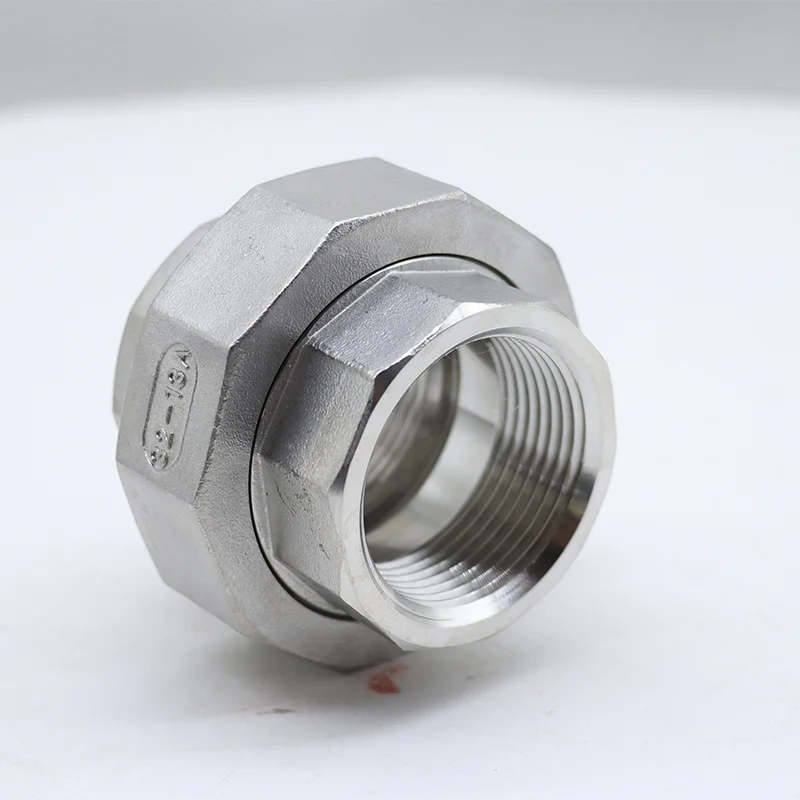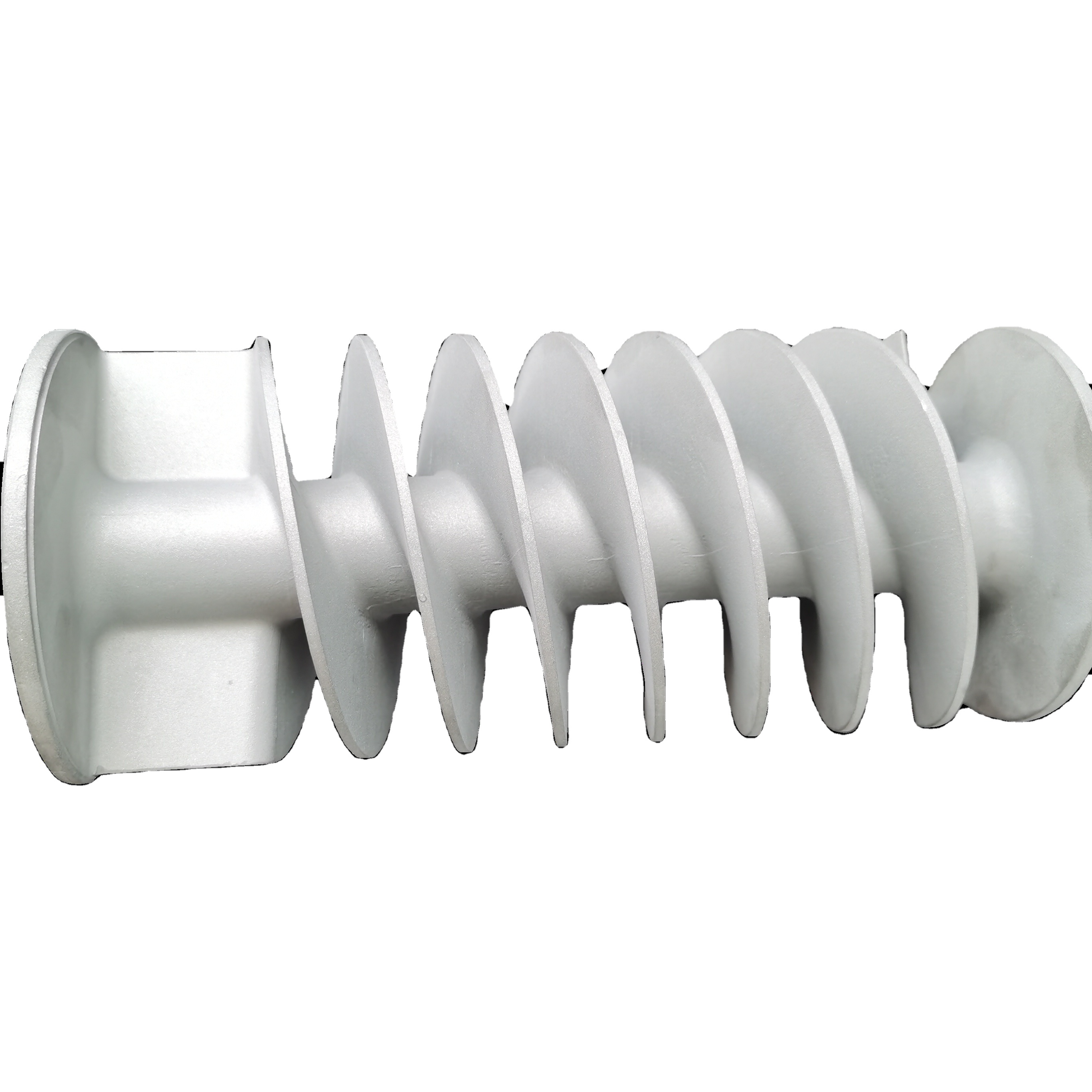
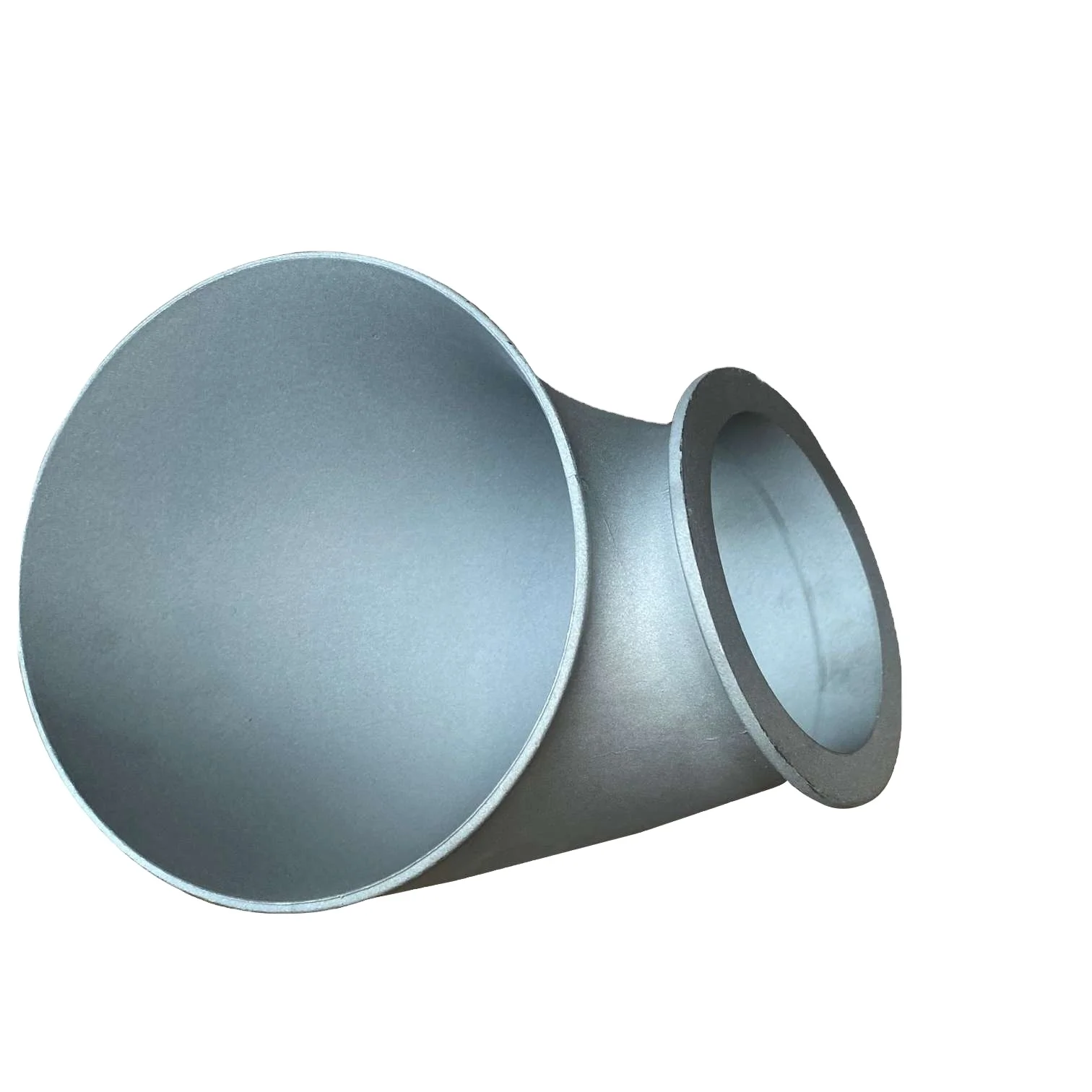
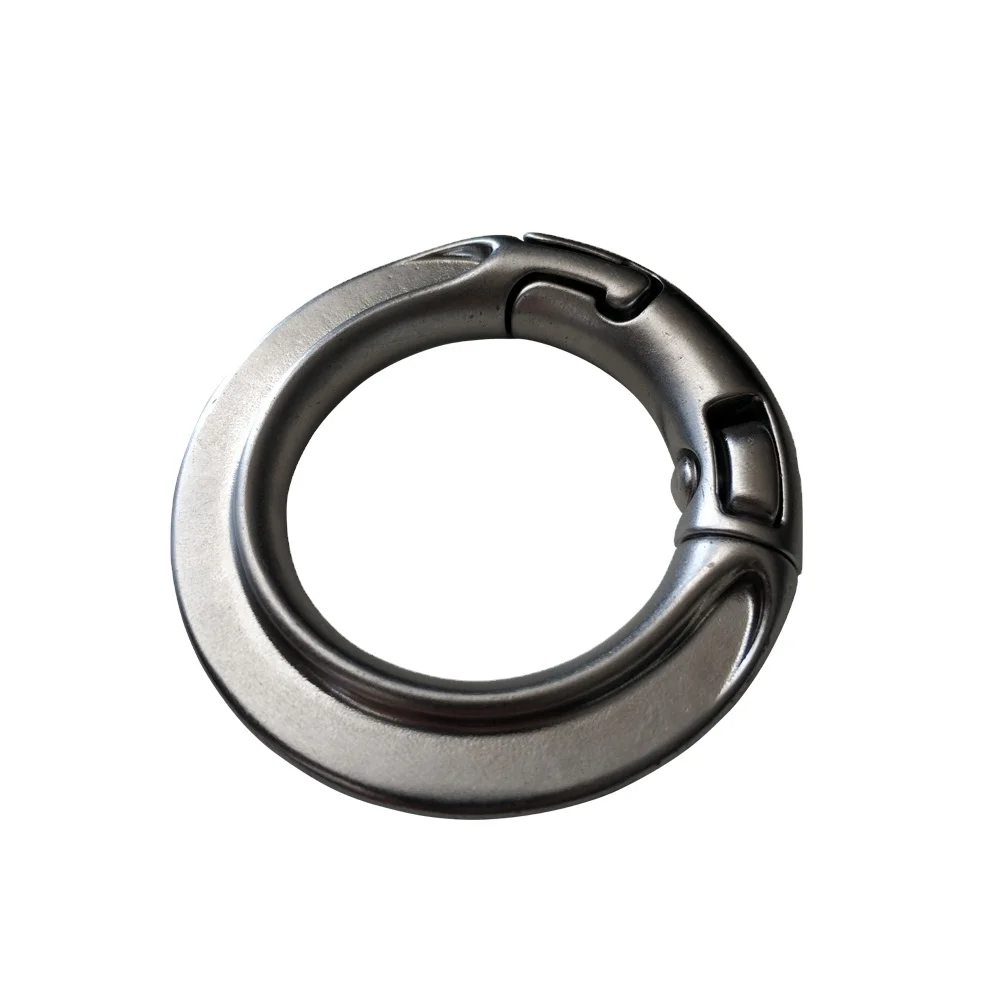
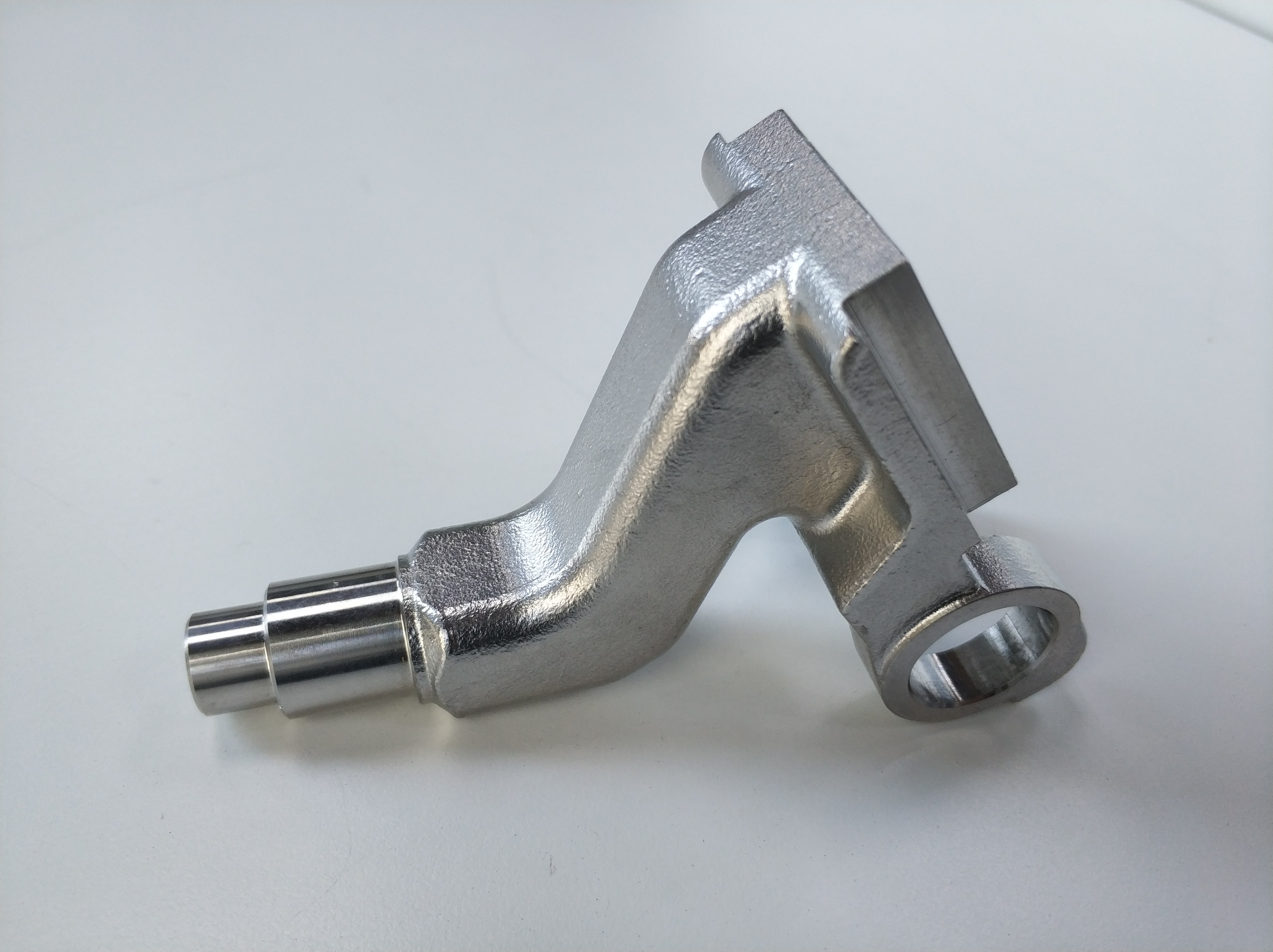
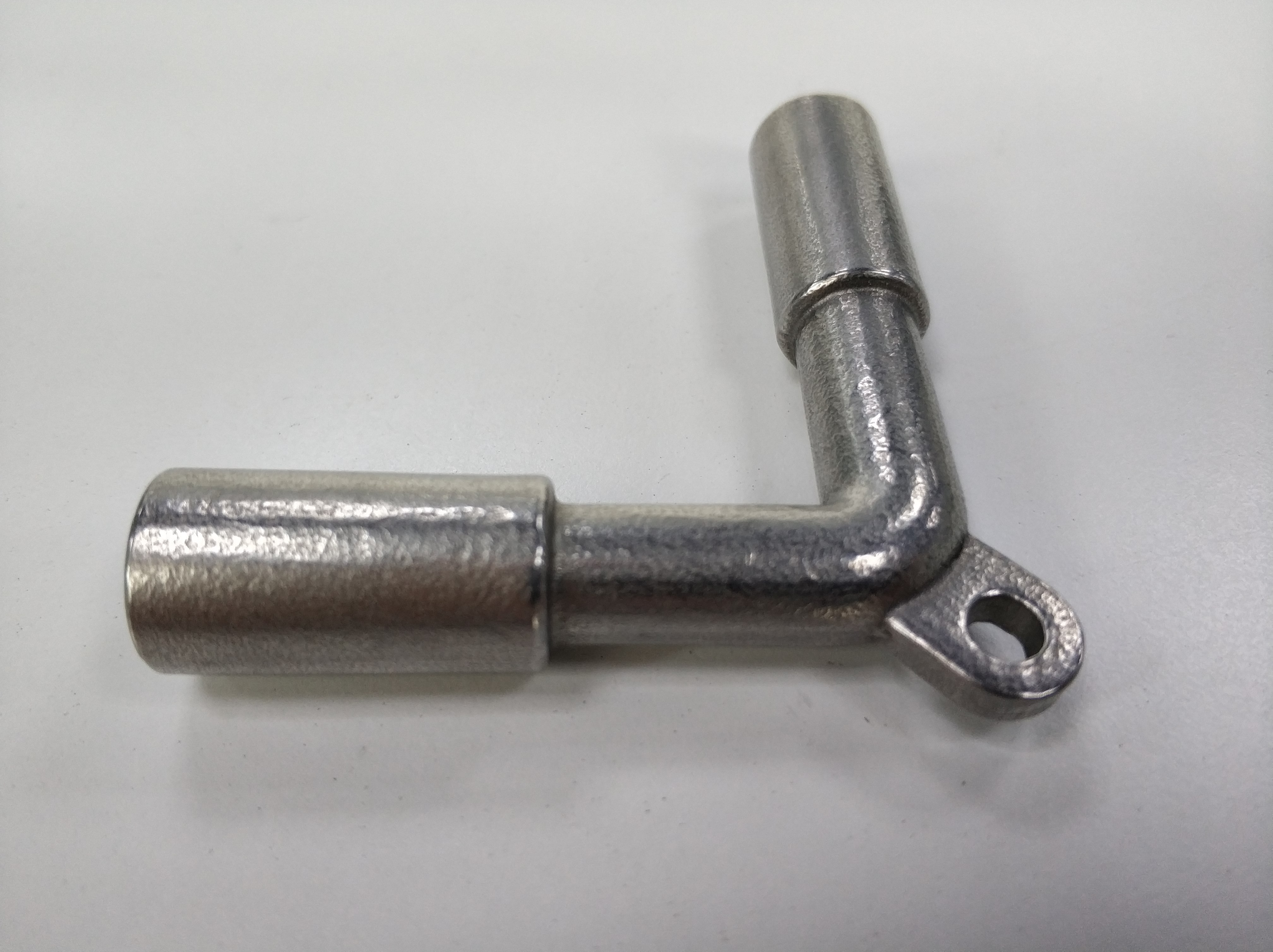
Custom OEM/ODM 316 Stainless Steel Lost-Wax Investment Castings with Polishing
Let’s define your requirement
Send a product link, drawing or short brief. We’ll work through the details with you.
- Confirm the specificationGrade or model, size and intended use.
- Define your orderQuantity, finish or configuration, and samples.
- Agree the quotation scopeIncluded work, key checks and delivery needs.
-
Surface FinishPolished
-
Technologyoem casting
-
Applicationmachinery, auto body partsCertificationISO9001:2008
-
Tolerance+/-0.02 mmRoughnessRa 6.3
-
Delivery time45-50 daysPackingwooden pallet
-
CTCT 4-7Surface treatmentPolishing
-
ServiceOEM\ODM
Custom 316 stainless-steel parts are offered through lost-wax investment casting and OEM/ODM work. Machinery and auto-body components are application directions, with polishing and component-specific dimensional and surface requirements forming part of the casting discussion.
Define the 316 component for its assembly
Identify the part geometry, material definition and interfaces needed for the intended machinery or auto-body application. Keep the finished dimensions with that component definition. This gives the custom casting request a clear relationship to the assembly in which the part will be accepted.
Allocate the dimensional tolerance and CT direction
The dimensional tolerance direction is ±0.02 mm and the casting direction is CT4–CT7. Agree the actual features, applicable document and acceptance scope for each requirement. Assigning these directions to the component geometry keeps dimensional review focused on the characteristics required for the ordered part.
Connect Ra 6.3 with the polishing request
The roughness direction is Ra 6.3, with its units, relevant surfaces and verification method to be agreed. Identify which areas require polishing and what finished condition they must meet. Include the relationship between polished surfaces and mating dimensions so the surface request stays connected to the component's fit.
Agree OEM/ODM acceptance for the actual use
Bring the selected 316 material, geometry, dimensional allocation and polished-surface requirements into the order definition. Identify the inspection and application acceptance needed for the machinery or auto-body part. This provides a specific basis for discussing the custom casting work and reviewing the finished component against the project requirements.