Custom OEM Aluminum and Carbon Steel Precision Lost Wax Investment Casting with CNC Machining
Let’s define your requirement
Send a product link, drawing or short brief. We’ll work through the details with you.
- Confirm the specificationGrade or model, size and intended use.
- Define your orderQuantity, finish or configuration, and samples.
- Agree the quotation scopeIncluded work, key checks and delivery needs.
-
Surface FinishSandblasted , PolishedAlloy Grade316 , 304
-
Material304, 316, 310, 1.4301 carbon steel etc
-
Processlost wax casting, investment castingNameOEM Investment Casting
-
CertificationISO9001:2015Casting ToleranceCT4-CT6
-
Surface treatmentSand Blasting, PolishingApplicationMachinery, Industrial Parts
-
Quality Control100% InspectionMachining ProcessCNC Precision Machining
-
Lead Time25-30 Days
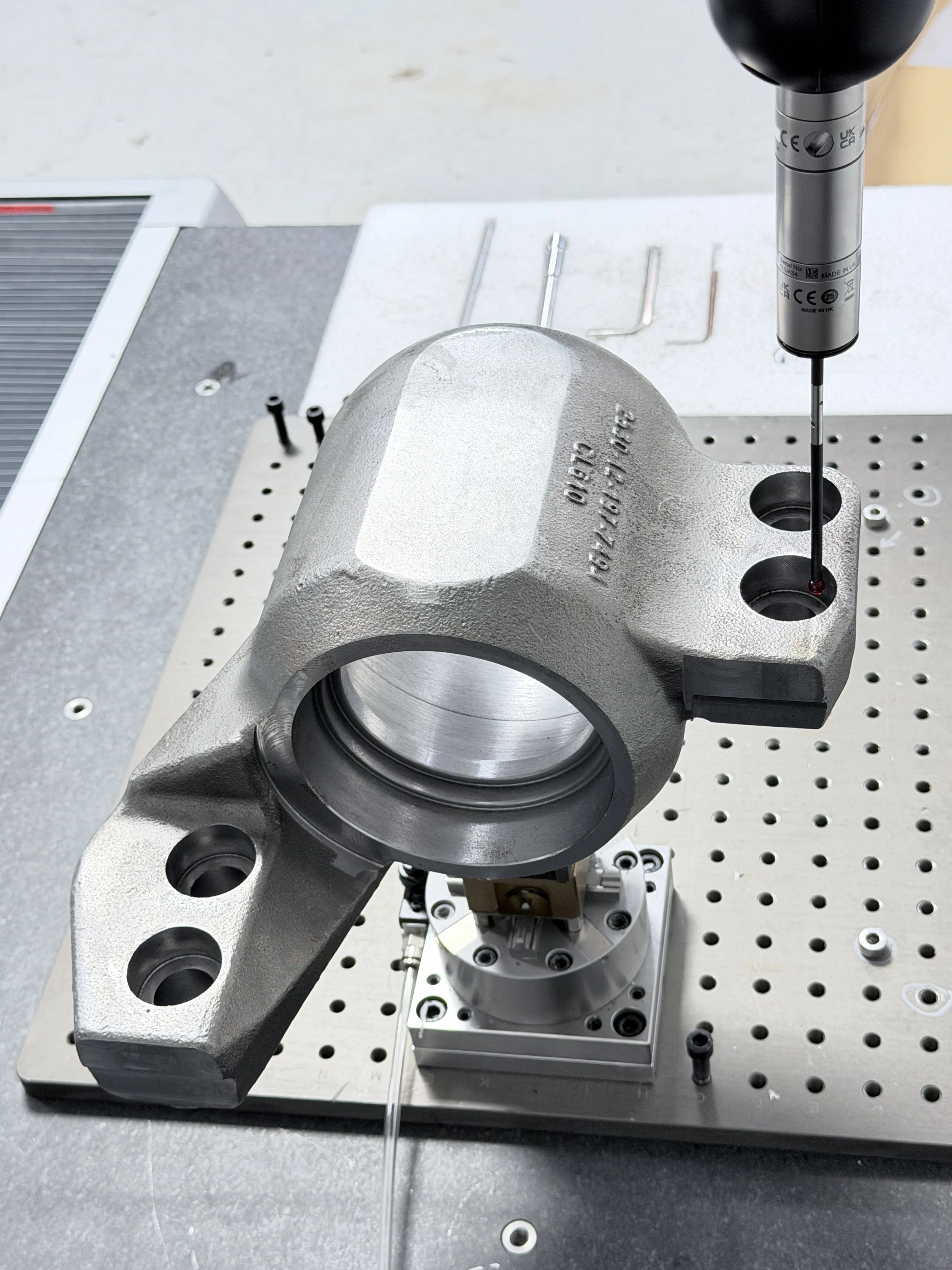
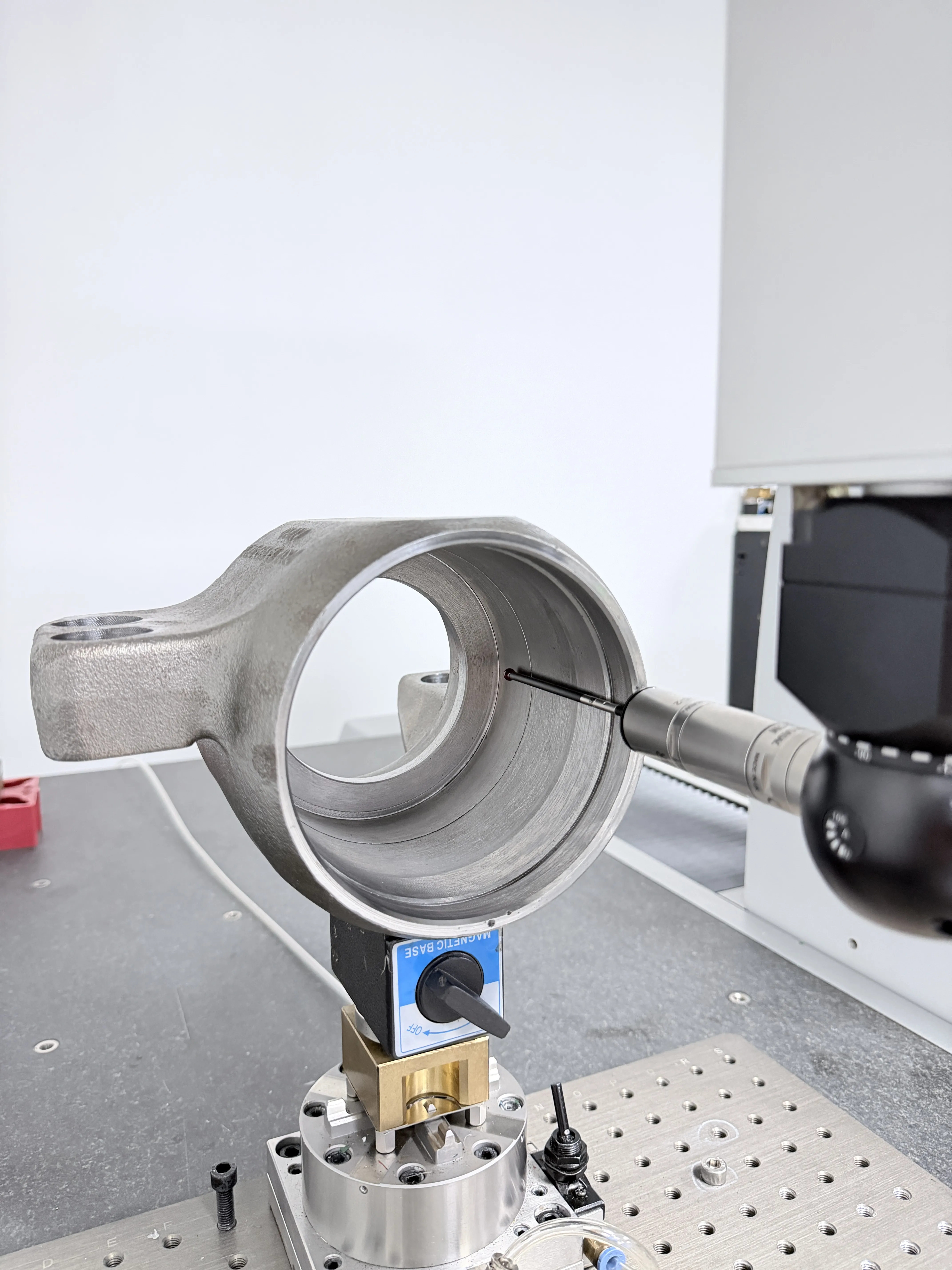
Custom aluminum and carbon-steel precision parts are available through OEM lost-wax investment casting and CNC machining for machinery and industrial use. Material enquiries also include 304, 316, 310 and 1.4301 designations, with the actual grade and governing standard selected for each component. Sand blasting and polishing provide finish choices.
Make the material choice explicit
An aluminum or carbon-steel component should have its exact grade defined with the part geometry. Other material-code enquiries need the same separate standard and acceptance definition. Keeping the material choice explicit gives the manufacturing discussion a specific component to review. It also helps connect the selected finish to the actual metal.
Apply CT4-CT6 to casting dimensions
The available casting tolerance reference is CT4-CT6. Identify the drawing dimensions governed by that class and the condition in which they will be assessed. The component definition can then distinguish the cast form from areas requiring CNC work. This makes the tolerance requirement useful within the manufacturing sequence.
Define the CNC and treated surfaces
CNC precision machining can address the areas selected for further work, with final dimensions stated for those locations. Choose sand blasting or polishing for the relevant surface condition and identify the treated faces. Consider dimensional acceptance after the required operations. The drawing should describe the finished component consistently.
Review component inspection and qualification
Inspection covers 100% of the ordered cast parts, with methods and criteria agreed for their geometry and finish. ISO9001:2015 qualification can be checked for the current object and scope relevant to the project. These requirements complete the material, casting and finishing definition for the custom machinery or industrial component.