
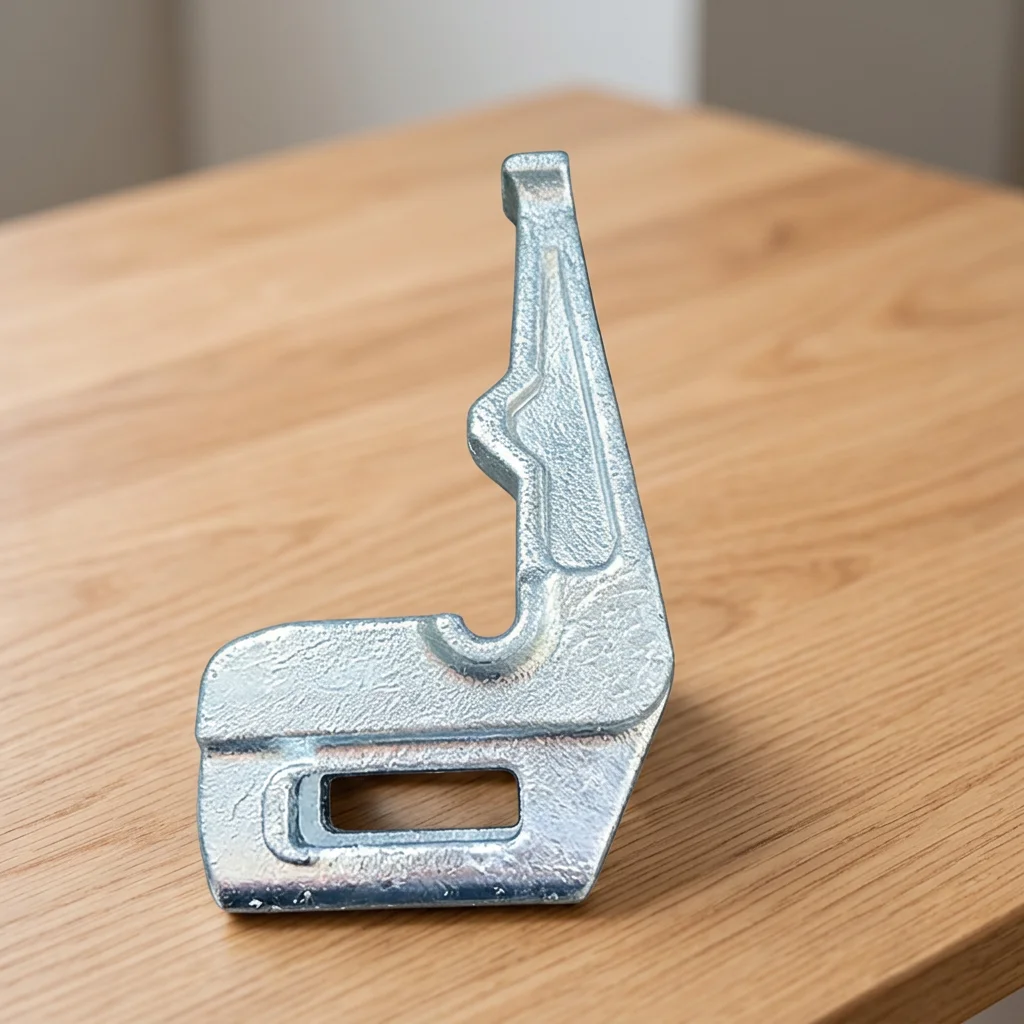
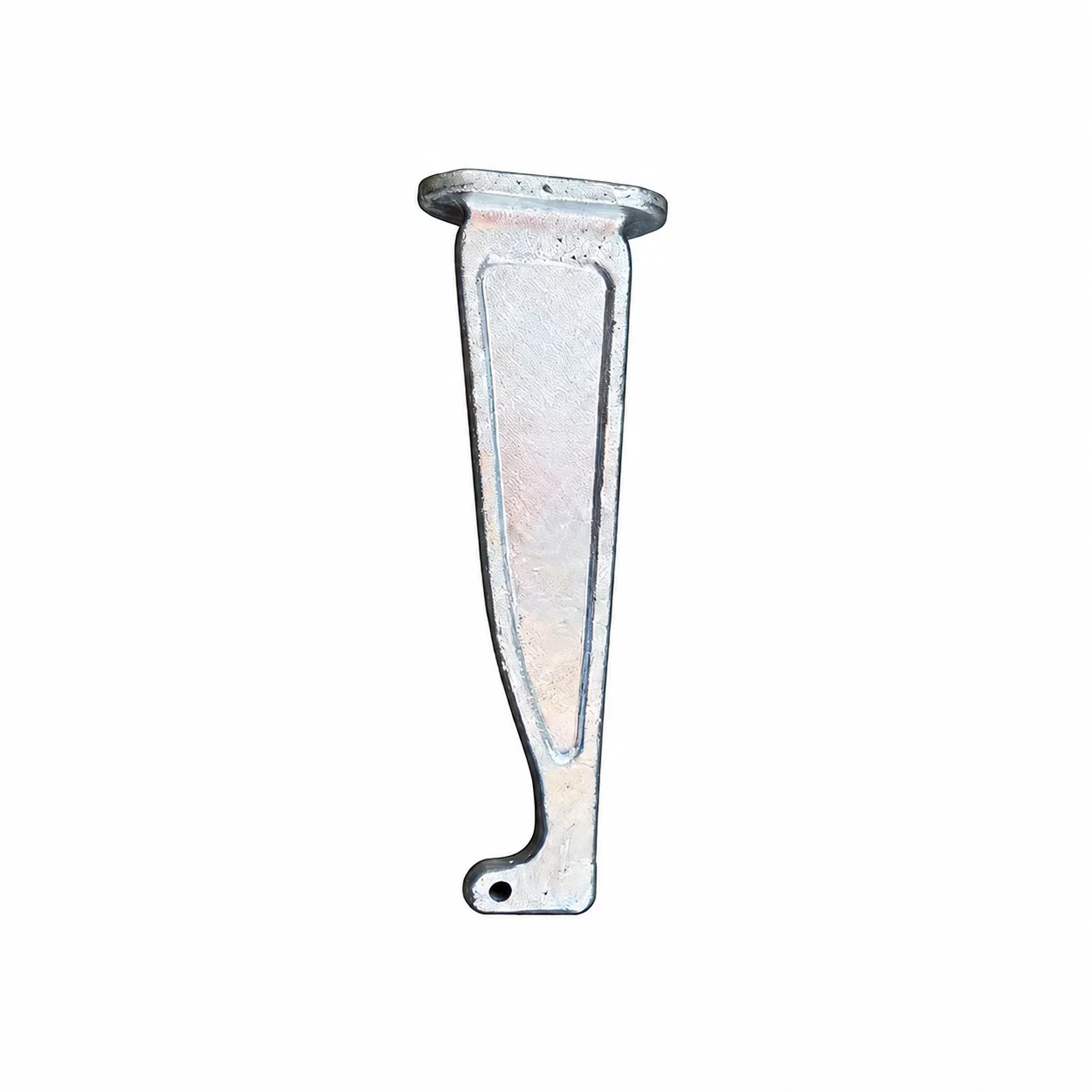
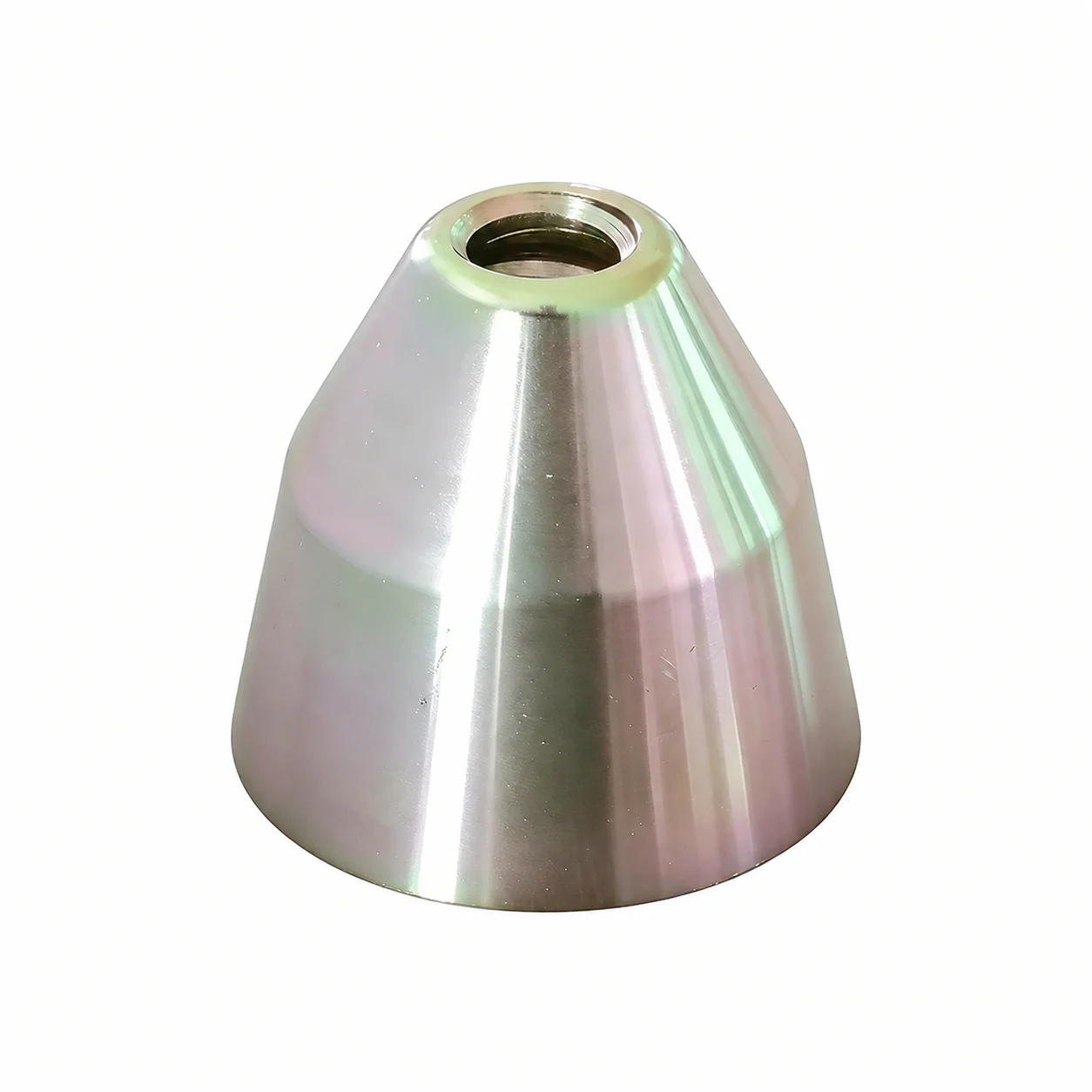
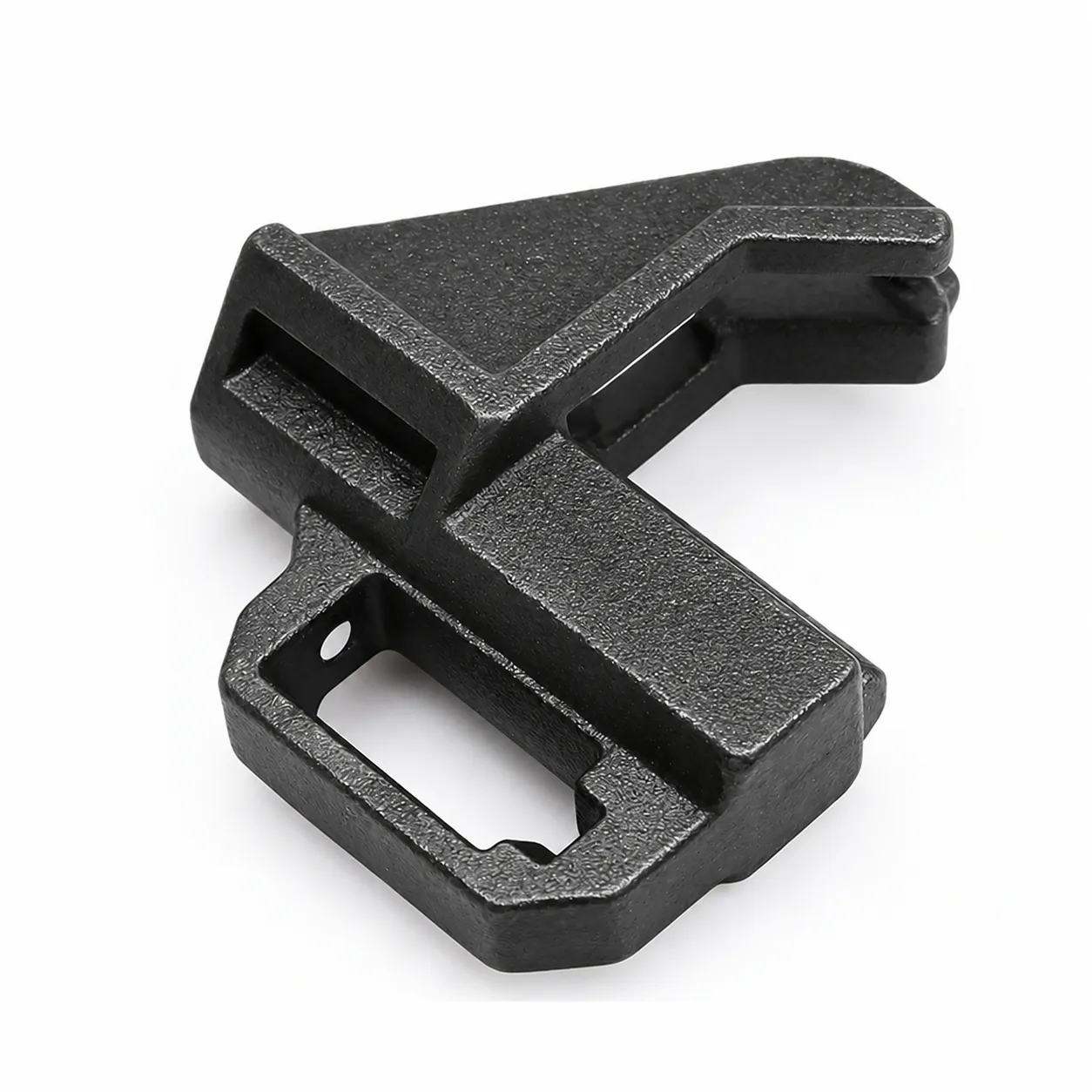
Custom Machined Thick Solid Carbon-Alloy Lost-Wax Cast Elements for Pressure-Resistant Construction Assemblies
Let’s define your requirement
Send a product link, drawing or short brief. We’ll work through the details with you.
- Confirm the specificationGrade or model, size and intended use.
- Define your orderQuantity, finish or configuration, and samples.
- Agree the quotation scopeIncluded work, key checks and delivery needs.
-
Product categoryAll can be customized
-
PackingStandard packagingMOQ100pcs
-
Surface treatmentAccording to the customer's requirementsKeywordCast parts
-
SizeCustomizationApplicationconstruction
-
Typelost wax castingOEM/ODMAccecpted
Thick solid carbon-alloy cast elements can be customized for pressure-resistant construction enquiries using lost-wax casting. The scope includes machined component requirements, custom size, OEM/ODM service and surface treatment to customer requirements. Define the individual element around its actual duty and the assembly in which it will work.
Define the solid section and material
Identify the exact carbon-alloy specification and the section geometry required by the construction design. Give the overall size and finished machined dimensions that control the component's interfaces. Keep the material choice linked to the thick solid form and actual operating conditions, so that the casting definition describes the proposed element clearly.
State the pressure and load conditions
Pressure-resistant design should be reviewed against the actual pressure and load conditions for the selected component. Agree the required functional acceptance and the applicable inspection or pressure-test procedure for that duty. Carry the selected material, sections and finished geometry into this review so that the accepted result corresponds to the part being made.
Connect machining to a stable assembly
Describe the assembly relationships and the machined details that establish the intended fit. Identify the relevant component or assembly standard and agree how stability and functional acceptance will be assessed. The custom element's dimensions and mating conditions should form one consistent definition for the finished construction assembly.
Agree the final surface and design acceptance
Surface treatment follows the customer's requirements for the component. Define the areas and final condition needed, then coordinate those requirements with the selected machining and casting plan. An OEM or ODM review can bring material, pressure duty, assembly fit and surface acceptance together before the individual cast-element design is approved.








