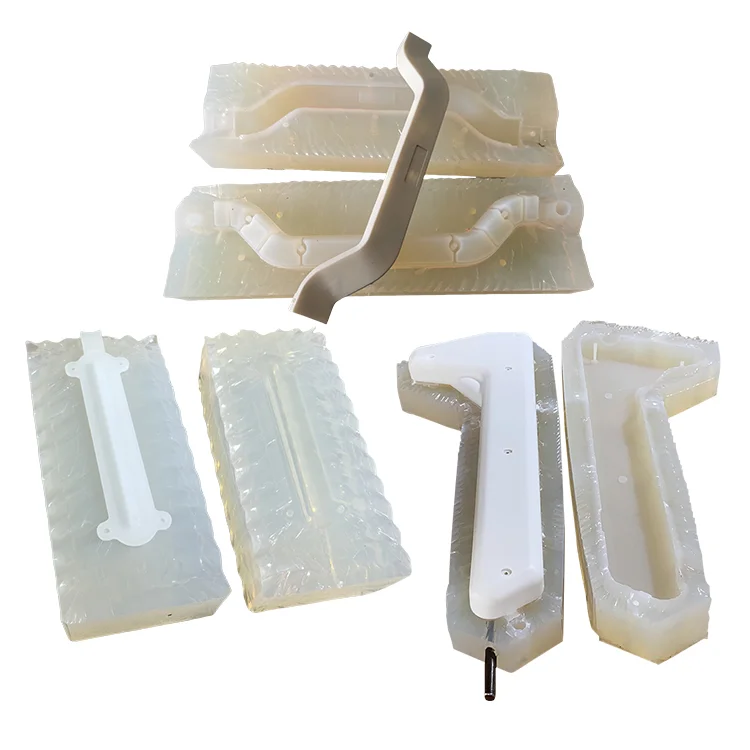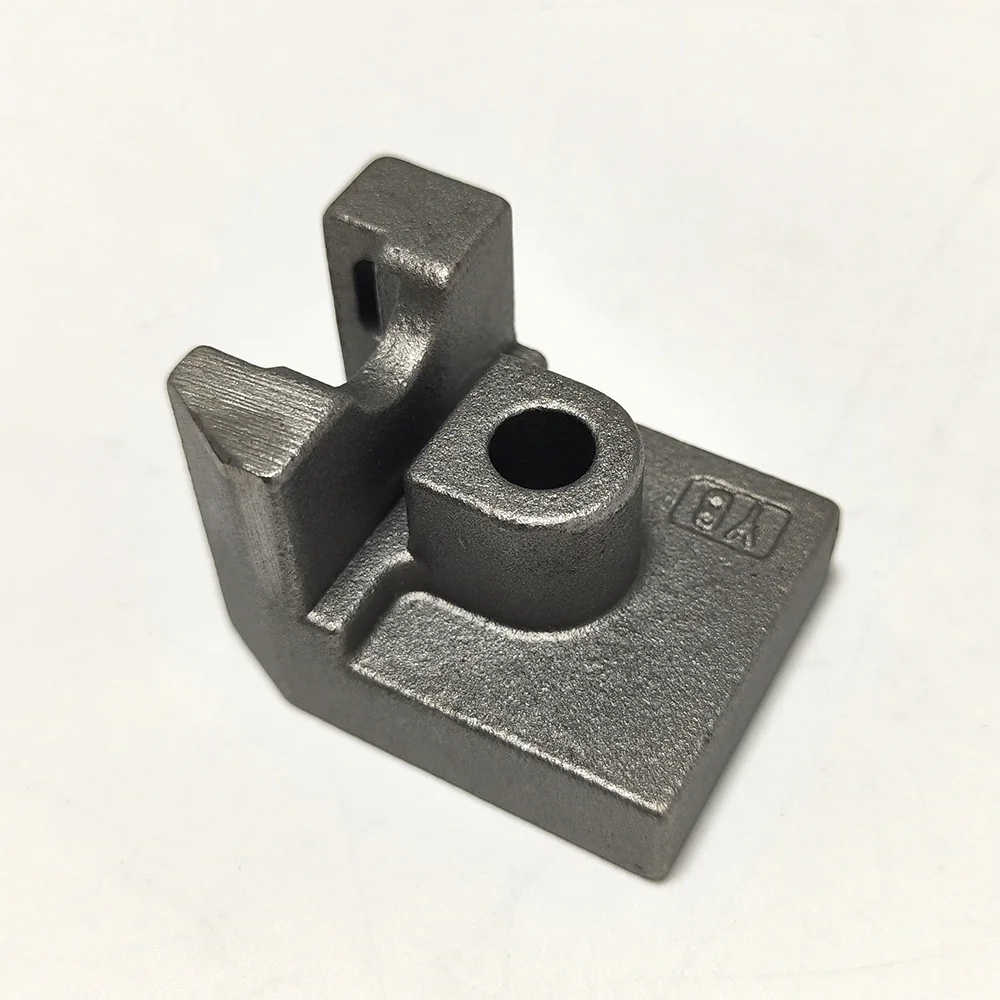
Custom Low Volume Nonferrous Aluminum Alloy and Zinc Casting, Complex Permanent Mold and Lost Wax Enquiries
Let’s define your requirement
Send a product link, drawing or short brief. We’ll work through the details with you.
- Confirm the specificationGrade or model, size and intended use.
- Define your orderQuantity, finish or configuration, and samples.
- Agree the quotation scopeIncluded work, key checks and delivery needs.
-
Surface FinishPainted , Powder Coated
-
Surface TreatmentChorme Plating Powder Coating Painting Electrophor
-
MaterialsCarbon steel/Stainless steel/Aluminum alloysProcessInvestment casting/Lost wax
-
materialCarbon steel/Stainless steel/Aluminum alloysDimensionCustomized
-
Quality Control100% InspectionApplicationIndustrial, commercial, Household, Automotive parts
-
Tolerance+/- 0.02 mmRoughnessra3.2-ra6.3
-
PackageWooden palletExport experienceMore than 10 years
-
MOQ100 Pieces
Custom nonferrous casting enquiries cover aluminum alloy and zinc parts, including low volume work and complex geometry. Permanent mold casting is a requested direction alongside investment and lost wax casting services. Agree the actual material and route for the component so that the casting method reflects the required form and accepted finished result.
Choose the material and complex geometry
Aluminum alloys, carbon steel and stainless steel are available material directions, with zinc included in the nonferrous casting enquiry. Dimensions are customized. Identify the actual grade and provide the drawing for the part rather than treating these materials as interchangeable. Industrial, commercial, household and automotive components are named application directions, each requiring its own working and acceptance requirements.
Apply precision references to selected details
The dimensional tolerance reference is +/- 0.02 mm, and roughness is referenced at Ra3.2-Ra6.3. Agree the dimensions and manufacturing stage to which those values apply. The roughness unit and the faces requiring that surface condition also need definition. For these custom casting requests, 100% inspection is stated; establish its criteria and scope for the actual component.
Set the surface treatment before manufacture
Chrome plating, powder coating and painting are surface options. An additional electrophoretic treatment direction requires its intended process to be clarified. Select a treatment suitable for the chosen material and define coverage, appearance and acceptance. Bringing the alloy, drawing, casting route and finished-surface requirements together gives the low volume or complex-part enquiry a specific technical basis.