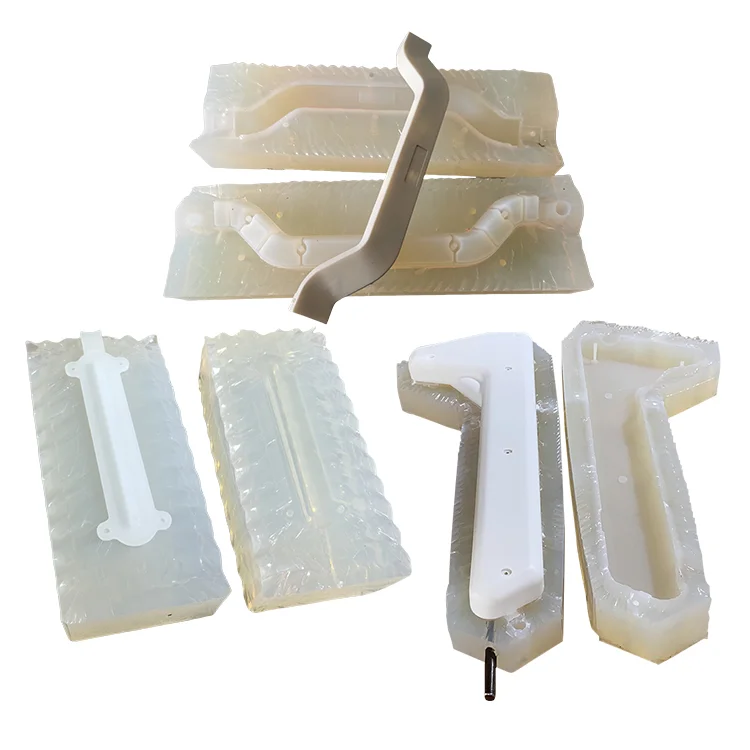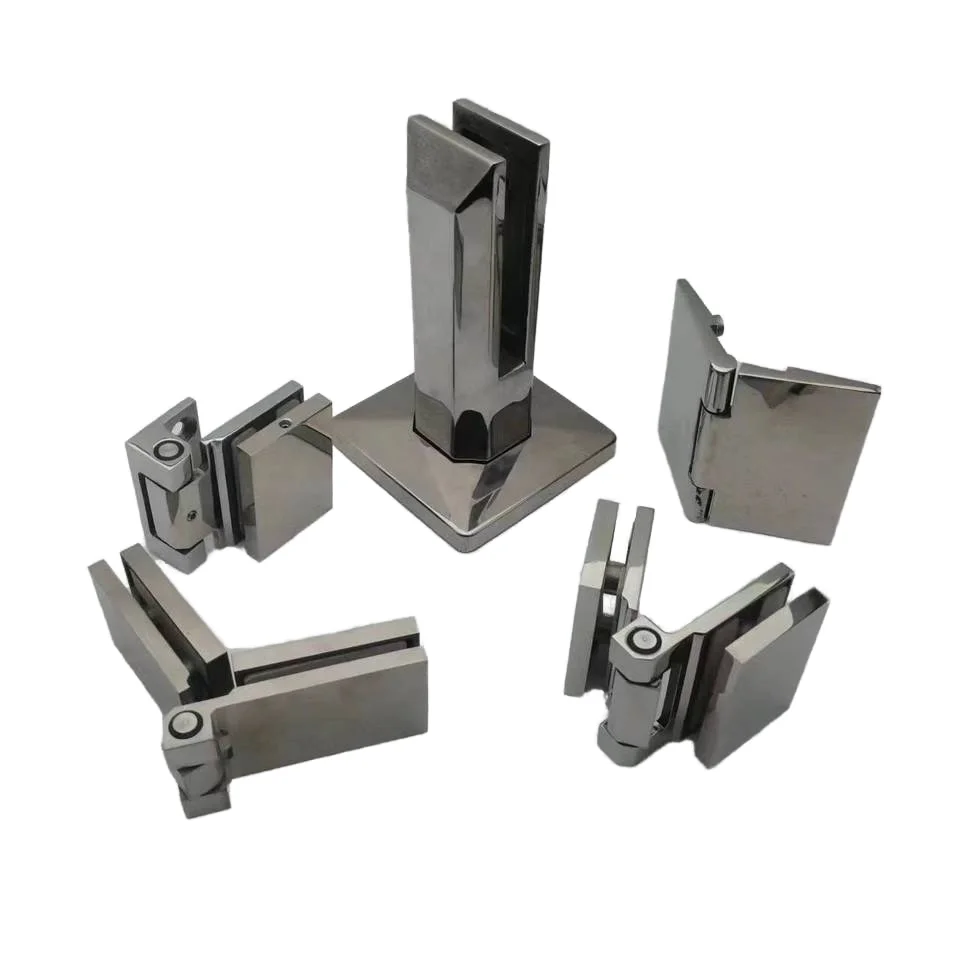
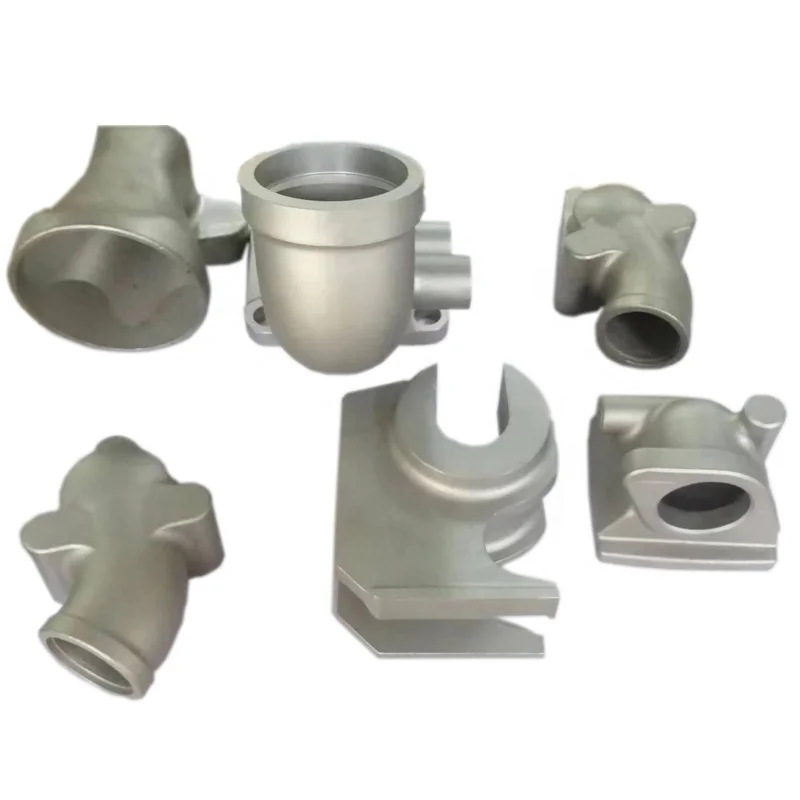
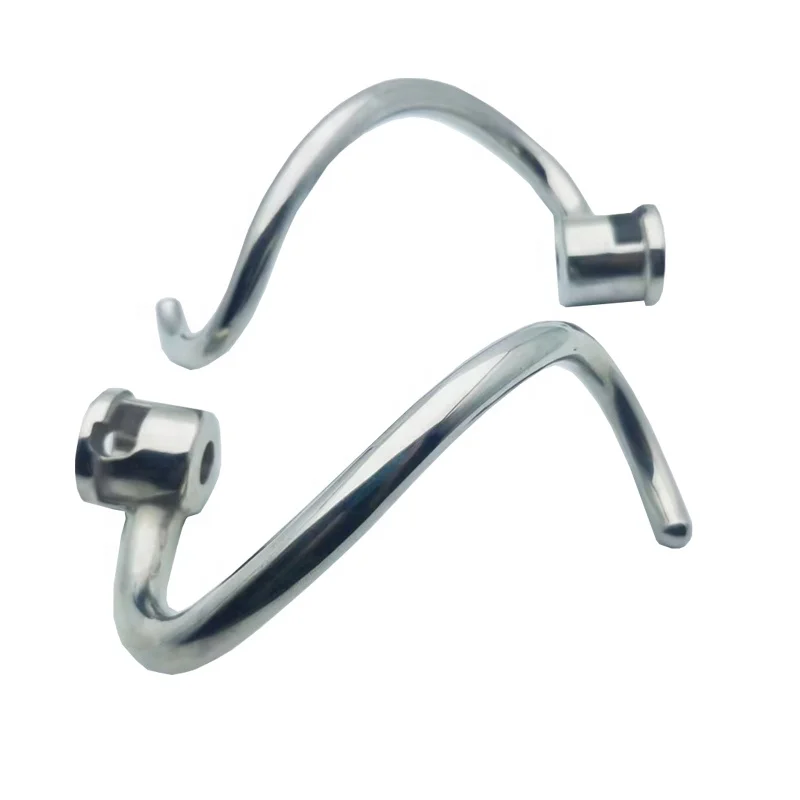
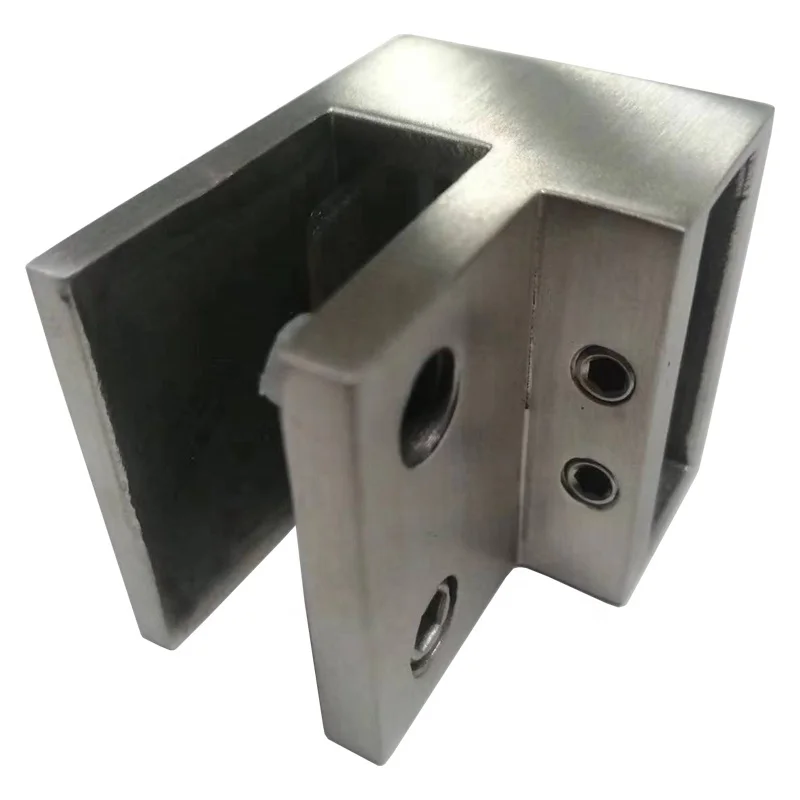
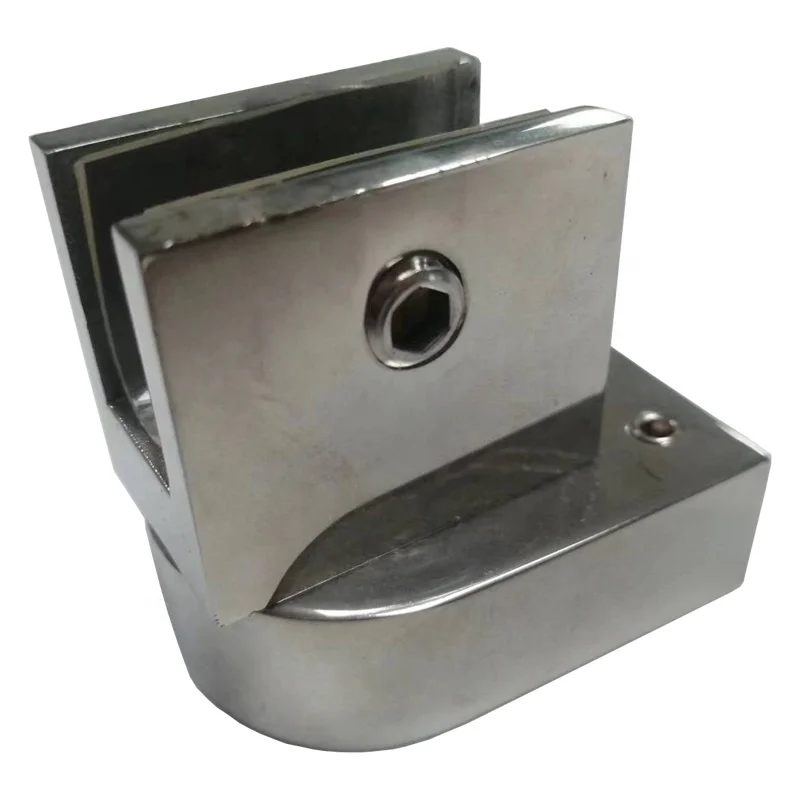
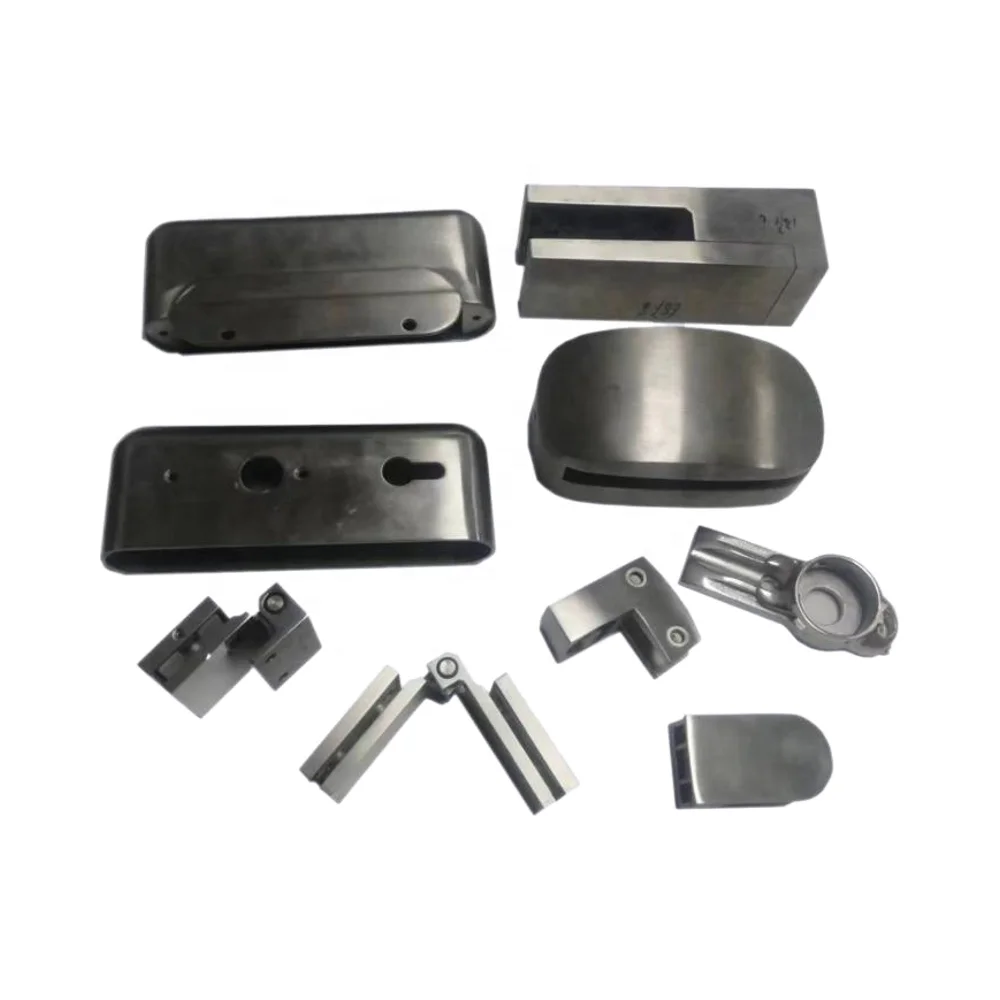
Custom Lost Wax Investment Casting Services for Alloy Steel, Brass, Platinum, Titanium and Stainless Steel
Let’s define your requirement
Send a product link, drawing or short brief. We’ll work through the details with you.
- Confirm the specificationGrade or model, size and intended use.
- Define your orderQuantity, finish or configuration, and samples.
- Agree the quotation scopeIncluded work, key checks and delivery needs.
-
Product nameCustom Casting Parts
-
Materialsteel, stainless steelColorPassivation
-
FunctionConnectionFeatureHigh accuracy
-
Drawing Format2D/(PDF/CAD/DWG/DXF)3D(IGES/STEP/VDA)ProcessingLost wax casting + passivation
-
ServiceOEM\ODMDimensionsCustomized Sizes
Custom lost wax investment casting supports connection-function parts and jewelry-project enquiries with OEM and ODM service. Sizes are customized for the selected component. Material choices include steel, alloy steel, stainless steel, brass, platinum and titanium, with the material and treatment configuration to be agreed for the required part.
Define the connection geometry and drawing input
Identify the mating interfaces and dimensions that determine the connection function. Drawing formats cover 2D PDF, CAD, DWG and DXF, plus 3D IGES, STEP and VDA. Use the chosen drawing to define measurable accuracy requirements and the finished geometry needed for assembly. That connects the custom size to the actual part rather than a broad accuracy description.
Match the selected metal with passivation
Choose the alloy and grade for the connection or jewelry task before agreeing the lost wax and passivation requirements. Define the compatible treatment for the selected metal and identify the affected surfaces. The finished appearance should be agreed separately from the treatment itself, with surface and dimensional acceptance based on the approved component design. A material choice should refer to the actual casting configuration being reviewed.
Agree the OEM or ODM finished configuration
For an OEM component, provide the required dimensions, interfaces and selected material specification. For ODM review, explain the intended function and design conditions alongside the proposed geometry. Include the part duty, accuracy criteria and compatible passivation requirement, then agree how the finished dimensions and surface will be inspected. This gives the custom connection or jewelry enquiry a defined material, process and acceptance basis.