Custom Iron and Steel Mechanical Lost-Wax Investment Castings with Heat-Treatment and Test Directions
Let’s define your requirement
Send a product link, drawing or short brief. We’ll work through the details with you.
- Confirm the specificationGrade or model, size and intended use.
- Define your orderQuantity, finish or configuration, and samples.
- Agree the quotation scopeIncluded work, key checks and delivery needs.
-
Surface FinishPainted , Machined
-
ProcessPrecision Casting, Investment Casting
-
MaterialIron, Steel, Gray Iron,Nodular Cast IronSurfaceMachining Or Spay Painting For Casting Iron
-
Heat TreatmentAnnealing, Normalizing, Quenching, TemperingCertificationApprovals ISO9001, TUV-PED,BV
-
InspectionPressure Test, Sealing TestRequirements For MaterialsHardness, Tensile Strength, Elongation, Impact Toughness
-
Requirements For SizeDimensional Accuracy And Shape AccuracyProduction EquipmentsAdvanced
-
Technology StrengthPowerful Technology Team
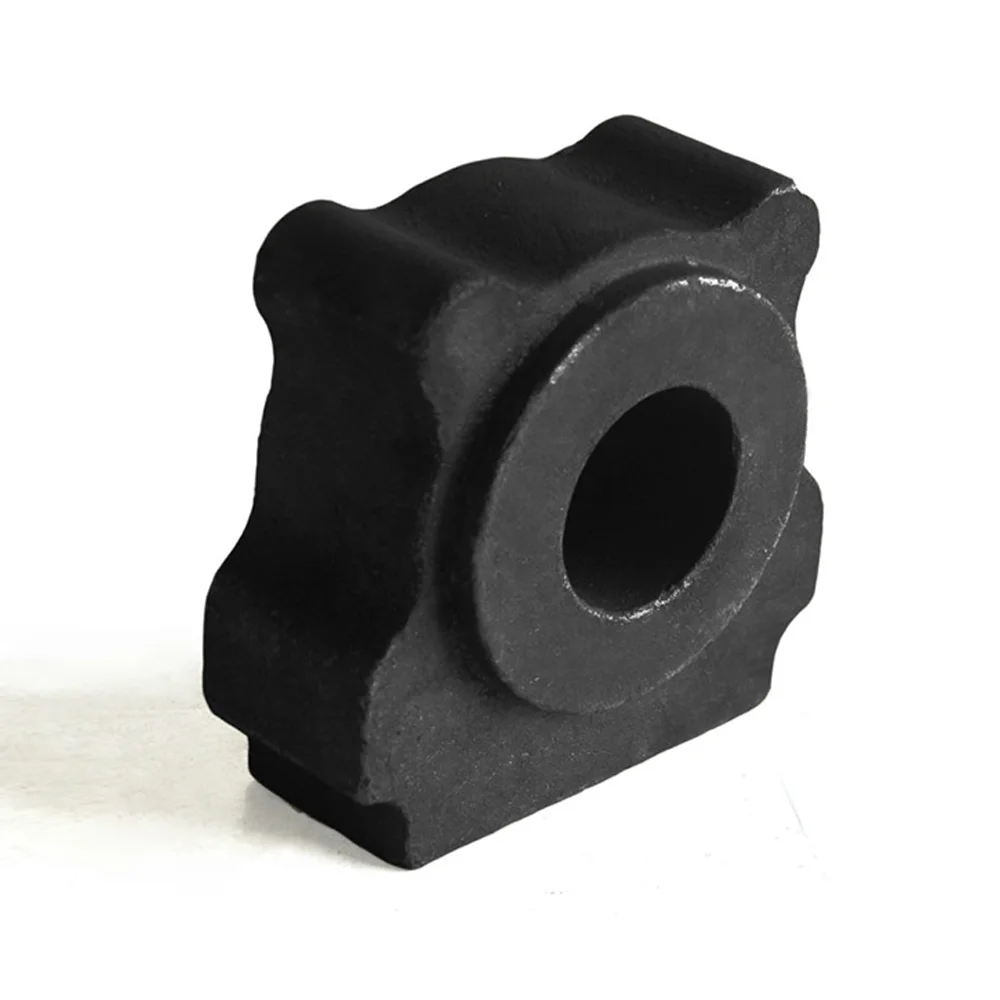
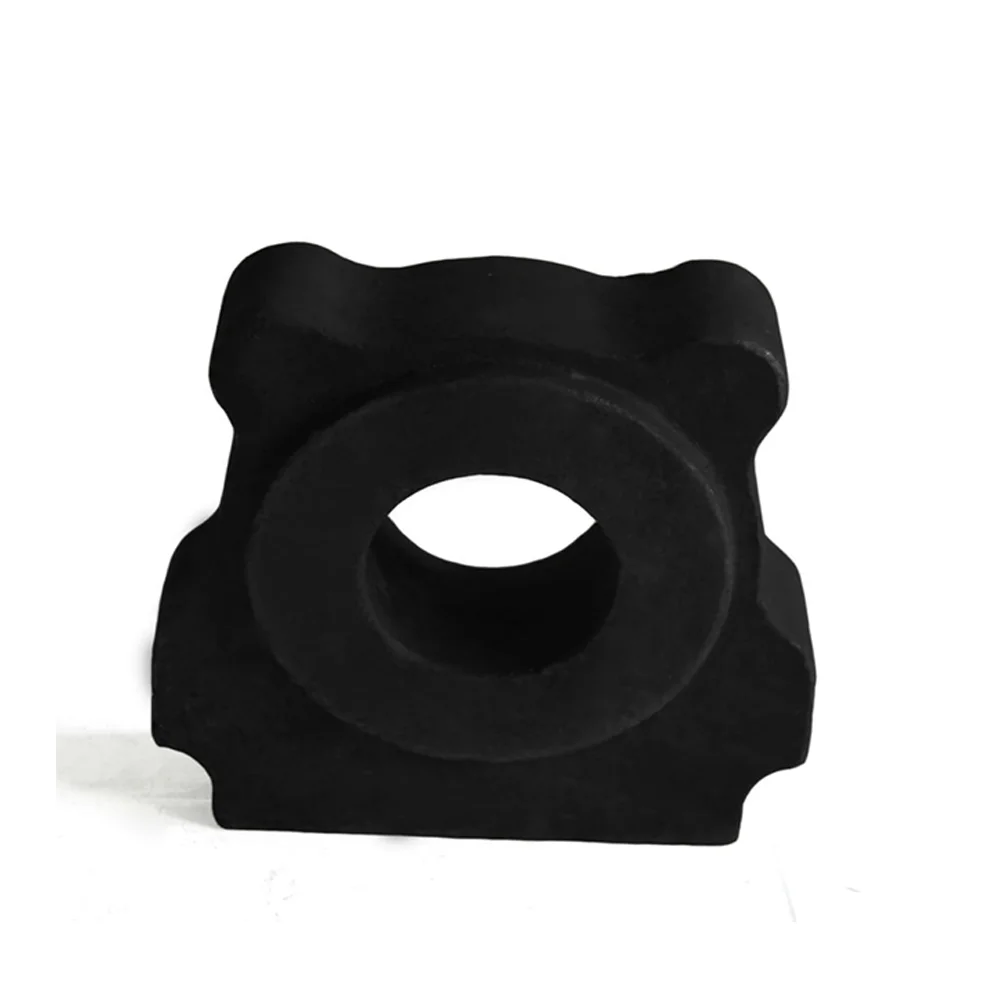
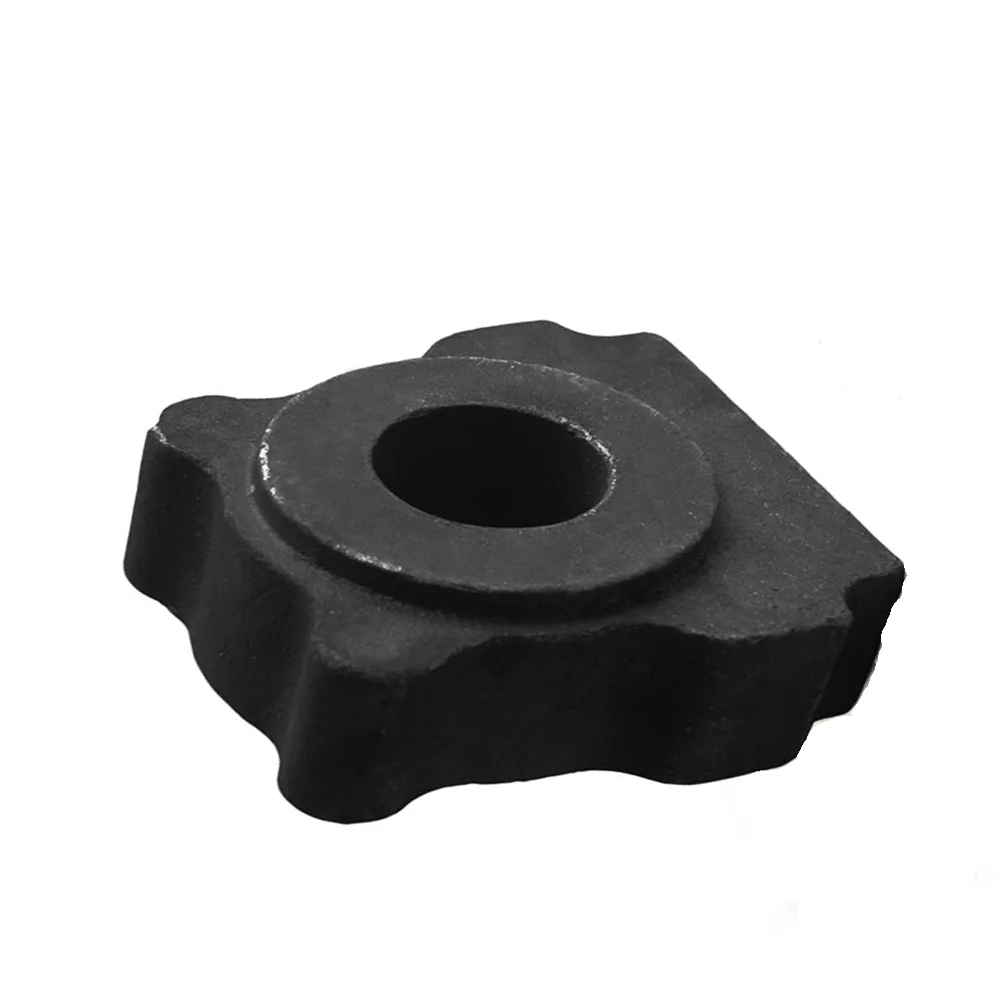
Custom mechanical-component work includes iron, steel, gray iron and nodular cast iron with precision lost-wax investment casting. Machining and cast-iron painting are surface-work directions to select for the actual component, with the painting method and treated areas agreed for the required condition.
Heat treatment and material-property requirements
Annealing, normalizing, quenching and tempering are heat-treatment directions for the chosen material. Hardness, tensile strength, elongation and impact toughness are material requirements needing actual acceptance values and methods. Allocate the heat treatment and resulting condition around those requirements for the selected grade.
Dimensional and shape accuracy of the mechanical part
Define the component geometry and controlled dimensional and shape limits on the drawing. Identify which areas receive machining or painting and how their finished condition will be accepted. Connecting these requirements keeps material condition, geometry and surface work within the same component plan.
Pressure and sealing test acceptance
Pressure and sealing tests are inspection directions requiring the relevant test object, conditions, criteria and records. Agree which tests apply to the actual mechanical duty and what constitutes acceptance. A requested test direction should be supported by the agreed component-specific procedure and results for the actual supply.
Production support and ISO9001, TUV-PED and BV scope
Advanced equipment and technical-team support are qualitative production directions whose actual work scope needs agreement. Identify the applicable ISO9001, TUV-PED and BV documents, object and responsible current organization/site where required. Agree quantity and manufacturing/inspection responsibility alongside the selected material, drawing, heat treatment, surface condition and test acceptance.