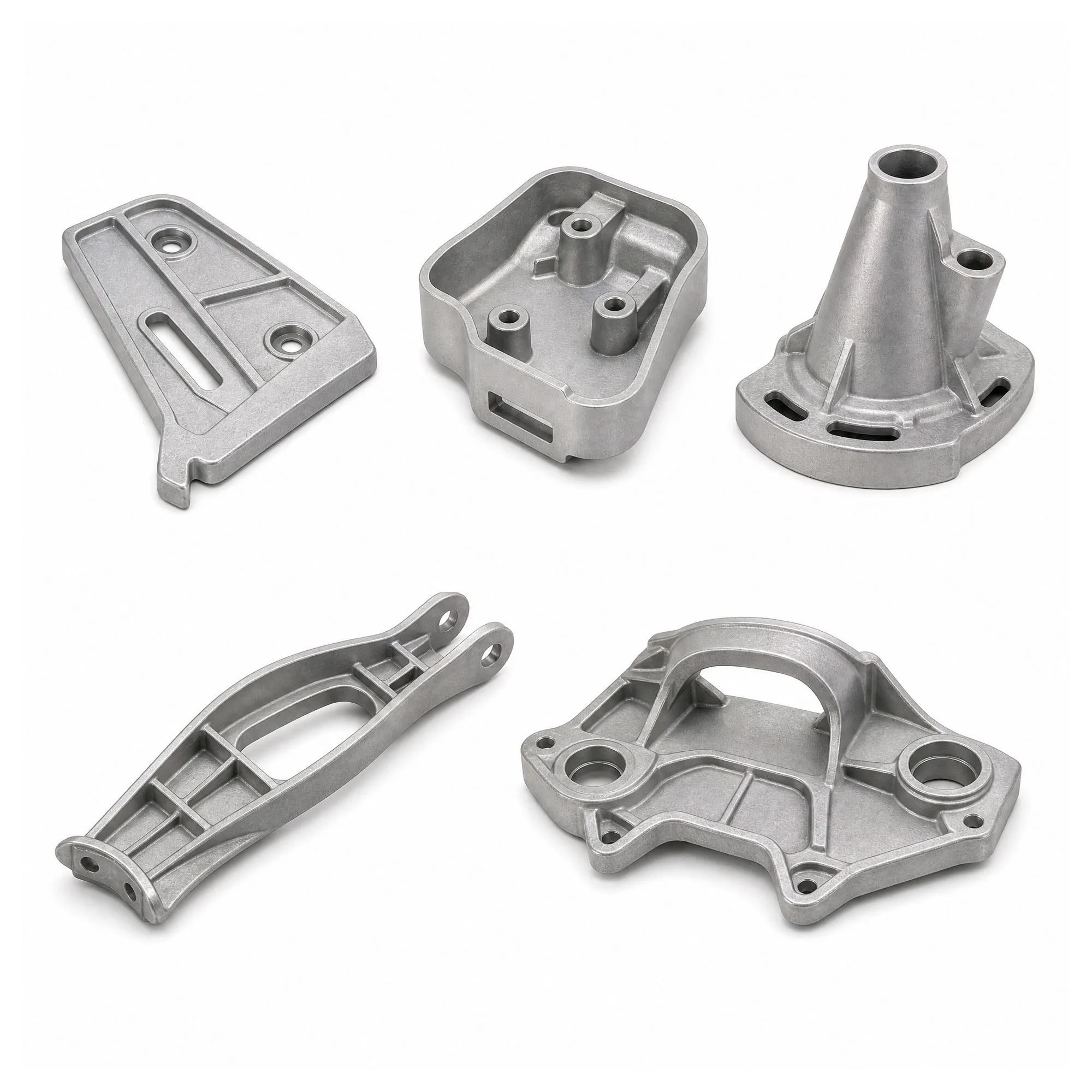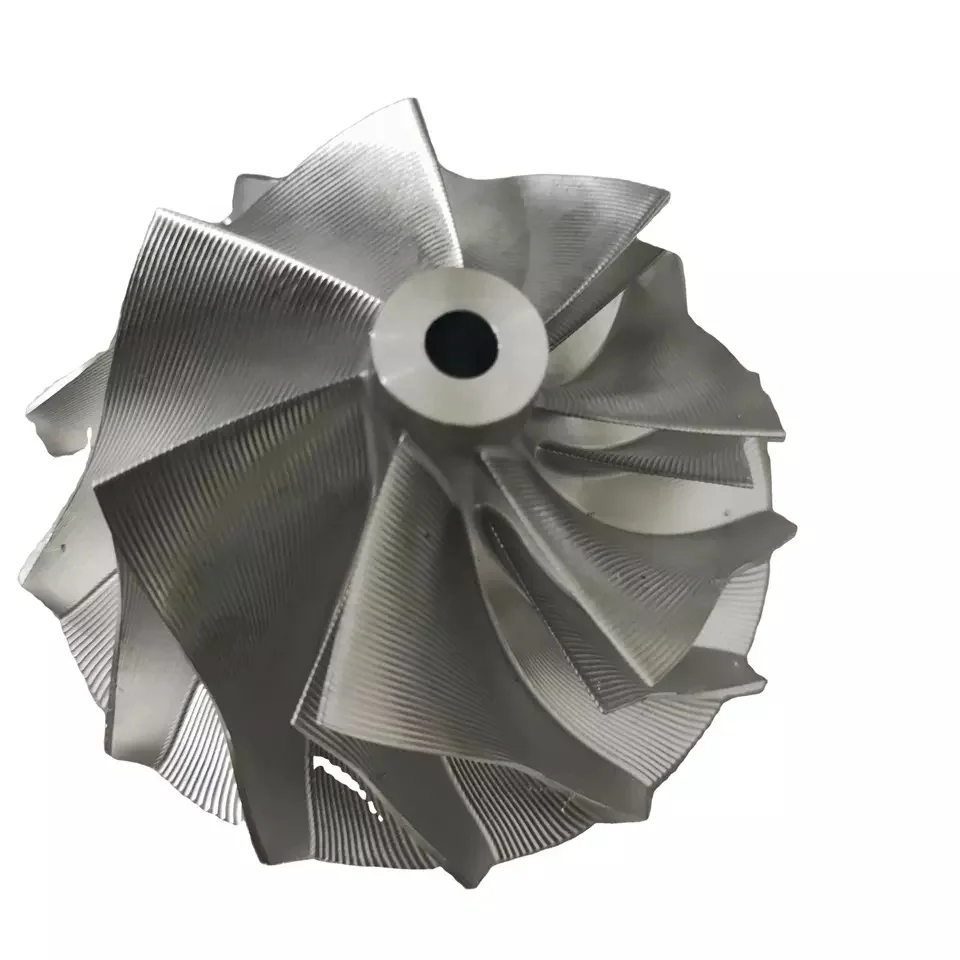
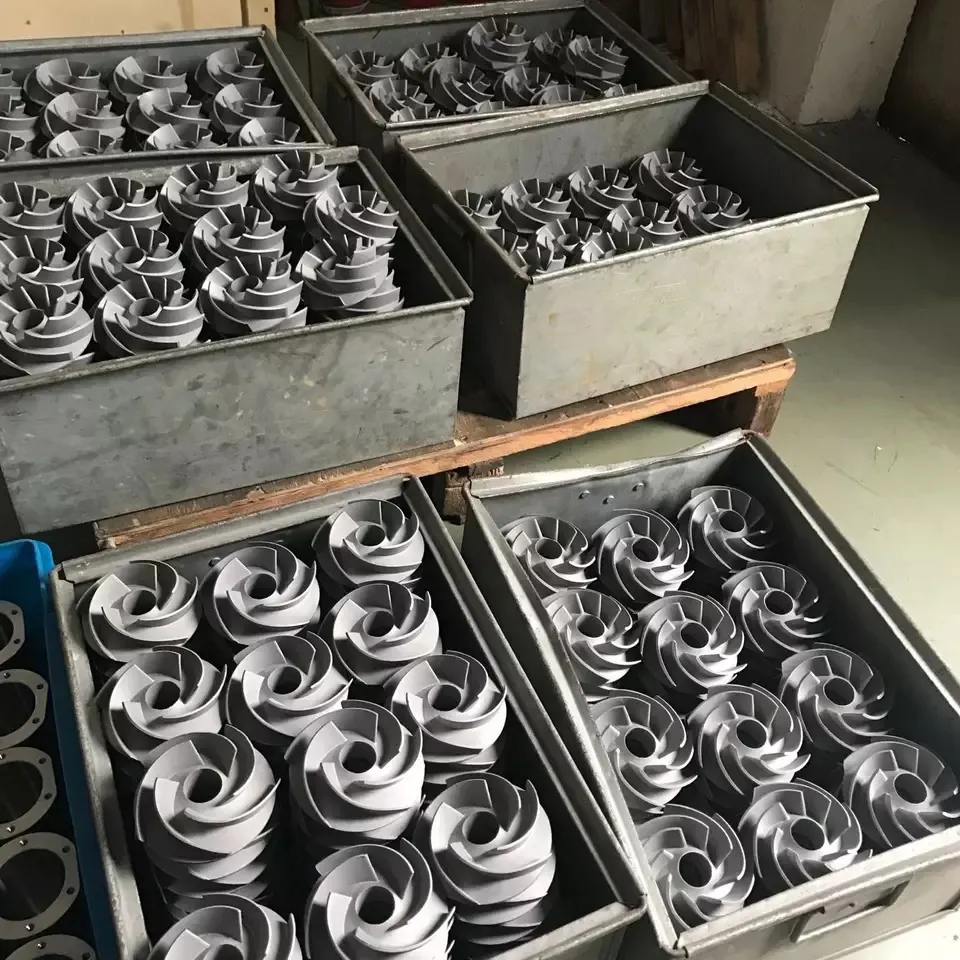
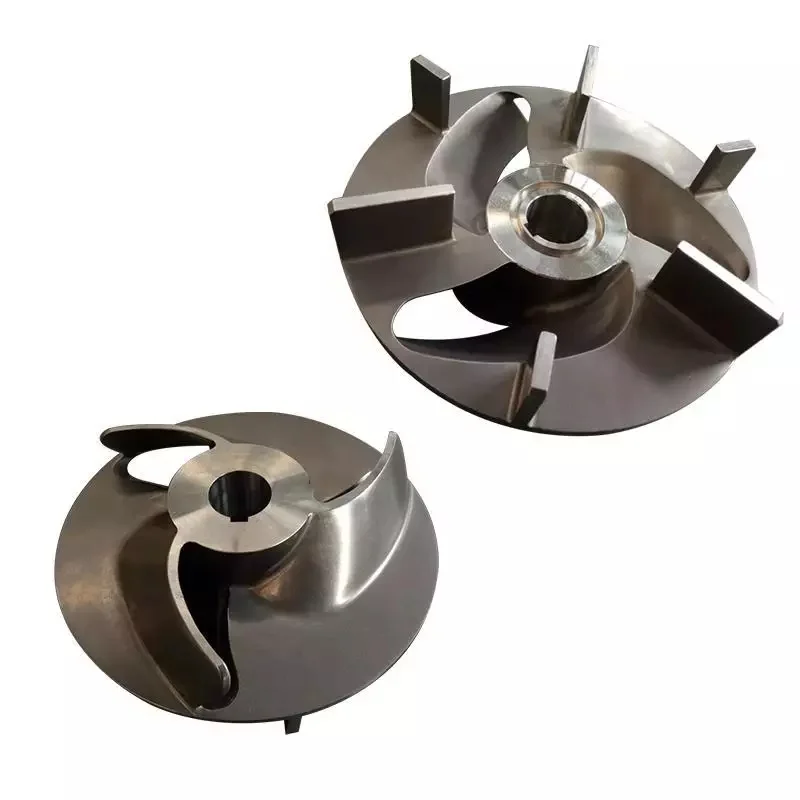
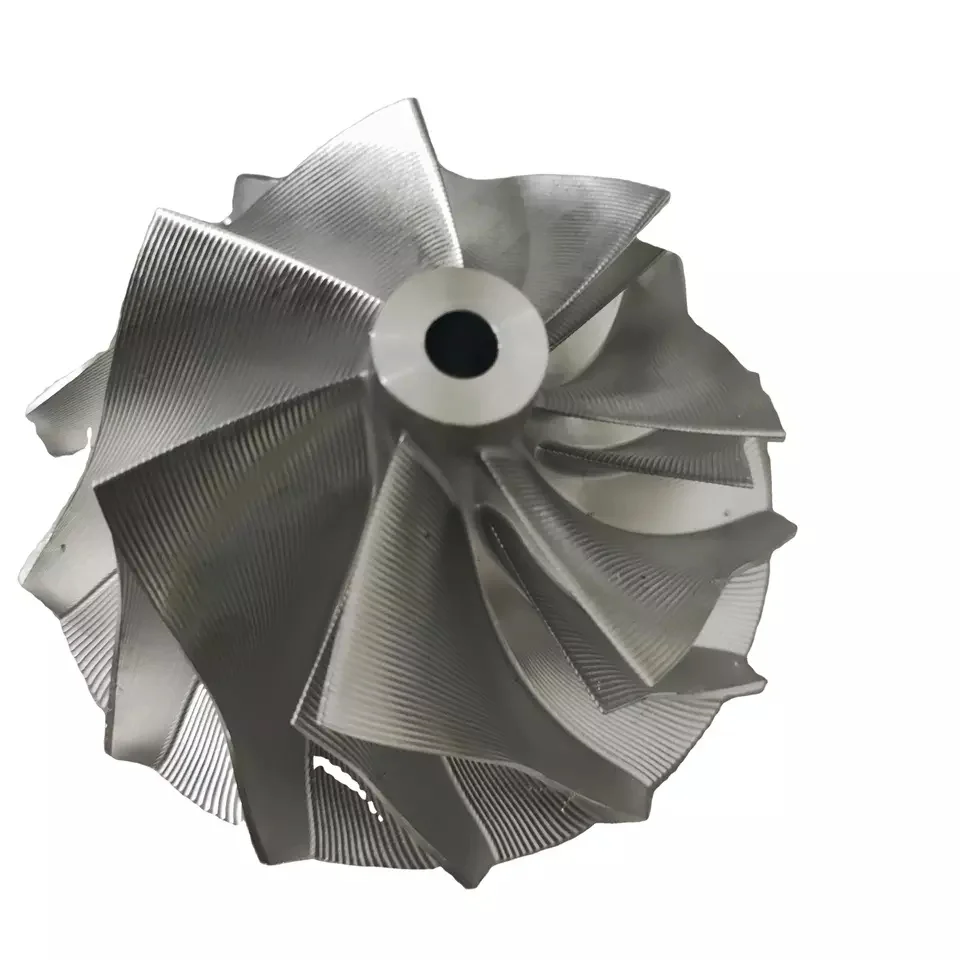
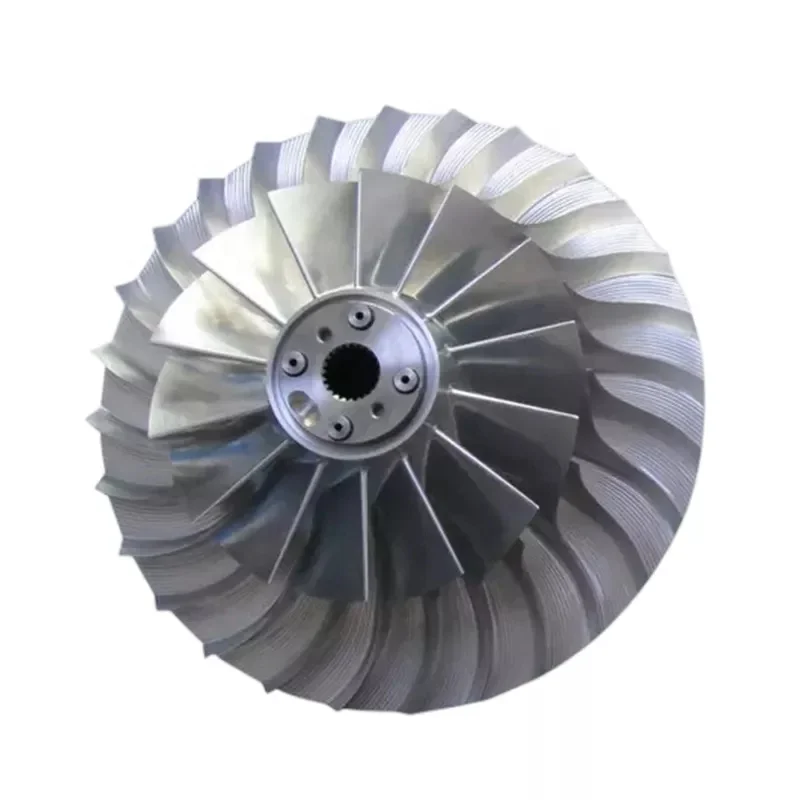
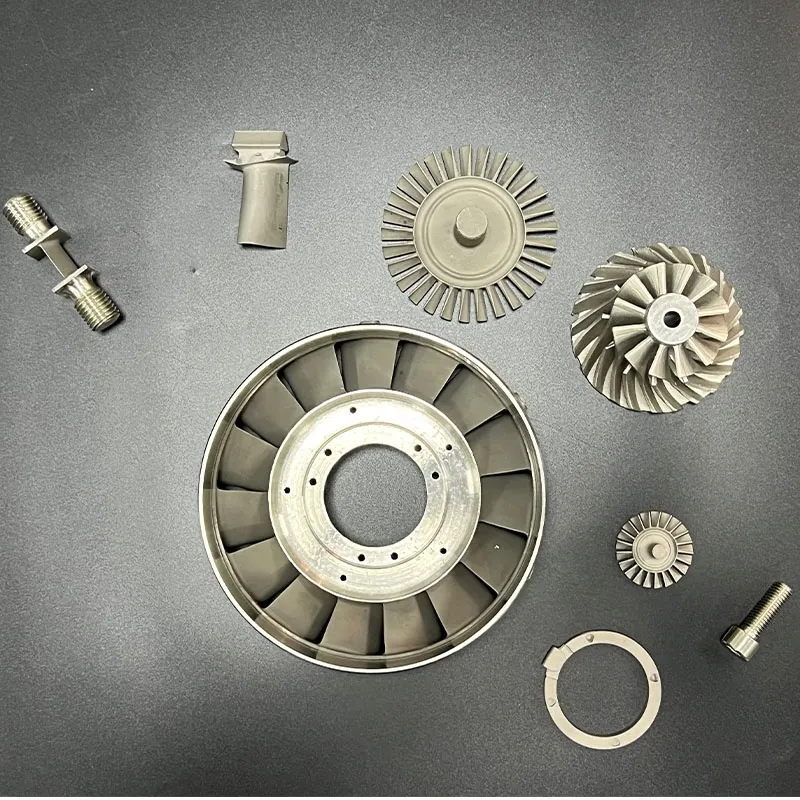
Custom Inconel 600/625, Titanium and Nickel Alloy Impellers and Turbine Wheels: Vacuum Investment Casting
Let’s define your requirement
Send a product link, drawing or short brief. We’ll work through the details with you.
- Confirm the specificationGrade or model, size and intended use.
- Define your orderQuantity, finish or configuration, and samples.
- Agree the quotation scopeIncluded work, key checks and delivery needs.
-
Component FormImpeller / RotorSurface FinishPolished
-
Materialshigh temperature alloy
-
CertificationISO9001:2008/TS 16949PackingCarton
-
ServiceOEM ODM CustomisedColorCustormer's Requirements
-
MOQ1 PieceSizeCustomer's Reuqest
-
TypeVacuum metal castingInspection100% Test
-
Surface treatmentPolishingToleranceCustomer's Drawing Request
Custom pump impeller and turbine-wheel requests are offered through investment and vacuum-metal-casting directions. Material inquiries can involve titanium, nickel alloy, Inconel 600 or Inconel 625 within a high-temperature-alloy component project, with OEM/ODM customization and a one-piece minimum.
Identify the rotating component and intended duty
Define whether the request concerns a pump impeller, gas or steam turbine wheel, or a turbo/compression component. Provide the actual geometry and the interfaces that connect it to the surrounding assembly. State the intended operating requirements as part of the component acceptance definition, so the casting request addresses the particular application.
Select the alloy for the actual component
Identify the precise titanium, nickel-alloy or Inconel grade required for the part. Keep that choice with the component drawing and the agreed investment or vacuum-metal-casting work. The material selection and drawing-assigned dimensional requirements should describe the same finished item and its intended duty.
Define polishing and custom color requirements
Polishing is a surface-treatment direction, while color follows customer requirements. Specify the surfaces involved and the appearance required for the selected material. Include the finished condition of any mating areas so the surface request remains connected to dimensional fit.
Set the testing and one-piece supply scope
One hundred percent testing is offered, with the actual characteristics, methods and acceptance criteria to be agreed. Bring the selected alloy, interfaces, drawing requirements and surface definition into that testing discussion. Confirm the exact component and supply scope for the one-piece OEM/ODM request before ordering.