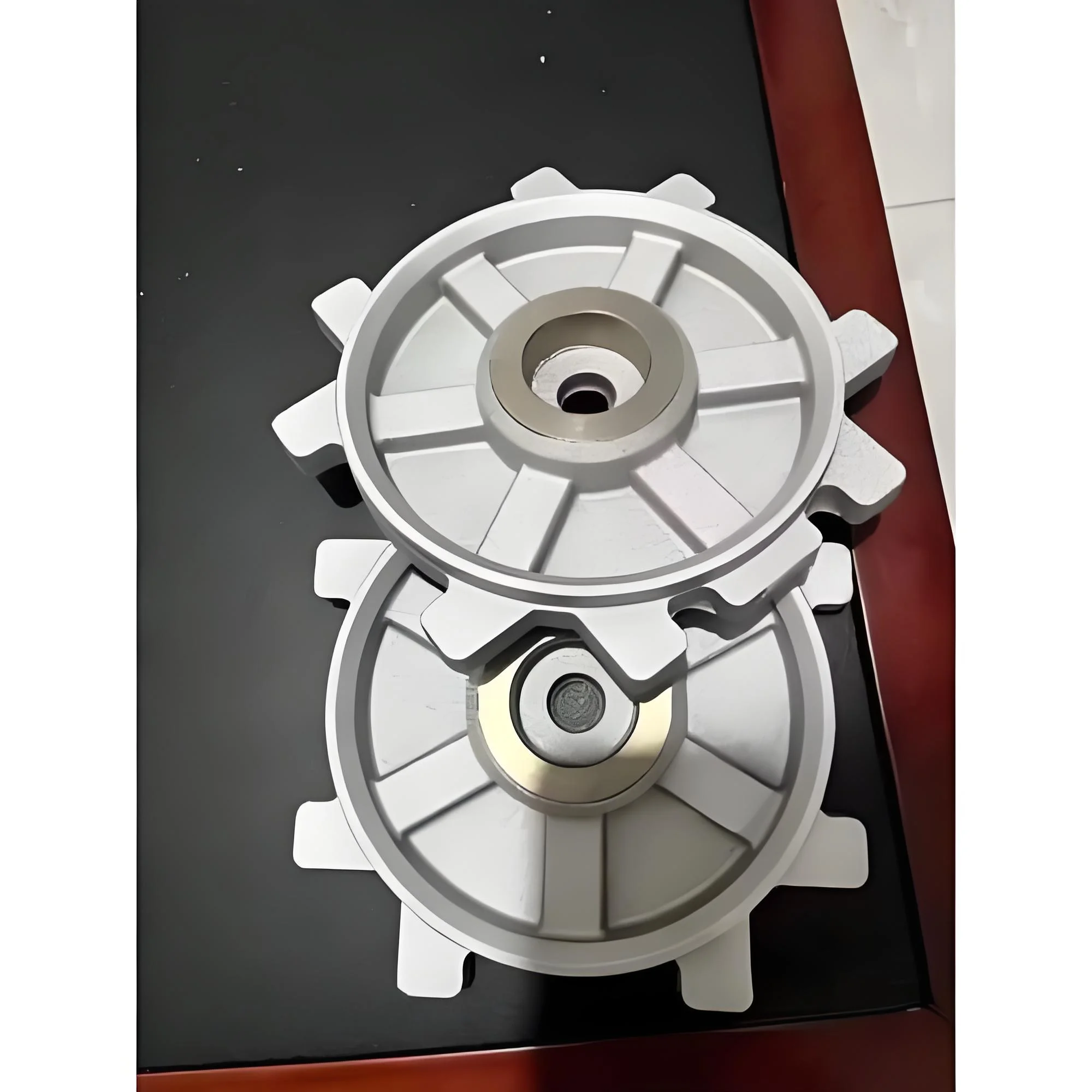
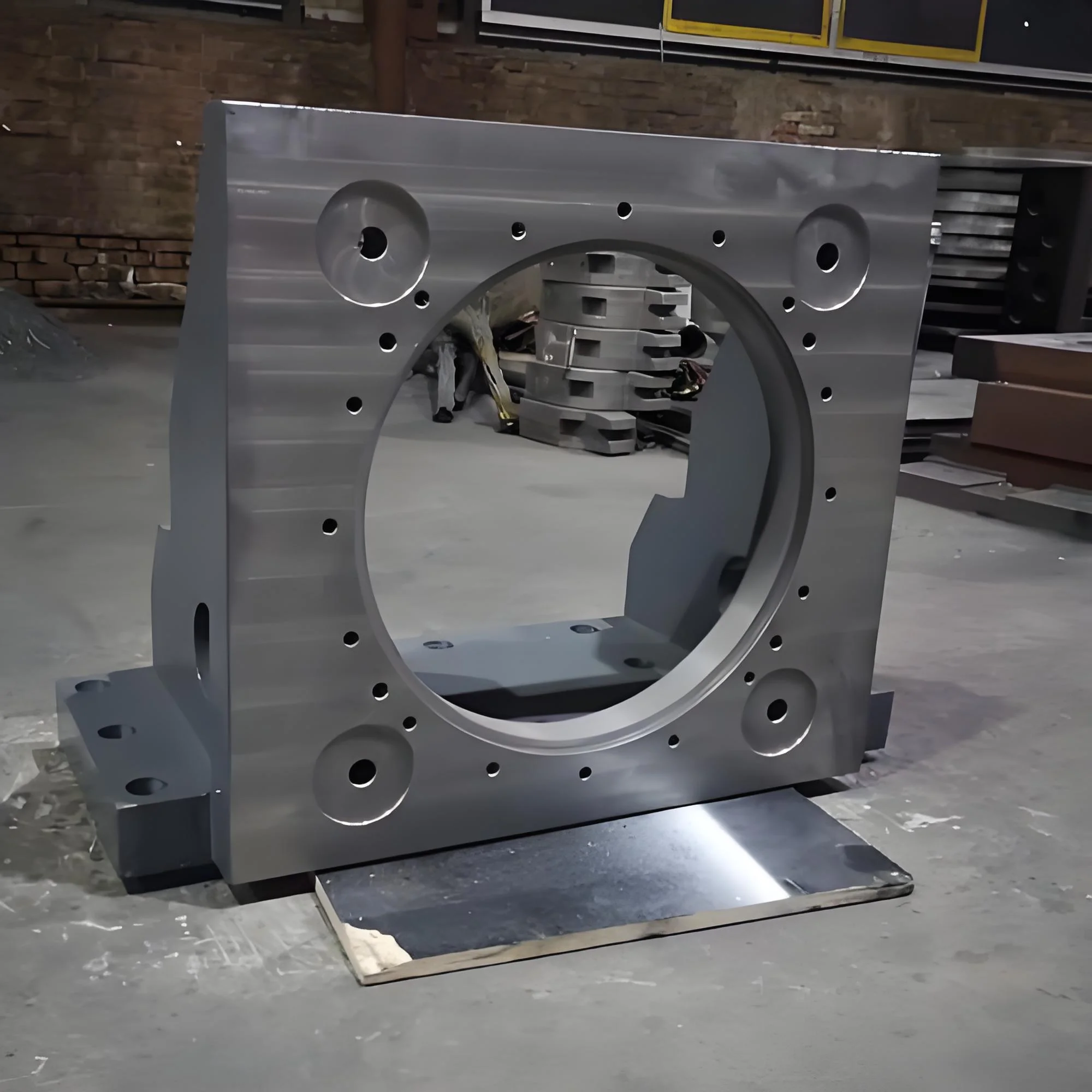
Custom Heavy Duty Iron Machinery Castings | Machining & Drawing-Based Wall Thickness
Let’s define your requirement
Send a product link, drawing or short brief. We’ll work through the details with you.
- Confirm the specificationGrade or model, size and intended use.
- Define your orderQuantity, finish or configuration, and samples.
- Agree the quotation scopeIncluded work, key checks and delivery needs.
-
SizeCustomSurface TreatmentCustom
-
MaterialsIron
-
SpecificationCustomized according to drawingsWall thicknessCustomized according to drawings
-
InspectionRaw Material Control, Heat Treatment, Finished Product InspectionService TypeFull Process Service (Design to Delivery)
-
Production CapacityFlexible Scheduling, Fast Response
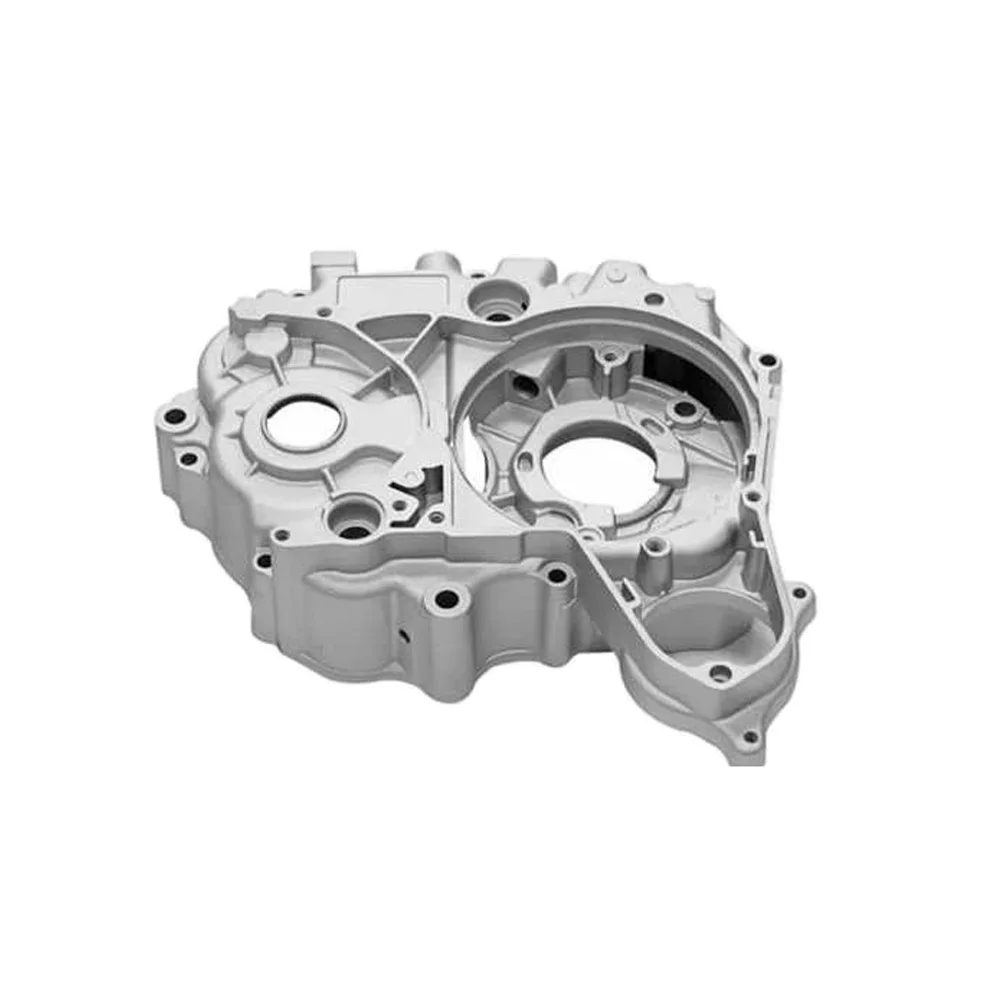
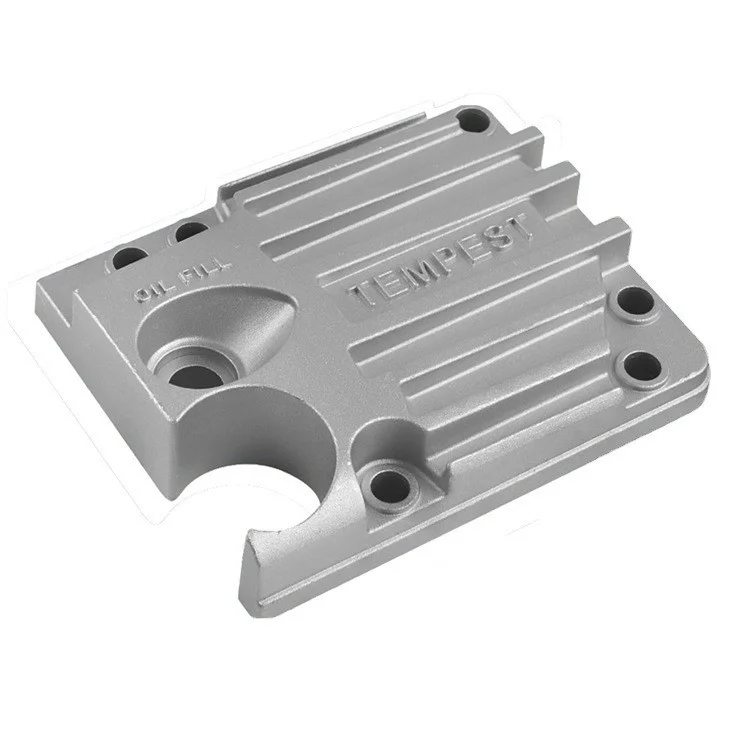
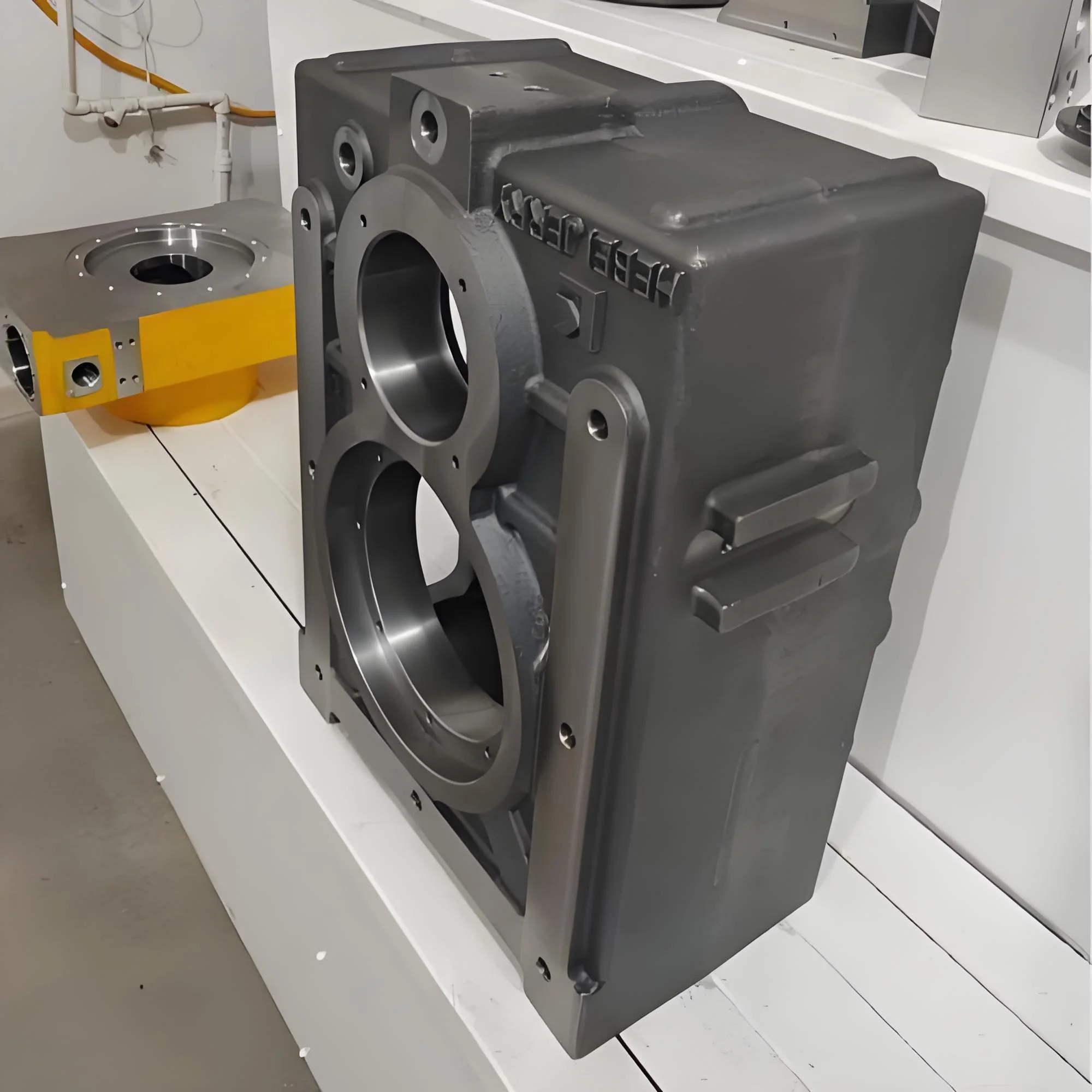
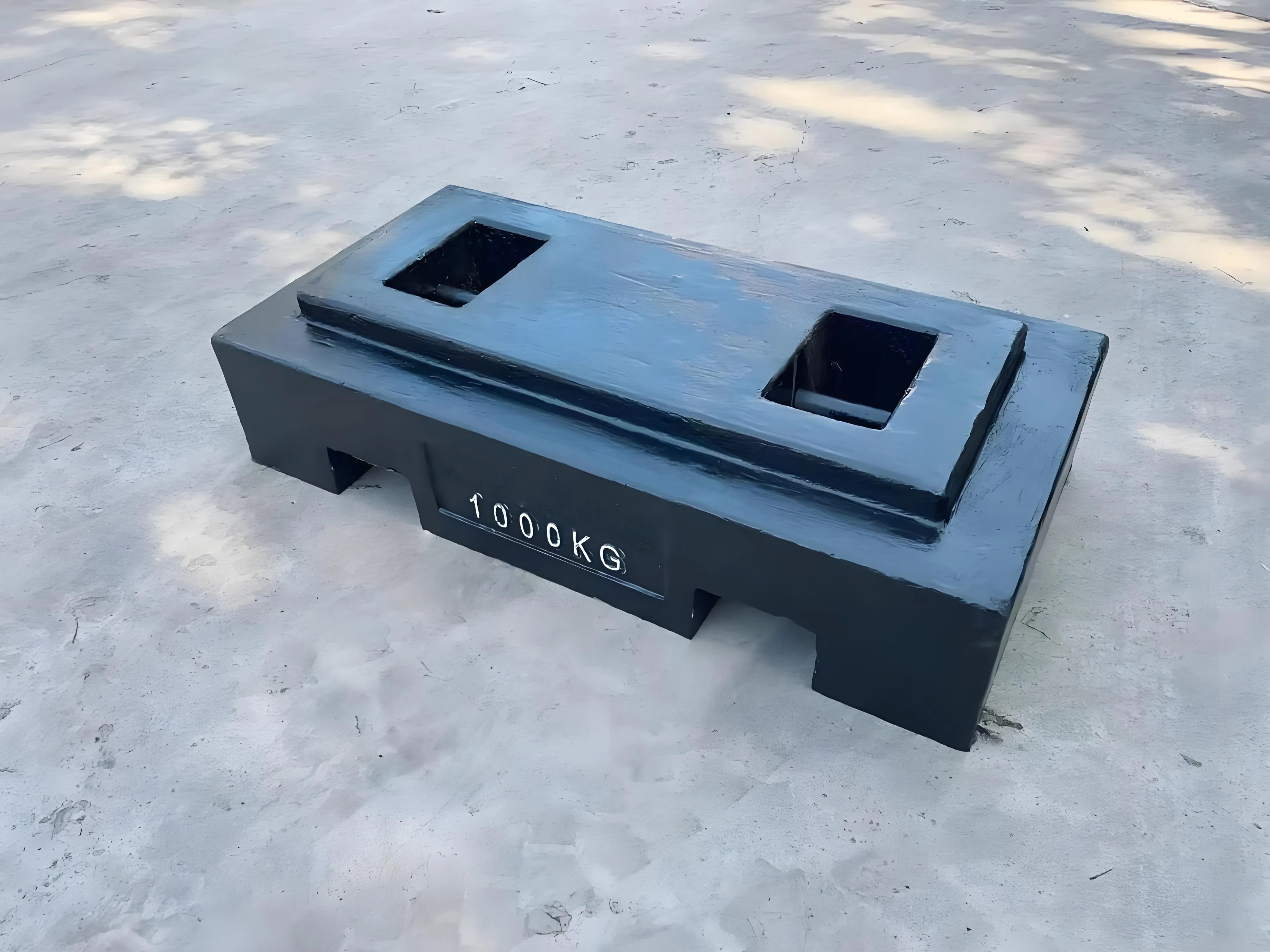
Custom iron casting and machining support heavy duty machinery components with drawing-defined requirements. Size, surface treatment, overall specification and wall thickness are customizable, allowing the enquiry to describe the particular iron part and its intended machinery duty.
Wall thickness within the drawn iron component
The drawing defines the component specification and wall thickness. Identify the thickness requirements alongside the overall geometry and custom dimensions, so they form part of one consistent iron casting design. State the actual iron grade and the duty the machinery component must satisfy when agreeing the dimensional and acceptance requirements.
Machining and the requested finished surface
Machining is part of the component service, while surface treatment follows the custom requirement. Mark the areas needing machining and describe the desired condition of the relevant finished surfaces. Relating these requirements to the drawing keeps the discussion focused on the individual part, including how wall thickness and dimensional acceptance are assessed after the agreed work.
Quality stages and design-to-component support
Quality stages cover raw material control, heat treatment and finished-product inspection. Service extends from design through the finished component, with flexible scheduling and responsive project support. Agree the material, dimensional and surface acceptance points for the drawn part, giving each quality stage a defined relationship to the heavy duty machinery requirement rather than assigning an unspecified numerical load or tolerance.