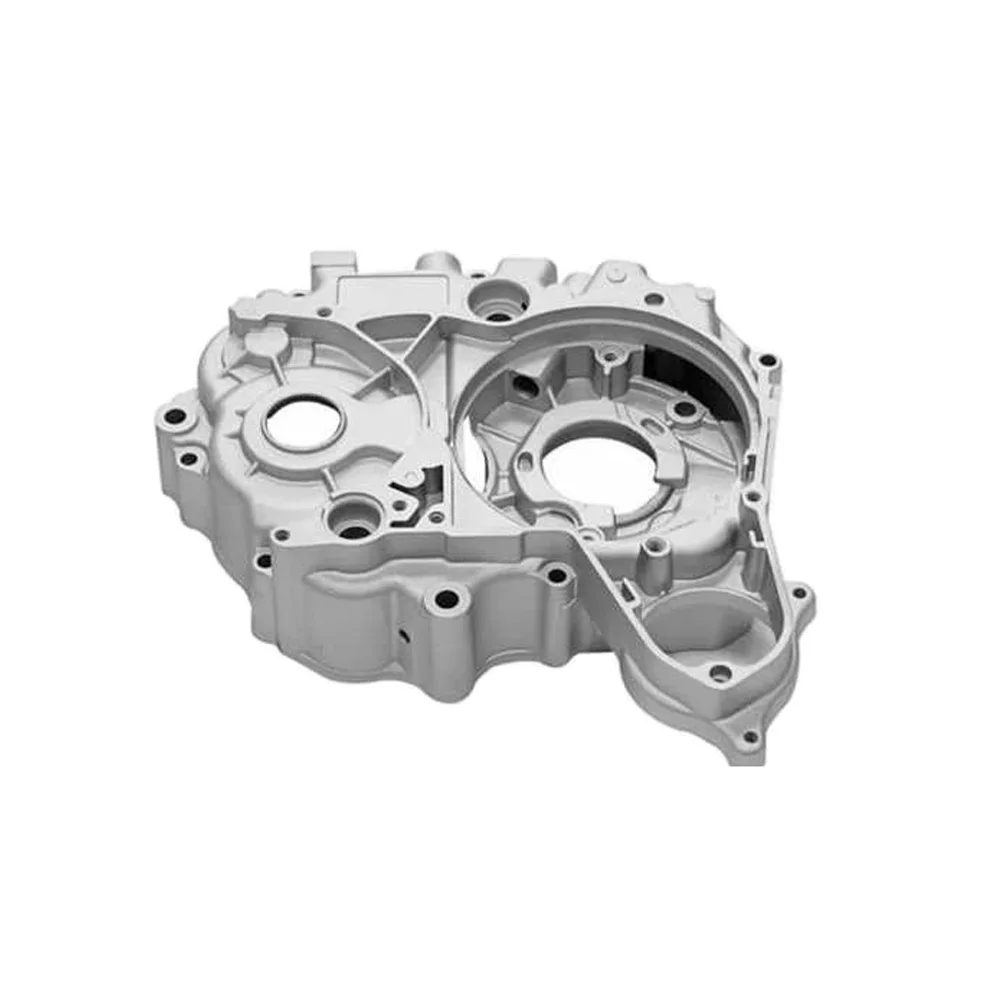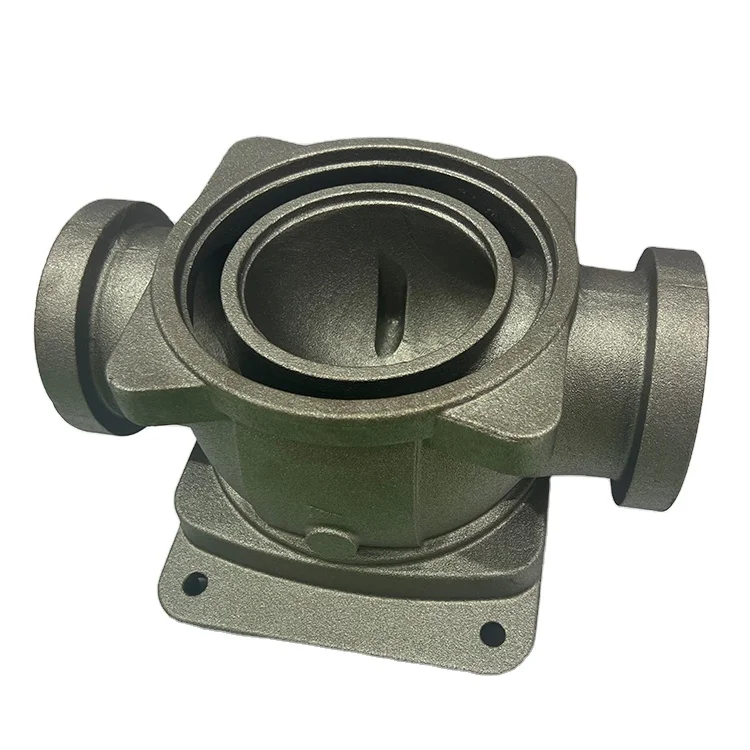
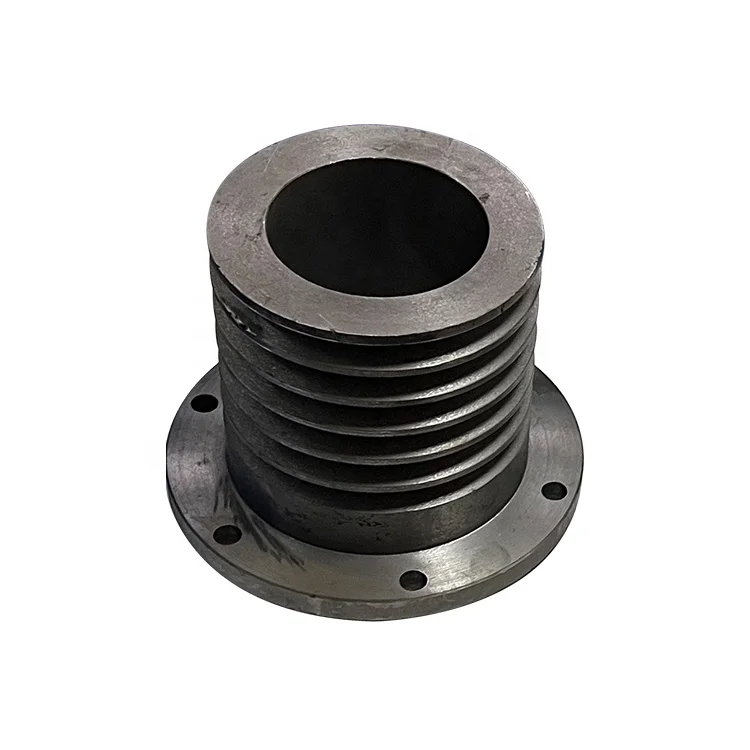
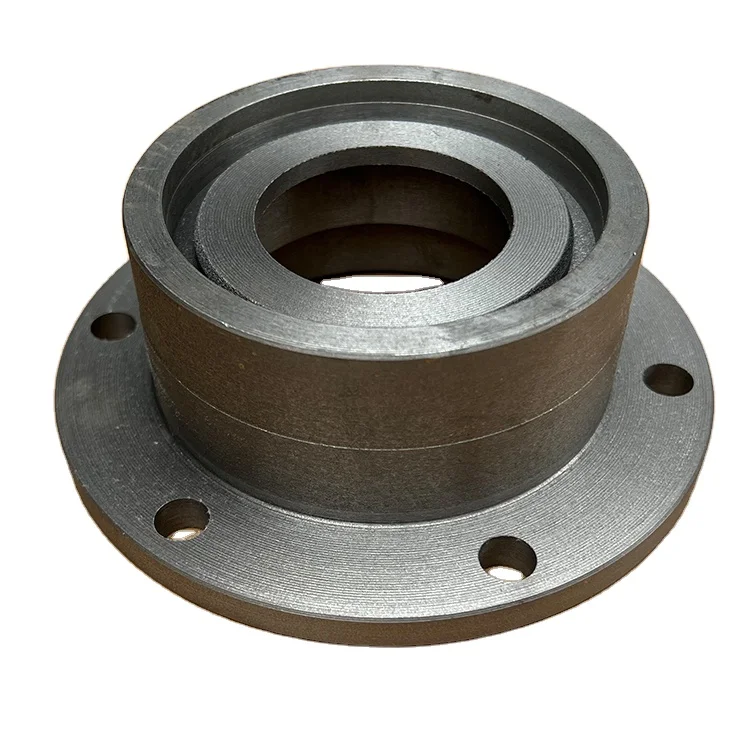
Custom Cast-Iron/Zinc/Aluminum/Stainless Parts | Wax/Investment, Shell-Mold/Die Casting & Mold Services
Let’s define your requirement
Send a product link, drawing or short brief. We’ll work through the details with you.
- Confirm the specificationGrade or model, size and intended use.
- Define your orderQuantity, finish or configuration, and samples.
- Agree the quotation scopeIncluded work, key checks and delivery needs.
-
MaterialsStainless Steel Cast Iron AluminumProcessCasting Machining(if Need) Surface Treatment
-
TechnologyWax Casting/Investmnet Casting/ Shell Mold CastingPackaging DetailsWooden case or as Customer's Requests
-
Coloras customer's needDelivery time5-15 Days
-
Drawing format2D/3D/CAD/DWG//STEP/PDF/IGSMOQ1 PCS
-
Payment TermT/T OR L/CEquipmentDie Casting Machine
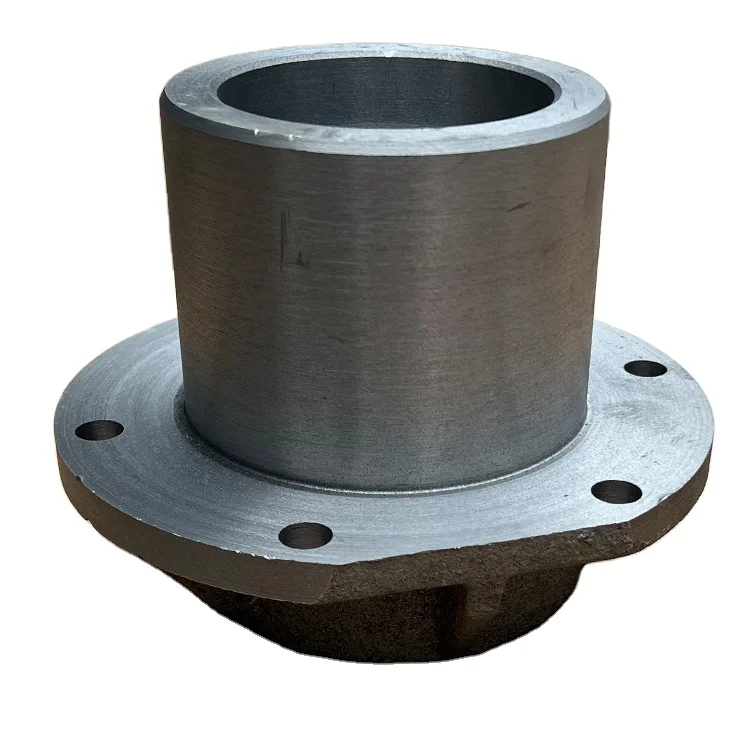
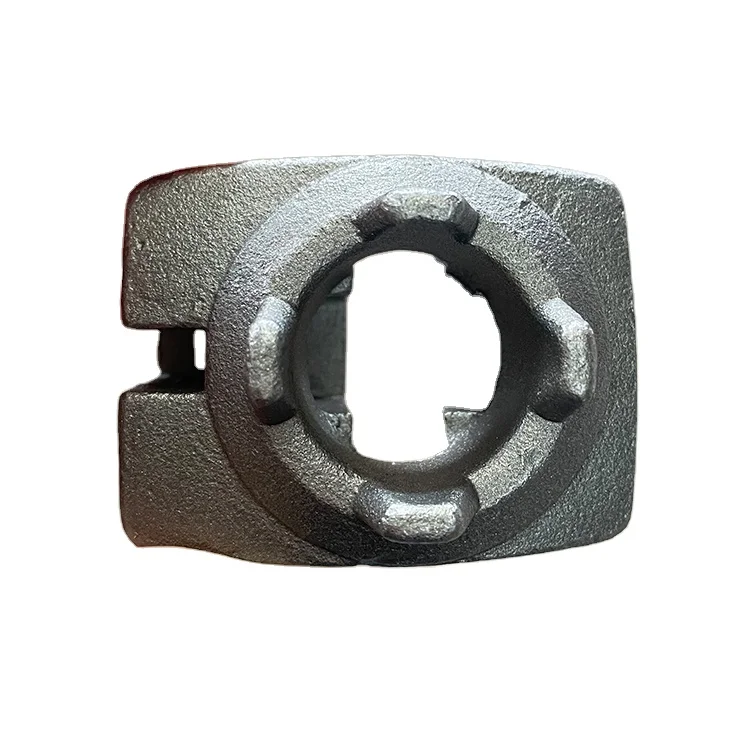
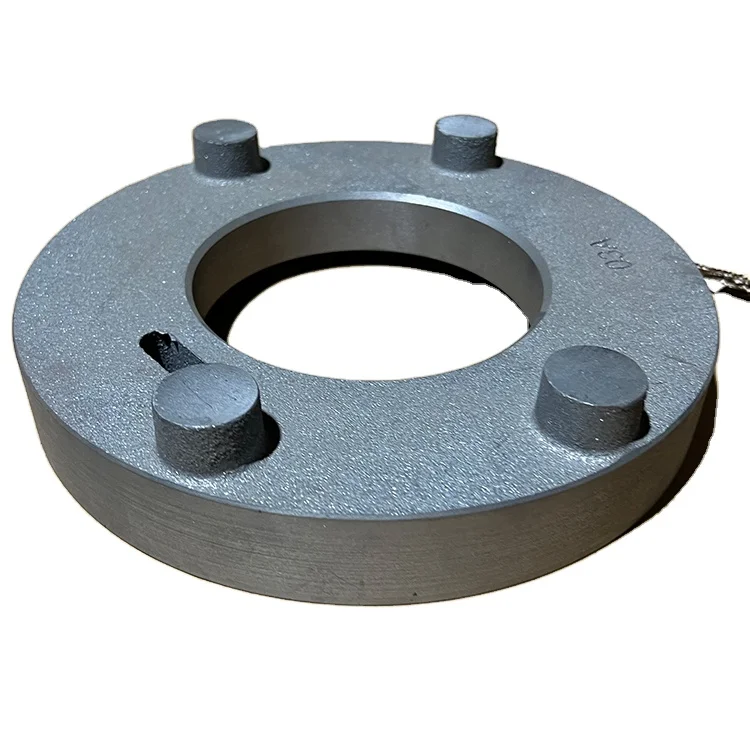
Custom casting and mold-service directions cover cast iron, zinc, aluminum and stainless steel. Wax/investment casting, shell-mold casting and die casting provide route choices, with die-casting equipment supporting that service direction. Optional machining, surface treatment and customer-required color help define the actual finished component.
Choose the material and mold route
Identify the actual metal or grade and the geometry of the requested part. Agree the compatible casting route and mold scope for that combination before assigning subsequent processing. The material and method directions offer alternatives for the component request rather than one process automatically covering every metal.
Set the geometry through supported drawing inputs
Inputs include 2D/3D drawings and CAD, DWG, STEP, PDF or IGS files. Identify the file and dimensions that define the custom part and any mold requirements. Agree which geometry and tolerances control the finished component when several drawing inputs are used.
Identify optional machining and the color result
Specify the areas requiring machining and the dimensions they must meet. Define the required surface treatment and color for the selected material, including the areas affected by those requirements. This makes the requested appearance and dimensional result part of the same component definition.
Agree final dimensional and surface acceptance
Set the criteria used to evaluate the chosen material, casting route and any subsequent processing. Connect those criteria to the controlling drawing and the requested surface or color result. Agree the acceptance requirements for the mold and finished component as part of the actual custom request.