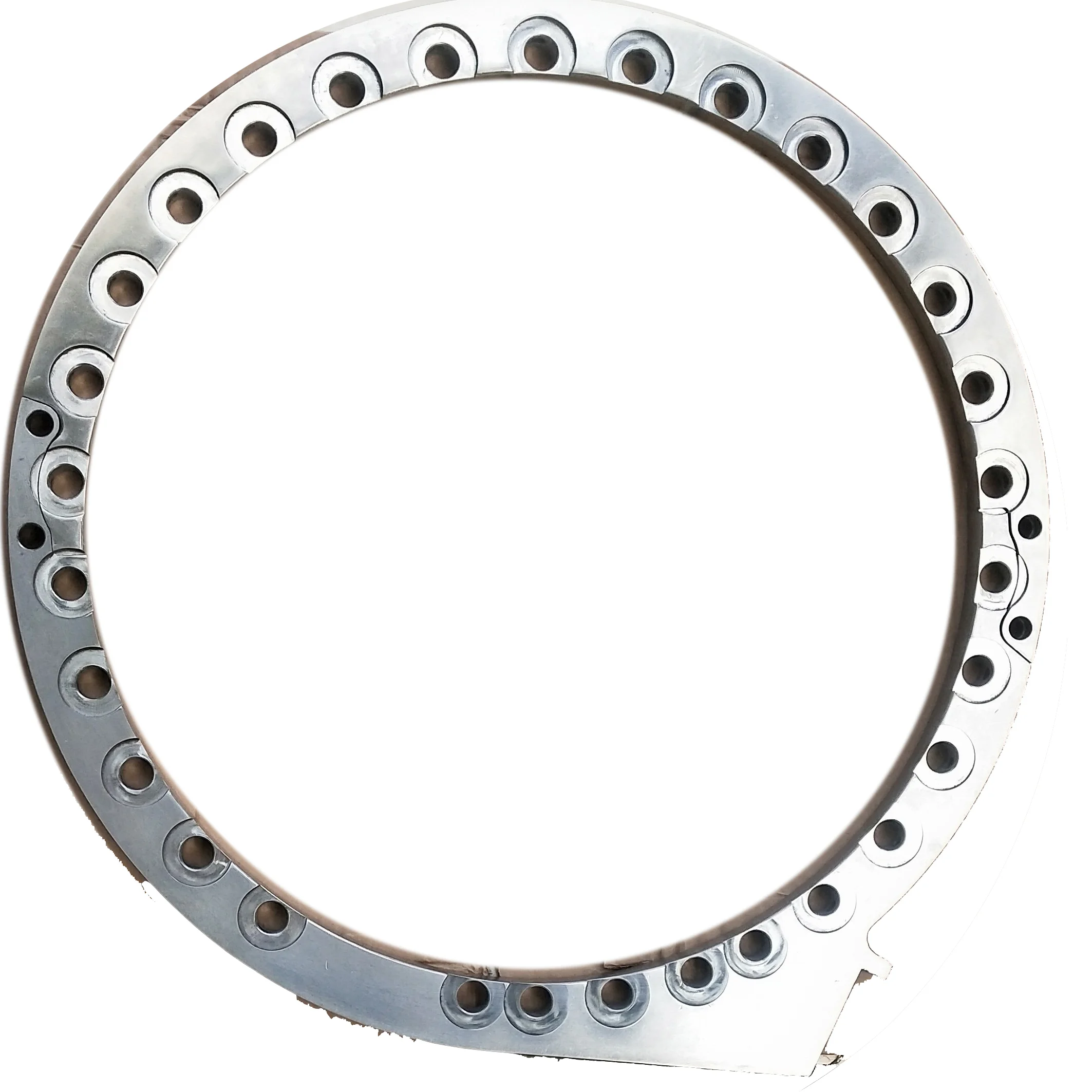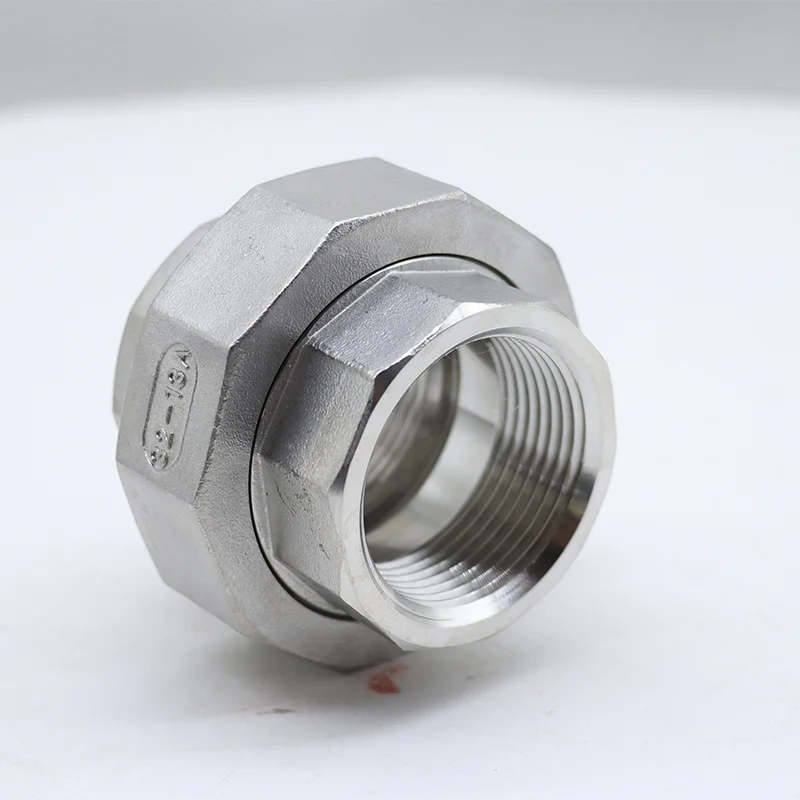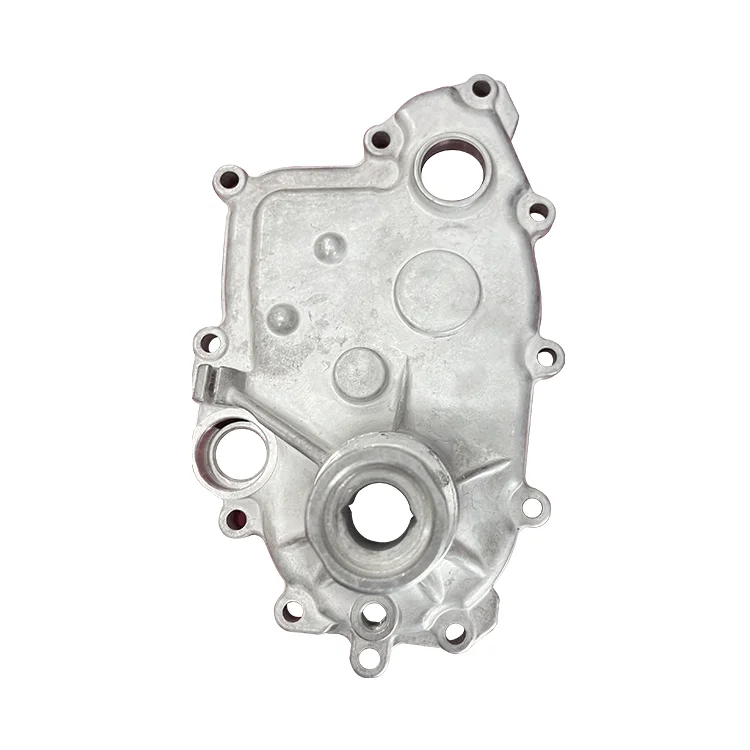
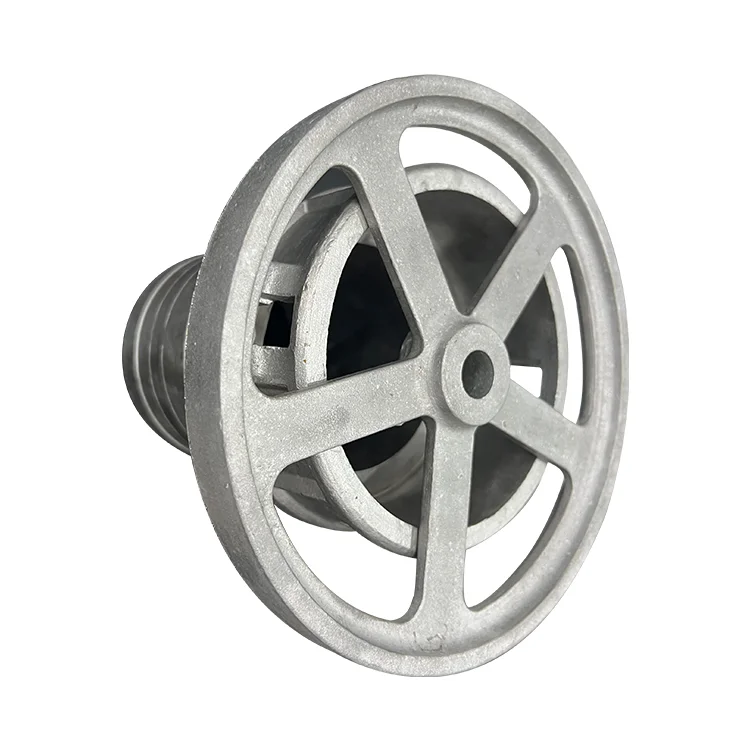
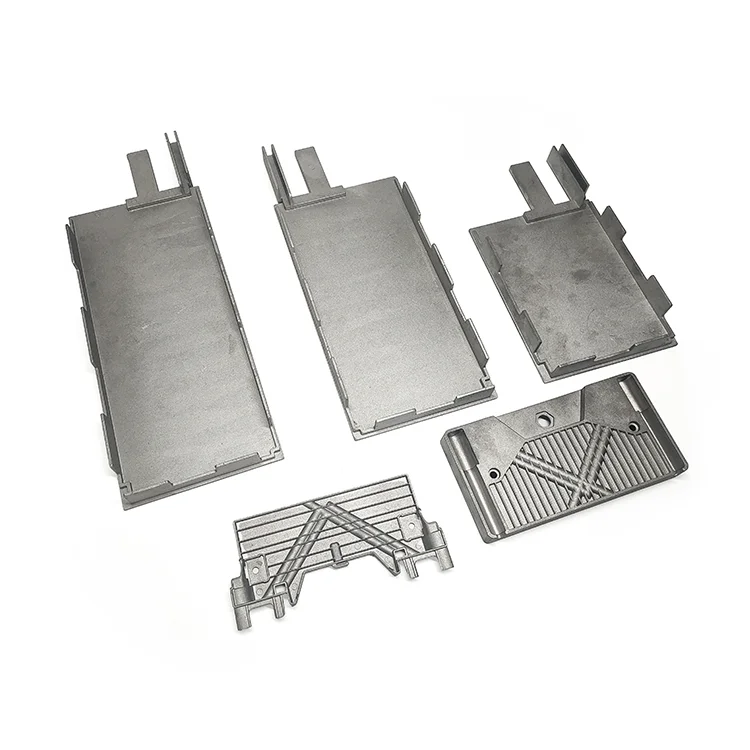
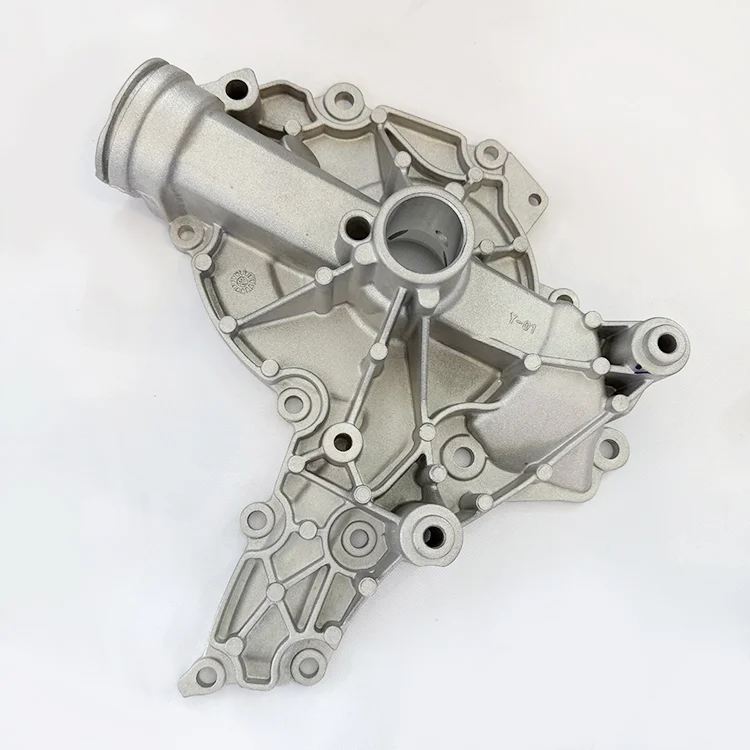
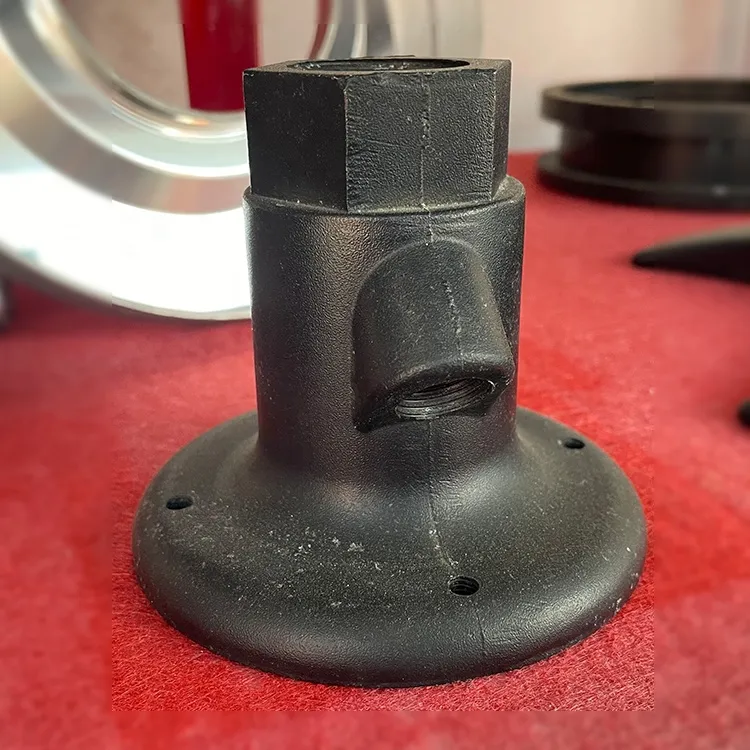
Custom Cast Iron Parts and Aluminum Die Casting with CNC and Five-Axis Machining
Let’s define your requirement
Send a product link, drawing or short brief. We’ll work through the details with you.
- Confirm the specificationGrade or model, size and intended use.
- Define your orderQuantity, finish or configuration, and samples.
- Agree the quotation scopeIncluded work, key checks and delivery needs.
-
Surface FinishPainted , Polished
-
Product nameCustom Casting Parts
-
Materialgrey iron, ductile iron, steel, stainless steel, aluminum, copperApplicationIndustry, automotive, agriculture, aviation, construction, electrical
-
Surface treatmentPainting, oxidation, polishing, electrophoresis, electroplating, etcDimensionsCustomized Sizes
-
ToleranceCT4-CT6Quality ControlISO9001
-
PackingCarton wooden boxProcessCasting, CNC, turning, milling, 5 Axis
-
Drawing format2D(PDF/DXF/DWG)3D(STEP/IGS/PRT)
Custom casting enquiries cover grey iron, ductile iron, steel, stainless steel, aluminum and copper. Aluminum die casting is one process direction, with the actual grade and route agreed for the requested component. Work can include CNC machining, turning, milling and five-axis machining.
Connect the drawing to the manufacturing route
Dimensions are customized to the part requirements. The tolerance reference is CT4-CT6, with its material, route and drawing scope to confirm before it is used for acceptance. Identify which dimensions belong to the casting and which require finished machining for the chosen component. State which surfaces or dimensions need five-axis work so that the machining request remains tied to the component geometry.
- 2D drawing formats
- PDF, DXF and DWG.
- 3D model formats
- STEP, IGS and PRT.
Select the finished surface
Surface directions include painting, oxidation, polishing, electrophoresis and electroplating. Choose the treatment for the actual material and define the condition expected on the finished part. Keep that selection with the drawing and machining scope so the dimensional and surface requirements concern the same component.
Define the application and acceptance
Application directions include industry, automotive, agriculture, aviation, construction and electrical parts. Describe the actual component duty and any requirements specific to its intended use. ISO9001 is a quality-control reference with applicable scope to confirm. Submit the selected alloy, component files and dimensional/surface criteria to define the casting and machining enquiry, including the acceptance needed for that particular part.