
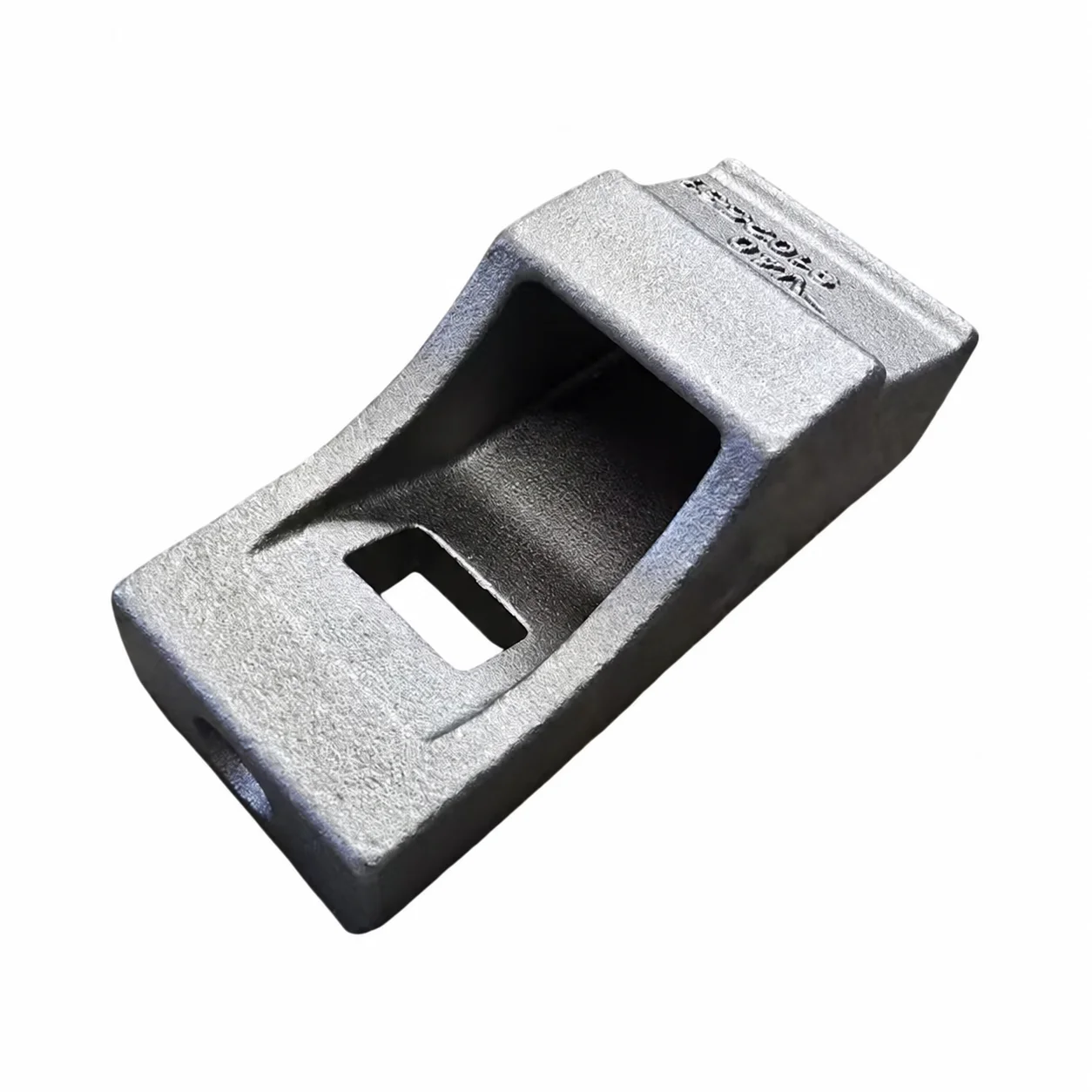
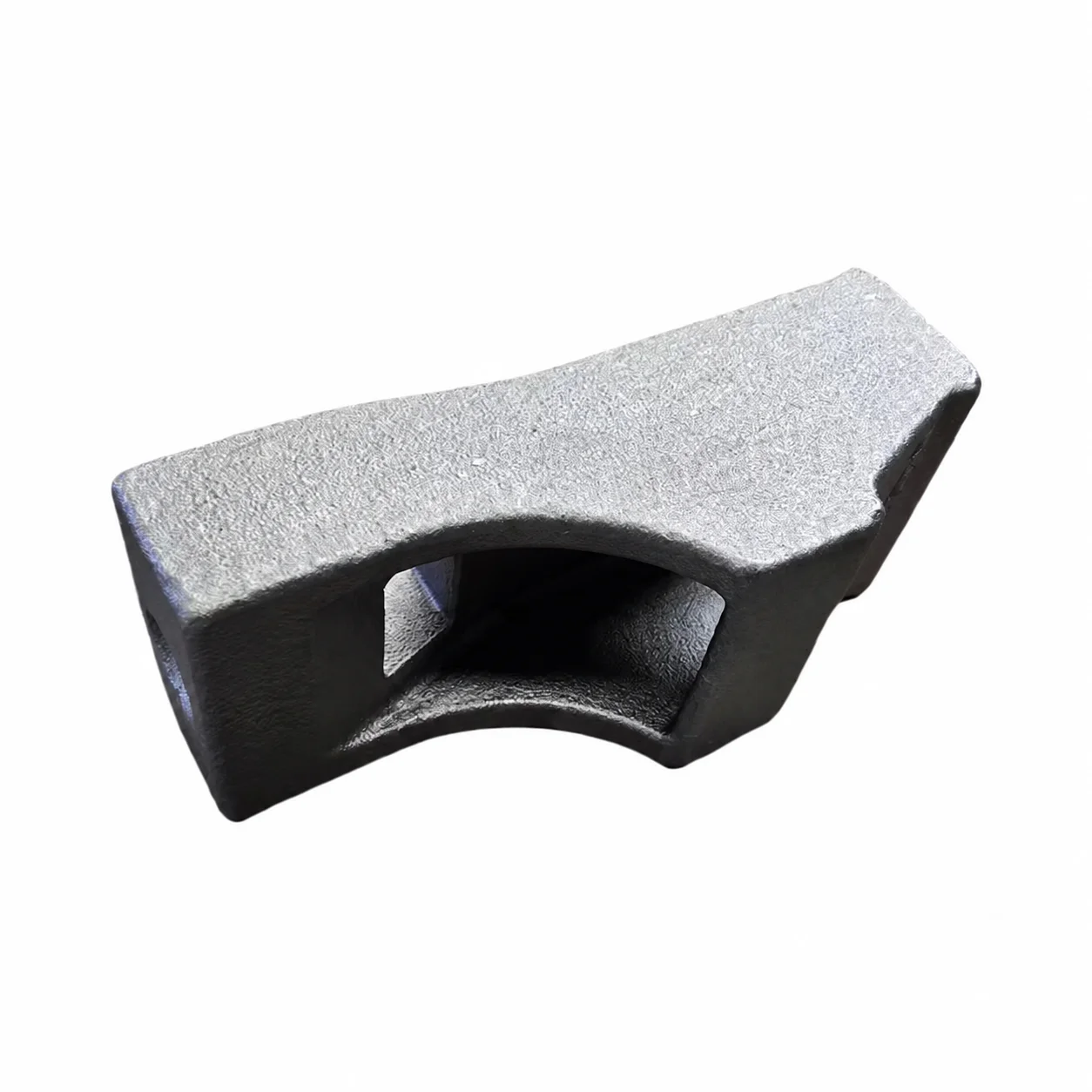
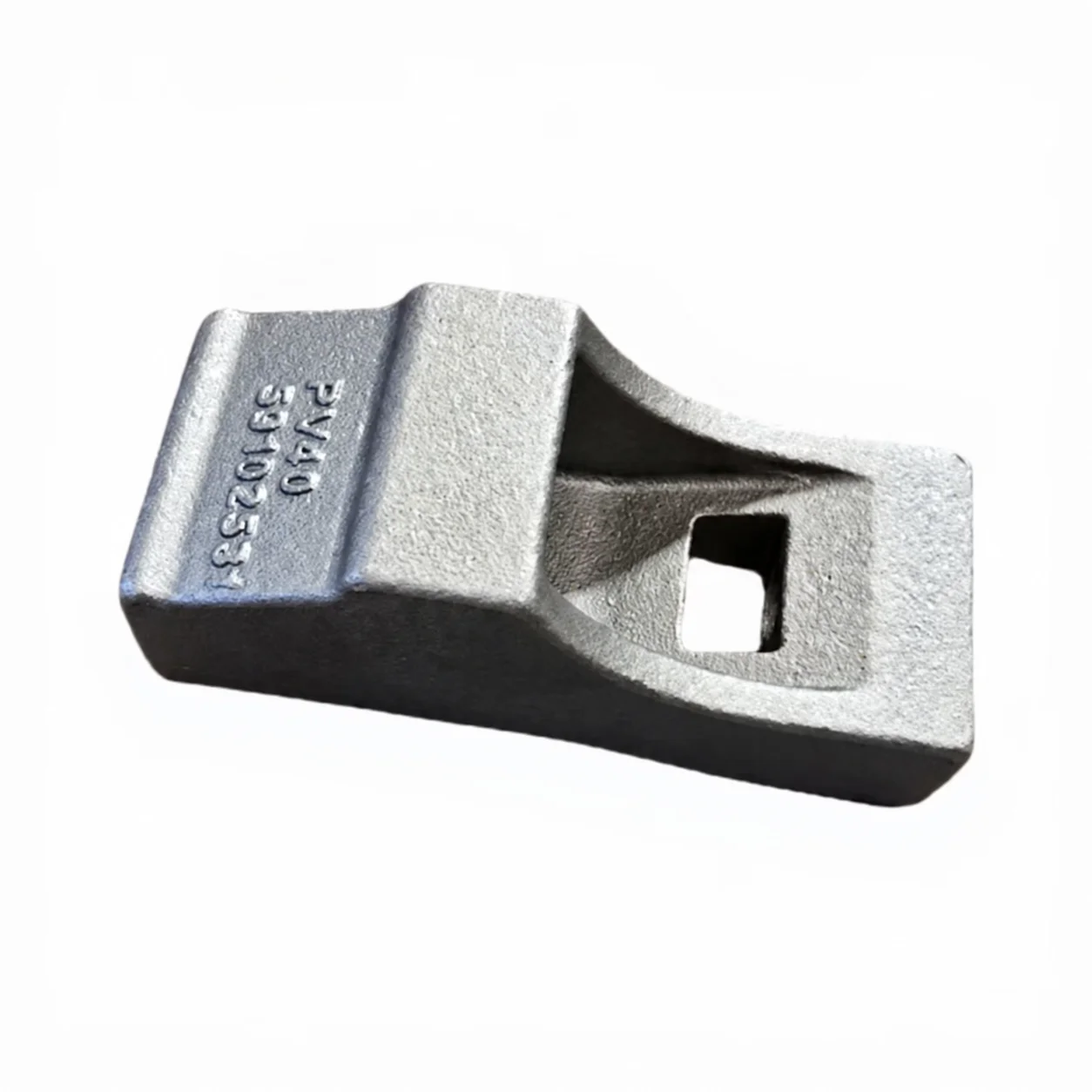
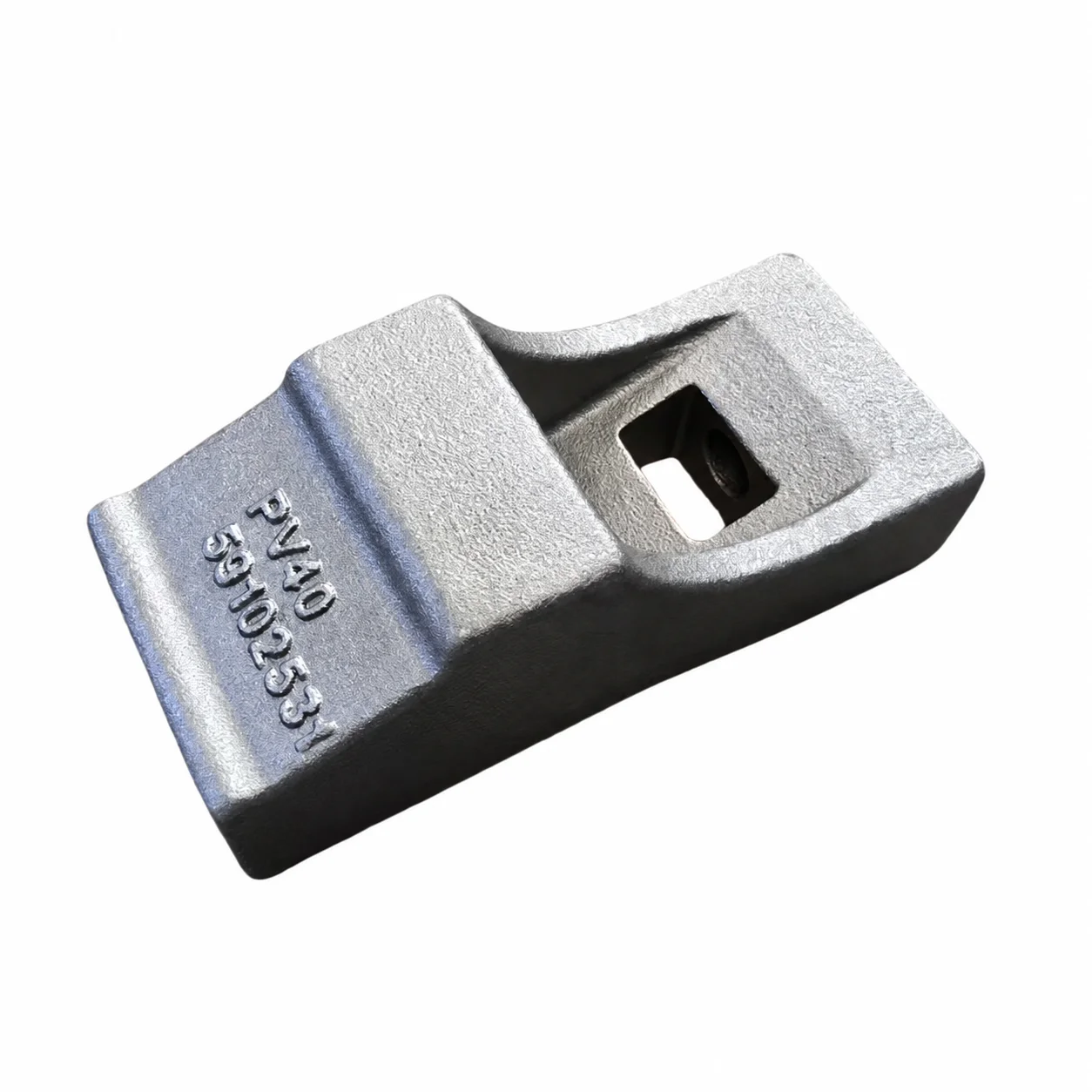
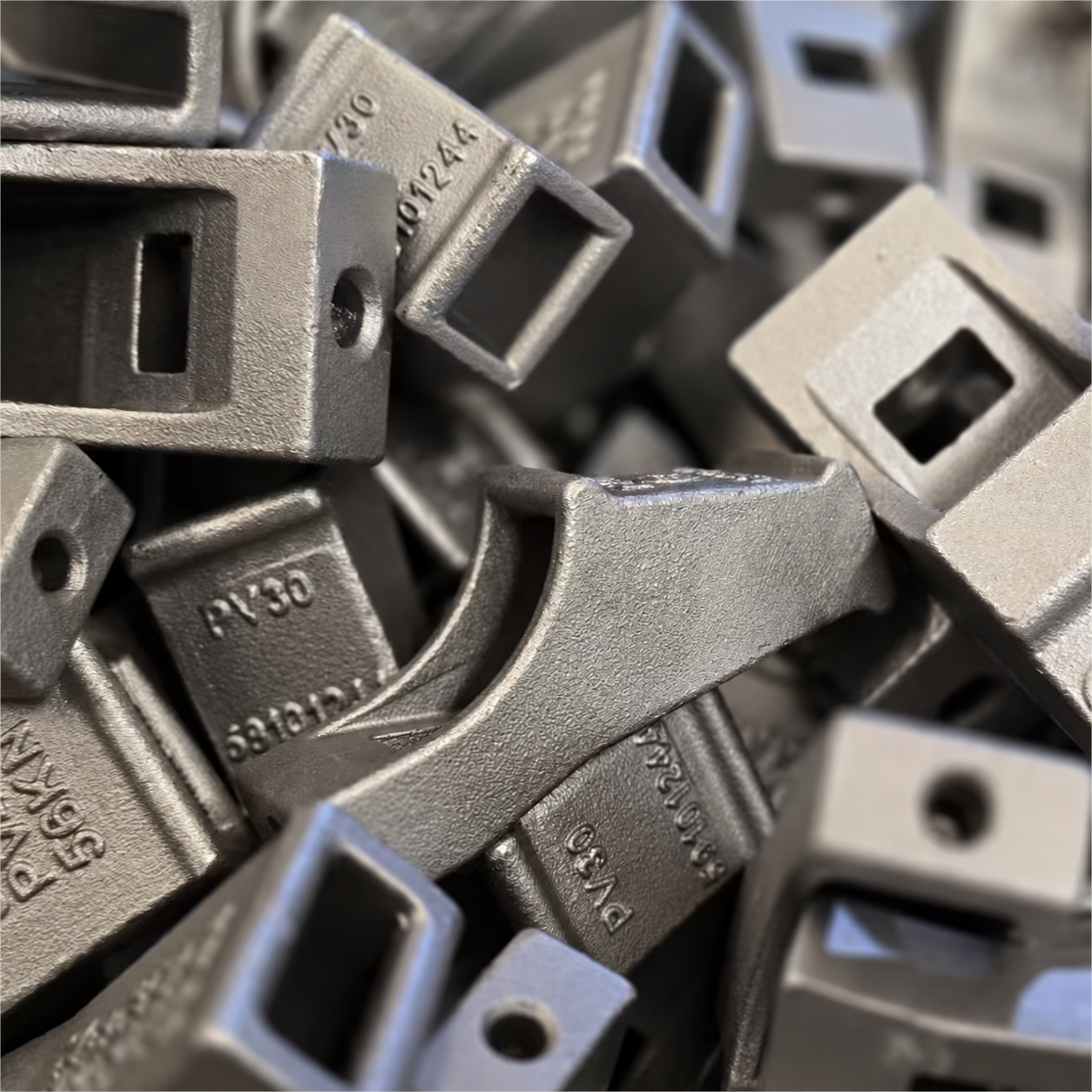
Custom Carbon and Alloy Steel Investment Castings | CT5–CT7 Industrial Machinery Parts
Let’s define your requirement
Send a product link, drawing or short brief. We’ll work through the details with you.
- Confirm the specificationGrade or model, size and intended use.
- Define your orderQuantity, finish or configuration, and samples.
- Agree the quotation scopeIncluded work, key checks and delivery needs.
-
MaterialCarbon Steel Alloy Steel
-
SizeCustomer's Drawing RequiredApplicationMachinery Parts
-
Brand NameReliaProcessInvestment Casting
-
ToleranceCT5-CT7Weight0.01-50kg
-
Quality ControlStrictly 100% Inspection
Custom carbon steel and alloy steel investment castings serve industrial machinery parts made to a customer's drawing. The service combines drawing-based sizing, a CT5–CT7 casting reference and strict 100% inspection, giving a machinery project specific technical points to define before a part is selected.
Carbon steel or alloy steel for the component
Both steel families are available for investment casting. Choose the actual grade around the intended machinery component and its service requirements, then identify that material on the drawing so the casting request describes a defined part rather than a broad steel category.
Drawing dimensions and CT5–CT7
Size follows the customer's drawing, while CT5–CT7 provides the casting tolerance reference. Identify the dimensions and geometric areas that require control, and agree how the applicable CT requirement relates to those areas. A complete drawing should make the required shape and acceptance dimensions clear enough to assess the selected casting.
Inspection tied to the machinery drawing
The steel casting service provides strict 100% inspection. Connect that inspection commitment to the characteristics that matter for the actual component: the agreed material, drawing dimensions and casting condition. Define the acceptance criteria alongside those characteristics so that inspection and the original machinery requirement use the same basis.
A useful enquiry therefore identifies the machinery part, steel grade, drawing geometry and applicable CT requirements together. That combination supports a focused discussion of the proposed investment casting and the inspection scope needed to accept it.








