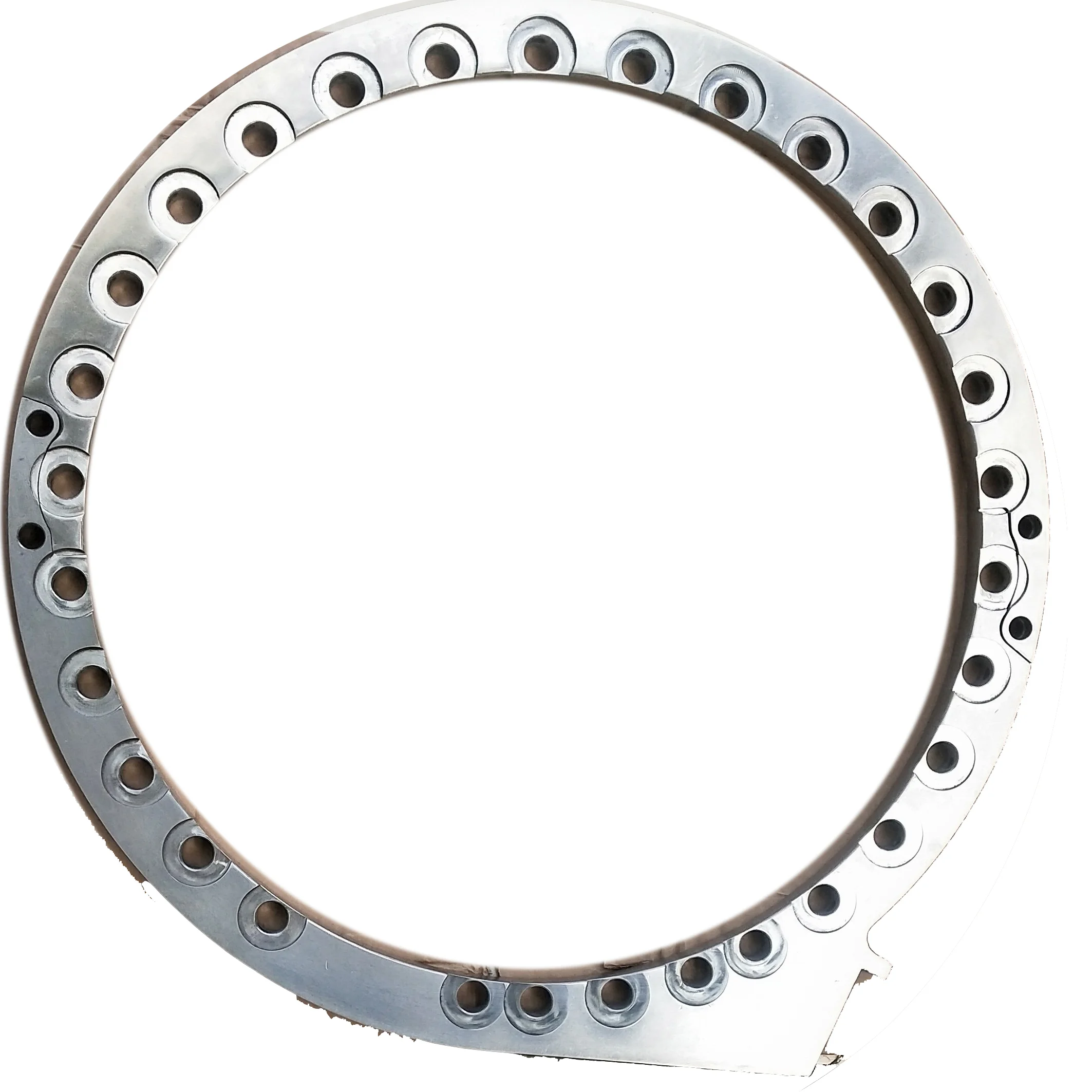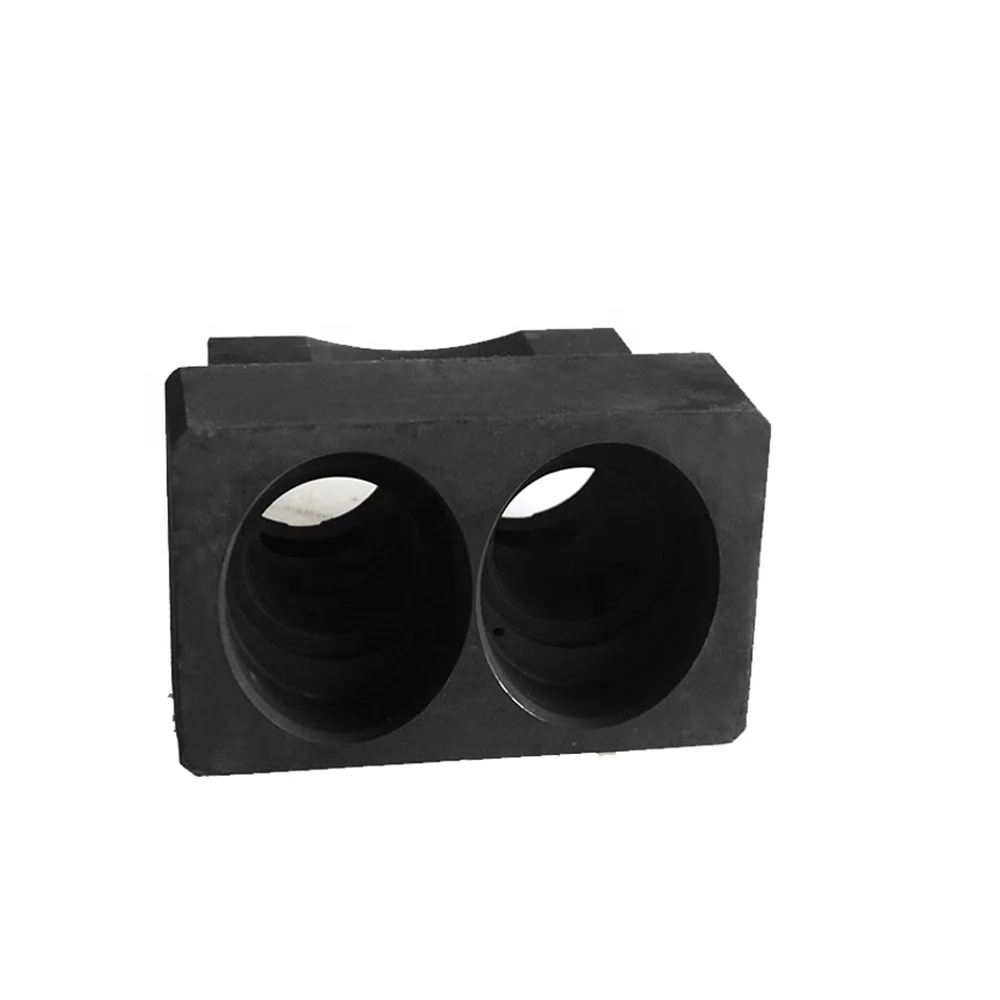
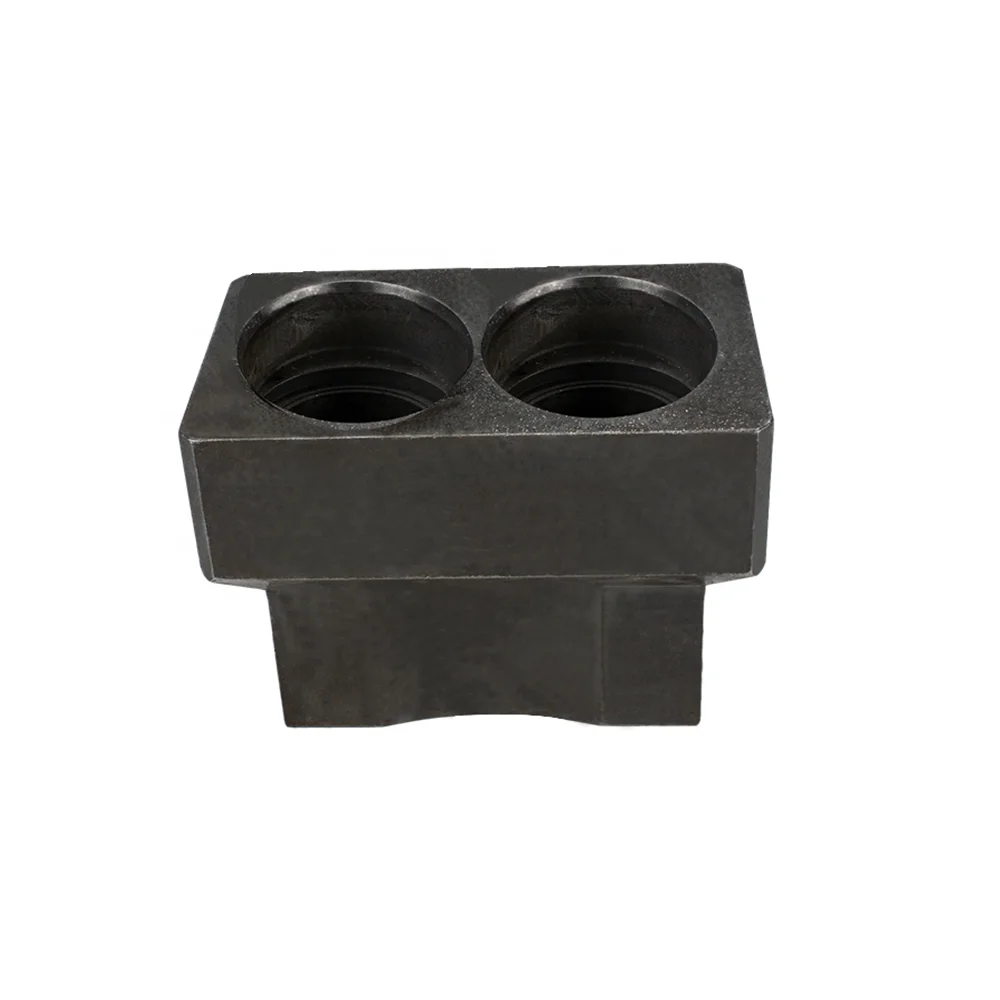
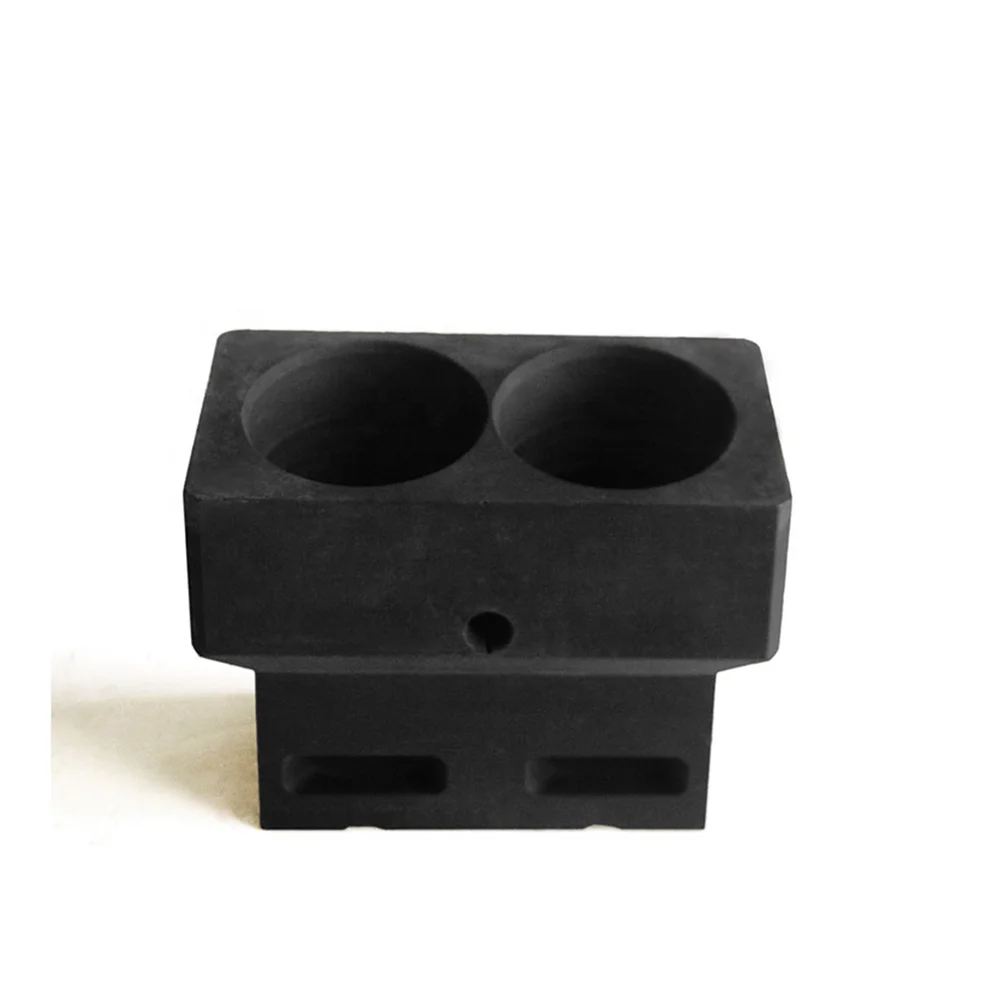
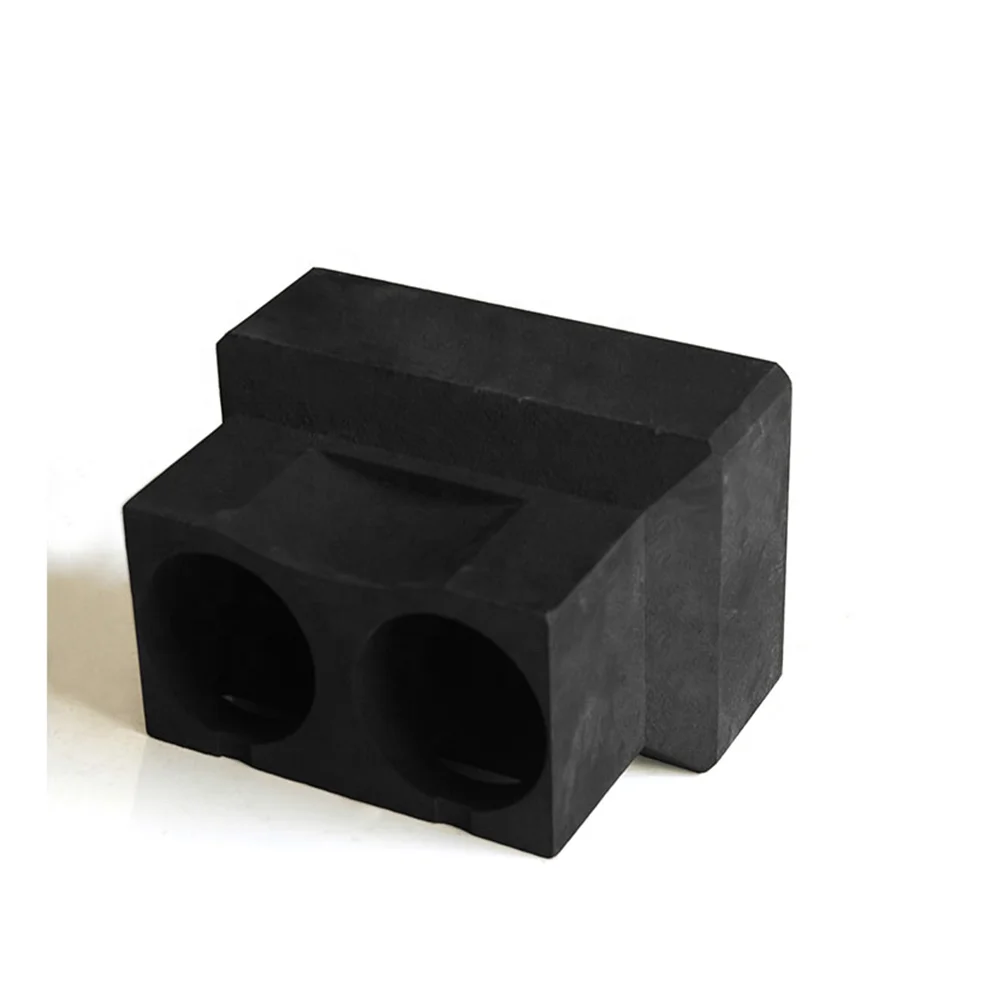
Custom Black Iron and Steel Lost Wax Investment Castings
Let’s define your requirement
Send a product link, drawing or short brief. We’ll work through the details with you.
- Confirm the specificationGrade or model, size and intended use.
- Define your orderQuantity, finish or configuration, and samples.
- Agree the quotation scopeIncluded work, key checks and delivery needs.
-
Surface FinishPainted , Machined
-
ProcessWax Lost Casting, Investment Casting
-
Raw materialIron, Steel, Gray Iron,Nodular Cast IronCertificationApprovals ISO9001, TUV-PED,BV For Casting
-
SurfaceMachining Or Spay Painting For CastingHeat treatmentAnnealing, Normalizing, Quenching, Tempering
-
ApplicationCasting PartsColorBlack
-
ShapeCustomLead TimeAbout 30 Days
Custom-shape lost wax investment castings cover iron, steel, gray iron and nodular cast iron choices. Black appearance and machining or spray-paint finishing routes support the selected component, with heat treatment chosen for its actual material and service requirements.
Set the material and heat-treatment condition
Choose the exact grade within the iron and steel material scope, then identify the condition required for the part. Annealing, normalizing, quenching and tempering are available treatment choices. Agree the appropriate route for the selected material and geometry, including the final characteristics that the component must meet in its intended duty.
Define the black finished shape
Custom shape gives the enquiry its component-specific geometry. Identify the dimensions and interfaces requiring machining, or agree the spray-painted result for the chosen surfaces. Specify the black appearance and finished acceptance alongside the geometry, particularly where a visible or painted area also performs a functional role in the part.
Match casting approvals to their objects
ISO9001 quality-system and TÜV-PED/BV casting-approval scope can be reviewed against project requirements. Identify the relevant material and manufacturing scope in the applicable certificates, then connect that evidence to the component being considered. If the actual use requires pressure or another specific end-use acceptance, define those requirements for the part itself and agree the corresponding inspection and records. The final review should bring the selected grade, treatment condition, geometry and finishing criteria together with that project acceptance, so the custom casting is assessed on the requirements that apply to its actual use.