
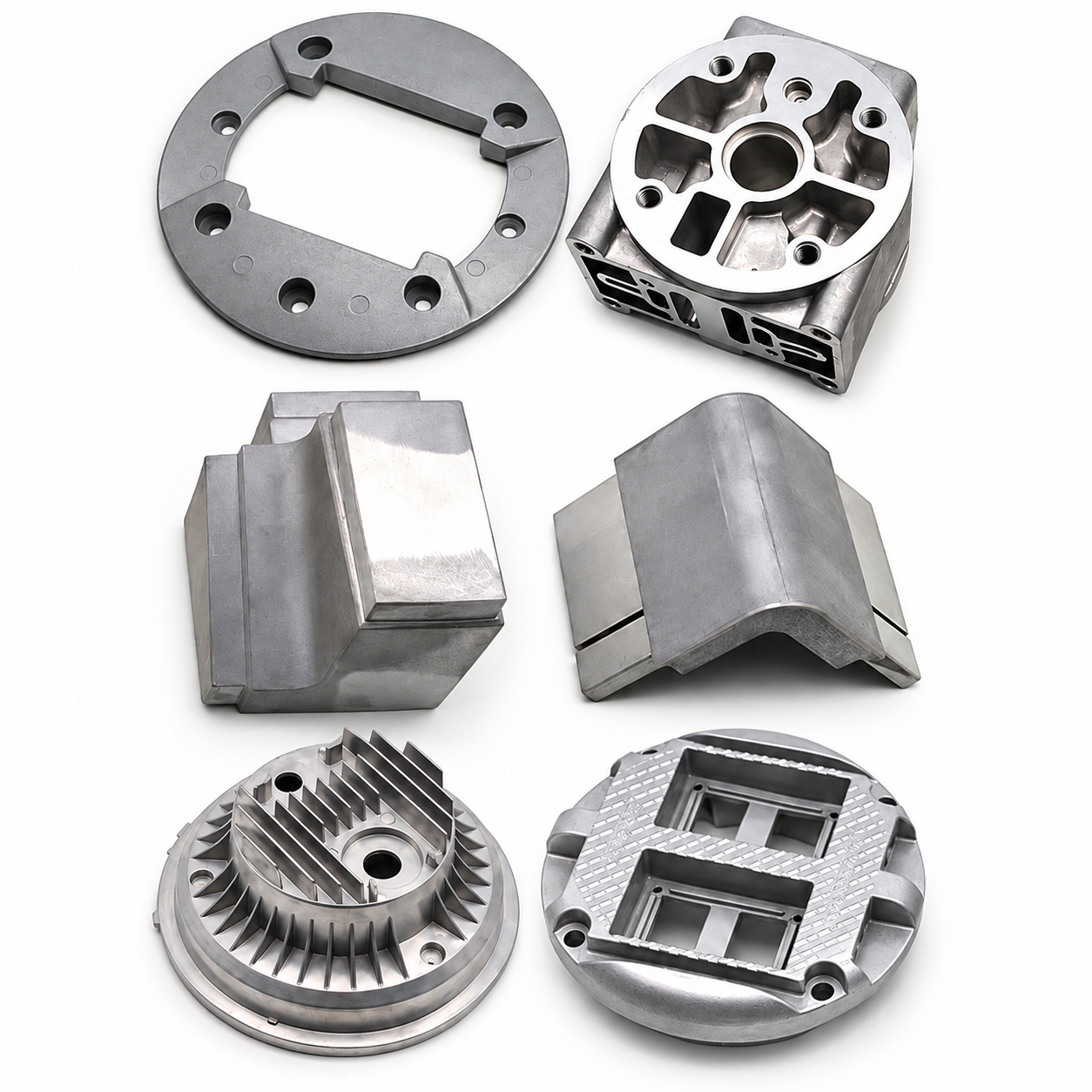
Custom Aluminum or Zinc Alloy Die Cast Housing Parts with Drilling and Threading
Let’s define your requirement
Send a product link, drawing or short brief. We’ll work through the details with you.
- Confirm the specificationGrade or model, size and intended use.
- Define your orderQuantity, finish or configuration, and samples.
- Agree the quotation scopeIncluded work, key checks and delivery needs.
-
Component FormHousing / Enclosure
-
Product nameDie Casting Part
-
ProcessCasting. Deburring .Drilling .threadingCertificationISO9001
-
ServiceCustomized OEMSizeCustomer's 3D Drawing
-
Surface treatmentCustomers' DemandToleranceCustomer's Drawing Request
-
StandardClient SpecificationColorCustomized Color
-
Quality ControlStrictly 100% Inspection
A housing needs a useful relationship between its cast shape and its finished connections. This custom OEM service covers aluminum or zinc alloy housing-part requests with casting, deburring, drilling and threading, using the customer's 3D drawing to define the component.
Begin with the housing's assembly interfaces
The housing size and dimensional requirements follow the customer's drawing and client specification. Show how the part fits into its intended assembly and identify the surfaces that establish its position. This makes the housing request more precise than an overall size alone, particularly when several drilled or threaded connections must relate to one another.
Plan the transition from casting to finished holes
Deburring, drilling and threading can be addressed alongside the casting work. Distinguish openings formed by the casting from holes or threads requiring a later operation, then define their finished geometry. The selected aluminum or zinc alloy and the pressure or gravity casting route should be agreed for the actual housing before those operations are finalized.
- Drilled connections
- Identify the location, finished size and relationship to the housing's reference surfaces.
- Threaded connections
- Specify the thread definition and the interfaces with which it must engage.
Make surface treatment part of the fit discussion
Surface treatment and color are customized to customer demand. Define appearance requirements separately from the dimensions that control assembly, while identifying any surfaces where both matter. This allows the selected treatment to be considered with the finished connections rather than left as an unrelated cosmetic decision.
Check the completed housing against its purpose
One hundred percent inspection is offered, with acceptance tied to the client specification. Agree the important dimensional and surface checks and confirm the intended operating duty for the assembly. A housing made to the right drawing still needs an agreed application context when its fit and final acceptance are reviewed.








