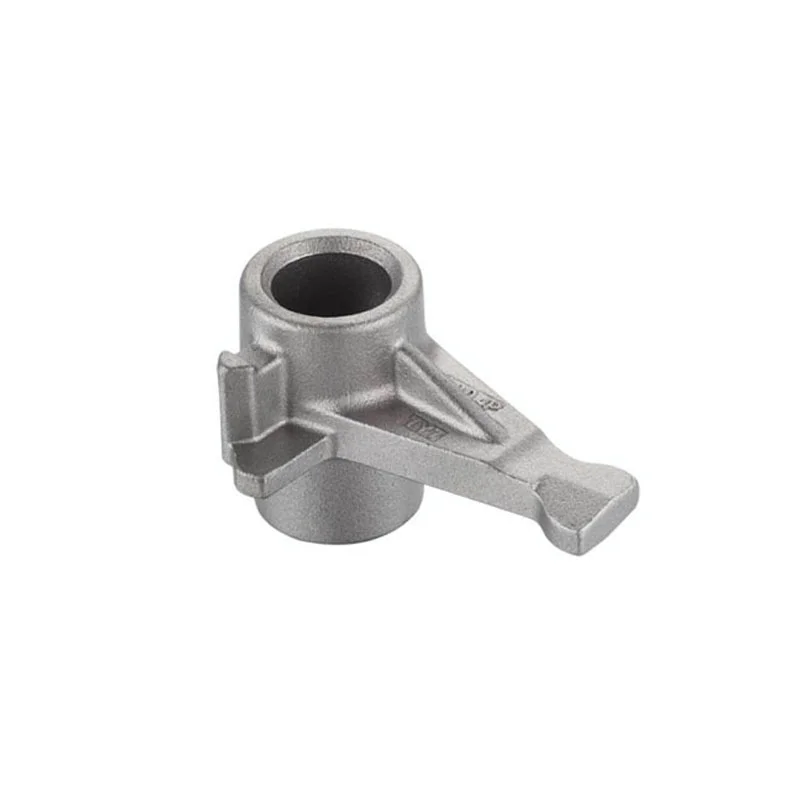
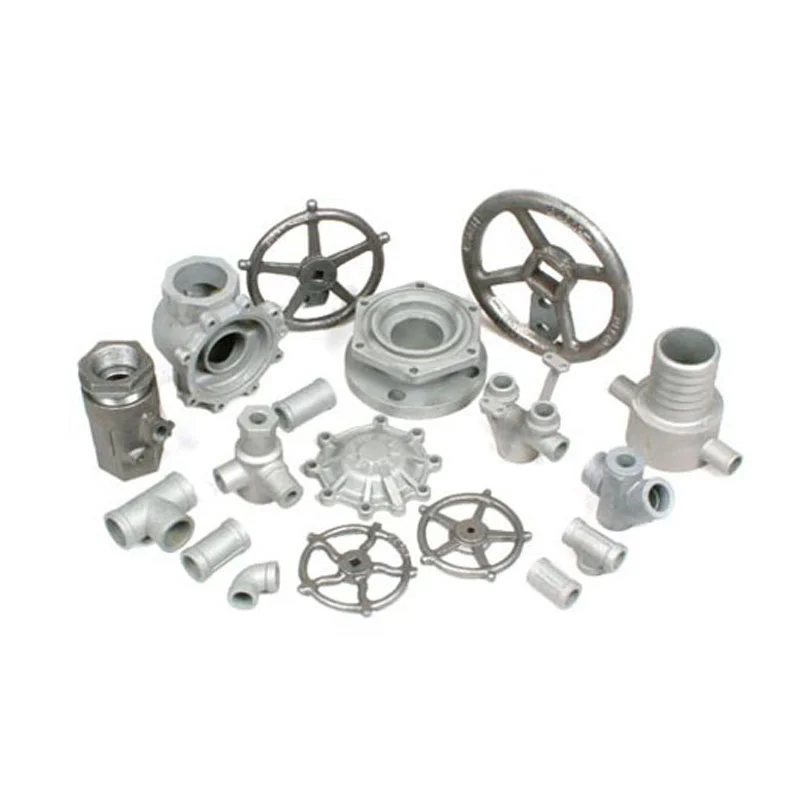
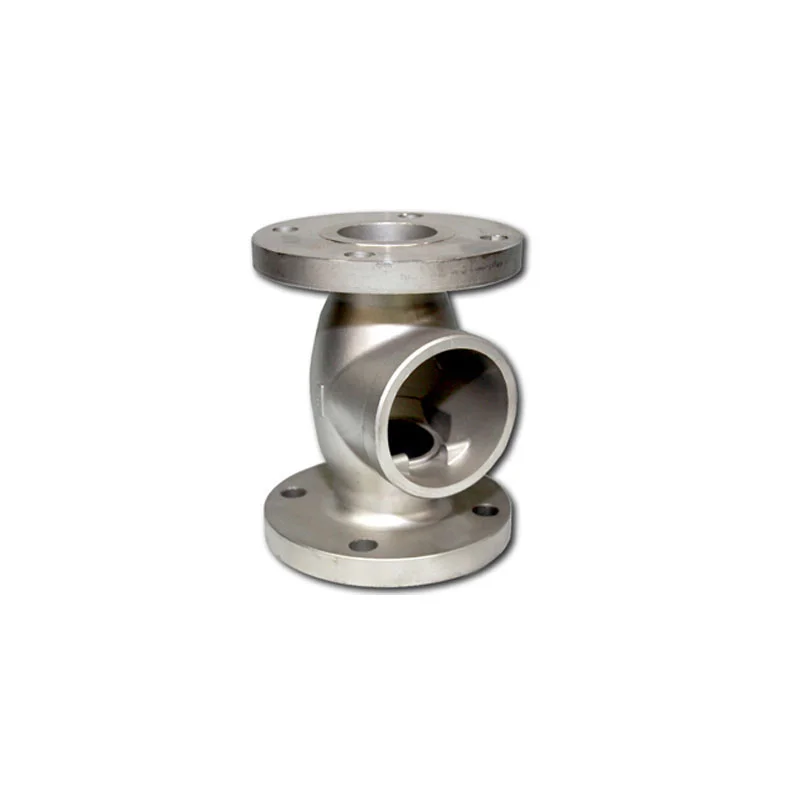
Custom Aluminum Iron Steel Lost Wax Investment Casting | Sand Casting, Machining, Welding and Forging
Let’s define your requirement
Send a product link, drawing or short brief. We’ll work through the details with you.
- Confirm the specificationGrade or model, size and intended use.
- Define your orderQuantity, finish or configuration, and samples.
- Agree the quotation scopeIncluded work, key checks and delivery needs.
-
Surface FinishSandblasted , Polished
-
MaterialStainless Steel,Steel,Brass,Copper,Aluminum,Iron,Plastic
-
TechnologyInvestment Casting,Sand Casting,Machining,Welding,ForgingMachiningBroaching,DRILLING,Milling,Turning,Tapping,Wire
-
ProcessMolds,Casting,Deburring,Machining,Surface Treatment,PackingWeightAvailable from 0.01 Kg-10T
-
StandardISO,GB,DIN,JIS,ANSI,BSW,ASTM,ASME,BS,API,ENCasting ToleranceCT4-CT8
-
Machining Tolerance+/-0.02mmSurface TreatmentPolishing, Passivating, Sandblasting, Zinc plating, Oxide black
-
CertificationIS09001: 2015,TUV
Custom aluminum, iron and steel part enquiries include lost-wax investment casting, with stainless steel, brass and copper as further metals. Plastic is an additional material request requiring the actual object and manufacturing scope to be confirmed. Define the component, grade and drawing before agreeing its selected operations.
Foundry and machining requirements
Investment casting, sand casting, machining, welding and forging are technology directions. Mold, casting, deburring, machining and surface-treatment work is offered. Machining directions include broaching, drilling, milling, turning, tapping and Wire. Clarify the required Wire operation and identify the working details covered by each selected process.
Dimensional and surface acceptance
Casting tolerance is referenced at CT4–CT8, while machining tolerance is +/-0.02mm. Agree the covered dimensions and manufacturing stage for each requirement. Polishing, passivating, sand blasting, zinc plating and black oxide are surface directions. Select the treatment for the actual material and define the accepted surfaces and appearance.
Governing documents for the component
Standard references include ISO, GB, DIN, JIS, ANSI, BSW, ASTM, ASME, BS, API and EN. IS09001:2015 and TUV are document references with their identity and applicable scope to confirm. Bring the selected grade, component drawing, working conditions and manufacturing operations together with the dimensional, surface and inspection criteria for the foundry enquiry.