Custom Aluminum Die Casting Ship Parts and Precision Marine Hardware for Boat and Yacht Deck Fittings, OEM/ODM Service
Let’s define your requirement
Send a product link, drawing or short brief. We’ll work through the details with you.
- Confirm the specificationGrade or model, size and intended use.
- Define your orderQuantity, finish or configuration, and samples.
- Agree the quotation scopeIncluded work, key checks and delivery needs.
-
Component FormFitting / Joint
-
SizeCustomized
-
Surface TreatmentCustomizedMaterialsAluminum
-
ApplicationIndustryProcessCasting +Machining(if Need)+surface Treatment
-
ServiceOEM ODM CustomizedColorCustomized Colors
-
DimensionsCustmer's DrawingsTolerance0.01-0.05mm
-
Drawing Format2D/(PDF/CAD/DWG/DXF)3D(IGES/STEP/VDA)PackingPoly Bag + Inner Box + Carton
-
TypeAluninum Die CastingMOQ1000 Pcs
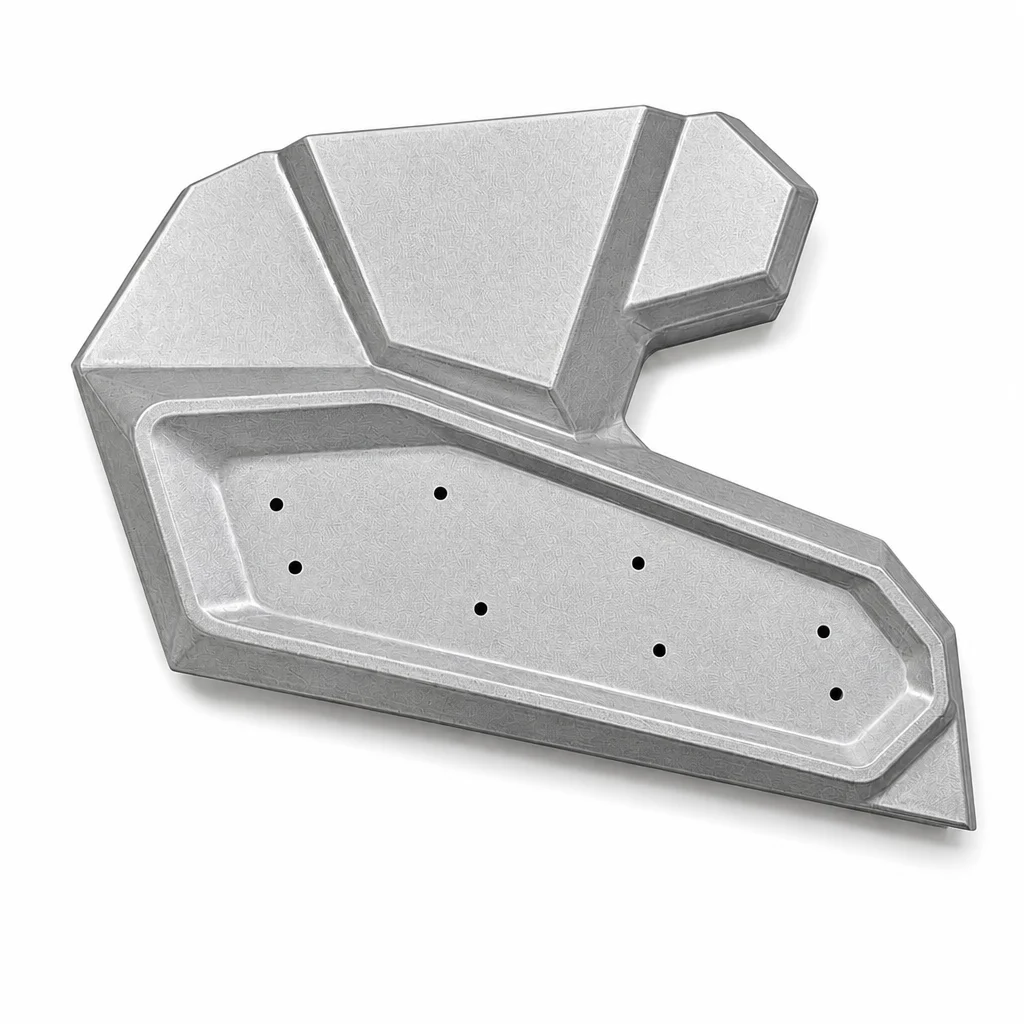
Define an aluminum deck-fitting component around the boat or yacht where it will be used. This OEM/ODM service covers custom ship parts and marine hardware through die casting, with size, color and surface treatment selected for the requested component.
Form the deck fitting around its mounting points
The mounting interfaces and overall shape should guide the hardware enquiry. Identify the connection dimensions and the position of the component within the intended deck arrangement. A part-specific definition keeps the discussion focused on the actual vessel installation, including the exposure and loading requirements that the design must address.
Specify aluminum, color and treatment together
Aluminum is the material family for this marine hardware. The grade, surface treatment and requested color should be selected together for the part's intended service. Custom finishing allows those choices to form one manufacturing brief, while the actual exposure requirements and surface acceptance remain tied to the component and its installation.
Reserve machining for the fitting interfaces
The process combines casting, machining when needed and surface treatment. Identify the features for which additional machining is required and define their relationship to the cast geometry. The tolerance range is 0.01–0.05 mm; agree its application to the requested features and the checks that will establish acceptance for the finished fitting.
Move from vessel geometry to a production enquiry
PDF, CAD, DWG and DXF support 2D drawing inputs, while IGES, STEP and VDA support 3D geometry. Use the appropriate files to keep the deck-fitting dimensions, interfaces and finish areas connected. The minimum order is 1,000 pieces, making quantity part of the custom production discussion alongside the agreed hardware design.