
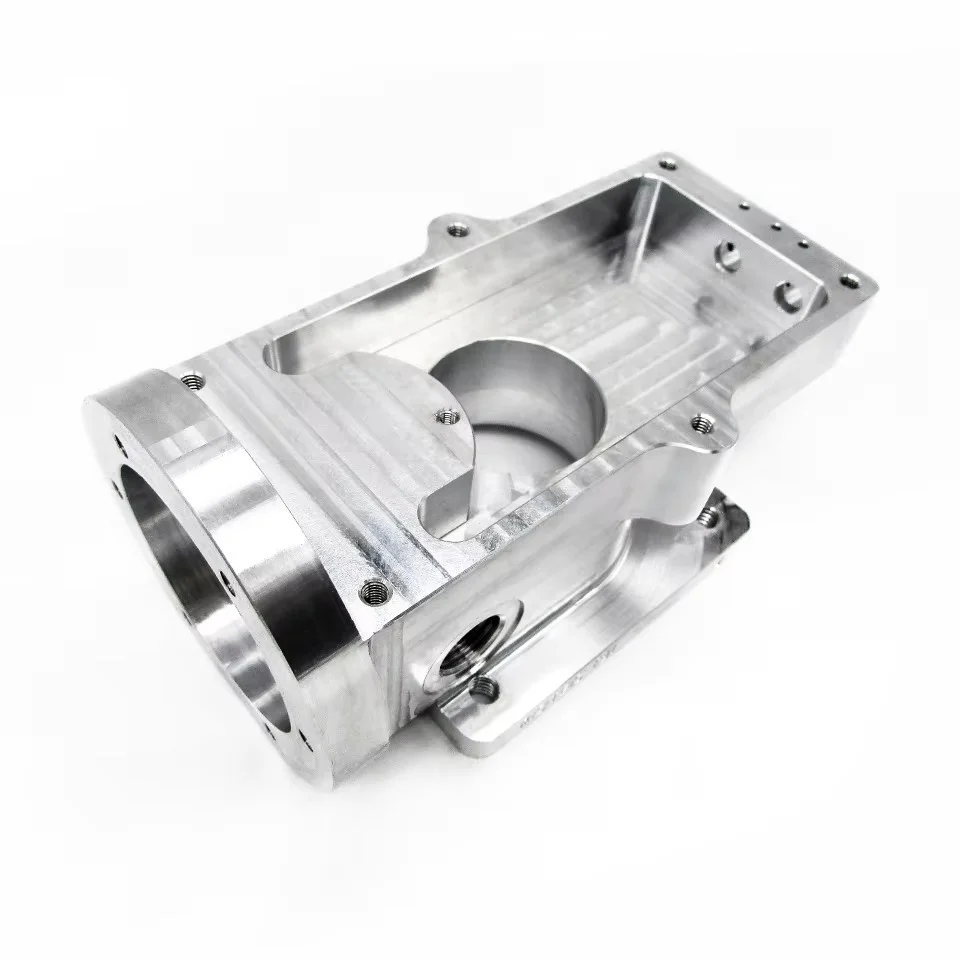
Custom A360 A380 ADC12 Aluminum Die Gravity and Sand Castings
Let’s define your requirement
Send a product link, drawing or short brief. We’ll work through the details with you.
- Confirm the specificationGrade or model, size and intended use.
- Define your orderQuantity, finish or configuration, and samples.
- Agree the quotation scopeIncluded work, key checks and delivery needs.
-
Surface FinishPolished , Machined
-
Product nameCustom Casting Parts
-
Materialaluminum alloy, stainless steel, brass, copper, titanium, iron etc.Surface treatmentHeat Treatment, Polishing, Plating, Machining, Anodizing etc.
-
Size / ShapeCustomized Size\Client's DrawingsApplicationRobotics, aerospace, automotive, industrial machinery etc.
-
Tolerance+/-1umProcessCnc lathe, stamping, hobbing, forging etc.
-
SampleAccept Sample OrdersColorBlack, silver, gold, blue, red, white, yellow etc.
-
MOQ1 PCS
Custom aluminum casting enquiries include A360, A380 and ADC12 with die, gravity or sand casting routes selected for the part. Size and shape follow client drawings. Broader material enquiries also cover stainless steel, brass, copper, titanium and iron, with the relevant grade and manufacturing scope defined separately for the component.
Choose the aluminum grade and forming route
Identify the required alloy designation and show the geometry needed in the assembly. Confirm the suitable casting process for that grade and design. A defined drawing connects the material choice with the component's dimensions and use, giving the aluminum casting discussion a clear part specification.
Coordinate secondary shaping and treatment
Process choices include CNC lathe work, stamping, hobbing and forging. Heat treatment, polishing, plating, machining and anodizing can be selected for the relevant material and stage. Mark the areas needing each operation and describe the required final condition so secondary work remains connected to the component geometry and acceptance criteria.
State the controlled precision requirement
The tolerance reference is ±1 μm, with the actual feature, production stage and measurement basis to be confirmed. Identify the dimensions governing fit and explain how final acceptance should be evaluated. This ties the precision discussion to the component and the condition in which its dimensions are required.
Define color and application requirements
Available color enquiries cover black, silver, gold, blue, red, white and yellow. Application contexts include robotics, aerospace, automotive and industrial machinery. Specify the intended function, operating requirements and appearance acceptance alongside the drawing. These details connect grade, forming route, secondary processes and final color with the component's individual application.








