
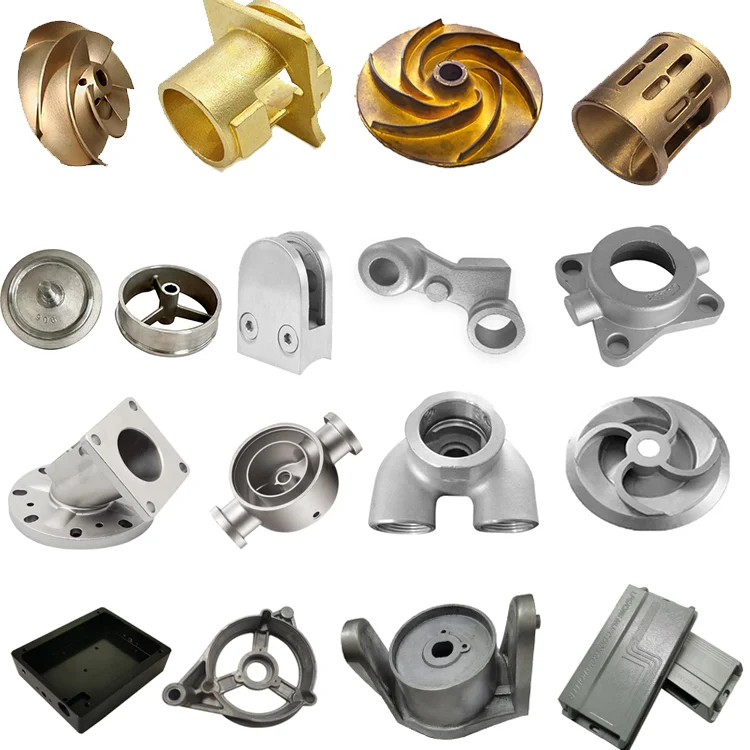
Custom 304 and 316L Stainless Steel Precision Lost Wax Investment Casting with CNC Machining
Let’s define your requirement
Send a product link, drawing or short brief. We’ll work through the details with you.
- Confirm the specificationGrade or model, size and intended use.
- Define your orderQuantity, finish or configuration, and samples.
- Agree the quotation scopeIncluded work, key checks and delivery needs.
-
SizeCustmer's Drawings
-
Surface TreatmentCustomers't RequirementMaterialsstainless steel
-
NameInvestment Casting Parts Lost Wax Casting ServiceMaterialStainless steel
-
Surface treatmentNo cape burr sand holecourseCasting + CNC machining + surface treatment
-
Quality Control100% InspectionTolerance0.2mm
-
Machining ProcessLost Wax+CNC MechiningpackageAccording to the specific requirements of customers
-
DimensionsCustmer's DrawingsSurfaceCustomers't Requirement
Custom 304 and 316L stainless steel parts combine lost-wax investment casting with CNC machining and surface treatment. Customer drawings determine component size and geometry, while the required surfaces are defined for the project. The tolerance reference is 0.2 mm, with dimensional and surface acceptance established for the selected part.
Give each grade a component definition
Select 304 or 316L together with the governing material standard and required drawing revision. The component geometry should distinguish general cast surfaces from areas requiring CNC work. This gives the manufacturing enquiry a clear shape and material to review. Interfaces needing particular dimensional control can be identified within that definition.
Place the 0.2 mm reference on the drawing
Agree the sign convention, controlled dimensions and manufacturing stage for the tolerance requirement. Identify how those dimensions will be accepted after the selected operations. The drawing can then relate the casting and CNC work to the expected finished geometry. Keeping the reference tied to actual dimensions makes the precision enquiry more useful.
Define surface freedom and inspection criteria
Freedom from burrs and visible sand holes forms part of the surface-acceptance discussion. Establish the criteria and relevant faces for assessing those conditions, together with any customer-requested treatment. Inspection coverage for the stainless cast components is 100%, with actual methods agreed for the ordered dimensions and finish. The selected grade, geometry, CNC areas and surface definition together provide a practical basis for evaluating the finished custom part.








