
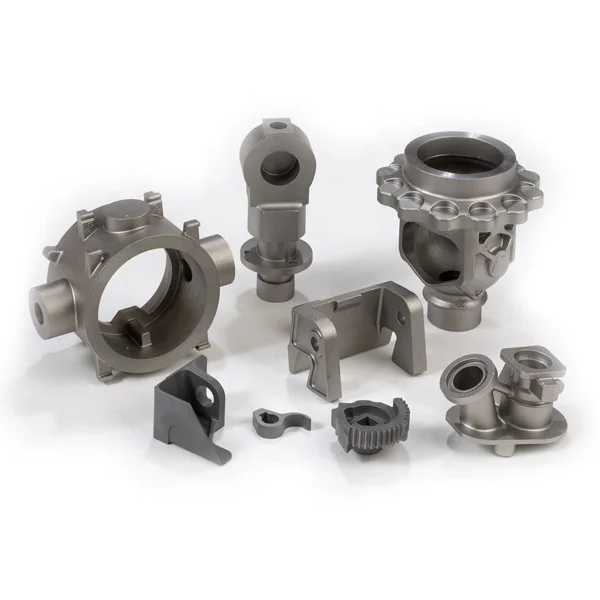
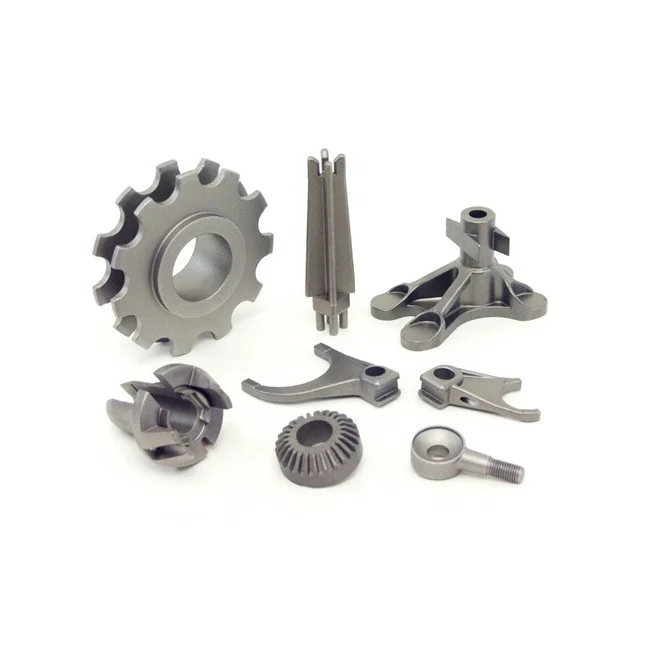
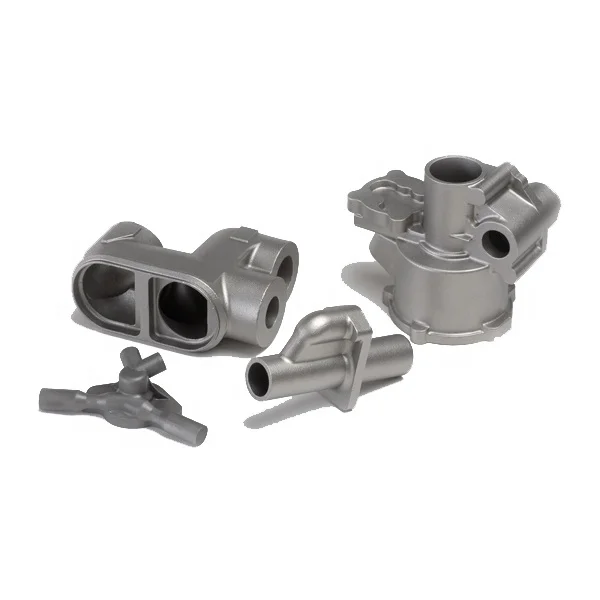
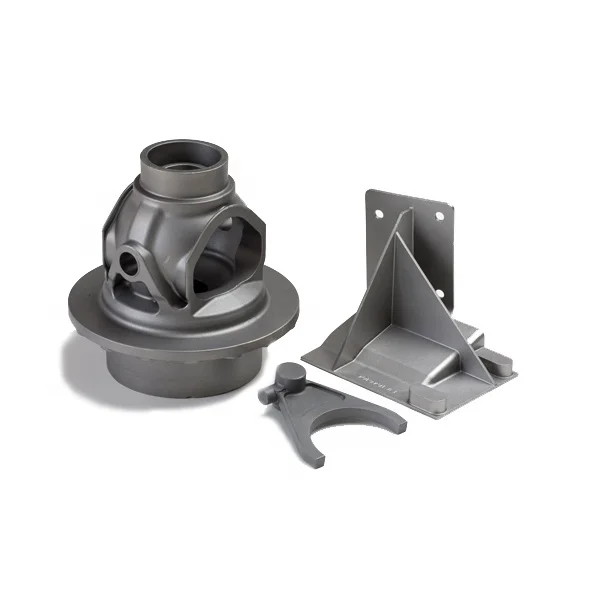
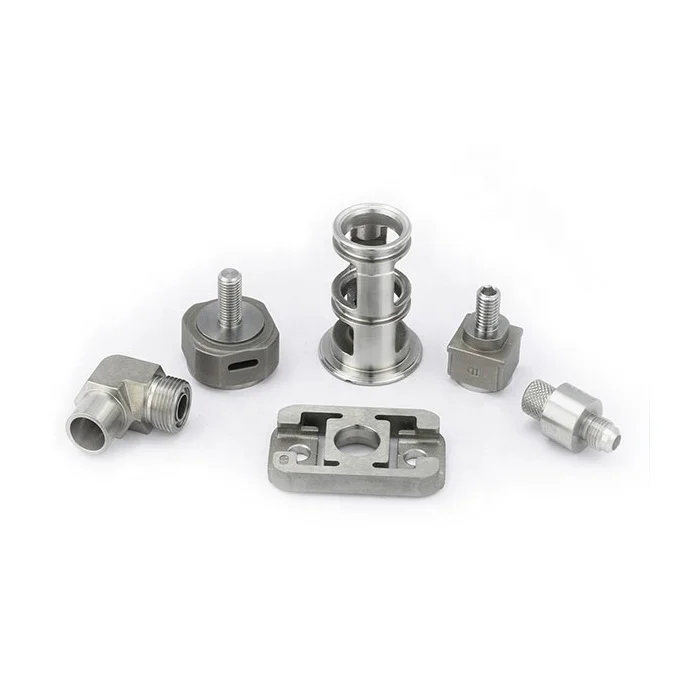
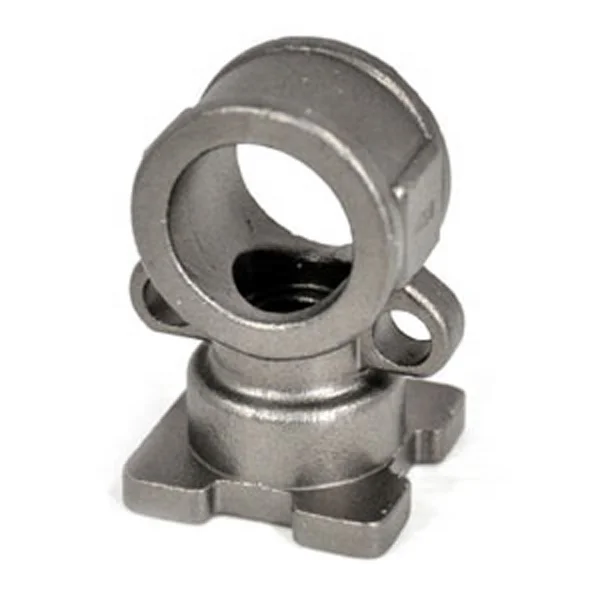
Custom 304/316 Stainless Steel Lost Wax Investment Castings, Sand Blasting and CNC Finishing
Let’s define your requirement
Send a product link, drawing or short brief. We’ll work through the details with you.
- Confirm the specificationGrade or model, size and intended use.
- Define your orderQuantity, finish or configuration, and samples.
- Agree the quotation scopeIncluded work, key checks and delivery needs.
-
Surface FinishSandblasted
-
ProcessInvestment Casting+machining+polishing
-
StandardClient SpecificationMaterialStainless Steel
-
Casting ToleranceCT5-7Machining ProcessCNC Finishing Process
-
Surface treatmentSand blastingQuality ControlProfessional Inspection
-
Drawing FormatPDF. IGS. STP.Delivery time45 days for samples
Custom 304/316 stainless steel parts are made through lost wax investment casting with machining and polishing. CNC finishing and sand blasting are available processing directions, with professional inspection against the client's specification. Select the stainless grade and finished-part requirements around the actual component drawing.
CT5–7 casting and CNC finishing
The casting tolerance class is CT5–7. Identify the cast features controlled by that class and the surfaces requiring CNC finishing in the client specification. Keep the casting requirements distinct from any dimensions to be achieved through machining, with their acceptance defined on the drawing for the actual part.
Sand blasting and polished areas
Sand blasting is an available surface treatment, while polishing is also part of the processing offer. Allocate those treatments to the relevant areas and state the required final surface condition. The chosen stainless grade, component geometry and client requirements provide the basis for agreeing which finish is appropriate on each surface.
Drawing inputs and professional inspection
PDF, IGS and STP are the supported drawing formats. Use the drawing to communicate dimensions, material selection and surface requirements together with the client's acceptance specification. Professional inspection can then be scoped against the casting, CNC-finished features and treated surfaces. Agree the required inspection content and records so acceptance follows the actual component definition, with the selected 304 or 316 grade kept explicit throughout the order.








