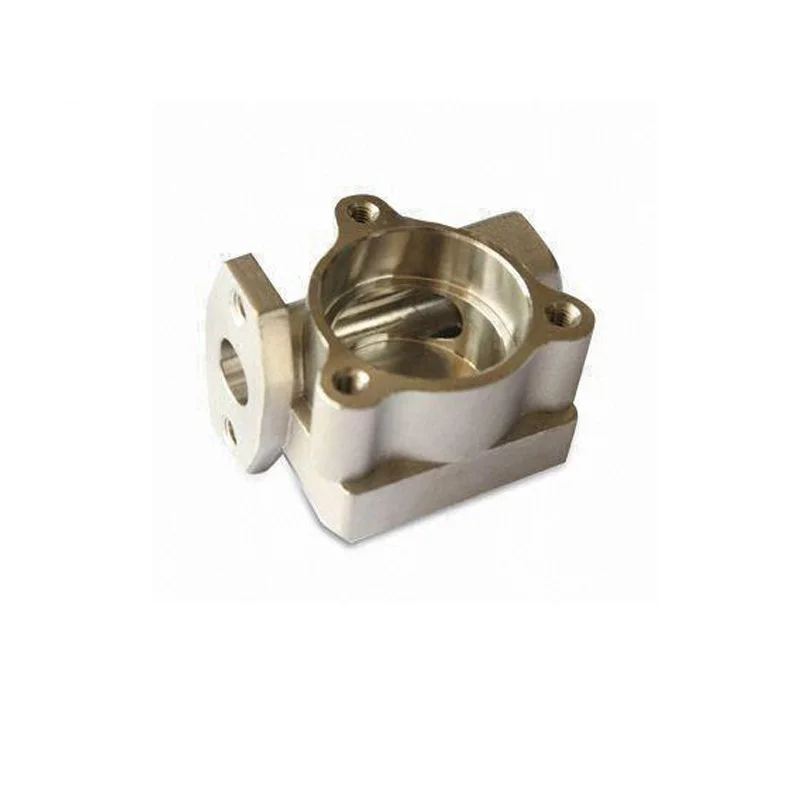
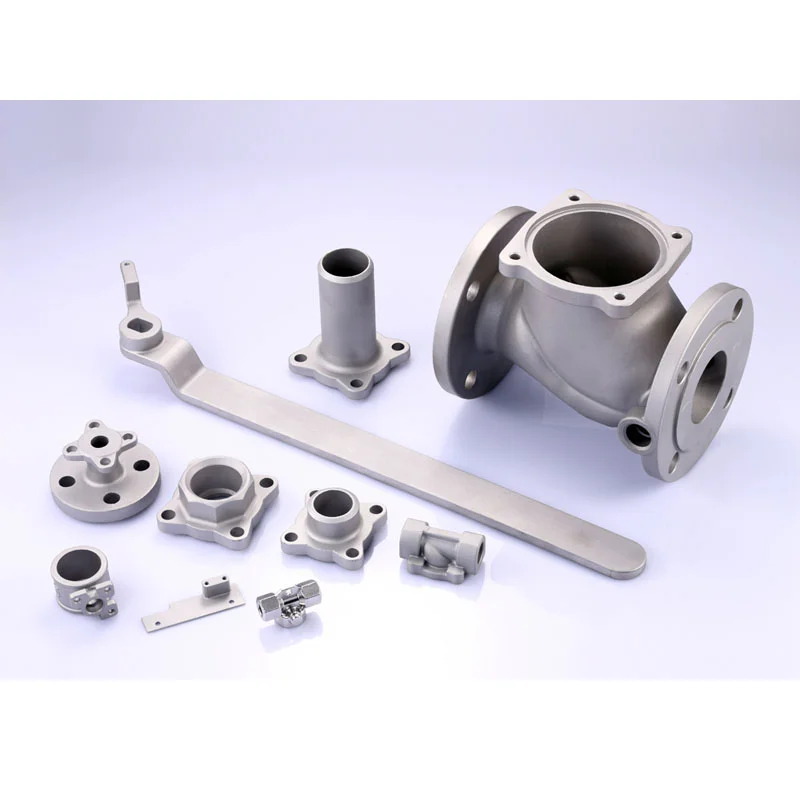
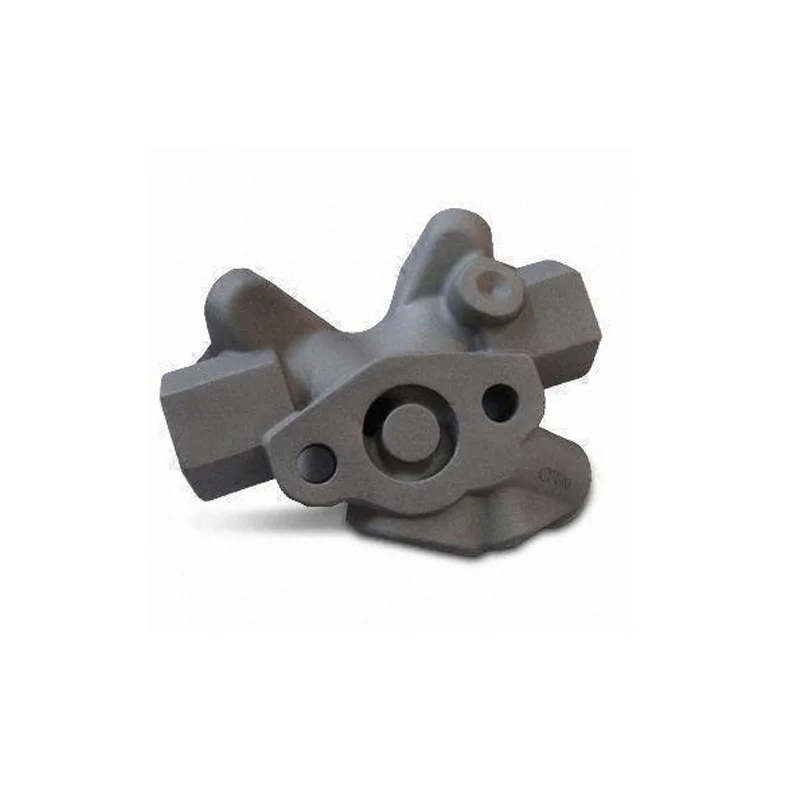
Custom 304/316 and 17-4 PH Stainless Steel and Iron Precision Lost Wax Castings
Let’s define your requirement
Send a product link, drawing or short brief. We’ll work through the details with you.
- Confirm the specificationGrade or model, size and intended use.
- Define your orderQuantity, finish or configuration, and samples.
- Agree the quotation scopeIncluded work, key checks and delivery needs.
-
Surface FinishSandblasted , Polished
-
MaterialStainless Steel,Steel,Brass,Copper,Aluminum,Iron,Plastic
-
TechnologyInvestment Casting,Sand Casting,Machining,Welding,ForgingMachiningBroaching,DRILLING,Milling,Turning,Tapping,Wire
-
ProcessMolds,Casting,Deburring,Machining,Surface Treatment,PackingWeightAvailable from 0.01 Kg-10T
-
StandardISO,GB,DIN,JIS,ANSI,BSW,ASTM,ASME,BS,API,ENCasting ToleranceCT4-CT8
-
Machining Tolerance+/-0.02mmSurface TreatmentPolishing, Passivating, Sandblasting, Zinc plating, Oxide black
-
CertificationIS09001: 2015,TUV
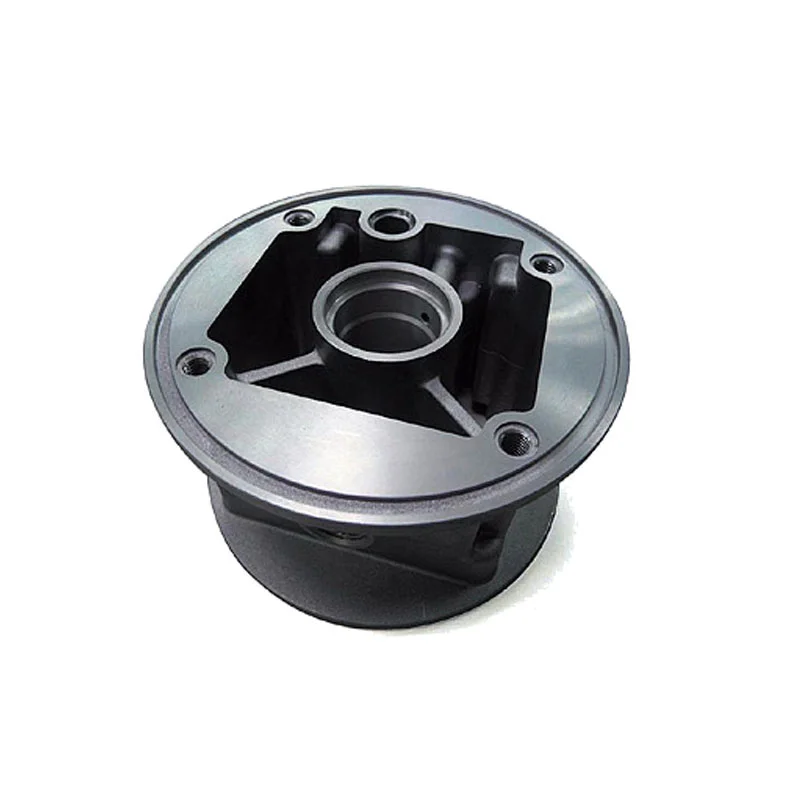
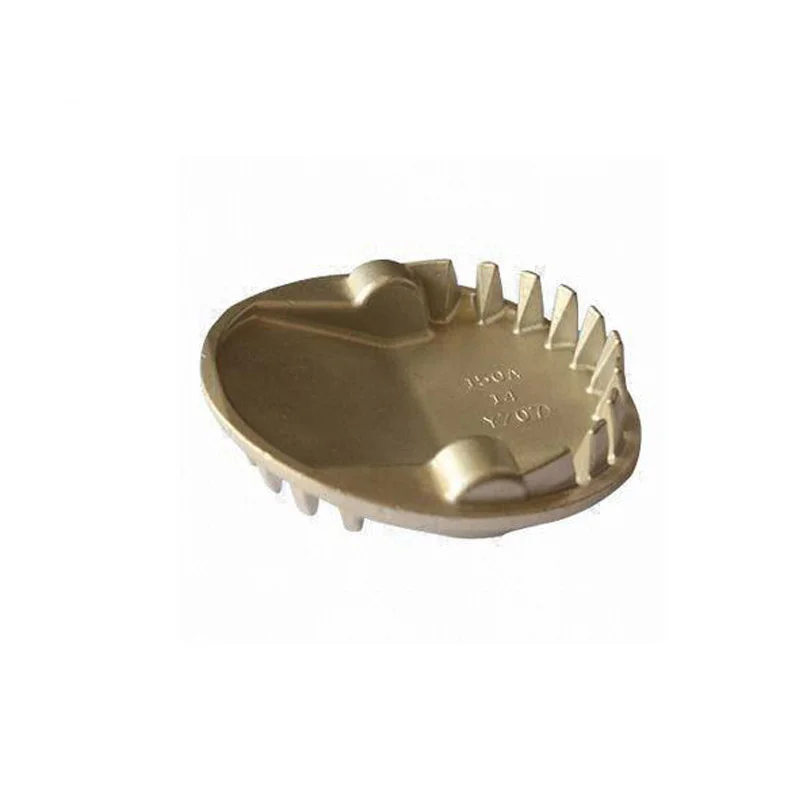
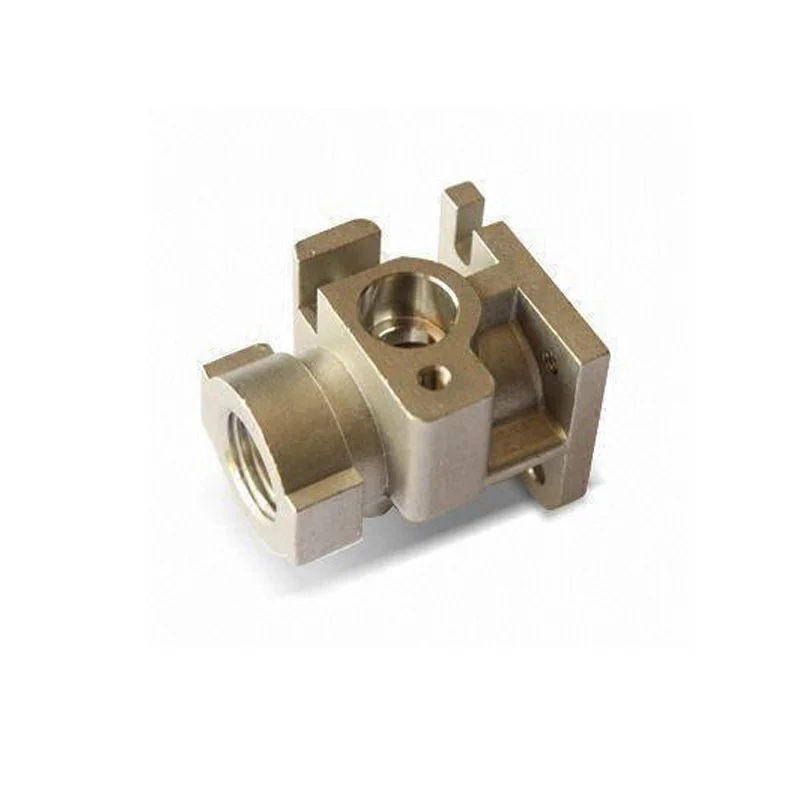
Custom lost wax investment casting parts are offered in 304, 316 and 17-4 PH stainless steel, with iron casting requests also supported. Select the material around the part's intended duty and required condition. The wider service covers multiple materials and manufacturing routes, to be allocated to the actual component.
Choosing a material and manufacturing route
Steel, brass, copper, aluminum and plastic can be discussed alongside stainless steel and iron as broader material requests. Investment casting, sand casting, machining, welding and forging are service directions. Agree the appropriate material and route combination for the part, with any heat-treatment condition stated in the material requirements.
From mould to machined surfaces
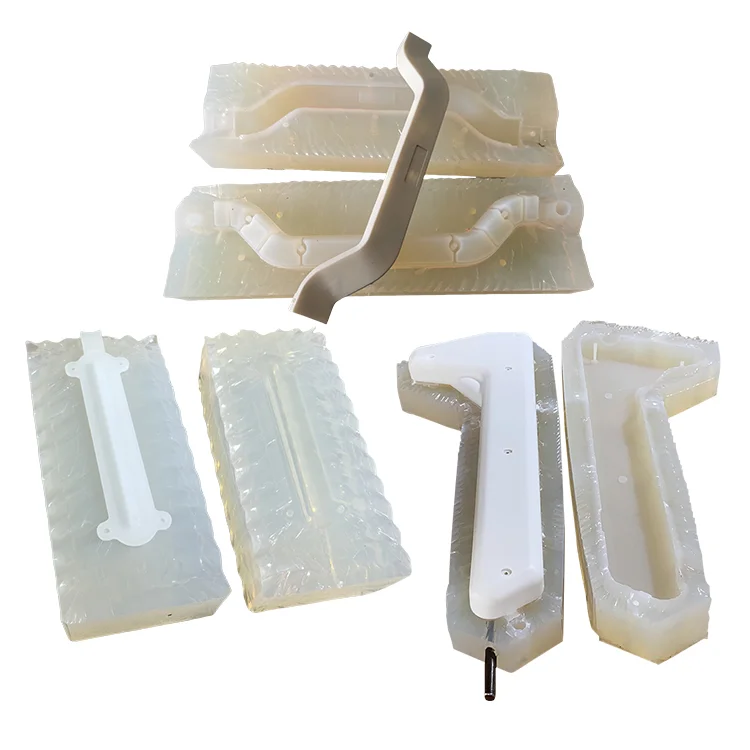
Mould making, casting, deburring, machining and surface treatment form the available processing scope. Broaching, drilling, milling, turning and tapping are named machining choices. Identify the operations required by the geometry and clarify the exact operation behind a wire-process request before including it in the agreed manufacturing plan.
Casting and machining tolerance allocation
The casting tolerance range is CT4–CT8, while the machining tolerance is +/-0.02 mm. Keep the casting class and machined-feature requirements distinct on the drawing. Agree which surfaces require the machining tolerance and the acceptance method for those features, so the numerical requirement applies to the intended part details.
Finishes and exact standard requirements
Finishing directions include polishing, passivating, sandblasting, zinc plating and oxide black. Select a finish suited to the material and component duty. Requirements within ISO, GB, DIN, JIS, ANSI, BSW, ASTM, ASME, BS, API and EN families can be discussed, with the exact designation and edition identified for the order. Confirm the required material and acceptance documentation for the selected grade, process and finish.