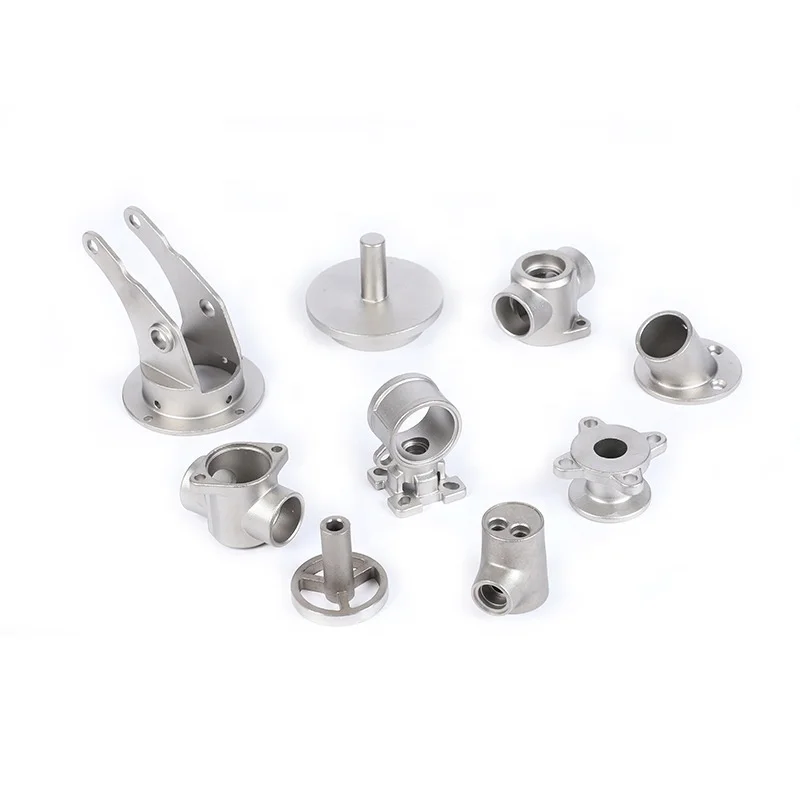
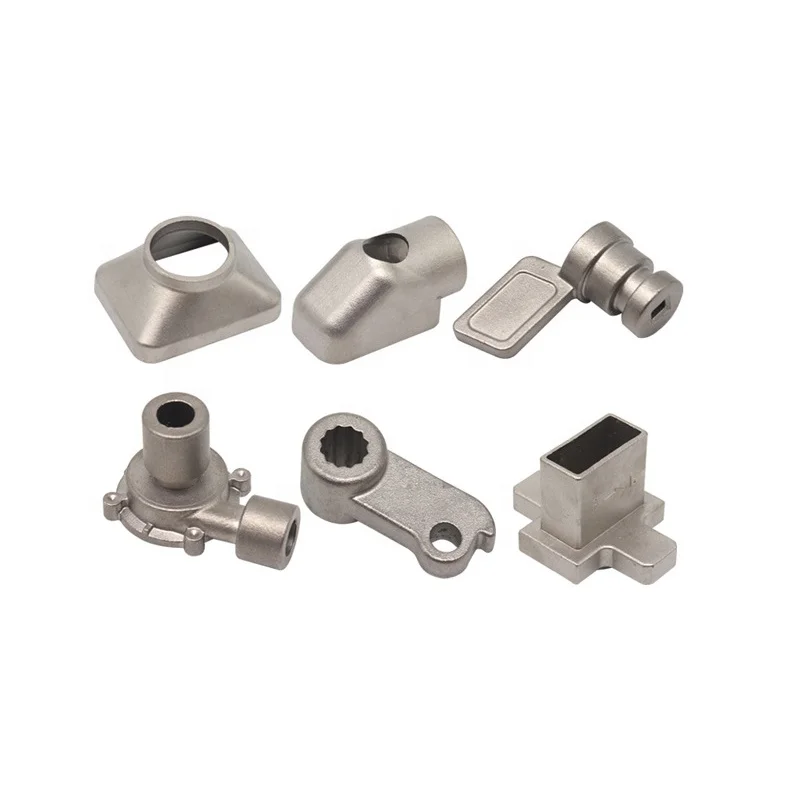
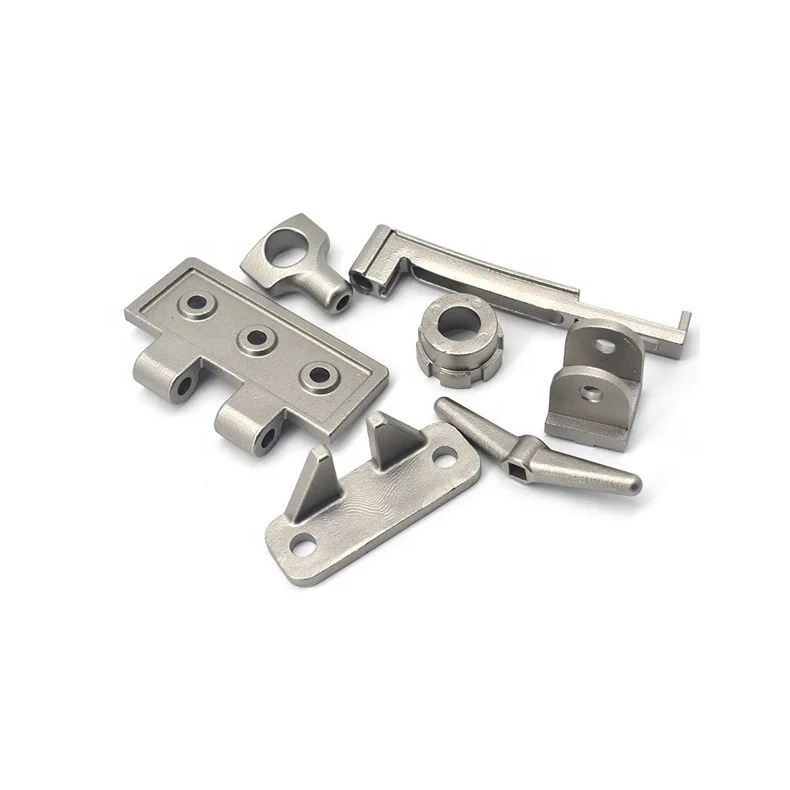
Custom 304/316/316L Stainless-Steel Lost-Wax Investment Casting | Machining/Polishing for Industrial Machinery
Let’s define your requirement
Send a product link, drawing or short brief. We’ll work through the details with you.
- Confirm the specificationGrade or model, size and intended use.
- Define your orderQuantity, finish or configuration, and samples.
- Agree the quotation scopeIncluded work, key checks and delivery needs.
-
MaterialStainless Steel
-
ProcessInvestment Casting+machining+polishingApplicationIndustry Machinery
-
Surface treatmentCustomers' DemandQuality Control100% Inspected /ISO9001 System
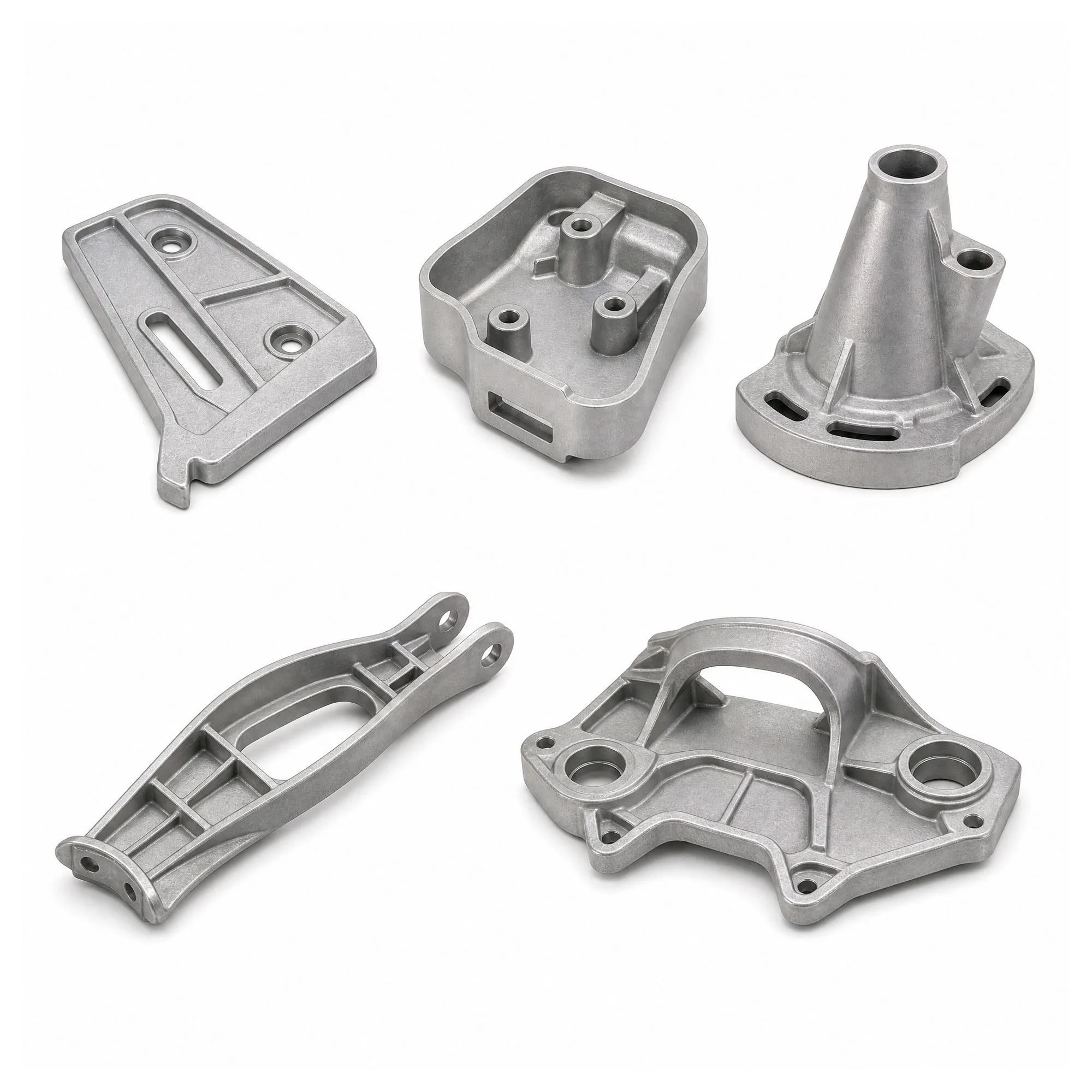
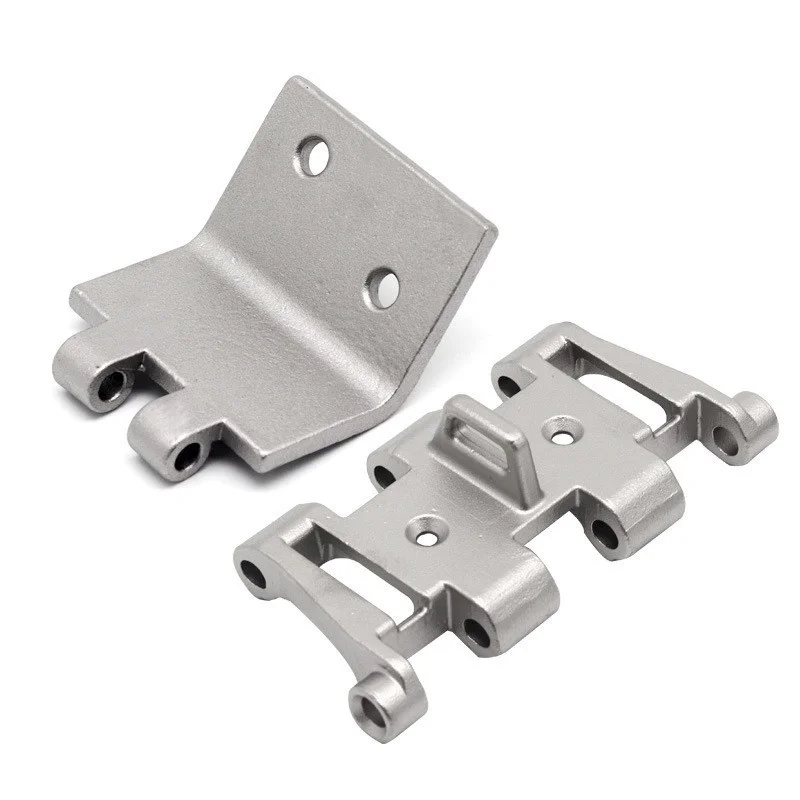
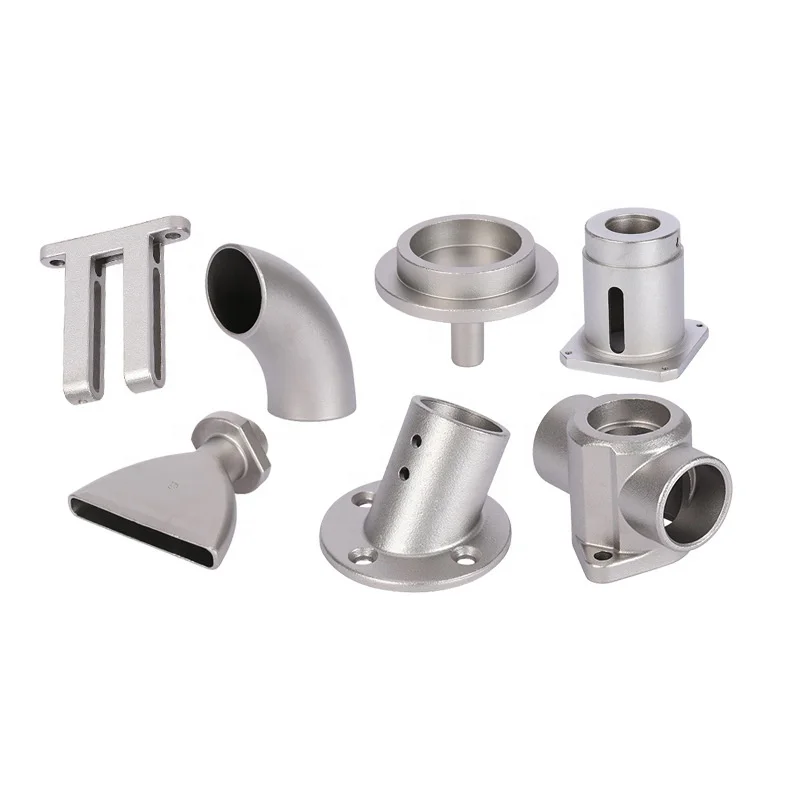
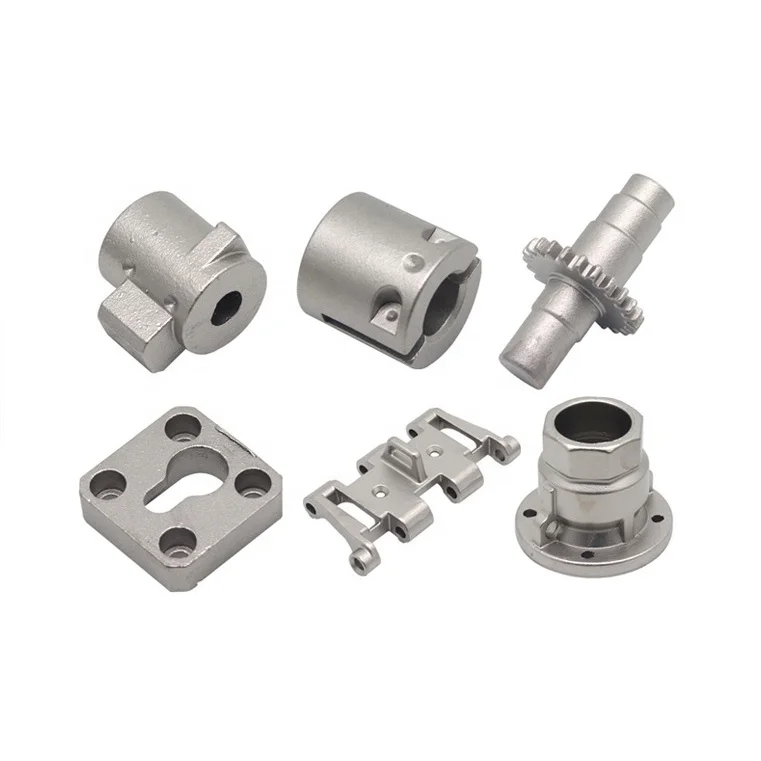
Custom precision stainless-steel castings for industrial machinery include 304, 316 and 316L material directions. Lost-wax investment casting combines machining and polishing, with surface treatment following customer requirements. The work includes 100% inspection, giving the selected component a defined basis for agreeing dimensional and finished-surface acceptance.
Choose the grade for the machinery part
Select 304, 316 or 316L for the actual component and identify the required machinery-part geometry. Establish the supplied material condition and the dimensions relevant to that request. The chosen grade and component definition should remain together when setting the casting scope, so that manufacturing requirements refer to the intended industrial part.
Coordinate machining and the polished areas
Machining and polishing form part of the investment-casting work. Identify which dimensions require machining and which surfaces need the polished condition. Describe any additional surface requirements for the selected component and agree their applicable areas. Connect the resulting finished condition to the dimensions and surfaces that will govern acceptance.
Set the scope of the full inspection
The stainless-steel casting work is 100% inspected. Agree the actual dimensional and surface checks for the selected grade, cast geometry and machined condition. Establish the quality-system documentation required for the job alongside those acceptance criteria. This keeps the inspection and documentation request specific to the industrial machinery component and its requested polished or otherwise treated surfaces.